For more information about senior living options: (866) 208-4318
4.1 from 66 reviews
5 stars
45
4 stars
4
3 stars
3
2 stars
4
1 stars
10
Windsor Gardens Healthcare Center of the Vall Costs & Pricing
Windsor Gardens Healthcare Center of the Valley offers competitive pricing for its private rooms, with a monthly cost of $3,750. This rate is notably lower than the average in Los Angeles County, which stands at approximately $4,197, and slightly below the broader state average of $3,939. The facility's pricing reflects a commitment to providing quality care while remaining accessible in comparison to other options in the region. Residents and their families can find reassurance knowing they are receiving value without compromising on the level of care provided.
Floor plans
Windsor Gardens Healthcare Center of the Vall
Los Angeles County
California
Private
$3,750
$4,197
$3,939
Overall Review of Windsor Gardens Healthcare Center of the Vall
caveat4 reviews mention this
Call lights and updates draw complaints
Several residents and families report trouble getting timely help and information.
Some reviewers describe gaps in response or coordination when help is needed, including delays reaching staff when a call is placed. A few also mention problems with communication around care changes and emergencies, including cases where families say they weren’t called. One reviewer specifically mentions a call-light issue that limited a resident’s ability to request help. These concerns stand out because the community also gets praise elsewhere for being responsive and respectful, so the inconsistency is what readers react to.
caveat4 reviews mention this
Renovation and cleanliness complaints
A subset of reviews say the building needs updates and feels dirty.
A few reviewers describe the facility as outdated and in need of major renovation, and they also raise cleanliness concerns. Some mention dirty rooms or shared-bathroom conditions, and others describe the overall environment as dirty. While many other comments emphasize cleanliness and a well-kept feel, these critical reviews focus on the areas that don’t look cared for enough—especially common spaces and room conditions.
differentiator6 reviews mention this
Rehab therapy supports real progress
Residents and families frequently point to physical, occupational, and speech therapy progress.
Multiple reviewers mention improvement during rehab stays, especially after falls or surgeries, and they call out the therapy team’s hands-on support. Several describe physical therapy helping with mobility and recovery, sometimes alongside occupational or speech therapy. Families also describe rehab staff as patient and effective, and at least a couple of comments link the therapy work to discharge and returning home. The community’s care services align with skilled nursing and daily assistance needs that fit the rehab experience reviewers are describing.
common4 reviews mention this
Activities help residents stay engaged
Reviews frequently mention structured activities and social moments.
Several reviewers describe a busy calendar of activities, including group exercise and music-related programming. Others mention residents participating in day-to-day engagement like board games, movies, and outdoor or community-style events. A couple of reviews also frame activities as part of what makes residents seem happier or more occupied during their stay. This matches the community’s focus on scheduled day-to-day programming and resident-run or planned activities.
common6 reviews mention this
Restaurant-style dining is a mixed point
Dining quality ranges from well-liked to disappointing across reviews.
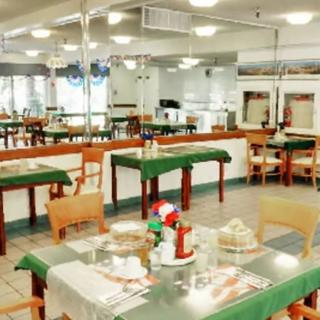
Some reviewers say the food tastes good, that meals arrive promptly with requested changes, or that kitchen staff are accommodating. Others are much more critical, describing meals as unappetizing, reheated, or even “disgusting,” and at least one mentions food issues tied to a resident’s health. The community also offers restaurant-style dining and includes special dietary restrictions and diabetes-oriented meal planning, which can help explain why some diets may be better managed than others. Overall, readers should expect dining to be inconsistent depending on the day and the resident’s needs.
How we summarize
Counts show how many written reviews mention each theme; a review can touch several themes, and only frequently mentioned themes are displayed.
Features
Housing
99 resident community capacity
Types of Care
Skilled Nursing Facility
Amenities
Air-conditioning
Beauty salon
Cable or satellite TV
Computer center
Dining room
Fitness room
Fully furnished
Gaming room
Garden
Guasts at mealtime
Housekeeping services
Kitchenette
Move-in coordination
Outdoor space
Private bathrooms
Resident parking
Restaurant-style dining
Small library
Telephone
Wellness center
Wi-Fi/high-speed internet available
Transportation
Burbank-Glendale-Pasadena (3 miles away)
Los Angeles International (17 miles away)
Community operated transportation
Transportation arrangement
Transportation arrangement (non-medical)
Transportation to doctors appointments
Care Services
12-16 hour nursing
24-hour call system
24-hour supervision
Activities of daily living assistance
Assistance with bathing
Assistance with dressing
Assistance with transfers
Diabetes diet
Meal preparation and service
Medication management
Mental wellness program
Special dietary restrictions
Dining
Diabetes diet
Special dietary restrictions
Activities
Community-sponsored activities
Concierge services
Fitness programs
Planned day trips
Resident-run activities
Scheduled daily activities
Languages Spoken
English
Spanish
Tagalog
Nearby Places of Interest
This part of North Hollywood, California is a bustling neighborhood with convenient access to essential amenities. There are several pharmacies within close proximity, making it easy for seniors to refill their medications. Additionally, there are numerous parks nearby for leisurely walks and outdoor activities. Hospitals and medical centers are also within a short distance, providing peace of mind in case of emergencies. The area offers various dining options ranging from fast food to cafes, catering to different culinary preferences. For entertainment, there are theaters where seniors can enjoy movies and cultural experiences. Overall, this neighborhood provides a well-rounded living environment with access to healthcare, recreation, and dining options for seniors looking to settle in the North Hollywood area.
Pharmacies
CVS Pharmacy (0.1 miles)
Walgreens (0.3 miles)
Walgreens (1.4 miles)
Rite Aid (2 miles)
CVS Pharmacy (2.1 miles)
Walgreens (2.1 miles)
Rite Aid (2.2 miles)
Parks
Playground (1.8 miles)
Van Nuys Sherman Oaks Park (2.3 miles)
Fryman Canyon Park (3.9 miles)
Coldwater Canyon Park (4 miles)
Franklin Canyon Park (4.4 miles)
Nancy Hoover Pohl Overlook (4.8 miles)
Lake Balboa Park (4.9 miles)
Hospitals
Kaiser Permanente Emergency (2.4 miles)
Providence St Joseph Medical Center (5.4 miles)
Veterans Administration (5.5 miles)
Tebi, Sina Dr - Providence Holy Cross Medical Center Diabetes Education (6.9 miles)
Physicians
Mid-Valley Comprehensive Health Center (2.4 miles)
Southern California Orthopedic Institute (2.7 miles)
Transportation
North Hollywood Metro Station (2.6 miles)
Burbank Airport Ride Share Pick Up (3.6 miles)
Baggage Claim (3.7 miles)
Hollywood Burbank Airport (BUR) (3.7 miles)
Terminal A (3.8 miles)
Van Nuys FlyAway Bus Terminal to LAX (4.1 miles)
Van Nuys Airport (VNY) (4.4 miles)
Restaurants
McDonald's (2.8 miles)
In-N-Out Burger (3 miles)
Wendy's (3.2 miles)
McDonald's (4 miles)
Porto's Bakery & Cafe (4.2 miles)
Transformers: The Ride - 3D (4.6 miles)
La Corona Mexican Grill (4.6 miles)
Cafes
Starbucks (3.2 miles)
Starbucks (4.5 miles)
Starbucks (5.2 miles)
Starbucks (5.5 miles)
Starbucks (5.6 miles)
Starbucks (6.6 miles)
The Butcher, The Baker, The Cappuccino Maker (6.8 miles)
Places of Worship
St Michael & All Angels (3.4 miles)
Immanuel Bible Church (4.7 miles)
Theaters
Regal Sherman Oaks Galleria (3.6 miles)
Universal Cinema AMC at CityWalk Hollywood (5 miles)
Windsor Gardens Healthcare Center of the Valley offers competitive pricing for its private rooms, with a monthly cost of $3,750. This rate is notably lower than the average in Los Angeles County, which stands at approximately $4,197, and slightly below the broader state average of $3,939. The facility's pricing reflects a commitment to providing quality care while remaining accessible in comparison to other options in the region. Residents and their families can find reassurance knowing they are receiving value without compromising on the level of care provided.
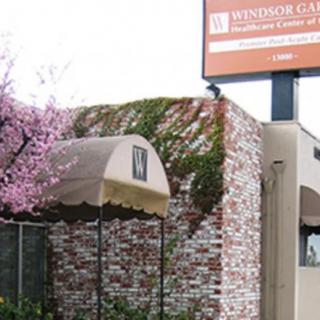
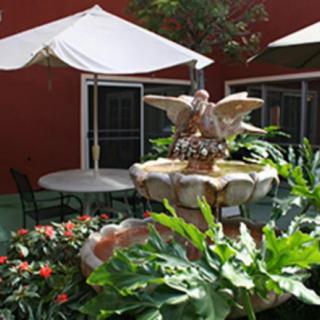
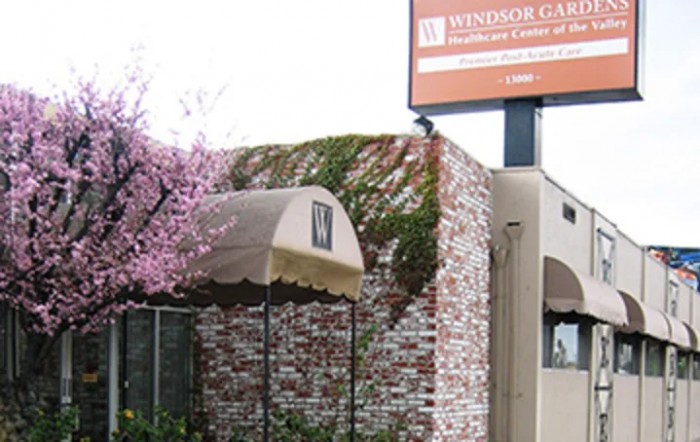
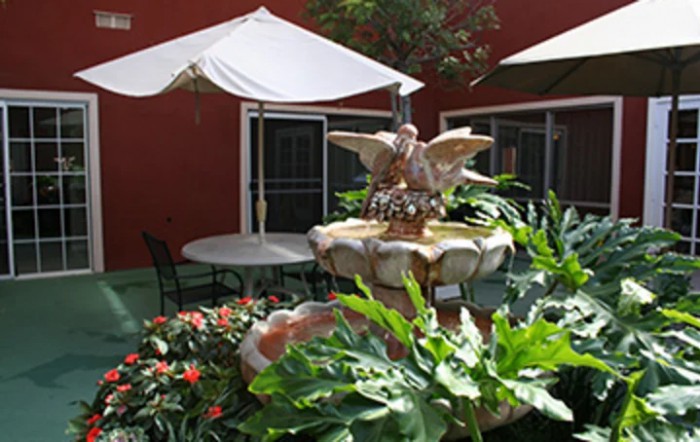
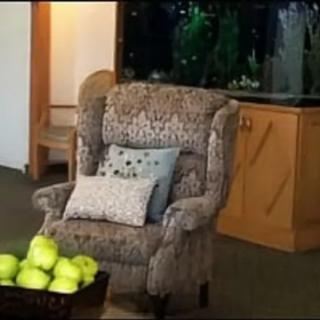
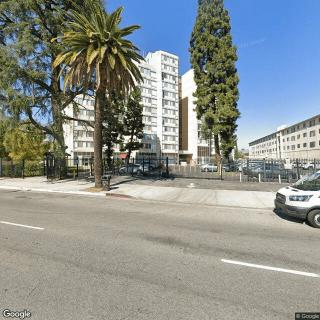
Windsor Gardens Healthcare Center of the Vall on seniors.fyi includes 6 photos including images showing building, entrance, brick wall, awning, outdoor, interior, healthcare, fountain, and more.
Nearby Communities
Anthem Senior Care
North Hollywood, CA
4.4 from 7 reviews
$3,400 to $5,000 / month
Compassionate, attentive staff in a well-maintained, welcoming facility with home-style meals.
Royal Garden
Van Nuys, CA
5 from 1 review
$5,500 / month
Intimate 6-bed setting with dementia-capable care and convenient access to nearby amenities.
Alex Care Villa
Valley Glen, CA
$2,000 to $2,500 / month
Competitive pricing (semi-private $2,000; private $2,500) with on-site activities and accessible bathrooms.
Hm Sweet Home
North Hollywood, CA
Small, personalized assisted living with comprehensive services (meals, housekeeping, ADL support, medical coordination).
Pampering Pines Senior Care
North Hollywood, CA
5 from 5 reviews
Strong on-site activities and ample indoor/outdoor spaces with private bathrooms.
Van Noord Manor
Valley Glen, CA
Comprehensive assisted living with 24-hour supervision and a convenient location.
Valley Palms Care Center
N Hollywood, CA
3.5 from 51 reviews
Compassionate staff delivering attentive, quality care with good family communication.
Glen Park at Valley Village
Valley Village, CA
4.1 from 37 reviews
$4,725 to $7,074 / month
Vibrant, friendly community with attentive staff and clean, well-decorated spaces.
Palliative care focuses on alleviating distress at any stage of a serious illness and can accompany curative treatments, while hospice care is for those nearing the end of life with a prognosis of six months or less, emphasizing comfort over curative measures. Both prioritize holistic care for patients and families but differ in timing, goals, and scope.
Fecal incontinence, prevalent among older adults, arises from factors like weakened pelvic muscles and nerve damage, significantly affecting well-being and social interactions. Diagnosis involves clinical evaluation and tests to inform tailored treatments, while caregivers and preventive measures can aid in managing the condition effectively.
Gardening provides seniors with physical exercise, mental and emotional support, and social interaction opportunities, while accommodating their needs through raised beds and ergonomic tools. It promotes health benefits like improved dexterity and cardiovascular health, encourages sustainable practices, and allows for manageable upkeep with low-maintenance plants.
Windsor Gardens Healthcare Center of the Vall photos
×
Interior
Building
Garden
Healthcare
Interior
Building, Outdoor, Entrance, Brick Wall, and Awning
Garden, Patio, Outdoor Seating, and Fountain
Healthcare
Additional Photos
Get PricingAsk A QuestionSchedule A TourContact Senior Advisor
By clicking submit, you agree to our Partner's Terms of Use. You
also consent to receive calls and texts, which may be autodialed, from our Partner. Your consent is not a condition to
using our Partner's service. Please visit our Partner's Privacy Policy for information about their privacy practices.




 99 resident community capacity
 Skilled Nursing Facility
 Air-conditioning
 Beauty salon
 Cable or satellite TV
 Computer center
 Dining room
 Fitness room
 Fully furnished
 Gaming room
 Garden
 Housekeeping services
 Kitchenette
 Move-in coordination
 Outdoor space
 Private bathrooms
 Resident parking
 Restaurant-style dining
 Small library
 Telephone
 Wellness center
 Wi-Fi/high-speed internet available
 Burbank-Glendale-Pasadena (3 miles away)
 Community operated transportation
 12-16 hour nursing
 24-hour call system
 Activities of daily living assistance
 Assistance with bathing
 Assistance with dressing
 Assistance with transfers
 Diabetes diet
 Medication management
 Mental wellness program
 Special dietary restrictions
 Concierge services
 Planned day trips
 English
 Compassionate, attentive staff in a well-maintained, welcoming facility with home-style meals.

 Understanding the Nuances of Palliative Care and Hospice: A Comprehensive Exploration
 Fecal Incontinence in Older Adults: A Comprehensive Guide
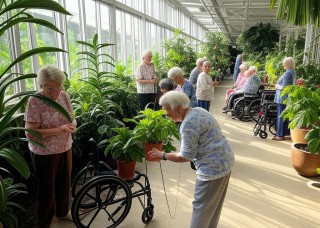 Nurturing Well-Being Through Gardening: A Detailed Guide for Senior Enthusiasts