
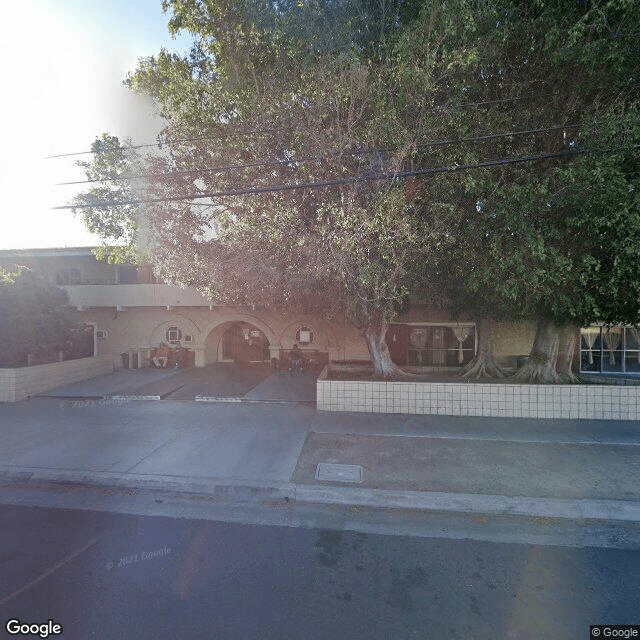
15152 Victory Blvd, Van Nuys, CA 91411
To contact a resident: (818) 989-2651
For more information about senior living options: (866) 208-4318
Overall Review of Gilmar Manor
Pros
 Having a room there is a blessing.
- The staff are pleasant and helpful.
- There is a lot to offer for someone who can't do it all alone.
- The place is somewhat comfortable.
Cons
 The rent is overpriced for the quality offered.
- The food is of poor quality and often cold.
- Personal items have been stolen by staff.
- Management is surly and incompetent.
- Bedbugs are present in the rooms.
- The environment feels unsafe due to the presence of addicts.
- The ownership is corrupt and maintenance is neglected.
- Residents are sometimes unfairly accused of misconduct by staff.
- The facility is shabby and poorly maintained.
- A residentā€™s brother died there with no apparent effort by staff to help.
Review
Gilmar Manor in Van Nuys is best suited for seniors who cannot live independently and need regular assistance, yet are prepared to accept a basic, rough-edged environment where service consistency is uneven. For residents who can tolerate limited amenities and a facility that emphasizes help over comfort, this site can function as a lean option. Positive signals exist in the form of staff who some residents find pleasant and responsive, and in the reality that a stay can be possible for someone who otherwise has no viable alternative. The space feels worn rather than polished, and the emphasis is on support rather than luxury.
Those with clearly higher expectations should look elsewhere. Families prioritizing safety, dignity, and reliable, professional care should consider other communities. The reviews pull no punches about potential red flags: allegations that personal items have been stolen by staff, confrontational or inconsistent management, and a culture described as surly or incompetent by multiple residents. The presence of addicts and bedbugs, along with reports of high rent for marginal services, elevate concerns about both environment and ethics. Even residents who acknowledge helpful staff caution that the overall experience can be unstable and difficult to trust.
On balance, the few apparent advantages do not fully offset the central drawbacks. The facility can provide essential support for tasks that become unmanageable, and the structure itself offers a basic, livable footprint for someone who cannot manage alone. Yet these gains are overshadowed by issues that erode trust and dignity. Allegations of theft, unwarranted accusations, and inconsistent governance create a volatile caregiving climate that undermines peace of mind for families and residents alike. A handful of residents report moments of friendliness, but those moments rarely compensate for the broader pattern of reliability and respect concerns.
Families weighing this option should approach with a demanding, facts-first checklist. Schedule multiple in-person visits at different times, and speak candidly with current residents about daily routines and staff responsiveness. Request a written policy on handling disputes, theft, and updates to care plans, plus a transparent, itemized price breakdown. Verify licensing, inspection records, and any active complaints. Insist on a trial period and a clear exit path if care quality falters. Seek references to speak with former residents or families. Confirm meal availability and dietary accommodations, and test whether the kitchen can meet nutritional needs and safety standards. If red flags persist, pursue stronger alternatives rather than accepting a compromise.
Practical considerations should center on safety and dignity. Closely monitor medication management, emergency response times, and how consistently caregiving is delivered given staff turnover. Inspect cleanliness of rooms, bathrooms, and laundry areas, and verify whether past bedbug concerns have been resolved. Compare total monthly costs with other nearby communities that demonstrate higher staff ratios, better food quality, and firmer protections for resident rights. If specialized memory care or medical oversight is required, verify whether Gilmar Manor can deliver or if a transition to a more capable facility is necessary. In short, this community is a fallback option, not a preferred home for most seniors or their families.
In practical terms, Gilmar Manor is not a first-choice option for most families. It can function as a last-resort placement for someone with extremely limited resources and for whom the priority is simply not living alone, albeit with serious caveats. For the majority of seniors and their loved ones, alternatives with stronger reputations for safety, dignity, and consistent service are worth pursuing first. If choosing this community, enter with guarded expectations and a firm contract that establishes performance benchmarks, clear costs, and an explicit exit strategy. Do not hesitate to compare, renegotiate, and walk away if the care culture and governance do not align with essential needs, because the consequences of staying can be long-lasting.
 Board and Care Home
 Burbank-Glendale-Pasadena (6 miles away)






 Comprehensive Guide to Qualifying for Home Health Care Services
 Powerful Realities of Elder Abuse and the Most Effective Ways to Report It
 Ten Vital Duties of a Senior Caregiver: A Comprehensive Guide