
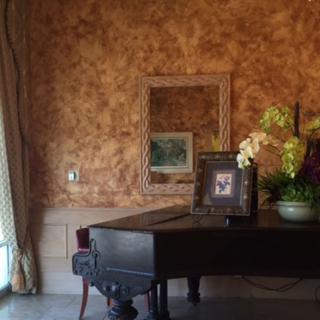
13530 Sherman Way, Van Nuys, CA 91405
For more information about senior living options: (866) 208-4318
Evergreen Chateau Costs & Pricing
Evergreen Chateau offers distinct pricing for its room types, reflecting a premium option within the context of Los Angeles County and California at large. With semi-private rooms priced at $4,000 per month, Evergreen Chateau is positioned above the county average of $3,349 and the state average of $3,333. The studio accommodations elevate this trend further, costing $6,000 monthly compared to Los Angeles County's average of $4,172 and California's overall average of $4,145. These figures suggest that while Evergreen Chateau may carry a higher price tag relative to regional norms, it likely emphasizes enhanced services or amenities that cater to residents seeking quality living environments.
| Floor plans | Evergreen Chateau | Los Angeles County | California |
|---|---|---|---|
| Semi-Private | $4,000 | $3,349 | $3,333 |
| Studio | $6,000 | $4,172 | $4,145 |
Memory care communities with a similar price nearby
-
from -$500 / mo
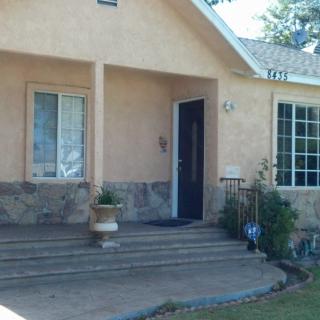
Paradise Senior Living 1
$3,500 to $4,500 / month7.4 miles away -
from +$500 / mo
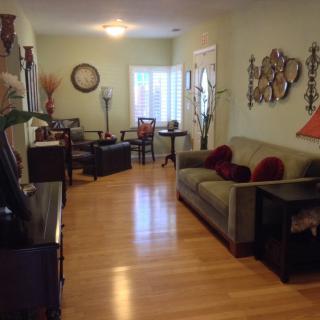
Ardenville Home Care I
$4,500 / month4.8 miles away -
from -$200 / mo
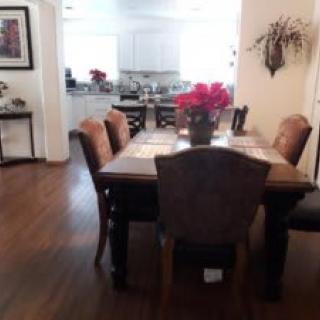
America's Care Manor
$3,800 to $4,000 / month15.0 miles away -
About the same
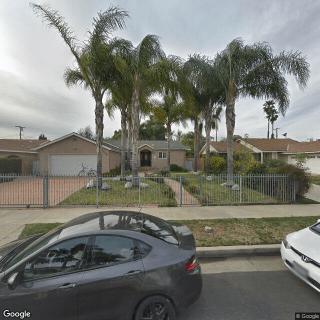
Land of Peace 6
$4,000 to $5,500 / month11.0 miles away -
from -$500 / mo
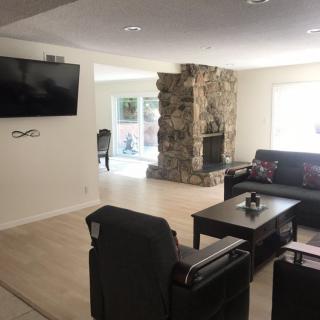
Hollywood Healthy Living
$3,500 to $5,000 / month4.9 miles away
Overall Review of Evergreen Chateau
Pros
 Jing and the staff are very friendly and helpful.
- Evergreen Chateau provides excellent care with a compassionate staff.
- The environment is joyful and clean, and residents appear happy.
- The doctor visits the facility twice a month to examine residents.
- The manager helps low-income residents stay at the facility.
- The physical therapists are wonderful and help residents regain function.
Cons
 Most residents wander around, and the reviewer’s mother spent her days locked in her room.
- Staff did nothing when the mother was bleeding.
- They took money from her and blamed others instead of taking responsibility.
- The mother started bleeding again and ended up with stage 3 cancer due to lack of care.
Review
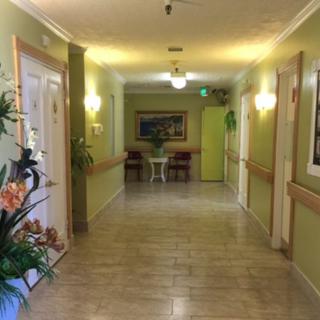
Evergreen Chateau in Van Nuys is best suited for seniors who need structured daily care and appreciate a social, activity-rich environment that remains affordable. The community tends to serve residents with memory challenges or mobility needs who benefit from on-site therapy and regular physician input, delivered through approachable, hands-on staff. It is well matched to families who value a warm, home-like setting where caregivers know residents by name and actively facilitate programs rather than presenting a sterile, corporate vibe. In short, this is a practical choice for families prioritizing engagement and value over upscale aesthetics.
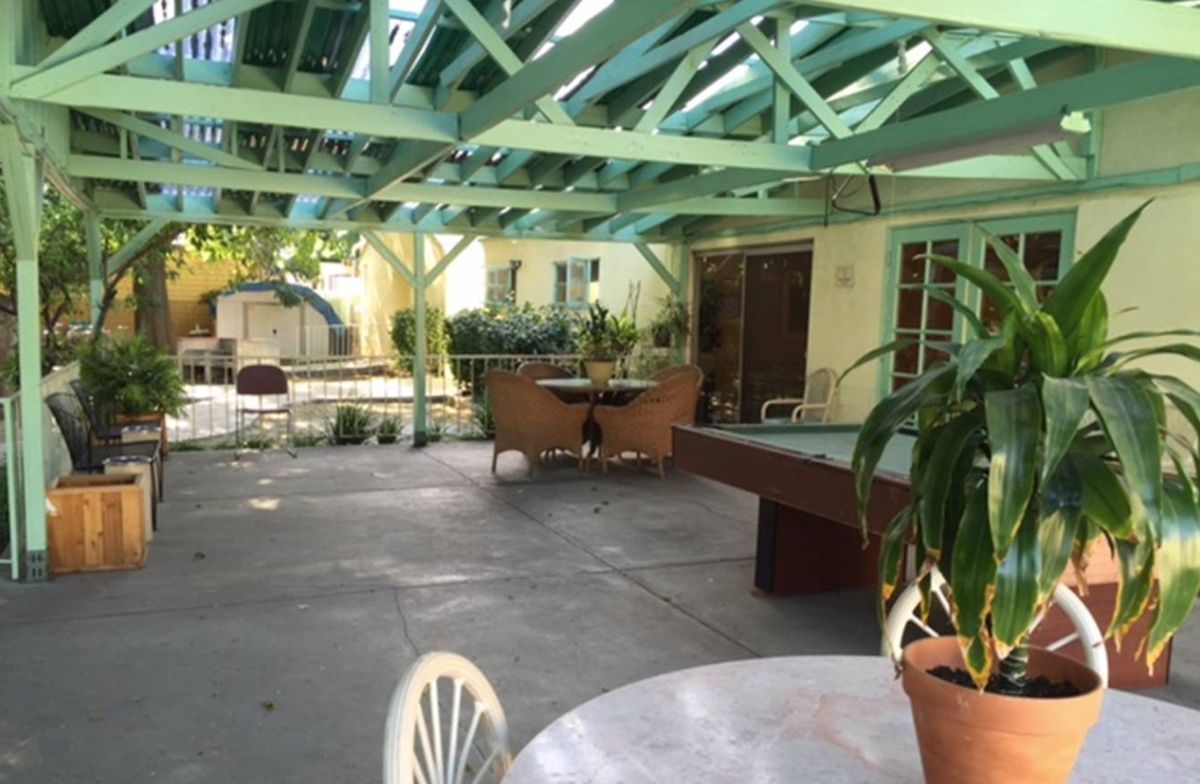
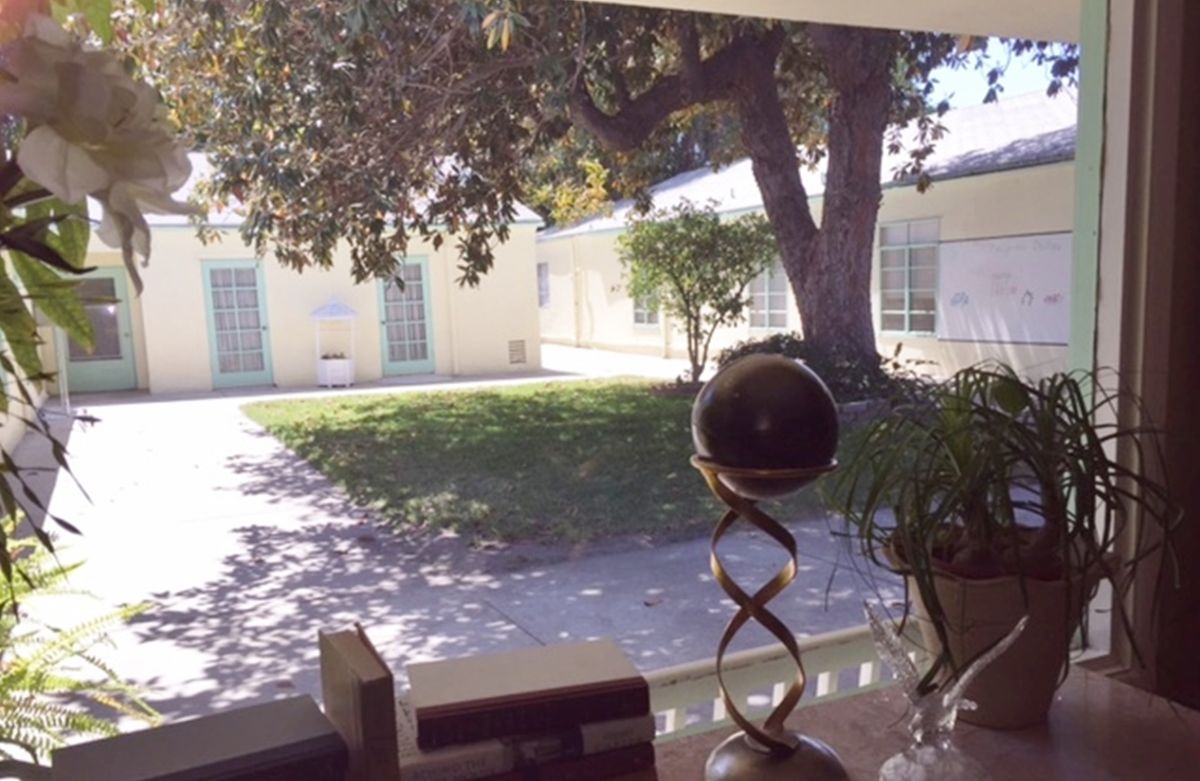
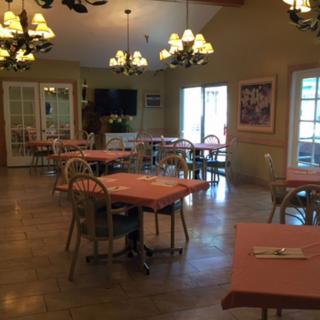
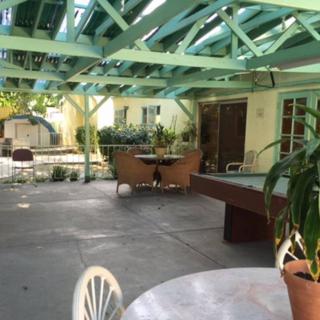
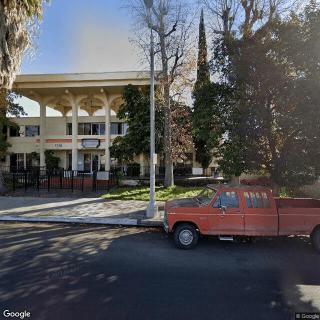
The standout strengths are accessible, compassionate staff and a caregiving culture that many families describe as responsive. Residents frequently experience consistent interaction from aides and nurses who greet them warmly and help organize activities, outings, and daily routines. The medical component includes a doctor visiting the building twice a month, and on-site therapists who assist with recovery or rehabilitation. The environment supports a sense of community: a bright open courtyard and a back yard, regular events, and meals that residents and visiting family members have found satisfactory. These elements together create a livable, emotionally supportive setting.
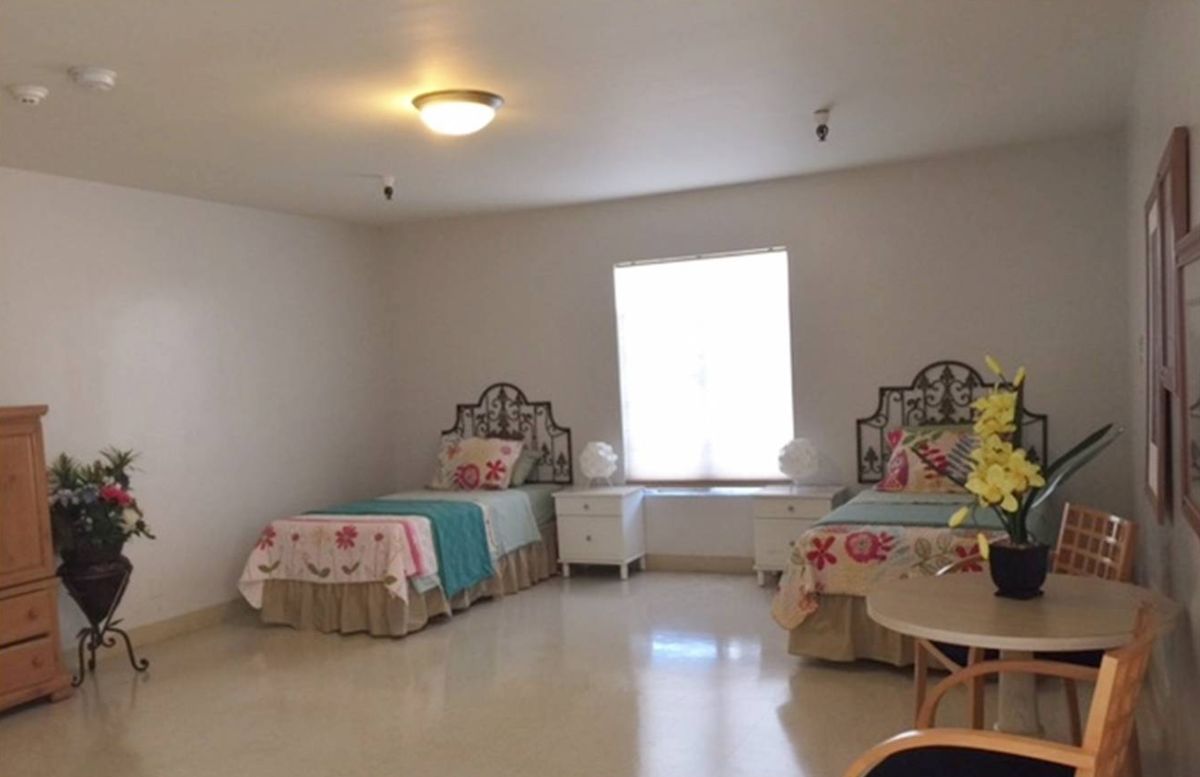
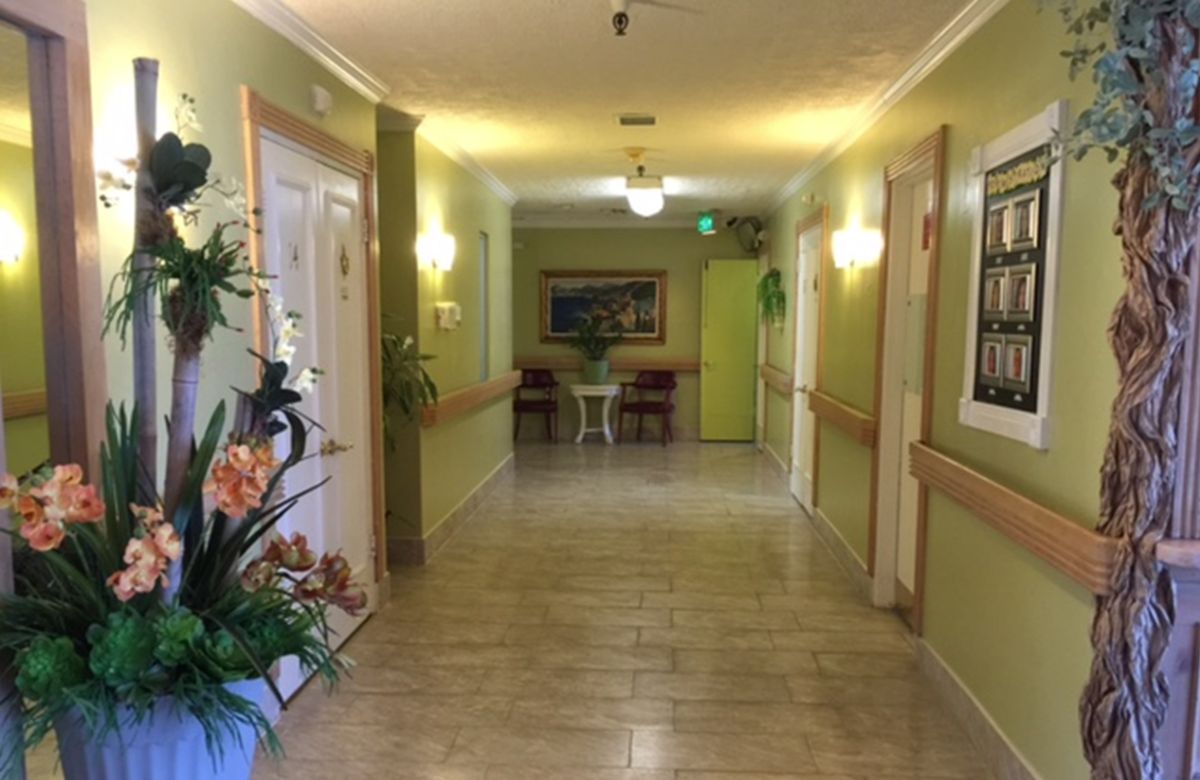
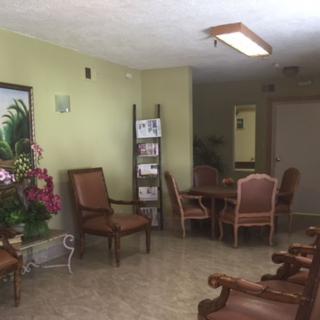
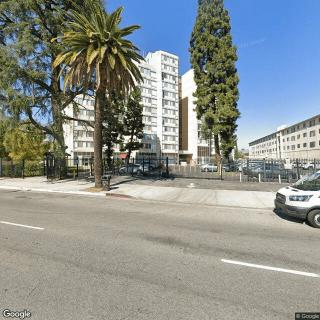
However, warnings exist that cannot be ignored. One account portrays a severe lapse in safety, alleging harm to a resident and financial misconduct, which raises legitimate concern about governance and accountability. Other reviews describe wandering residents and periods where supervision felt inadequate, suggesting that care quality may vary by shift or staff presence. The building is older, and while clean and odor-free, it shows its age in room amenities such as small TVs and modest furnishings. Taken together, these factors create a meaningful caveat for families demanding unwavering safety and consistent oversight.
Yet the positives carry real weight when weighed against these risks. The combination of friendly staff, proactive managers who advocate for low-income residents, and robust social programming can yield meaningful quality of life and a sense of dignity for many seniors. On-site physical therapy and other rehabilitative services support recovery goals, while outings and varied activities help sustain cognitive and social engagement. The affordability and willingness to support residents with limited means can make Evergreen Chateau a practical option for families without the resources to fund pricier campuses.
For families evaluating Evergreen Chateau, the decision hinges on risk tolerance and priorities. If safety oversight, transparent governance, and reliable staffing are non-negotiables, alternatives with higher staffing ratios or more modern, purpose-built dementia units may be worth a look. If dementia care, consistent staff attention, social connectivity, and access to in-house therapy at a reasonable price are decisive, Evergreen Chateau deserves serious consideration, provided a thorough on-site tour and candid conversations with current residents’ families confirm that the lived experience aligns with expectations. Prospective movers should also request a specific plan for supervision during peak hours and a clear accounting of any past concerns.
Bottom line: Evergreen Chateau can be a solid fit for families seeking warmth, community, and practical care without premium costs, particularly for residents who thrive on social programs and regular medical input. It is less ideal for those requiring unwavering safety guarantees or the latest facility amenities. The prudent path is to visit, assess staffing consistency, ask pointed questions about safety incidents and governance, and compare with other local options to ensure alignment with the resident’s needs, the family’s expectations, and the budget. A candid, in-person evaluation will reveal whether this community can deliver both the care and the peace of mind sought.
 46 resident community capacity
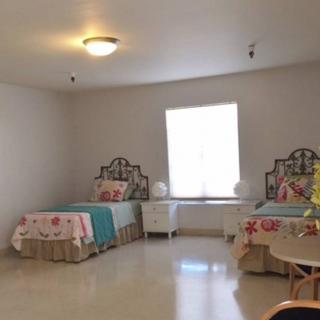
 Studio apartments
 Assisted Living
 Memory Care
 Respite Care
 Activities on-site
 Beauty salon
 Cable or satellite TV
 Computer center
 Devotional services off-site
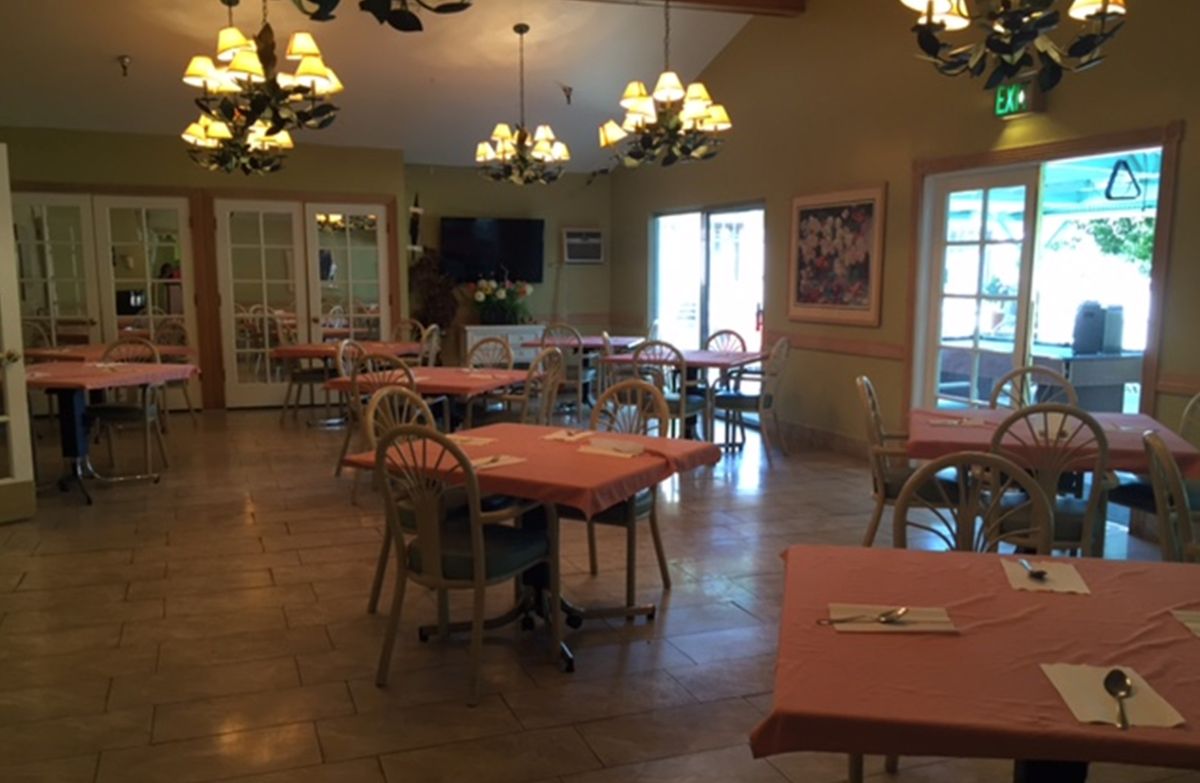
 Dining room
 Fully furnished
 Garden
 Housekeeping services
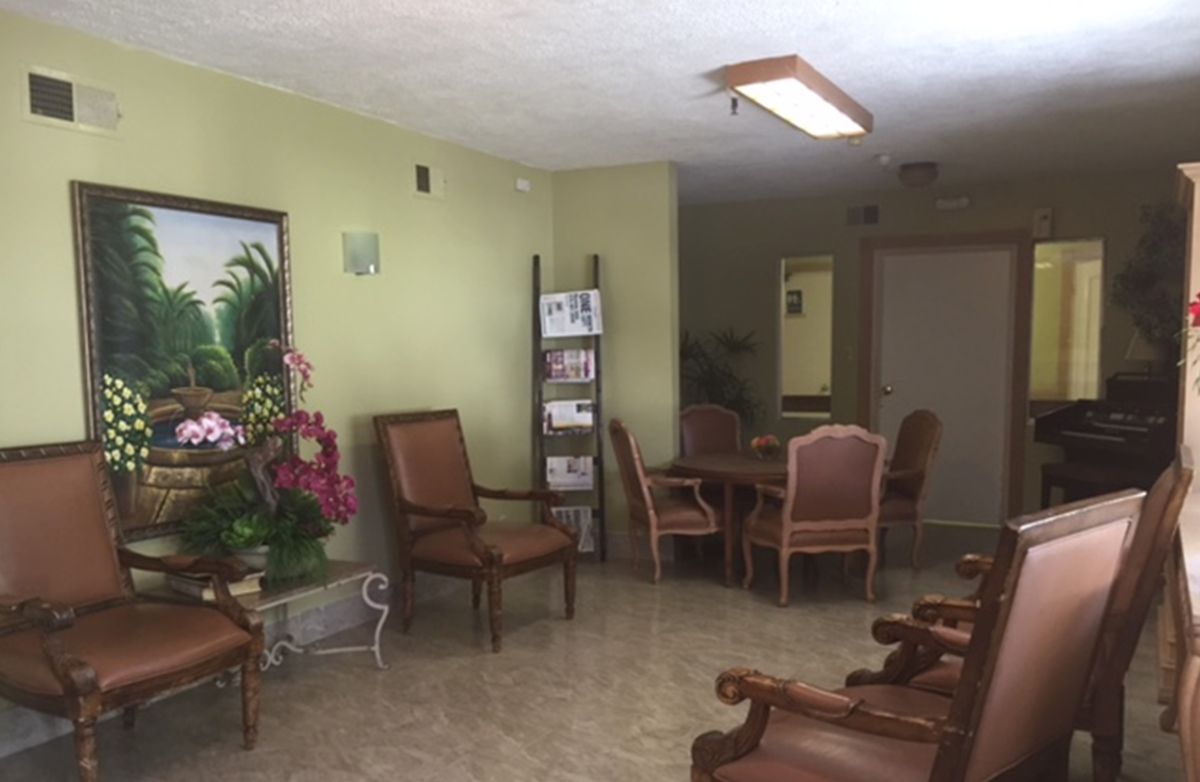
 Indoor common areas
 Kitchenette
 Laundry
 Move-in coordination
 Outdoor space
 Restaurant-style dining
 Small library
 Telephone
 Wi-Fi/high-speed internet available
 Burbank-Glendale-Pasadena (4 miles away)
 24-hour call system
 Ambulatory care
 Assistance with bathing
 Assistance with dressing
 Assistance with transfers
 Diabetes diet
 Diabetic care
 Medication management
 Mental wellness program
 Physical therapy
 Special dietary restrictions
 English


 When to Transition from Assisted Living to Memory Care: Key Indicators, Steps, and Finding the Right Community
 Understanding the Distinctions: Assisted Living and Memory Care Explained
 How to Communicate with a Loved One Living with Dementia: 10 Supportive Strategies