
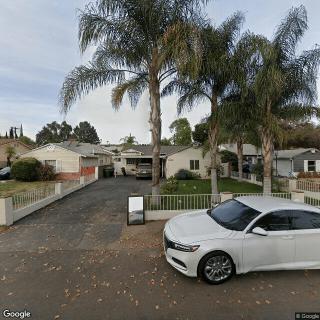
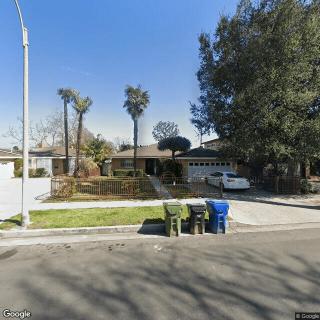
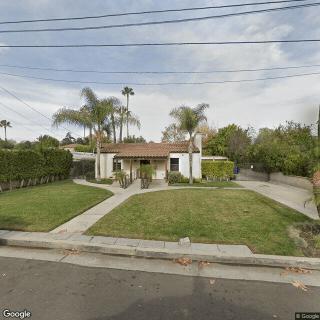
12805 Callins Street, Valley Village, CA 91607
For more information about senior living options: (866) 208-4318
Overall Review of Walnut Gardens Too
Pros
 Walnut Garden Luxury Senior Living provides excellent care for residents with advanced Alzheimer's.
- The staff are warm, loving, and highly capable of handling dementia and mobility challenges.
- Transitions to Walnut Garden are seamless and stress-free for families.
- The meals are nutritious, home-cooked, and tailored to residents' dietary needs.
- The facility is spotless, clean, and offers beautiful outdoor spaces.
- The owner, Isaac, is accessible and truly cares about residents and their families.
Review
Walnut Gardens Too is best suited for families facing advanced memory impairment and mobility challenges who want a warm, home-like environment with consistently attentive care. The community shines when dementia care is the centerpiece of the plan and when peace of mind matters more than a clinical veneer. Residents often have Alzheimer’s or other forms of dementia, sometimes with declining physical abilities, and benefit from a staff team that can respond with patience, familiarity, and everyday routines that feel individualized rather than generic. The emphasis on home cooked meals, clean spaces, outdoor shade, and a culture of care means families seeking real emotional connection as part of daily care will find Zinc-like steadiness in the caregiving crew. In short, this is a place where residents are treated as people first, and where staffing levels and a hands-on philosophy translate into reliable, visible daily support.
This community may not be the right fit for everyone, and explicit alternatives should be considered by families with different needs. For those requiring high-intensity medical oversight or skilled nursing services around the clock, Walnut Gardens Too may fall short of the level of medical acuity found in dedicated nursing facilities. Families facing budget constraints or those seeking a more clinical, hospital-like atmosphere should compare cost structures and medical staffing carefully, since luxury appearance does not automatically guarantee the medical infrastructure some residents require. Additionally, for individuals who prioritize distance from family or a more impersonal setting, the highly intimate, owner-involved culture here could feel too small-time. In cases where the primary concern is rigorous physician oversight or a conveyor-belt, campus-wide medical program, alternatives deserve strong consideration.
The strongest pro suite, exceptional, hands-on care, does more than offset most minor drawbacks. Staff are described as experienced, warm, and deeply attuned to both mental and physical challenges, with caregivers who “know how to deal with” dementia and mobility issues. The care team’s continuity and accessibility are repeatedly highlighted: families feel confident because the owner is approachable, house managers are attentive, and staff routinely tailor routines to individual needs. The on-site meals are not just functional; they are nutritious, homemade, and responsive to dietary restrictions, contributing to residents’ overall well-being and comfort. Regular updates with photos and the sense of a long-time, trusted family network contribute to a low-appeal-to-risk profile for families anxious about abandoning a loved one. The absence of reports about illness, pressure ulcers, or falls, along with spotless facilities and soothing outdoor spaces, reinforces the net positive impact of the care model.
A pivotal feature is the seamless transition experience and the ongoing sense of partnership between families and the Walnut Gardens team. Move-in stories describe stress-free admissions, compassionate onboarding by Isaac and Arlene, and a culture that feels less like a facility and more like an extended family. Families repeatedly note the ability to visit unannounced and to find loved ones engaged and well-attended at all hours, which translates into a remarkably practical peace of mind. The integration of medical specialists through trusted local partners adds a subtle but meaningful layer of comprehensive care, helping families feel that medical needs are integrated rather than siloed. In practical terms, the environment supports consistent engagement, social connection, and visible attentiveness to each resident’s routine, preferences, and safety.
For families deciding whether Walnut Gardens Too is the right choice, the decision hinges on aligning values with care delivery. It is an excellent fit when the priority is a resident-centered culture, robust day-to-day caregiving, and highly personalized attention to dementia and mobility challenges. It is less optimal for those who require advanced medical treatments, frequent on-site physician interventions, or a budget that cannot accommodate premium care. Prospective residents should emphasize questions around staff-to-resident ratios, specific dementia-care protocols, and how individualized care plans are developed and adjusted over time. Tours should include conversations with current families, an opportunities to observe mealtime and activities, and a clear outline of what kind of medical supports are readily accessible. When these factors align, Walnut Gardens Too stands out as a practical, confident choice for families seeking dependable, compassionate care with a palpable sense of community and safety.
 6 resident community capacity
 Assisted Living
 Board and Care Home
 Cable or satellite TV
 Dining room
 Fully furnished
 Garden
 Housekeeping services
 Move-in coordination
 Outdoor space
 Telephone
 Wi-Fi/high-speed internet available
 Burbank-Glendale-Pasadena (4 miles away)
 24-hour supervision
 Activities of daily living assistance
 Assistance with bathing
 Assistance with dressing
 Assistance with transfers
 Diabetes diet
 Meal preparation and service
 Medication management
 Special dietary restrictions
 Transportation arrangement (medical)
 Transportation to doctors appointments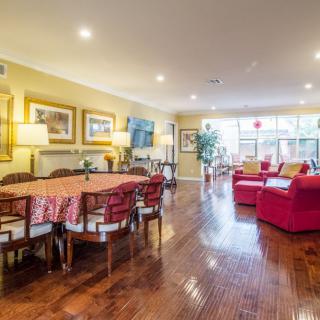




 Funding and Affording Assisted Living: A Thorough Overview
 Assisted Living Expenses and Long-Term Care Insurance: A Comprehensive Exploration
 Securing Financial Support for Assisted Living: A Comprehensive Overview