
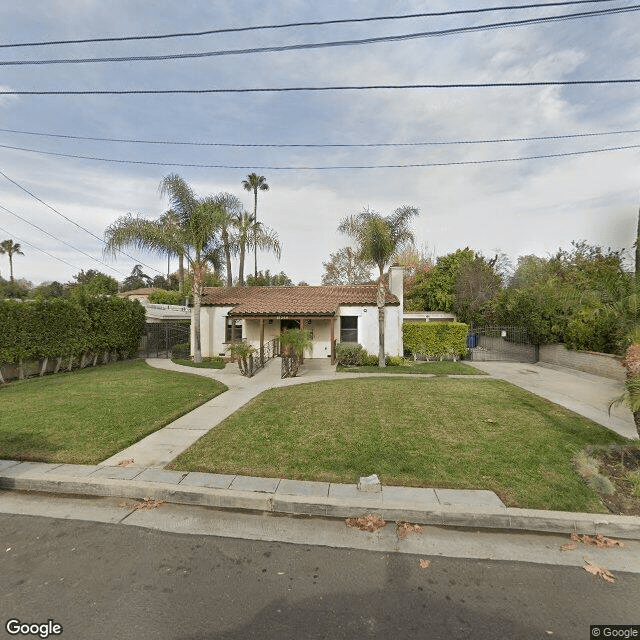
12245 Califa Street, Valley Village, CA 91607
For more information about senior living options: (866) 208-4318
Village Care Costs & Pricing
At Village Care, the monthly costs for accommodations reflect a higher tier of service compared to both Los Angeles County and the broader state of California. For a semi-private room, Village Care charges $4,500, which exceeds the county's average of $3,349 and the state's figure of $3,333. Similarly, in the case of private rooms, Village Care's rate of $7,000 stands significantly above Los Angeles County's average of $4,197 and California's statewide rate of $3,939. These figures suggest that while Village Care may come at a premium, it likely offers enhanced amenities and personalized care that justify the additional expense.
| Floor plans | Village Care | Los Angeles County | California |
|---|---|---|---|
| Semi-Private | $4,500 | $3,349 | $3,333 |
| Private | $7,000 | $4,197 | $3,939 |
Assisted Living communities with a similar price nearby
-
from -$500 / mo
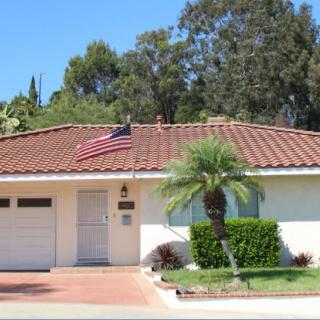
Palomino Residential Care
$4,000 to $6,000 / month17.7 miles away -
About the same
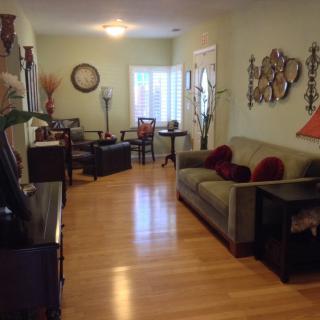
Ardenville Home Care I
$4,500 / month4.0 miles away -
from -$700 / mo
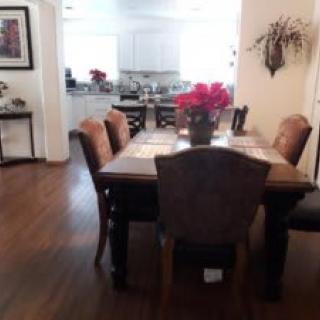
America's Care Manor
$3,800 to $4,000 / month17.0 miles away -
from +$500 / mo

Just Like Home
$5,000 / month0.5 miles away -
About the same
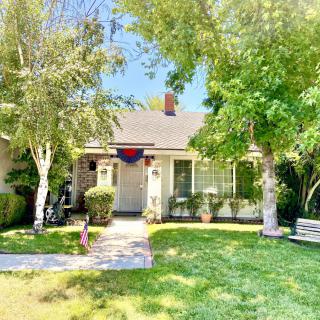
Castlemere Senior Home
$4,500 to $5,500 / month16.4 miles away
Overall Review of Village Care
Pros
 Village Care was the perfect place and experience for my mom.
- The staff at Village Care were caring and loving at all times.
- The staff cried with the family when the mom passed and followed up to express how much they loved her.
- Village Care provided a wonderful home and care.
- Village Care and its wonderful staff earned the family’s gratitude.
- Village Care offers home-cooked meals and genuine care.
- Village Care is the kind of place you can trust with loved ones.
Cons
 The reviewer described the place as "nice but really expensive."
- The reviewer called it a "sad sort of place" and not what they were looking for.
- The reviewer noted that the small house had furnishings that had seen better days.
- The reviewer observed that all the residents were in their rooms, apparently sleeping.
- The reviewer pointed out that the other facility charged over $13,000 per month in added charges, implying poor value.
Review
Village Care in Valley Village is best suited for families seeking a small, intimate, home-like setting where staff form real relationships with residents and care feels genuinely personal. It works especially well for seniors who require steady, compassionate daily support and who benefit from predictable routines and hands-on attention. The setting suits those dealing with mild memory challenges or post-acute recovery, where near-constant, attentive staff, familiar faces, and homestyle meals outweigh the appeal of a larger, more impersonal campus. Families prioritizing honest conversations with caregivers and a tightly coordinated care plan over glitzy amenities will find Village Care aligns with what matters most.
That said, consideration should be given to who may want alternatives. If the primary goal is maximum social programming, cutting-edge activity calendars, or the lowest possible cost, other options will typically outperform Village Care. Larger facilities with extensive memory-care wings or multi-site systems can deliver more robust programming and a broader set of services, often at more favorable price points. For residents with more intensive dementia needs, aggressive behavioral challenges, or a desire for a sprawling campus environment, a bigger operation may deliver the scale and resources those requirements demand.
The strongest pros at Village Care are precisely the elements that offset a few clear drawbacks. The staff demonstrates consistent warmth, genuine concern, and a willingness to walk families through complex decisions, including navigating the medical system near the end of a loved one’s life. This is not a place driven by sales pitches; it’s a place where honest conversations and careful planning matter. A smaller, focused home setting translates into meals that feel homelike, routines that are easy to follow, and a level of accessibility where caregivers know the resident’s history and preferences. Those factors, combined with dependable caregiver involvement, effectively mitigate concerns about cost by delivering care quality that many larger facilities struggle to sustain.
The memory-care dynamic and medical coordination emerge as standout strengths. In situations where a family member has had a stroke or mild dementia, Village Care’s approach prioritizes careful oversight, gentle redirection, and a respectful, person-centered plan. The care team is described as approachable and forthright, able to connect families with resources, and deft at translating medical needs into practical daily care. This capability reduces caregiver strain and often yields a smoother transition through recovery or disease progression. The reputation for honesty in initial care discussions helps families avoid the trap of overpromising, and the resulting trust is a durable asset when navigating hospital discharges, rehabilitation, and ongoing milestones.
On the flip side, the environment can feel small and quiet, with some residents mostly in their rooms, and furnishings that have seen better days. For a family seeking a lively social atmosphere, expansive programming, or a facility that presents as cutting-edge, Village Care may not check all boxes. Pricing is another practical consideration: several reviews frame Village Care as more expensive than some alternatives in the region, though others insist the extra cost is justified by the level of faith-based care, home-style meals, and personal attention. Prospective residents should run a careful cost-versus-value analysis, recognizing that the real currency here is the confidence that a loved one will be treated with dignity, respect, and steady, compassionate presence.
In the end, Village Care delivers a compelling value proposition for the right family. When the goal is a trusted, intimate environment where care staff know every resident by name, where compassionate support shines during recovery or early dementia stages, and where the care plan is built around the person rather than the institution, Village Care earns strong consideration. Families should be prepared to invest a bit more for that quality of presence, and they should visit with questions about daily activity levels, meal routines, and how the staff handles transitions between care needs. For those prioritizing cost-cutting or a more dynamic social scene, alternatives may prove more satisfactory. The decisive factor is alignment: does the family need an intimate, hands-on, homelike setting with steady relational care, or is a larger, more bustling campus with broader programming a better match?
 6 resident community capacity
 Assisted Living
 Board and Care Home
 Activities off-site
 Bath tubs
 Beautician on-site
 Cable or satellite TV
 Dining room
 Fully furnished
 Garden
 Housekeeping services
 Indoor common areas
 Move-in coordination
 Outdoor common areas
 Private
 Private bathrooms
 Telephone
 Wheelchair accessible showers
 Wi-Fi/high-speed internet available
 Burbank-Glendale-Pasadena (3 miles away)
 24-hour supervision
 Ambulatory care
 Assistance with bathing
 Assistance with dressing
 Assistance with transfers
 Diabetes diet
 High acuity care
 Incontinence care
 Meal preparation and service
 Medication management
 Special dietary restrictions
 Transportation arrangement (medical)
 Transportation to doctors appointments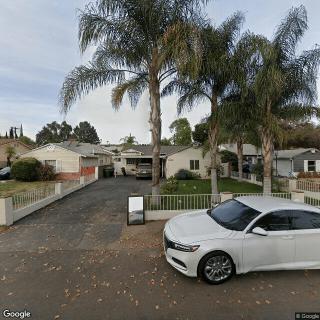





 Understanding Medicaid Coverage for Assisted Living: A Comprehensive Guide
 How and When Medicaid May Cover Assisted Living Costs
 A Detailed Exploration of Assisted Living Medicaid Waivers Across the United States