
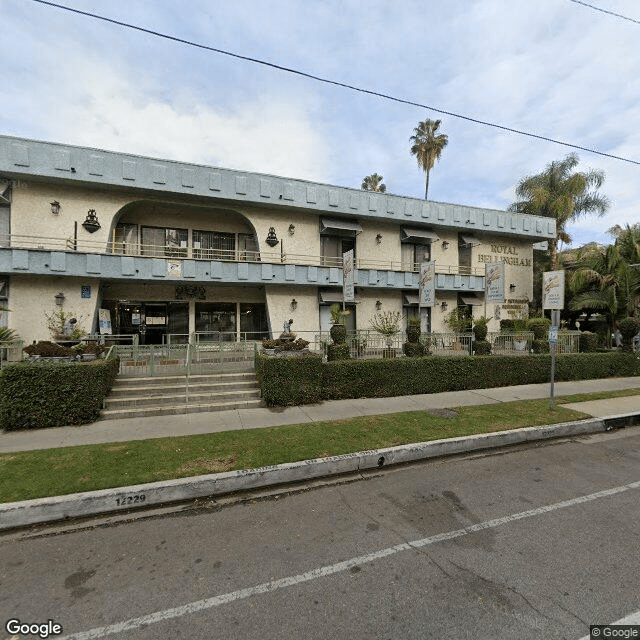
12229 Chandler Boulevard, Valley Village, CA 91607
For more information about senior living options: (866) 208-4318
The Residences At Royal Bellingham Costs & Pricing
The Residences At Royal Bellingham offers competitive pricing for senior living accommodations, particularly when compared to the broader market in Los Angeles County and California as a whole. For instance, a studio apartment at The Residences is priced at $2,450 per month, which represents a significant savings compared to the average costs of $4,172 in Los Angeles County and $4,145 throughout California. Similarly, the one-bedroom units are available for $3,850, again more affordable than the county's average of $4,603 and the state average of $4,340. These cost advantages not only enhance accessibility but also ensure that residents receive quality care in an inviting community without compromising their financial wellbeing.
| Floor plans | The Residences At Royal Bellingham | Los Angeles County | California |
|---|---|---|---|
| Studio | $2,450 | $4,172 | $4,145 |
| 1 Bedroom | $3,850 | $4,603 | $4,340 |
Assisted Living communities with a similar price nearby
-
from -$250 / mo
Precious Someone Homecare
$2,200 to $3,300 / month13.1 miles away -
from +$300 / mo
Dignity Care Home 1
$2,750 to $4,150 / month6.6 miles away -
About the same
Eleanor's Residential Home
$2,500 to $6,000 / month12.0 miles away -
About the same
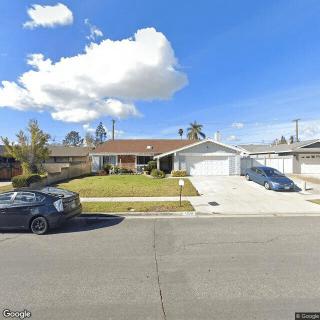
Darrah Manor
$2,500 to $3,000 / month19.8 miles away -
About the same
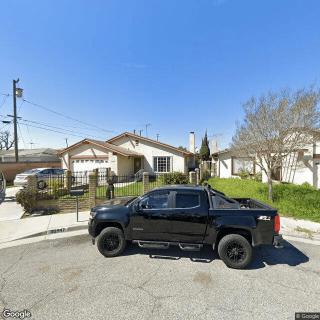
Abad Group Home - Harline Court Facility
$2,500 to $3,000 / month24.8 miles away
Overall Review of The Residences At Royal Bellingham
Pros
 The care was exceptional, with super caring staff and very personable support.
 - Requests from the family were met with enthusiasm and dedication.
- The staff are kind, attentive, and consistently helpful toward residents.
- The community offers good value with a kind and attentive staff.
- Royal Bellingham has a home atmosphere and makes residents feel like family.
- The decor is nice and the staff are polite and helpful toward residents.
- The location is gorgeous, with great staff supporting the community.
- Residents can have their own private rooms, which is a valued feature.
- The facility is worth the money because the staff take good care of residents.
- Administrator Lori is a valuable asset and a good listener who helps everybody.
Cons
 The facility had previously been described as very corporate, not a good listener, and left the resident feeling very alone.
- Before lockdown, the facility had carpet smells and was dirty.
- The reviewer described the COVID outbreak as irresponsible and negligent for spreading the virus to residents.
- There was no response from Royal Bellingham; to the family, it felt like business as usual.
- Staff were criticized for not giving medications on time and sometimes administering the wrong pills.
- Some staff members ignored residents, were rude, or failed basic care such as drying and dressing after showers.
- There were allegations that staff stole items from a resident's room.
- The decor might be nice, but the rent was described as ridiculous and the facility under-staffed, with staff not always helpful.
- Communication was inconsistent, with multiple calls not returned.
Review
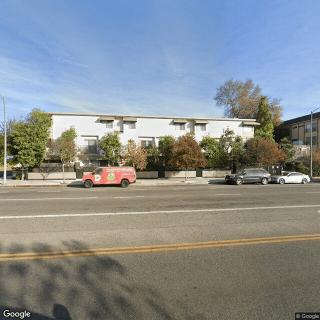
The Residences At Royal Bellingham is best suited for families seeking a warm, home-like assisted living experience where independence is respected and caregivers form real, ongoing relationships with residents. The community earns particular appeal for those who want private living space, where meals, activities, and daily care feel personal rather than corporate. Families repeatedly praise a personable, attentive staff and a setting that feels more like a family home than a hotel, including pleasant common areas, a welcoming interior courtyard, and outdoor decks that invite regular social interaction. For residents who value genuine warmth and consistent, compassionate attention from a stable team, Royal Bellingham often delivers.
Those weighing alternatives should consider what happens when a facility must scale up clinical oversight, consistency, and branding to a higher degree. If highly structured medical coordination, polished brand identity, and a predictable, “resort-like” atmosphere are top priorities, larger or more corporate campuses might be preferred. Some reviews raise red flags about communication delays and staffing gaps, including instances of medication-handling inconsistencies and staff who appear distracted or inattentive. A few families also reported occasional disrespect or under-staffing concerns, and there are troubling anecdotes about theft concerns. These factors matter for residents who require near-perfect reliability and spotless, uniform operations.
On the plus side, the strongest draws are the people and the tone. The care team, often highlighted by names like Lori, Maricel, Leto, and Julio, has earned consistent praise for attentiveness, kindness, and a genuine willingness to listen. In many cases, medications are administered timely and accurately, and residents who rely on a buzzer/pull-string system consistently report staff responses that are prompt and respectful. Families also note the advantage of a comfortable, home-like environment: reasonable rent for the level of care, décor that feels inviting, and the ability for residents to maintain private rooms rather than sharing quarters. The interior spaces, outdoor patio, and active social calendar, including music programs and varied activities, create a sense of belonging that can reduce the isolation some residents experience.
Even with the positives, the cons cannot be ignored. Communication can wobble, with some families waiting longer than expected for return calls or updates, and a few accounts describe caregivers who are not fully attentive in the moment. Reports of medication-handling lapses, occasional misdosed pills, or staffers who seem preoccupied on the phone suggest a need for tighter supervision and clearer handoffs. A small number of reviewers raised concerns about room cleanliness or personal items, and there are mentions of under-staffing pressures that impact response times and care coordination. Additionally, a one-time community move-in fee and overall pricing structure can make the financial picture more opaque for new families seeking predictable monthly costs.
The way forward hinges on balancing the strong relational care with the operational risks. For families who prize a respectful, neighborly atmosphere and whose loved one thrives with personal attention from a stable, caring team, the positives often outweigh the drawbacks. The value proposition is compelling when compared with other area options, particularly for those who prefer a private room, a home-like setting, and an active social life without paying resort-level premium. Prospective residents should, however, verify current staffing levels, request a clear medication-management process, and meet directly with the administrator to gauge responsiveness and transparency. A trial stay or planned observation period can blunt uncertainty and reveal how the team handles day-to-day contingencies.
In the end, Royal Bellingham offers a practical, well-rounded option for seniors who want a heartfelt, community-driven environment and a reasonable price point. It is not the obvious choice for families seeking the most impermeable safety net and the most pristine, uniform operations across every shift. For those who can tolerate occasional communication gaps or staffing hiccups in exchange for dedicated caregivers, a warm atmosphere, and the chance to preserve private space and autonomy, this community represents a solid, decision-ready path. Before committing, families should prioritize three steps: engage with the administrator to assess current staffing and response times, review the medication-handling protocol in detail, and arrange a trial period to confirm that the family’s comfort level aligns with the resident’s daily experience.
 96 resident community capacity
 Assisted Living
 Independent Living
 Respite Care
 Activities off-site
 Air-conditioning
 Beautician on-site
 Cable or satellite TV
 Computer center
 Devotional services off-site
 Dining room
 Fitness room
 Fully furnished
 Gaming room
 Garden
 Housekeeping services
 Indoor common areas
 Kitchenette
 Move-in coordination
 Outdoor common areas
 Outdoor patio
 Private bathrooms
 Restaurant-style dining
 Small library
 Telephone
 Wellness center
 Wheelchair accessible showers
 Wi-Fi/high-speed internet available
 Burbank-Glendale-Pasadena (3 miles away)
 Community operated transportation
 24-hour call system
 Ambulatory care
 Assistance with bathing
 Assistance with dressing
 Assistance with transfers
 Diabetes diet
 Diabetic care
 Incontinence care
 Medication management
 Special dietary restrictions
 Concierge services
 Planned day trips





 Vibrant Senior Living: A Comprehensive Guide for Active Older Adults
 When to Transition from Assisted Living to Memory Care: Key Indicators, Steps, and Finding the Right Community
 Assisted Living and Memory Care: Understanding Their Core Differences