
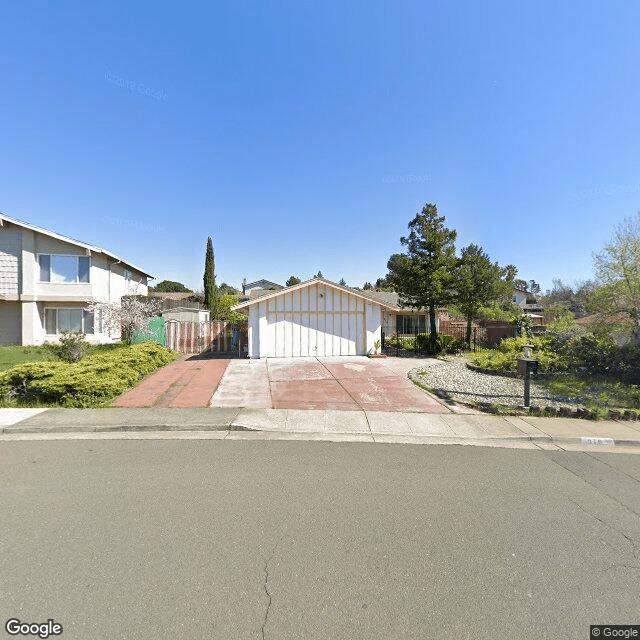
310 Masonic Drive, Vallejo, CA 94591
For more information about senior living options: (866) 208-4318
Masonic Guest Home Costs & Pricing
Masonic Guest Home offers competitive pricing in comparison to both Solano County and the broader California market for assisted living accommodations. For a semi-private room, Masonic Guest Home charges $3,000 per month, which positions it slightly above the county average of $2,762 yet below the state average of $3,333. Conversely, the private room rate at Masonic Guest Home is set at $3,500; while this is marginally lower than the California average of $3,939, it exceeds the county's typical cost of $3,482. Overall, these rates reflect Masonic Guest Home's commitment to providing quality care while remaining mindful of local and state pricing trends in assisted living facilities.
| Floor plans | Masonic Guest Home | Solano County | California |
|---|---|---|---|
| Semi-Private | $3,000 | $2,762 | $3,333 |
| Private | $3,500 | $3,482 | $3,939 |
Assisted Living communities with a similar price nearby
-
About the same
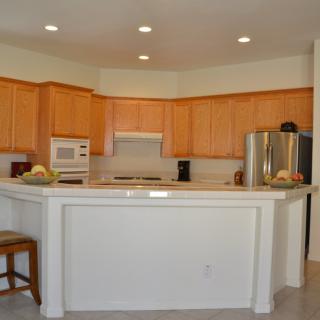
Laylor Care Home For The Elderly
$3,000 to $4,000 / month24.2 miles away -
About the same

Palm Garden Home Care
$3,000 to $4,000 / month23.0 miles away -
from +$400 / mo

An Oak Grove Manor
$3,400 to $3,800 / month17.2 miles away -
from +$500 / mo
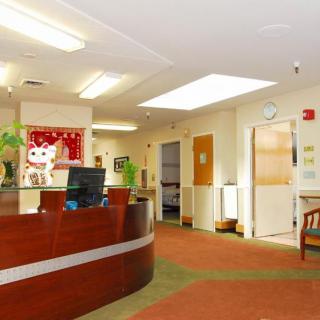
East Bay Assisted Living
$3,500 to $5,000 / month21.9 miles away -
from -$500 / mo
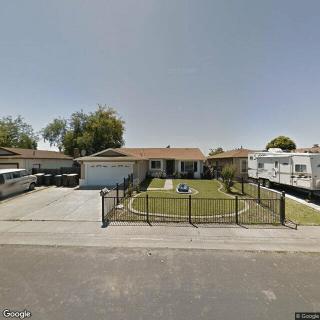
Village Golden Care Home
$2,500 to $3,800 / month13.7 miles away
Overall Review of Masonic Guest Home
Pros
 She is doing pretty good here.
- The staff are nice.
- The place is run well.
- They sometimes take the residents out to do activities.
- She has a healthy appetite and enjoys the food very much.
- The location is convenient.
Cons
 She does get restless sometimes in the evening.
Review
Masonic Guest Home in Vallejo is best suited for families seeking a small, home‑like senior living environment where availability and a convenient location matter more than expansive campus programming. The two positive reports describe a setting that feels manageable and approachable, with staff who are friendly and attentive. It suits residents who are largely independent or require only light daily assistance, and who appreciate predictable routines, satisfactory meals, and occasional group activities that still feel personal rather than institutional. For families prioritizing proximity to services or relatives, this community delivers a straightforward, low-friction entry into assisted living without the sensory overload of larger campuses.
Those who may want to consider alternatives are residents needing intensive medical oversight, advanced nursing care, or highly specialized memory care. A facility that excels in warmth and routine may fall short for someone requiring 24/7 skilled care, complex wound management, or a full spectrum of therapeutic programs. Likewise, families seeking a wide array of on‑site activities, strong structured programming, or a facility with a large clinical staff should evaluate other options where those elements are more prominently featured.
The strongest advantages here are clearly actionable: a courteous, well‑organized staff team and a sense of trust in how the place is run, paired with a willingness to engage residents in outings and activities. The reviews note that the staff are nice and the operation feels well managed, which translates into lower stress during the move and fewer prompts for families to intervene. The weekly rhythm includes social opportunities outside the walls, and the meals are a clear win, with the resident reported to have a healthy appetite and to enjoy the food. The combination of availability and convenient location also reduces the friction of admissions, allowing families to align timing with care needs rather than chase openings.
These pros offset the principal, observable risk described in the narrative: the resident experiences occasional evening restlessness, though staff are actively addressing it. The proactive approach, working with her and presumably adjusting routines, mitigates a potential disruption to daily peace. When paired with allowed outings and supervision, the positive elements create a coherent picture of a setting that keeps a calm, predictable cadence while still offering light engagement beyond in-room routines. In practical terms, the advantages, personalized attention, accessible admissions, and reliable meals, balance the common drawbacks of smaller homes where medical depth and programming breadth aren’t the centerpiece.
What isn’t explicitly highlighted in the reviews are specifics families commonly verify before committing: exact staffing ratios, the level of medical oversight available on a 24/7 basis, and transparent pricing. Those gaps mean due diligence remains essential. Families should tour with questions about how care plans are developed and updated, how restless behaviors are managed over time, and what the escalation path looks like if someone’s needs intensify. The absence of stated cons in the reviews doesn’t remove the responsibility to confirm that the daily reality aligns with expectations, especially for residents with evolving care requirements.
In practical terms, Masonic Guest Home offers a solid match for families prioritizing a warm, manageable environment with dependable routines, good meals, and accessible location. It is less compelling for those chasing extensive clinical coverage, large‑scale activity programming, or specialized memory care. If proximity, immediate availability, and a comforting, courteous staff are the top decision factors, this Vallejo community deserves serious consideration. Plan visits, sample the meals, observe a dining or activity moment, and press for clarity on staffing and care planning to ensure alignment with long‑term needs.
 6 resident community capacity
 Assisted Living
 Board and Care Home
 Activities off-site
 Cable or satellite TV
 Devotional services off-site
 Dining room
 Fully furnished
 Garden
 Housekeeping services
 Indoor common areas
 Move-in coordination
 Outdoor common areas
 Private
 Private bathrooms
 Telephone
 Wheelchair accessible showers
 Wi-Fi/high-speed internet available
 24-hour supervision
 Ambulatory care
 Assistance with bathing
 Assistance with dressing
 Assistance with transfers
 Diabetes diet
 Diabetic care
 High acuity care
 Incontinence care
 Meal preparation and service
 Medication management
 Special dietary restrictions
 Transportation arrangement (medical)
 Transportation to doctors appointments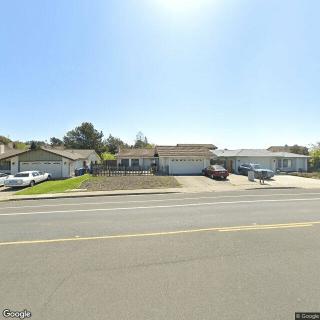


 Beyond the Bingo Hall: 50+ Enriching Activities for Seniors in Assisted Living
 Understanding the Distinctions: Assisted Living and Memory Care Explained
 Guiding Elderly Parents Who Refuse Assisted Living: 6 Practical Steps