
115 Michael Crt., Vallejo, CA 94591
For more information about senior living options: (866) 208-4318
Overall Review of Jt Evergreen Care Home
Pros
 The facility has a great reputation and its staff are exceptional.
- Residents and visitors are greeted with respect and dignity.
- Kam is highly effective with both staff and residents.
- Kam is great with residents and keeps them happy and well-groomed every day.
- The Greenhills team treats residents like family and makes families feel welcome.
- Kam and her staff work miracles and show sincere compassion and love for residents.
- The staff provide round-the-clock care, ensuring residents are well cared for and families feel supported.
- Greenhills feels like Kam’s Place, where families would be proud to entrust their loved ones.
Cons
 The reviewer described the Fairfield facility as an absolute nightmare, likening it to a 15th-century asylum.
- They were scared to place their grandmother in a facility once it exceeded the family's ability to provide care.
- Without Kam, the Greenhills facility would be nothing but dirt and an empty building.
- Before finding Greenhills, the partner had experiences at two other facilities that were far from satisfactory.
Review
Jt Evergreen Care Home in Vallejo is best suited for families seeking an intimate, home-style setting where a single, highly engaged leader shapes daily life and care. The prevailing thread in these reviews is a warm, respectful atmosphere in which residents are treated with real dignity and staff are perceived as part of a caring family. This community feels most authentic when care is personal, with a steady, hands-on presence from leadership that transfers into steady routines, consistent grooming, and visible affection for residents. It is especially appealing for families navigating dementia-related needs who want a small-scale environment where staff know residents well and respond with familiarity and patience.
Those weighing alternatives should consider the realities that matter to many families: larger facilities with formal medical oversight, structured memory-care programming, and broader staff resources. If a resident requires round-the-clock nursing attention from a sizable team, access to on-site physicians, or a calendar of highly organized activities and therapeutic programs, a bigger campus may deliver more of that infrastructure. For families prioritizing formalized policies, standardized care plans across shifts, or a more institutional feel, exploring other options could provide the clarity they seek.
The strongest advocates point to several core advantages. The staff are described as consistently kind, respectful, and attentive, creating an atmosphere where residents look well cared for and well groomed. Kam, the driving force cited in nearly every story, is praised not just for leadership but for working alongside her team every day; this hands-on, visible involvement translates into daily routines that feel tailored, not transactional. Families repeatedly describe the environment as familial, people are treated as part of a larger community, not as anonymous residents in a building. That sense of belonging often reduces anxiety for families during transitions and lends emotional reassurance that loved ones are cherished.
This leadership dynamic also carries a notable but understated risk: the community’s quality hinges on Kam’s continued presence and energy. The nearly unanimous praise centers on her ability to galvanize staff and cultivate trust with families; without that central figure, the tone could shift. However, the reviews emphasize years of stable leadership, with Kam and her team sustaining care over long periods and through difficult moments. The continuity appears to have built a resilient culture where the staff feel supported, residents feel consistently seen, and families feel anchored by a dependable caregiver leadership.
End-of-life care experiences, dementia-friendly attention, and the general atmosphere emerge as concrete outcomes of the model described. Families recount compassionate, around-the-clock responsiveness, a willingness to accommodate family needs, and a sense that residents are valued as individuals rather than as tasks. The caregiving approach frequently translates into visible courtesy, cheerful interactions, and practical grooming that reinforces the impression of a well-loved home. In moments of family stress, the staff’s involvement, alongside Kam’s steady guidance, helps families feel they are not alone and that the resident’s dignity remains the top priority.
For families deciding where to place a loved one, the takeaway is practical and clear. If a warm, intimate setting where care feels personal, personalized, and driven by a passionate, hands-on leader aligns with the family’s priorities, this community stands out as a top option. It delivers meaningful peace of mind through everyday kindness, steady routines, and a culture that treats residents and their families as extended members of a family. If the goal is robust medical infrastructure, a larger campus, or highly standardized programming across multiple shifts, alternatives should be compared to ensure those needs are met with equal confidence.
 6 resident community capacity
 Assisted Living
 Board and Care Home
 Cable or satellite TV
 Dining room
 Fully furnished
 Garden
 Housekeeping services
 Move-in coordination
 Outdoor space
 Telephone
 Wi-Fi/high-speed internet available
 24-hour supervision
 Activities of daily living assistance
 Assistance with bathing
 Assistance with dressing
 Assistance with transfers
 Diabetes diet
 Meal preparation and service
 Medication management
 Special dietary restrictions
 Transportation arrangement (medical)
 Transportation to doctors appointments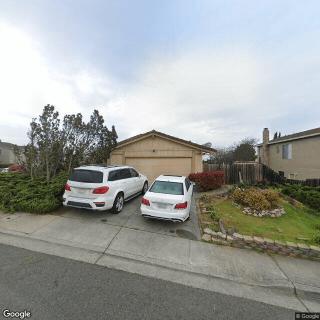


 Securing Financial Support for Assisted Living: A Comprehensive Overview
 Social Security Benefits and Assisted Living: Navigating Options Across the U.S.
 An Extensive Exploration of the VA Aid and Attendance Benefit