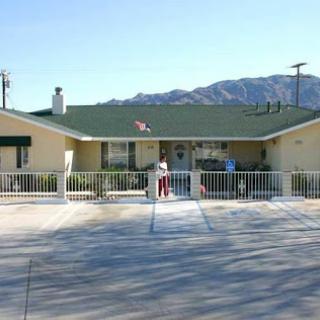
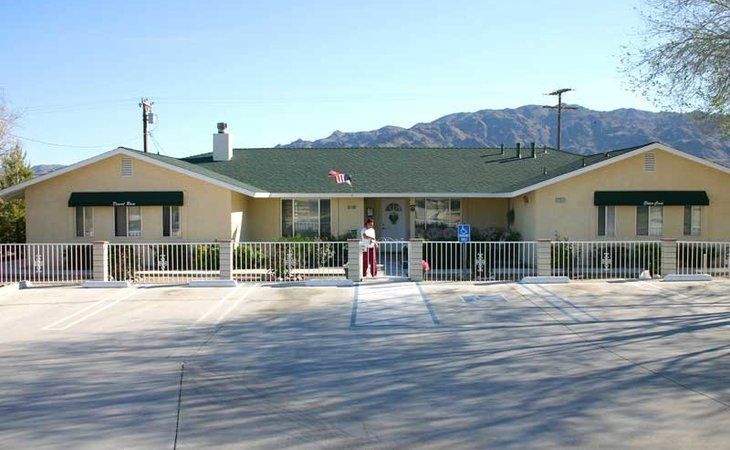
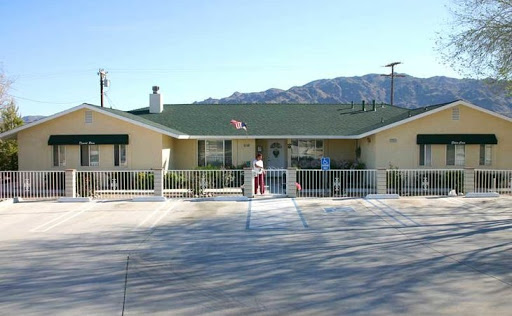
73511 Sunnyvale Drive, Twentynine Palms, CA 92277
For more information about senior living options: (866) 208-4318
Desert Rose Elder Care Costs & Pricing
Desert Rose Elder Care offers competitive pricing for its residents, particularly evident in its semi-private room option at $2,200 per month. This cost not only stands out favorably when compared to the average rates in San Bernardino County, which are approximately $2,958, but also in the broader context of California's senior care landscape, where the average monthly cost climbs to around $3,333. By providing quality care at a more accessible price point, Desert Rose Elder Care positions itself as a compelling choice for families seeking affordable yet supportive living arrangements for their loved ones.
| Floor plans | Desert Rose Elder Care | San Bernardino County | California |
|---|---|---|---|
| Semi-Private | $2,200 | $2,958 | $3,333 |
Assisted Living communities with a similar price nearby
-
from +$350 / mo
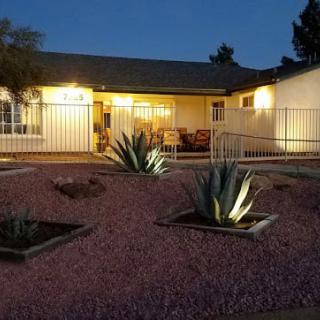
Angelic Mansions Assisted Living
$2,550 to $4,795 / month19.9 miles away -
from -$400 / mo

Braswell's Santa Fe Assisted Living
$1,800 to $4,200 / month22.8 miles away -
from -$100 / mo
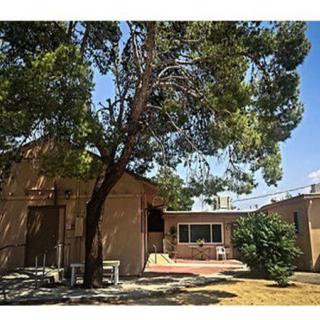
Crystal Care Villa
$2,100 to $2,600 / month14.6 miles away
Overall Review of Desert Rose Elder Care
Pros
 The staff, including the owner, are deeply dedicated to the residents and their care.
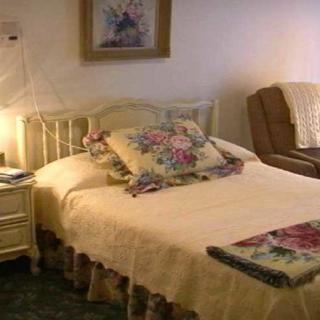
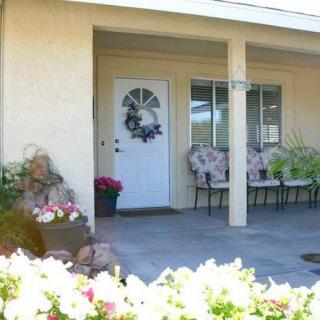
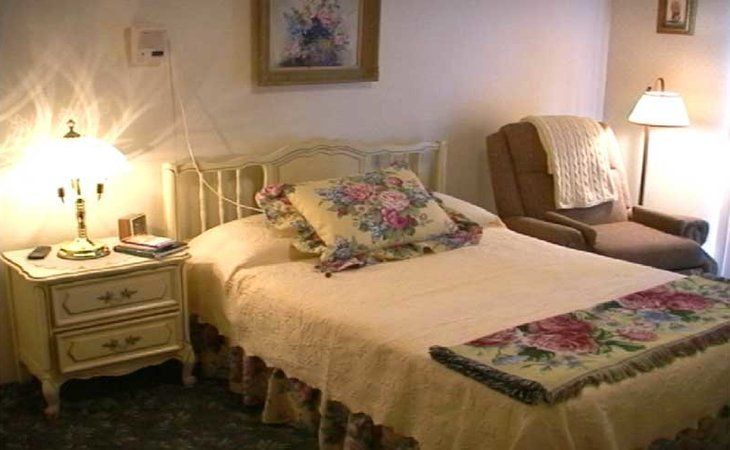
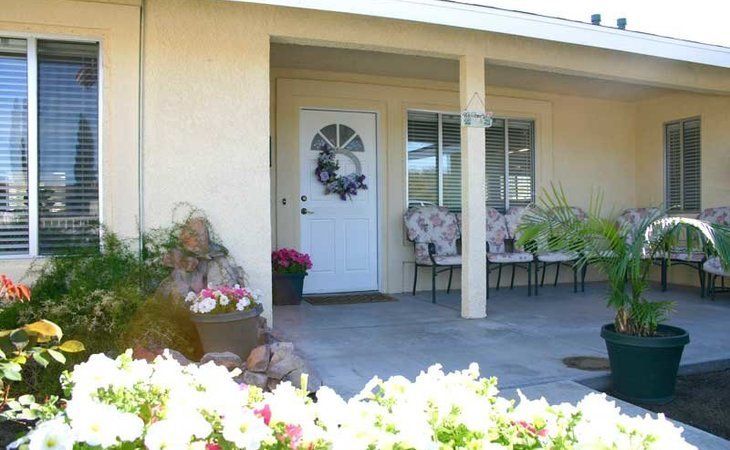
- Desert Rose is welcoming, homey, and well kept.
- The staff are friendly, caring, and loving toward residents.
- Residents seem to love the place and have many activity options during the day.
- The care team is incredibly caring and shows great respect for residents.
- The kitchen prepares meals from scratch in a small facility.
- It is a small, intimate setting with a garden and an enclosed patio for outdoor time.
Cons
 The reviewer notes a second instance of staff smoking on the property, suggesting incompetence or stupidity.
- When confronted, the staff allegedly offered half-witted excuses for smoking.
- The reviewer claims the staff told bold-faced lies about their actions.
- They question what the staff might be doing to residents behind closed doors.
Review
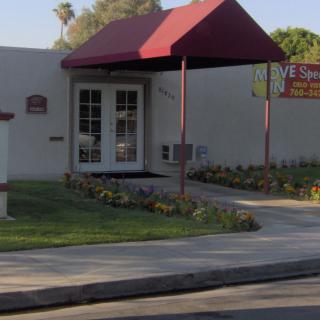
Desert Rose Elder Care in Twentynine Palms is best suited for families seeking a small, home-like setting where the caregiving team delivers intensely personal attention and meaningful memory-care support. The residence operates like a tight-knit, family-driven operation with only about 10 to 12 residents, enabling staff to know each resident’s routines, preferences, and triggers. For a loved one who prizes warmth, consistency, and the feeling of being truly cared for, Desert Rose offers a rare combination of closeness and comfort. It’s the right choice for someone who wants to avoid the impersonal vibe of larger campuses and values daily touches, like home-cooked meals, garden time, and the sense that care is a heartfelt commitment rather than just a job.
Still, families should explicitly consider alternatives if the senior requires a larger community or more robust medical oversight. The intimate footprint means fewer residents and, correspondingly, a more limited slate of activities, social opportunities, and formal supports than bigger assisted-living campuses provide. For those needing comprehensive rehabilitation services, on-site medical specialists, or clearly structured shift schedules with ample backup, another community may fit better. A lingering concern in one review about staff behavior, smoking on the premises, underscores the importance of verifying governance, supervision, and safety policies before committing to Desert Rose.
On the upside, the core strengths are substantial and deeply felt. The caregiving team is consistently described as genuinely caring, respectful, and devoted to residents’ dignity. Cleanliness and well-kept living spaces are repeatedly noted, and the kitchen serves scratch-made meals to a small group with apparent attention to quality. Residents often enjoy a small garden and enclosed outdoor spaces that encourage fresh-air time, which can meaningfully boost mood and engagement. The compact setting also translates into easier, clearer communication with caregivers and a predictable daily rhythm, an important comfort for anyone managing memory loss or routine dependence.
Nonetheless, the smaller footprint brings trade-offs that influence decision-making. Privacy is naturally more limited in a shared, intimate home, and the range of daily activities may not match what a larger community can offer. Staffing in a small house can create variability in who is present with a resident from week to week, which may unsettle families seeking strong continuity. Reports about medication practices, residents being medicated to “keep them down”, and allegations of deceptive explanations regarding on-site smoking point to governance gaps that cannot be ignored. Any care plan should demand transparent medication stewardship and unambiguous, rights-respecting policies.
The positives can outweigh the downsides when policies align with family expectations. The emotional investment by the owner and staff often translates into trustworthy, hands-on daily care, a critical factor in dementia or end-of-life transitions, where stability and comfort matter most. A home environment with visible kindness tends to support better sleep, fewer behavioral escalations, and more individualized attention than larger facilities. Quiet, well-tended outdoor space and the intimate dining setting reinforce a sense of normalcy and dignity, turning daily routines into meaningful, manageable moments for residents and their families.
In the end, Desert Rose Elder Care is a compelling choice for families prioritizing intimate, person-centered care for a loved one, particularly when memory-care needs demand close attention and a nurturing, home-like atmosphere. For those requiring expansive programming, heavier medical oversight, or rigorous governance standards, especially around staff conduct and medication management, alternatives merit serious consideration. The standout features, caring, dedicated staff; a clean, home-like environment; and opportunities for meaningful daily activity, offer genuine value that can justify the trade-offs. Prospective families should visit, meet the caregiving team, review medication policies, and observe daily routines to confirm that the balance of warmth and oversight aligns with the specific care goals.
 20 resident community capacity
 Studio apartments
 Assisted Living
 Board and Care Home
 Activities on-site
 Beauty salon
 Cable or satellite TV
 Devotional services off-site
 Dining room
 Financing advice
 Fully furnished
 Garden
 Guest parking
 Housekeeping services
 Indoor common areas
 Kitchenette
 Laundry
 Move-in coordination
 Outdoor space
 Party space
 Respite or short term stays offered
 Security gate
 Telephone
 Wi-Fi/high-speed internet available
 Transportation & parking
 24-hour call system
 Ambulatory care
 Assistance with bathing
 Assistance with dressing
 Assistance with transfers
 Diabetes diet
 Diabetic care
 Meal preparation and service
 Medication management
 Mental wellness program
 Special dietary restrictions
 Transportation arrangement (medical)
 Arts and crafts
 Book club
 Educational speakers / life long learning
 Games
Games Live musical performances
 English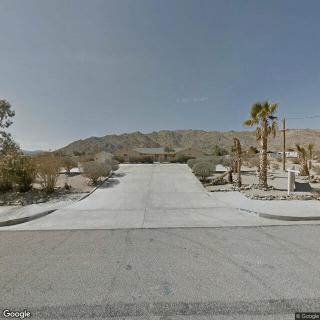



 Exploring the Contrasts Between Assisted Living and Skilled Nursing
 8 Key Indicators That Suggest It May Be Time to Transition from Assisted Living to Skilled Nursing Care
 Vibrant Senior Living: A Comprehensive Guide for Active Older Adults