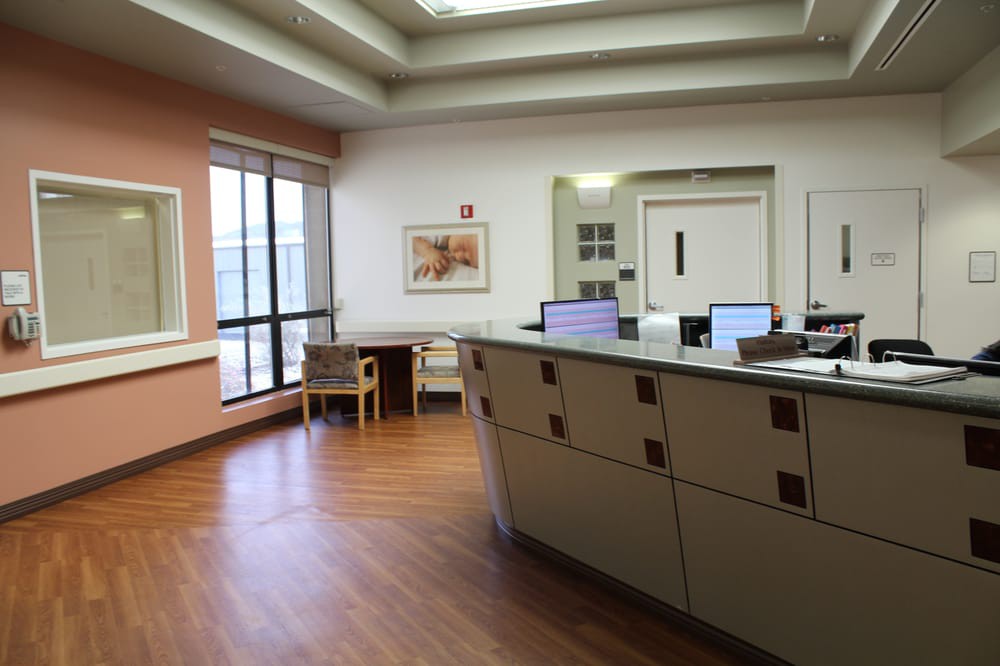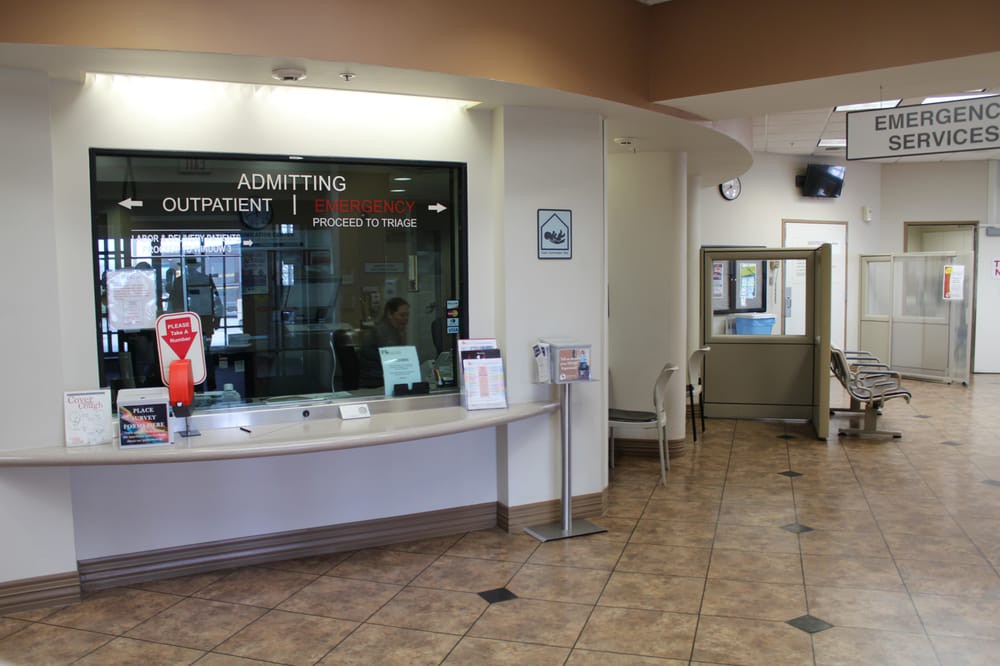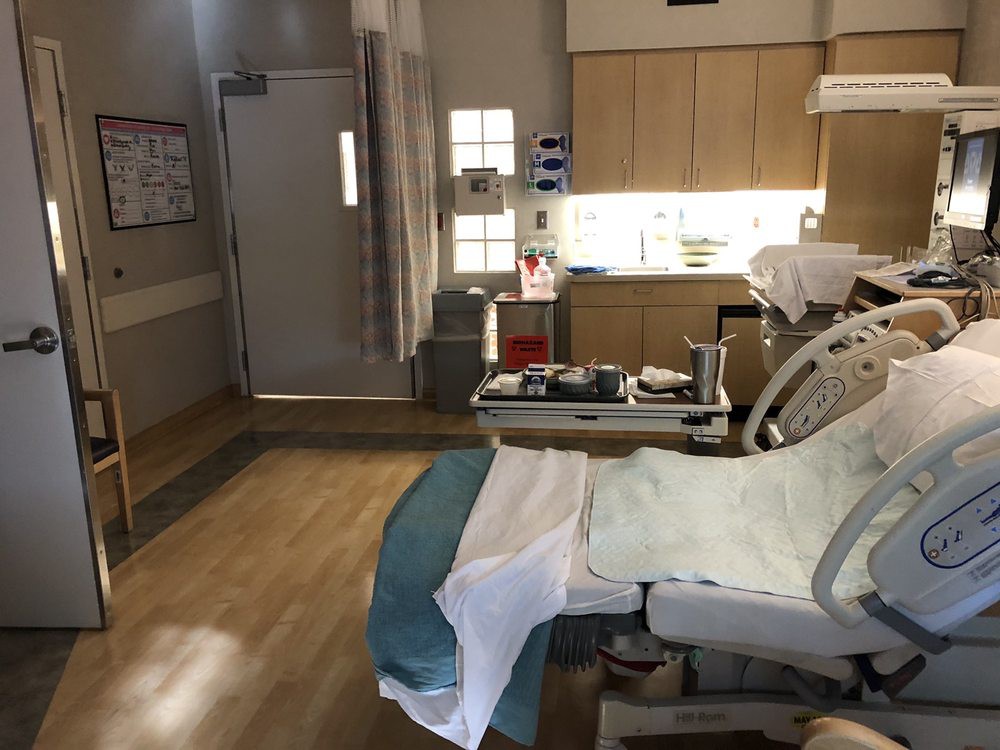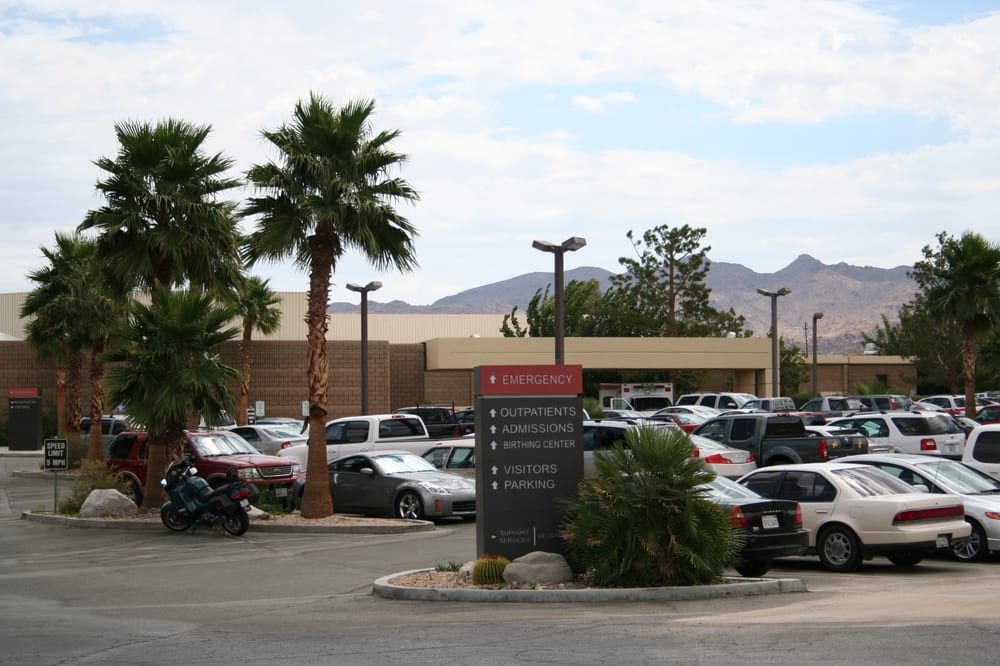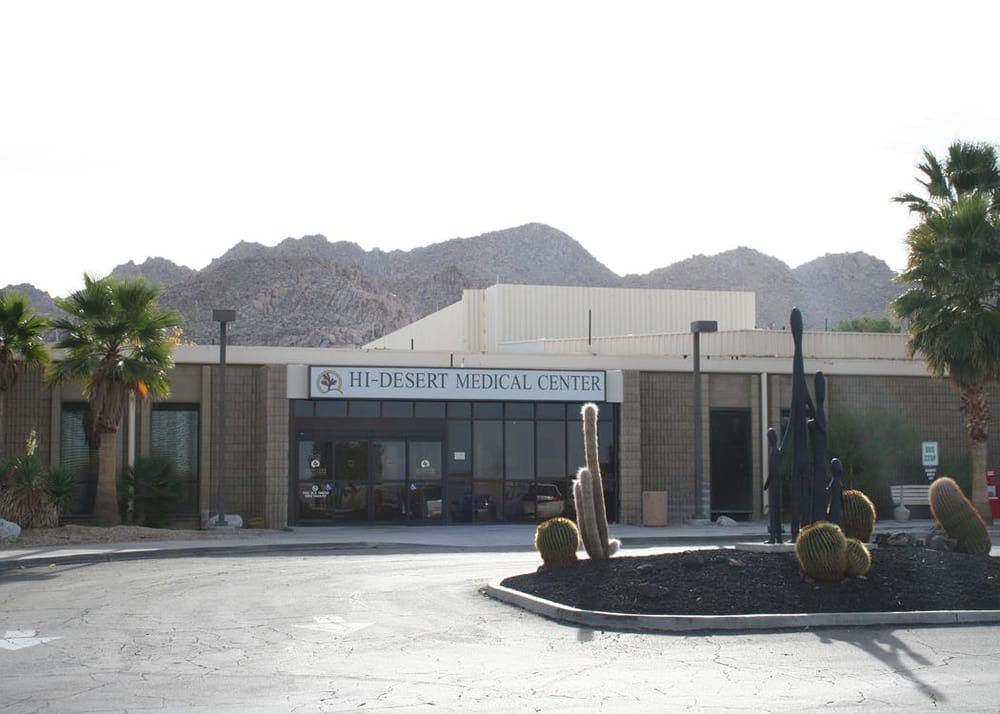


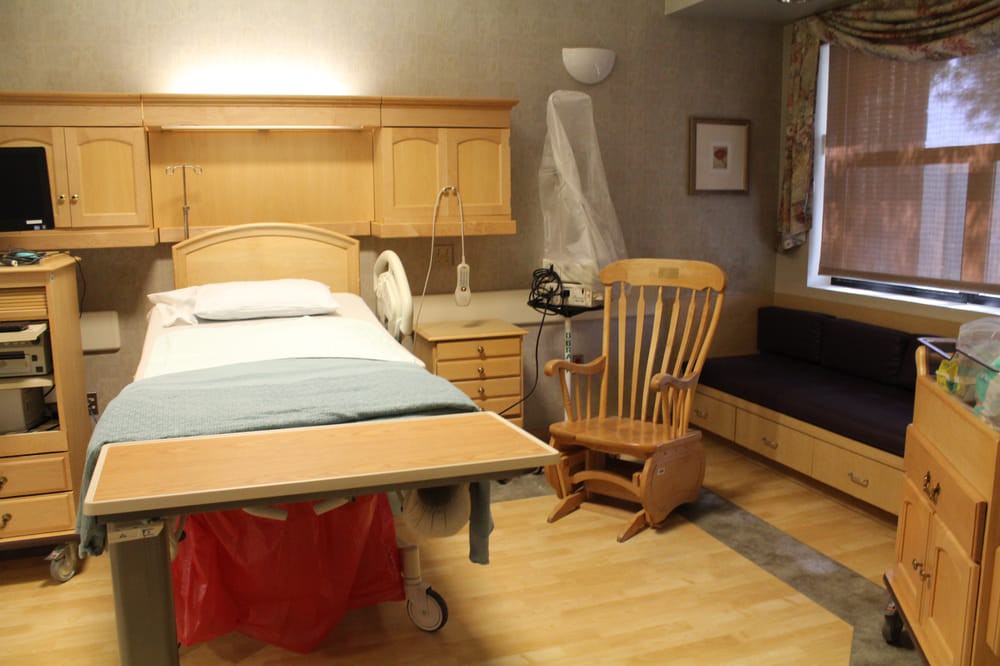

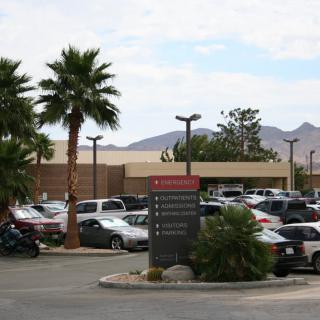

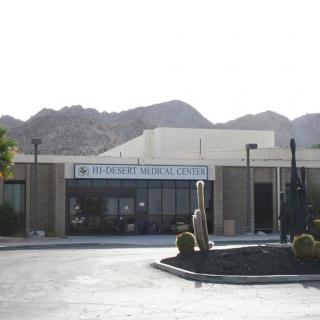
6601 White Feather Road, Joshua Tree, CA 92252
For more information about senior living options: (866) 208-4318
Overall Review of Hi-Desert Medical Center
Pros
 Most staff members were caring and friendly toward residents.
- The facility was consistently clean and well-stocked with supplies.
- The food was excellent.
- The activities provided kept residents in a good mood.
- The overall experience was fun and uplifting.
- The reviewer felt proud to have trained there and would be glad to return if possible.
Cons
 They observed that many employees ignored the call lights when they went off.
- They heard an employee say residents were just wanting to complain and that it wasn’t important.
- They worried that paying for a facility would result in being treated poorly.
- They felt distressed, nearly crying, thinking about their family member receiving such treatment.
Review
Hi-Desert Medical Center in Joshua Tree is best suited for seniors who want a lively, well-equipped daily life anchored by solid amenities, good nutrition, and a steady stream of activities. The setting benefits residents who value a hospital-adjacent environment where cleanliness and orderly spaces are the norm, and where meals and social programming can anchor everyday routines. The overall tone from staff is caring, and the atmosphere is uplifting enough to foster a sense of belonging even for new arrivals. For families seeking reliable daily comfort in a community with predictable routines and accessible services, this facility checks many practical boxes. It is a practical home base for residents who prioritize nourishment, engagement, and a positive mood over a boutique, ultra-quiet atmosphere.
However, the profile is not a perfect fit for every senior. Those who require consistently immediate response to every call for assistance should consider alternatives with documented, unwavering call-light responsiveness and a culture of proactive resident advocacy. A single negative experience can weigh heavily when rapid help is non-negotiable for safety or health reasons. Families who cannot tolerate even occasional wording or attitudes that imply complaints are not important will want to review other options where frontline staff are uniformly reinforced to treat every call as a priority. In short, this community favors a balanced approach to care, not an uncompromising standard of instant intervention.
The most compelling positives center on daily life: amenities remain well stocked, common areas stay clean, and the dining experience stands out as a real strength. The food is repeatedly described as excellent, and the maintenance of supplies reduces practical stress for residents and families alike. Equally important are the activities, which are effective at sustaining a buoyant mood and a sense of purpose. When these elements align, they carry significant weight, offsetting concerns about occasional delays in assistance and providing a meaningful quality of life that can make the difference between a comfortable stay and a genuinely enjoyable one. For residents who crave sociability and dependable routines, these advantages often eclipse minor service lapses.
The caveat lies in the human element: a finding about staff behavior raises a red flag. An individual caregiver’s dismissive attitude toward call lights, paired with a suggestion that residents’ complaints are mere nuisances, speaks to a culture where responsiveness can be uneven. Even if most employees are kind and capable, such impressions can erode trust and put families on edge. This is not merely a morale issue; it implicates safety and peace of mind for residents who rely on timely assistance. Prospective residents should probe management about staffing consistency, accountability, and the escalation mechanisms in place when concerns arise, and demand transparent responses to any prior incidents.
Decision-making should foreground concrete staffing metrics and resident experience. During visits, request to observe a shift in progress to gauge response times and caregiver engagement, and speak with front-line staff about typical workloads and interruptions. Seek clarity on the resident-to-staff ratio, the process for reporting and resolving concerns, and the frequency of supervisory rounds. Review sample menus and activity calendars to confirm that what works in practice mirrors what is promised. Finally, compare this community with others in the region on these criteria, including whether hospital-backed oversight translates into visible, reliable care continuity. A fair assessment will hinge on measurable responsiveness as much as on warmth and program quality.
Overall, this Hi-Desert option offers a practical, appealing environment for seniors who prize robust amenities, strong meals, and lively programming, wrapped in a generally caring staff culture. The standout benefit is the tangible daily quality of life, comfort, nutrition, and engagement, that can make the difference between contentment and a more demanding living arrangement. Yet the potential for inconsistent call-light responsiveness cannot be ignored and should guide real-world decision-making. If prompt assistance and a uniformly respectful treatment of resident concerns are non-negotiable, it is prudent to explore alternatives with clearer commitments on staffing and accountability, while using this community as a benchmark for what truly solid daily living looks like in a hospital-affiliated setting.
 120 resident community capacity
 Skilled Nursing Facility
 Air-conditioning
 Beauty salon
 Cable or satellite TV
 Computer center
 Dining room
 Fitness room
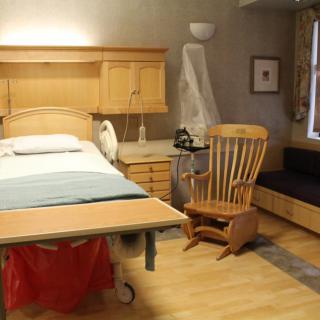
 Fully furnished
 Gaming room
 Garden
 Housekeeping services
 Kitchenette
 Move-in coordination
 Outdoor space
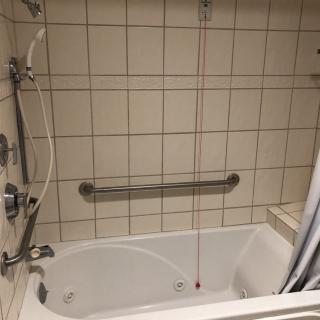
 Private bathrooms
 Restaurant-style dining
 Small library
 Telephone
 Wellness center
 Wi-Fi/high-speed internet available
 Palm Springs International (25 miles away)
 Community operated transportation
 12-16 hour nursing
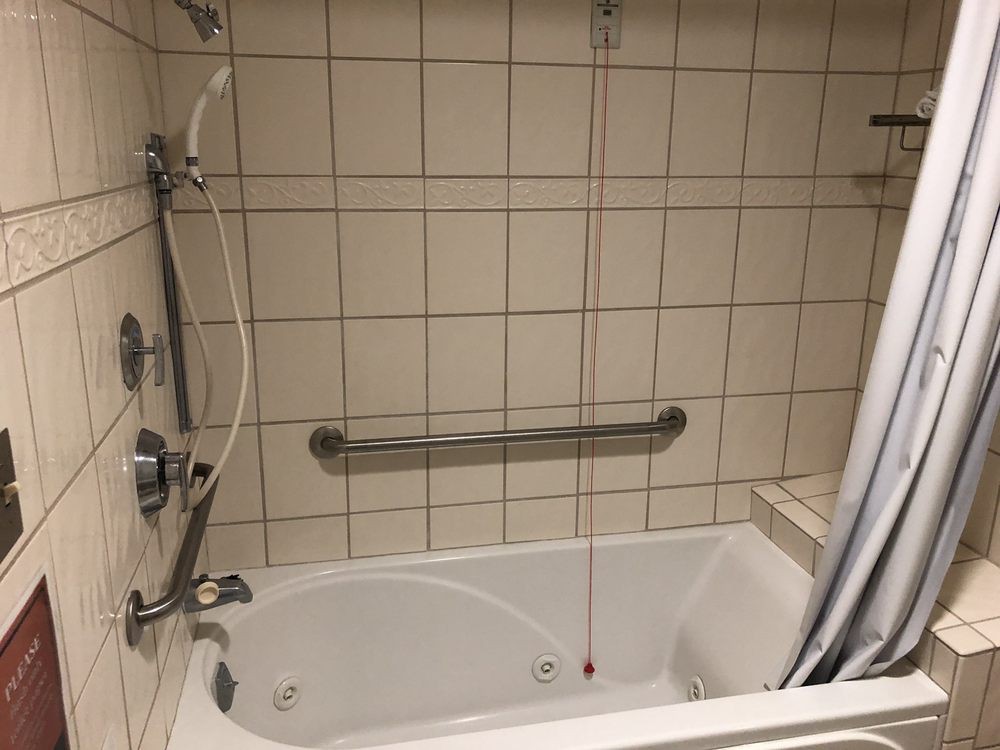
 24-hour call system
 Activities of daily living assistance
 Assistance with bathing
 Assistance with dressing
 Assistance with transfers
 Diabetes diet
 Medication management
 Mental wellness program
 Special dietary restrictions
 Concierge services
 Planned day trips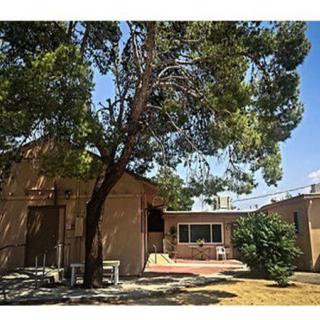




 Urinary Tract Infections in Older Adults: Comprehensive Insights on Symptoms, Treatment, and Prevention
 California's Form 602A: An In-Depth Examination of Senior Care Assessment
 Comprehensive Look at Senior Blood Pressure Charts: Normal and Elevated Levels by Age