

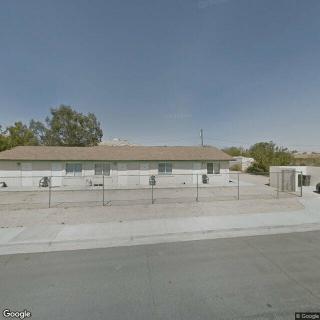
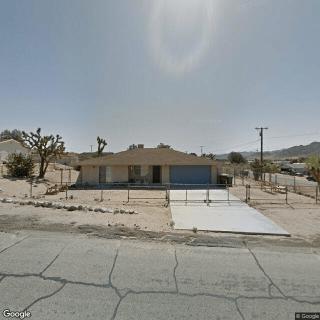
73173 Sullivan Rd., Twentynine Palms, CA 92277
To contact a resident: (760) 367-1136
For more information about senior living options: (866) 208-4318
Overall Review of Carehaven Board and Care
Pros
 The staff, including the owner, are dedicated to residents and their care.
- The facility makes the residents feel loved and well cared for.
- Desert Rose provided comfort for the family and helped them sleep better at night.
- The facility is clean and very well kept.
- The staff are friendly and loving towards residents.
- Residents seem to love the facility and have a lot of activity options during the day.
- The staff are incredibly caring and show the utmost respect for their patients.
Cons
 The mother suffered from the ravages of Alzheimer's.
 - The reviewer regrets not moving her mother here sooner from the previous facility.
- The staff are described as incompetent or plain stupid for smoking on the property.
- The reviewer asserts that the staff lied about smoking and wonders what they might be doing to residents behind closed doors.
Review
Carehaven Board and Care in Twentynine Palms is best suited for families seeking a small, home‑like environment where staff treat residents with deep warmth and personal attention. This community earns its strength from hands‑on care and visible owner involvement, creating a sense that the resident is genuinely a part of a caring family. It is especially attractive for seniors facing memory challenges who benefit from consistent, affectionate caregiving and a calm daily rhythm rather than a bustling, clinical setting. For families prioritizing a warm, intimate atmosphere over formal clinical programs, this option can feel very right.
However, those weighing alternatives should consider several realities. First, this is not a large, hospital‑style facility with broad clinical services or specialized memory‑care wings. Families seeking aggressive medical oversight, structured physician access on site, or an extensive activities calendar may find the capacity here lacking. Second, proximity to an on‑site policy with strict adherence matters; for residents highly sensitive to smoke or who require airtight safety protocols, the environment may feel uneven unless staffing and oversight are consistently reliable. In short, the strongest fit is for residents who value relationship‑driven care and a comforting, small‑scale setting over procedural polish or high‑drive programming.
The most convincing positives center on the care culture. Reviews repeatedly highlight devoted staff and a humane, loving approach that makes residents feel valued and cherished. The owner’s direct involvement and the sentiment that residents are “loved” in this home-like setting emerge as core strengths, translating into better daily morale and emotional well‑being for many residents. Cleanliness and upkeep are also noted as solid strengths, with a well‑kept environment that aligns with families’ expectations for dignity and respect. And when residents can participate in meaningful daily activities, that engagement reinforces a sense of normalcy and purpose, which is a meaningful win in a setting where quality of life matters as much as safety.
Yet the cons cannot be dismissed. A recurring concern centers on smoking on the property. At least one reviewer describes a pattern of staff smoking on site, with dismissive explanations offered when addressed. That kind of behavior raises legitimate questions about safety, second‑hand exposure, and the consistency of the facility’s resident‑protection standards. Combined with a note that attempts to address issues were not always convincing, this creates a credibility gap that families should probe further. In a setting serving elders, especially those with cognitive or sensory vulnerabilities, any lapse around staff conduct and policy compliance can undermine trust and perceived safety.
The key question becomes whether the warmth and attentiveness offset these risks. For families prioritizing deep emotional bonds, consistent caregiver presence, and a sense of “home,” the pros can indeed offset the cons, provided the resident is not unusually sensitive to smoke, and the family is comfortable with the degree of supervision and oversight that accompanies a smaller board‑and‑care model. If a resident requires stringent, formalized safety protocols, or if staff conduct concerns persist, the cons may overshadow the strengths, making alternatives with stronger governance, stricter smoking policies, and more predictable staffing a better long‑term fit.
Actionable steps for families considering Carehaven include arranging multiple in‑person tours with direct conversations about policy enforcement, staffing ratios, and what happens when concerns arise. Ask for recent incident reports, clarifications on the smoking policy, and opportunities to meet front‑line caregivers who would be assigned to the resident. Inquire about medical oversight arrangements, access to physician visits, and what daily programming looks like across a typical week. Finally, compare with nearby options that offer more formal dementia care services and clearer safety guarantees to ensure the chosen path aligns with the resident’s medical needs and family expectations.
 Board and Care Home





 Understanding the Nuances of Palliative Care and Hospice: A Comprehensive Exploration
 Fecal Incontinence in Older Adults: A Comprehensive Guide
 Nurturing Well-Being Through Gardening: A Detailed Guide for Senior Enthusiasts