
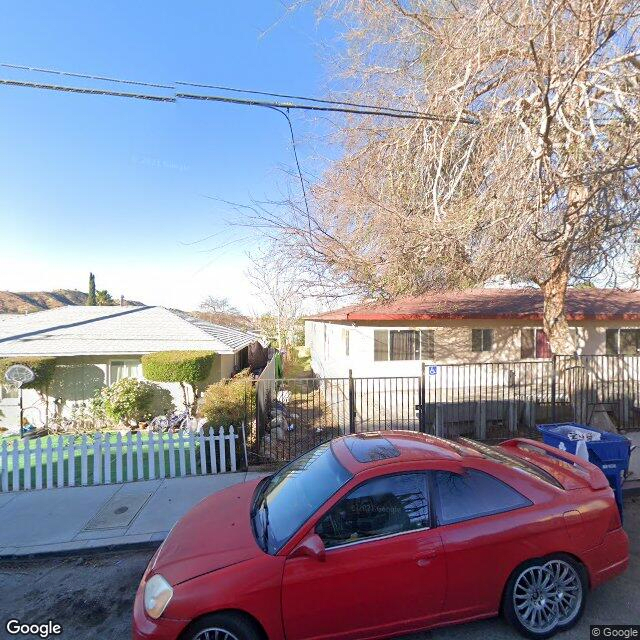
10159 Hillhaven Ave, Tujunga, CA 91042
To contact a resident: (818) 523-0740
For more information about senior living options: (866) 208-4318
Golden Hills Retirement Center Costs & Pricing
Golden Hills Retirement Center offers competitive pricing for its residents, particularly when compared to the broader market in Los Angeles County and California. For a semi-private room, Golden Hills charges $2,000 per month, significantly lower than the county average of $3,349 and the state average of $3,333. This substantial difference highlights Golden Hills' commitment to providing affordable living options for seniors. Meanwhile, for those seeking more privacy in a studio setting, the monthly rate is set at $5,000. While this price exceeds both the county's average of $4,172 and the state's average of $4,145, it reflects the center's dedication to quality services and amenities that foster a supportive community atmosphere. Overall, Golden Hills Retirement Center positions itself as an appealing choice for cost-conscious families looking for reliable care without compromising on quality.
| Floor plans | Golden Hills Retirement Center | Los Angeles County | California |
|---|---|---|---|
| Semi-Private | $2,000 | $3,349 | $3,333 |
| Studio | $5,000 | $4,172 | $4,145 |
Assisted Living communities with a similar price nearby
-
from +$200 / mo
Precious Someone Homecare
$2,200 to $3,300 / month19.2 miles away -
from -$200 / mo
Gracie's Residential Care
$1,800 to $2,500 / month19.0 miles away -
About the same
Primrose 2
$2,000 to $2,500 / month17.2 miles away -
About the same
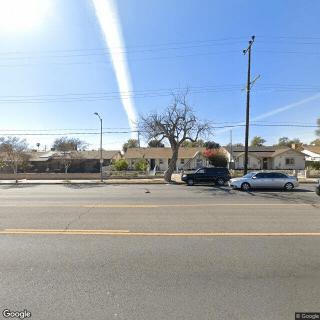
Primrose
$2,000 to $2,500 / month17.2 miles away -
from +$150 / mo
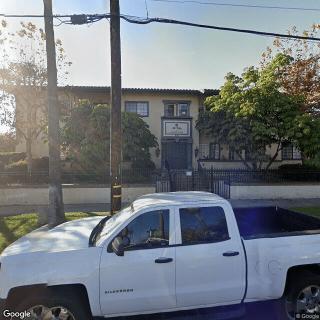
The Villas by Regency
$2,150 to $3,300 / month11.3 miles away
Overall Review of Golden Hills Retirement Center
Pros
 Administrators were polite and listened well.
- Many nice cleaning and kitchen folks during the week – helpful.
- All the staff members who work like its a labor of love to take care of our loved ones.
Cons
 The staff claimed they didn’t have the statue, but months later it was found shattered with no explanation.
 - The statue was left in pieces, and the lack of explanation felt deliberate and slimy.
- The facility is described as outdated.
- The administrators were polite, but the execution of ideas or items offered was not thorough.
- The evening staff were less helpful, with at least one nurse displaying attitude and ignoring a patient in distress.
Review
Golden Hills Retirement Center in Tujunga is best suited for seniors who want a homelike, older-architecture setting and are comfortable driving a good portion of their care through active family involvement. The community carries historical charm that can feel cozy and familiar, appealing to residents who do not need heavy medical oversight but still require some assisted living support. Families that value direct access to staff during the day and a smaller-scale environment will find this option workable. Personalization matters here: residents can rearrange or supplement the room with familiar items to create a comforting space. Those who don’t need glossy modern amenities will find the pace and texture of this place appropriate, though it demands hands-on collaboration from families.
For anyone considering alternatives, the clearest signal is a need for more robust medical oversight or a more modern, purpose-built facility. If a resident’s care plan hinges on consistent nursing attention, rapid problem resolution, or highly controlled routines, other communities with stronger clinical staffing and systematic follow-through should be prioritized. Families who require reliable, turnkey services without frequent reminders to staff or administrators will likely feel better elsewhere. The same applies to those who expect flawless accountability when sensitive personal belongings go missing or are damaged, larger operators with formal incident reporting and transparent remediation may reduce this kind of risk.
The strongest positives here, the courteous, responsive tone of many administrators and front-line staff, plus the ability to implement personalization, do not fully compensate for recurring gaps in execution. Daytime cleaning and kitchen help are often described as helpful and pleasant, and some staff members listen well to families’ ideas. Yet the occasional lapse in follow-through, especially around arranging services or following up on requests, can leave families frustrated. An especially troubling incident around a missing, damaged personal item underscores the risk of a trust breakdown if accountability isn’t consistently demonstrated. The result is a facility that can feel warm and well-intentioned, but requires ongoing, proactive management by families.
Operationally, the facility’s older building and dated physical plant are a mixed bag. The charm and character can be a draw for residents who want simplicity and a sense of history; the trade-off is that some spaces feel worn, require ongoing maintenance, and demand flexibility from residents and families who want to adapt the environment. Families can compensate by bringing in personal belongings, labeling items, and maintaining a clear inventory. However, this shifts some responsibility onto relatives and guardians, rather than onto a fully reliable in-house process. The quintessential question becomes whether a resident’s comfort and emotional well-being can be sustained in a setting where the physical space may not keep pace with modern expectations.
Financial and long-term care decisions hinge on ongoing family engagement. The reviews suggest notable benefits when someone is available to supervise care plans, coordinate with insurance, and ensure that day-to-day operations stay aligned with a resident’s needs. The need to stay actively involved can be a strength for families who want control and clarity, but it is a constraint for those seeking a more autonomous, hands-off experience. Prospective residents should plan for regular visits, direct conversations with administrators about problem-solving methodologies, and a clear understanding of what is included in weekly staffing , versus what requires additional family oversight. In short, Golden Hills rewards involvement and discernment, while demanding it as a condition of consistently satisfactory care.
Overall, Golden Hills Retirement Center is a practical fit for families that value a warm, intimate setting and are prepared to be steady partners in care. It is less suited for those who need high-level medical management, a pristine modern environment, or a system with near-perfect operational reliability. The best approach is to visit multiple times, speak candidly with both administration and direct care staff, and probe how service requests are tracked and resolved. If reliability comes first and a newer building is non-negotiable, exploring alternatives with stronger clinical staffing and formal accountability will be prudent. For others, the combination of personalizable space, genuine staff warmth, and a quieter, smaller-community atmosphere can be a meaningful, workable choice.
 60 resident community capacity
 Assisted Living
 Activities on-site
 Air-conditioning
 Beauty salon
 Cable or satellite TV
 Computer center
 Devotional services off-site
 Dining room
 Fitness room
 Fully furnished
 Gaming room
 Garden
 Housekeeping services
 Indoor common areas
 Kitchenette
 Move-in coordination
 Outdoor space
 Private bathrooms
 Restaurant-style dining
 Small library
 Telephone
 Wellness center
 Wi-Fi/high-speed internet available
 Burbank-Glendale-Pasadena (5 miles away)
 Community operated transportation
 12-16 hour nursing
 24-hour call system
 Ambulatory care
 Assistance with bathing
 Assistance with dressing
 Assistance with transfers
 Diabetes diet
 Diabetic care
 Medication management
 Mental wellness program
 Special dietary restrictions
 Concierge services
 Planned day trips



 An Extensive Exploration of the VA Aid and Attendance Benefit
 Senior Transition Services: Understanding Their Role, Cost, and Importance
 Exploring the Path to Senior Living: A Comprehensive Look at Independent Living and Assisted Living