
7634 Wyngate Street, Tujunga, CA 91042
For more information about senior living options: (866) 208-4318
Overall Review of La Crescenta Chateau
Pros
 The facility was clean.
- The staff is very pleasant to work with.
- It is better than the first place that she was in before this one.
- She seems to like this place and she seems happier here as well.
- She is doing arts and crafts and she is making things.
- She is staying put.
Cons
 They had to share a room because the private room was outrageous.
- The driver abandoned the sister in her wheelchair on the side of the street over $2.75.
- That abandonment was inhumane and unforgivable.
- The sister was terrified, alone, in pain and vulnerable.
- La Crescenta Chateau’s rooms seemed crowded and the facility appeared understaffed.
- It was hard to reach staff on the phone; the front desk was not always covered.
- The previous facility caused her to get lost several times, suggesting it was unsafe or undesirable.
Review
La Crescenta Chateau is best suited for seniors who can accept a shared-room setup, a lean staffing footprint, and a homey, activity-minded environment over guaranteed privacy or round-the-clock oversight. It works for families willing to navigate occasional phone unavailability and transportation quirks, and for residents who value a clean facility with decent dining and a social rhythm, arts and crafts, light activities, and a generally pleasant staff tone that makes daily interactions workable. This is not a high-acuity, medical-forward option; it angles toward independent or lightly challenged seniors who still want some social engagement and a modest, affordable living arrangement.
Those who should consider alternatives are clear: individuals who require guaranteed private accommodations, robust around-the-clock caregiving, or highly responsive, consistently available management. Families with residents who have high fall risks, wandering tendencies, or significant cognitive impairment may find La Crescenta Chateau falls short on the level of supervision needed. Transportation logistics and front-desk coverage also pose red flags for those prioritizing seamless, predictable service. The hard truth is that a serious safety incident involving a driver underscored that even routine errands can become exposure points when staff coverage is inconsistent.
The strongest positives here are tangible and real: the facility remains clean, and overall dining is acceptable to residents or their families. Shared rooms, while not ideal, do reduce cost, and some residents respond well to the social environment, arts and crafts offerings exist, and one resident described noticeable cognitive and functional improvement after a period of stay. Staff friendliness is repeatedly highlighted as a genuine asset, contributing to a workable day-to-day atmosphere even when coverage gaps appear. Taken together, these factors create a workable baseline: a respectful, pleasant milieu that can support basic quality-of-life needs, especially when family involvement and careful monitoring are possible.
Yet the cons are not theoretical and they do not easily offset. Persistent understaffing translates into delayed responses, frequent phone-tag, and difficulty getting timely assistance. The most alarming issue cited, a driver abandoning a wheelchair-bound resident over a $2.75 fare, casts a long shadow on safety culture and marketability. Even with good intentions and courteous front-line staff, such incidents reveal systemic vulnerabilities in supervision, transport protocols, and risk management. Crowded rooms compromise privacy and comfort, and the sense that front-desk coverage is uneven can erode confidence, particularly for families trying to coordinate care from outside.
In practical terms for families weighing options, a thorough verification of current staffing levels, shift coverage, and transport procedures is essential. Tour logistics should focus on the specific unit, floor, and room configurations still available, with hard numbers on private-room availability and monthly costs. Ask about how emergencies are escalated, what staffing ratios look like after hours, and what safeguards are in place to prevent transportation mishaps or unattended residents. Speak with current residents and their families about response times, and request a clear, written policy on road-tested safety practices, incident reporting, and remedies if care gaps occur. These conversations will illuminate whether the facility’s warmth and cleanliness can realistically compensate for operational fragility.
Bottom line: La Crescenta Chateau can be a practical stopgap for a relatively independent senior who prioritizes affordability, basic cleanliness, and a friendly staff tone, with enough social activity to keep days engaging. It is not the right fit for someone needing strong, reliable 24/7 supervision, secure private accommodations, or a transport system that never falters. Families should realistically prepare for potential communication delays and must scrutinize staffing and safety practices before making a commitment. If private rooms and high-touch supervision are non-negotiable, alternatives with deeper staffing reserves and more predictable operations are warranted. If pursuing this community, approach it as a first-mile option with vigilant oversight and a clear plan for regular check-ins and contingency care.
 57 resident community capacity
 Assisted Living
 Air-conditioning
 Beauty salon
 Cable or satellite TV
 Computer center
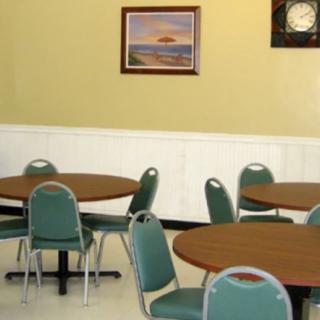
 Dining room
 Fitness room
 Fully furnished
 Gaming room
 Garden
 Housekeeping services
 Kitchenette
 Move-in coordination
 Outdoor space
 Private bathrooms
 Restaurant-style dining
 Small library
 Telephone
 Wellness center
 Wi-Fi/high-speed internet available
 Burbank-Glendale-Pasadena (5 miles away)
 Community operated transportation
 12-16 hour nursing
 24-hour call system
 Activities of daily living assistance
 Assistance with bathing
 Assistance with dressing
 Assistance with transfers
 Diabetes diet
 Medication management
 Mental wellness program
 Special dietary restrictions
 Concierge services
 Planned day trips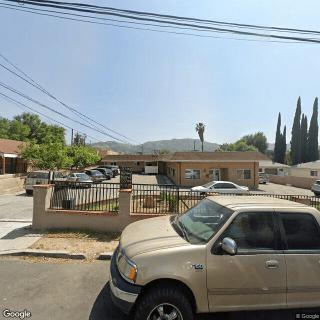




 Comprehensive Insights into Activities of Daily Living (ADLs) and Their Assessment
 Guiding Elderly Parents Who Refuse Assisted Living: 6 Practical Steps
 Your Comprehensive Guide to Luxury Assisted Living: Elevated Facilities, Amenities, and Costs