
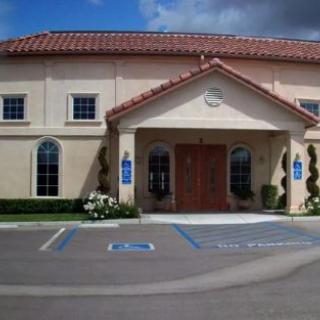
7112 Owens Street, Tujunga, CA 91042
For more information about senior living options: (866) 208-4318
Overall Review of 7 Hills Senior Living
Pros
 The administrators are polite and listen well.
- The general staff includes many nice cleaning and kitchen personnel who are helpful.
- Staff members work like it's a labor of love to take care of residents.
- Holiday events highlight the staff's dedication and care for residents.
- The facility emphasizes treating residents with love.
Cons
 The staff claimed the statue wasn't available, yet months later it was found shattered in pieces with no explanation.
- The facility is described as a little outdated.
- Residents must bring their own items and label everything, which is burdensome.
- Administrators were polite but not thorough in executing ideas or items offered, often requiring reminders or written follow-ups.
- Evening staff were less helpful, including a nurse who showed attitude and ignored them during a medical emergency.
- Navigating insurance is burdensome and requires constant research.
Review
7 Hills Senior Living in Tujunga is best suited for seniors who want a historic, character-forward setting and are comfortable navigating some variability in care and follow-through. It works for families seeking a more affordable assisted-living option where residents can personalize their space and enjoy a sense of community, provided there is tolerance for inconsistent responsiveness from staff and a less polished operations routine. The building’s old-world charm and the ability to bring personal items to create a familiar environment can be a meaningful fit for those who prize belonging and cost control over pristine new amenities.
Those who require highly reliable, modernized care routines or a consistently polished experience should seriously consider alternatives. The combination of an aging infrastructure and uneven execution of ideas means responses can lag, and day-to-day operations don’t always meet expectations. If a resident relies on rapid med-tech intervention, attentive overnight staffing, or tightly managed care coordination, stronger options with more consistently rated staff performance and clearer accountability will reduce friction and anxiety.
On the upside, the strongest positives lie in the human side of the operation. Administrators are polite and willing to listen, and there is a notable cadre of weekday cleaning and kitchen staff who contribute to a respectful, supportive atmosphere. Residents can bring their own furnishings and valuables, with staff willing to help set up spaces, which helps families feel the environment is their own. The presence of regular events and a sense that staff operate with care and affection for residents can be a meaningful comfort for families seeking warmth and personal connection.
But the drawbacks are persistent and consequential. The facility’s age and layout contribute to an outdated feel and ongoing maintenance quirks that families will notice. Execution of ideas and promised enhancements is not always thorough, necessitating reminders or written follow-up to secure results. Evening staff, in particular, can feel less engaged, and there are specific incidents that illustrate the risk: an instance of rude bedside assistance during a medical emergency, and a troubling episode where a staff member mishandled a resident’s personal item and offered little explanation when questioned. Most troubling is the statue incident, where a cherished personal memento was damaged and the explanation afterward was unsatisfying, leaving lasting doubts about accountability and care culture.
These positives only partially offset the main downsides. The day-to-day human touch and openness of administration soften the impact of gaps in facility polish, yet meaningful gaps in reliability and communication remain visible. For families who prize consistent, proactive care and airtight handling of residents’ belongings, the trade-offs here are too significant to ignore. The beauty of the environment and the visible kindness of several staff members cannot fully compensate for the risk of uneven care, delayed follow-through, and a lack of transparent accountability.
In making a decision, families should approach 7 Hills with concrete expectations and a plan to verify them. Schedule direct conversations with administration to map out response times, care coordination, and the process for handling personal belongings. Request a tour of living spaces during different times of day to observe how evening shifts function, and ask for references from families with residents in similar care levels. If pursuing a move, insist on a documented care plan, a clear inventory of items to remain on-site, and a written policy for replacements or explanations when items are damaged. If these assurances cannot be pinned down, or if the resident’s needs demand more consistent, modernized support, it is prudent to compare with alternatives that deliver steadier execution and more current facilities.
 6 resident community capacity
 Assisted Living
 Cable or satellite TV
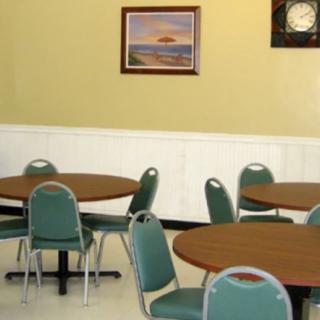
 Dining room
 Fully furnished
 Garden
 Housekeeping services
 Move-in coordination
 Outdoor space
 Small library
 Telephone
 Burbank-Glendale-Pasadena (6 miles away)
 24-hour supervision
 Activities of daily living assistance
 Assistance with bathing
 Assistance with dressing
 Assistance with transfers
 Diabetes diet
 Meal preparation and service
 Medication management
 Special dietary restrictions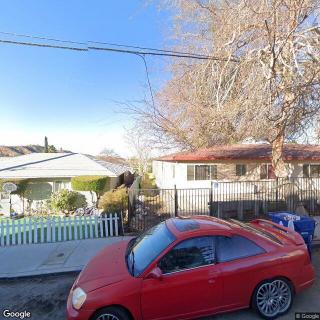



 Medicare Coverage for Assisted Living: An In-Depth Exploration
 Choosing the Right Senior Care: A Detailed Exploration of Assisted Living and Nursing Homes
 Understanding the True Cost of Assisted Living in 2025: A Comprehensive Guide