
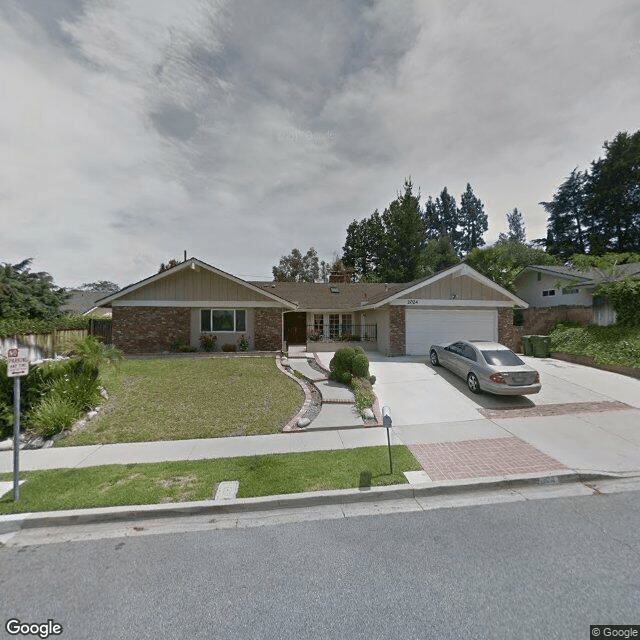
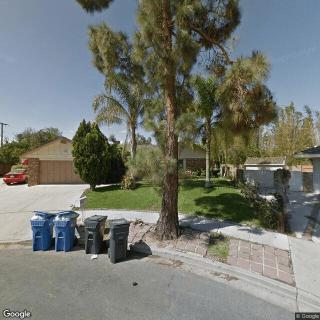
2024 Young Avenue, Thousand Oaks, CA 91360
To contact a resident: (805) 413-2455
For more information about senior living options: (866) 208-4318
Navita Residence Young Ave Costs & Pricing
Navita Residence on Young Avenue offers competitive pricing for its residents compared to the broader market in Ventura County and across California. Specifically, the monthly cost for a semi-private room at Navita is $3,200, which is notably lower than the county average of $3,438 and slightly below the state average of $3,333. For those seeking more privacy, a private room at Navita is priced at $4,000; this reflects a modest difference when juxtaposed with Ventura County's average of $4,082 and California's average of $3,939. Overall, Navita Residence strategically positions itself as an appealing option by providing quality care at rates that can be more attractive to potential residents.
| Floor plans | Navita Residence Young Ave | Ventura County | California |
|---|---|---|---|
| Semi-Private | $3,200 | $3,438 | $3,333 |
| Private | $4,000 | $4,082 | $3,939 |
Senior living communities with a similar price nearby
-
from +$300 / mo
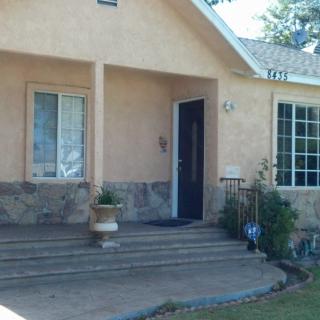
Paradise Senior Living 1
$3,500 to $4,500 / month18.6 miles away -
from -$450 / mo
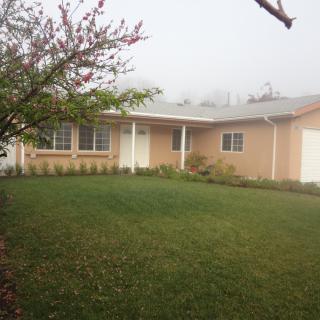
Dignity Care Home 1
$2,750 to $4,150 / month22.5 miles away -
from -$200 / mo
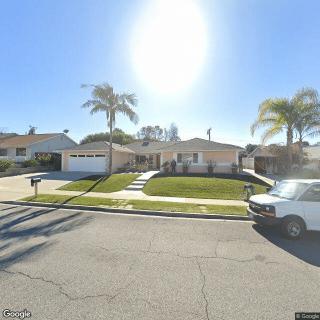
Thousand Oaks Home Care IV
$3,000 to $4,000 / month0.5 miles away -
About the same
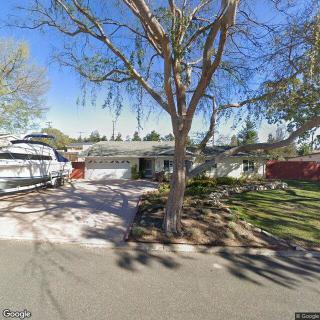
Four Seasons Board & Care Home, Inc.
$3,200 / month1.1 miles away -
from -$200 / mo
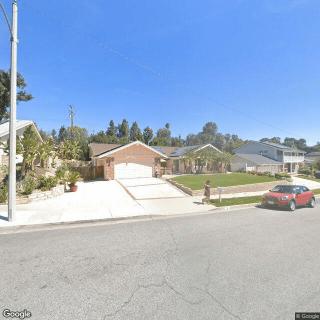
Thousand Oaks Home Care II
$3,000 to $4,000 / month0.4 miles away
Overall Review of Navita Residence Young Ave
Pros
 Navita Residences is a wonderful place for families caring for loved ones.
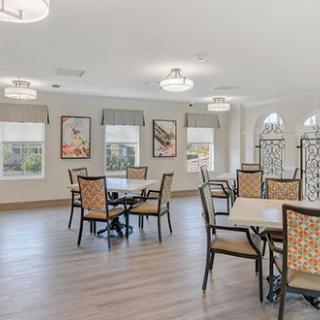
- The home in Thousand Oaks is beautiful and clean.
- The backyard and patio allow for lovely visits outside.
- The caregivers are very good to her and helped with her quick adaptation to the home.
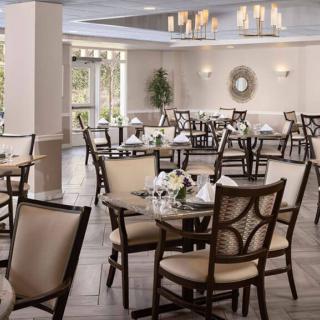
- She enjoys the food.
- The owners are organized, well aware of licensing requirements, and very responsive to texts and phone calls.
- Everyone was very kind.
Cons
 They felt it was too much like a room-and-board setup and wanted an assisted living center instead.
- The staff were intimidating and did not convey warmth.
- The care home does not offer any activities.
Review
Navita Residence Young Ave in Thousand Oaks is best suited for families seeking a small, home‑like assisted living option where personal attention, a clean, pleasant living space, and easy, meaningful visitation are priorities. The setting appeals to seniors who prefer a quiet, residential vibe over a large campus and who value direct access to caregivers, a hospitable house atmosphere, and a straightforward daily routine. It works well for residents who thrive on intimate, family‑style surroundings and who appreciate uncomplicated, comfortable meals and hands‑on care.
Those who may want to consider alternatives include families seeking robust, structured activity programming and a more formal assisted living center feel. For residents needing comprehensive social activities, a wide calendar of on‑site programs, or memory‑care–specific programming, Navita’s model may feel lacking. If a higher level of medical support, specialty care, or a larger staff footprint is essential, a bigger community with a more developed activity department could be a better fit. Also, if warmth and a consistently overt sense of “loving care” are non‑negotiables, a few reviews suggest probing for how staff interact on a daily basis.
The strongest positives center on the environment and the care team. Clean, well-maintained interiors and a welcoming outdoor space, the backyard and patio, facilitate easy, pleasant visits. Caregivers are repeatedly praised for their competence and reliability, contributing to smooth adaptation for new residents and steady daily routines. Food is consistently described as enjoyable with healthy options, and communication is a clear strength, owners are organized, responsive to texts and calls, and attentive to licensing requirements. The combination of a tidy home atmosphere, good meals, and dependable caregiving often translates into meaningful peace of mind for families during transitions and, in some cases, end‑of‑life moments.
On the downside, activity programming is notably sparse. Several reviews note an absence of built‑in activities and structured social opportunities, which can leave residents with fewer daily or weekly engagement options. A sentiment occasionally echoed is that the setting feels more like room‑and‑board than a full‑fledged assisted living center, which can be a mismatch for families seeking a robust, all‑inclusive program. One reviewer also described an intimidating staff dynamic that detracted from a universal sense of warmth, underscoring that personality fit matters as much as caregiving quality in a small, intimate home.
Yet the pros offset the cons for many families who prioritize intimate attention and reliability over breadth of programming. The intimate scale enables personalized check‑ins, prompt responses, and strong family communication, qualities that can be more valuable than a crowded activity calendar for certain seniors. The pleasant environment, dependable care, and dependable meals create a comfortable, predictable daily life that supports continuity of care and easier family involvement. For residents who value quiet dignity, predictable routines, and strong caregiver relationships, Navita’s strengths often meet essential needs even when programming is lighter.
For decision makers evaluating Navita, a decisive approach is recommended. Schedule an in‑person tour focused on caregiver interactions, daily routines, and the atmosphere during visiting hours. Inquire specifically about activity options, off‑site outings, and how programming could be supplemented if desired. Clarify staff turnover, training standards, and how personality fit is managed to prevent moments of perceived intimidation. Compare this option against larger communities with formal activity calendars and additional medical services, especially if higher care needs or a richer social schedule are anticipated. With careful alignment of expectations and a clear plan for engagement, Navita Residence Young Ave can be the right home for families prioritizing comfort, cleanliness, and reliable caregiving in a Thousand Oaks setting.
 Board and Care Home
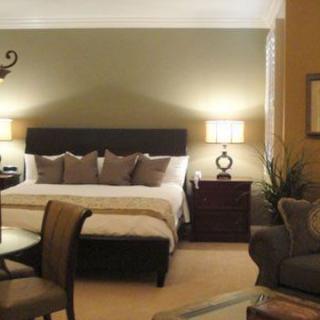
 Private
 Private bathrooms
 Respite or short term stays offered
 Wheelchair accessible showers
 Oxnard (19 miles away)
 Ambulatory care
 Diabetic care
 Incontinence care

 Comprehensive Look at Senior Blood Pressure Charts: Normal and Elevated Levels by Age
 Top Canine Companions for Older Adults
 Comprehensive Guide to Blood Pressure Charts for Older Adults: Understanding Normal and High Readings by Age