
555 Calle Tulipan, Thousand Oaks, CA 91360
For more information about senior living options: (866) 208-4318
Overall Review of Golden Life Assisted Living
Pros
 The place is lovely with caring staff who look after the residents.
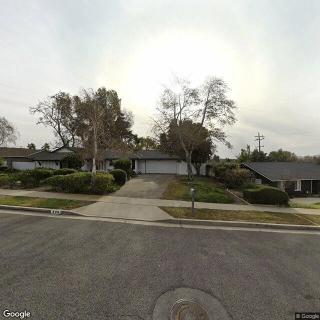
- It feels brand-new, modern and updated.
- The homes and grounds are well cared for, as are the residents.
- The privacy of residents is respected and they are involved in activities.
- It is a relief to have found such a wonderful home when it was needed.
- It is clean and beautiful, just like home.
- The staff greet visitors like family.
- The resident has been there for about a month and is very happy.
- Family members can pop in anytime.
Review
Golden Life Assisted Living in Thousand Oaks is best suited for seniors who want a warm, intimate setting with a modern, well-maintained environment and a staff that treats residents like family. The two reviews sketch a community where privacy is respected and residents are kept engaged rather than shuffled into impersonal routines. The facility presents a brand-new, updated feel, with homes and grounds that are meticulously cared for. Families report that staff make an effort to involve residents in activities and that the environment remains bright and welcoming. The ability for relatives to drop in at any time further reinforces a sense of safety and community, while proximity to parks and outdoor spaces provides opportunities for casual outings and intergenerational moments.
However, consideration should be given to families with higher medical needs or those seeking a long-established, medically robust setting. The reviews do not describe extensive clinical programming, nurse call systems, or memory-care accommodations, which typically accompany larger, more specialized communities. For seniors requiring around-the-clock skilled nursing, complex wound care, or dementia-focused memory care, alternatives with stronger clinical oversight may be preferable. Additionally, families who prioritize a long-standing reputation or a campus with a wider array of on-site services may want to compare neighboring options before committing. In short, Golden Life excels as a home-like sanctuary, but may not be the best fit for those with intensive care requirements.
Still, the strongest pros, modern design, careful upkeep, and a culture of privacy and inclusion, tend to offset most potential drawbacks. A brand-new ambience minimizes maintenance hassles and can reduce the sense of dwelling in a facility; residents respond to the bright, thoughtful layout. The emphasis on privacy means personal routines are respected, while staff actively seeks to involve residents in activities rather than isolating them. Family accessibility is a meaningful plus, reducing anxiety for loved ones and enabling meaningful check-ins. The combination of a clean, cheerful environment with a welcoming staff can significantly improve quality of life for seniors who thrive in social yet low-stress surroundings.
Another standout is the natural social setting suggested by the reviews, the nearby park and the chance for caregivers or family to pop in without formal scheduling, which supports both independence and connection. That flexibility is especially valuable for families juggling work and caregiving duties. The “like family” greeting described by visitors signals a culture of warmth that can make transitions easier for new residents and their families. For decision-makers, these elements are not cosmetic; they translate into daily experiences where residents feel seen, included, and comfortable in their own home-like space. Prospective residents should assess how these social dynamics align with expectations for daily activity levels and peer interactions.
Where concerns might arise, the practical response is to weigh these against the demonstrated strengths. The same warmth and attentiveness that make families feel welcome also imply strong daily supervision that reduces isolation. Yet, the absence of explicit, formalized medical programming in the available narratives suggests a need for careful questions about staff credentials, on-site nursing hours, and care coordination if medical needs increase. For those seeking robust, ongoing clinical oversight or specialized memory-care strategies, an immediate comparison with alternatives is prudent. The positive emphasis on home-like living, personal privacy, and easy access should be balanced with a concrete plan for what happens as care needs evolve.
Decision guidance: Golden Life Assisted Living stands out for families seeking a modern, home-forward atmosphere with excellent interpersonal warmth and easy family involvement. It is a compelling choice for seniors who value privacy, a clean, updated setting, and a community that treats residents with personal attention. However, for households where medical complexity, memory-care needs, or a rigorously documented clinical program are non-negotiable, alternatives with deeper clinical infrastructures should be explored. The recommended next step is a targeted visit: observe interactions between staff and residents, inquire about activity calendars and social offerings, and confirm care capabilities, including nursing coverage, medication management, and changes in care plans. With that due diligence, Golden Life can be positioned as a confident, well-suited option in the Thousand Oaks landscape.
 6 resident community capacity
 Assisted Living
 Board and Care Home
 Cable or satellite TV
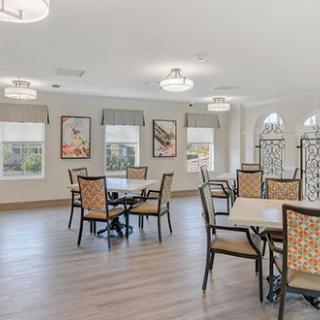
 Dining room
 Fully furnished
 Garden
 Housekeeping services
 Move-in coordination
 Outdoor space
 Telephone
 Wi-Fi/high-speed internet available
 Oxnard (20 miles away)
 24-hour supervision
 Activities of daily living assistance
 Assistance with bathing
 Assistance with dressing
 Assistance with transfers
 Diabetes diet
 Meal preparation and service
 Medication management
 Special dietary restrictions
 Transportation arrangement (medical)
 Transportation to doctors appointments






 Beyond the Bingo Hall: 50+ Enriching Activities for Seniors in Assisted Living
 Understanding the Distinctions: Assisted Living and Memory Care Explained
 Guiding Elderly Parents Who Refuse Assisted Living: 6 Practical Steps