
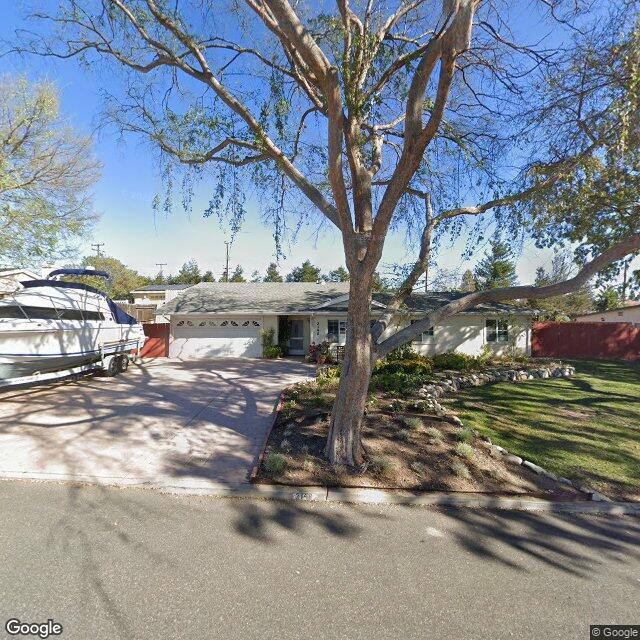
2148 Montgomery Rd, Thousand Oaks, CA 91360
To contact a resident: (805) 497-1947
For more information about senior living options: (866) 208-4318
Four Seasons Board & Care Home, Inc. Costs & Pricing
Four Seasons Board & Care Home, Inc. offers competitive pricing for its private rooms at $3,200 per month, which is notably lower than both the Ventura County average of $4,082 and the state average for California at $3,939. This positions Four Seasons as an appealing option for individuals seeking quality care in a supportive environment while also being mindful of budgetary considerations. The cost-effectiveness of their services may provide additional peace of mind to families looking for reliable care solutions without compromising on quality or comfort.
| Floor plans | Four Seasons Board & Care Home, Inc. | Ventura County | California |
|---|---|---|---|
| Private | $3,200 | $4,082 | $3,939 |
Senior living communities with a similar price nearby
-
from +$300 / mo
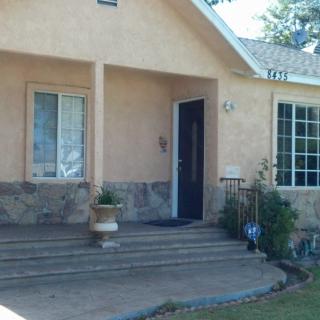
Paradise Senior Living 1
$3,500 to $4,500 / month17.5 miles away -
from -$450 / mo
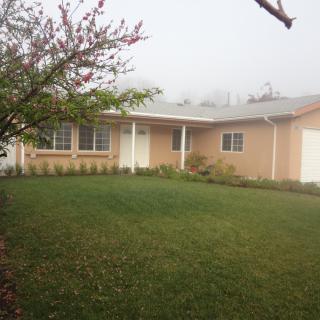
Dignity Care Home 1
$2,750 to $4,150 / month21.4 miles away -
from -$200 / mo
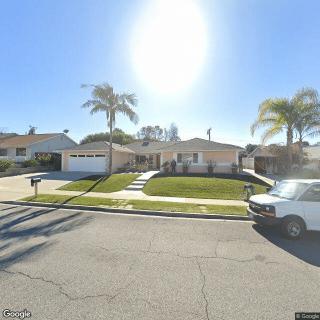
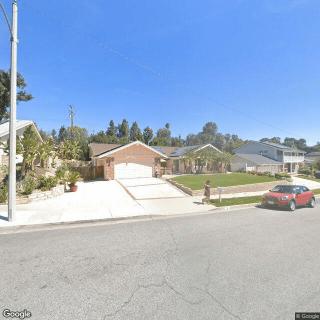
Thousand Oaks Home Care IV
$3,000 to $4,000 / month0.6 miles away -
from -$200 / mo
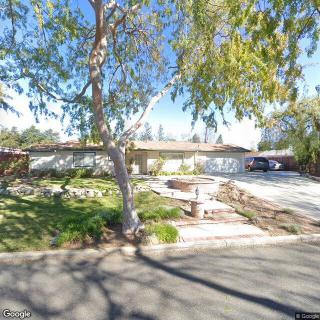
Thousand Oaks Home Care II
$3,000 to $4,000 / month0.7 miles away -
from +$600 / mo
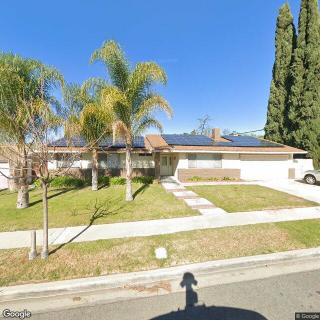
America's Care Manor
$3,800 to $4,000 / month11.2 miles away
Overall Review of Four Seasons Board & Care Home, Inc.
Pros
 The caregivers are incredibly loving and provide fabulous care for residents.
 - The owner goes out of her way to ensure all residents' needs are met.
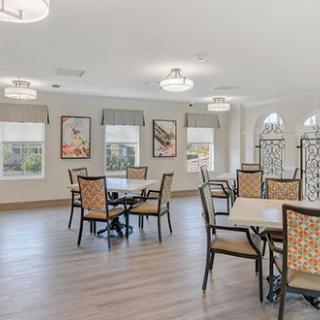
- The homes offer a loving, clean, cozy, and welcoming environment.
- The staff treat residents with dignity, respect, and a family-like approach.
- Raymond and Myra (and Raymund) are exceptional caregivers who are worth their weight in gold.
- The facility is very clean, well maintained, and organized, with attentive staff.
- Families feel supported, informed, and welcomed into the community through celebrations and regular updates.
Review
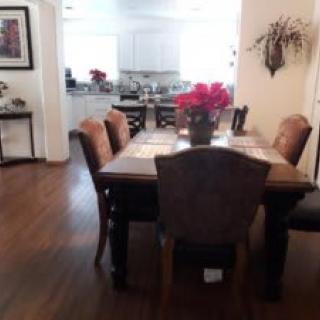
This community is best suited for families seeking a warm, home-like Board & Care setting in Thousand Oaks where residents are treated as family and care is delivered around the clock by a small, cohesive team. It excels for seniors who value personal attention, regular interactions with caregivers who know them by name, and meals shared at a family table. The setting feels intimate rather than institutional, with a strong emphasis on dignity, daily routines, and an atmosphere that supports emotional comfort as much as physical safety. For families prioritizing continuity of care and a sense of belonging over campus amenities, this is a compelling match.
Those who may want to consider alternatives include families whose loved one requires higher medical acuity or dementia-specific programming, or who expect a larger community with more on-site medical services and rehabilitation options. The board-and-care model here naturally centers on attentive caregiving and daily living support rather than hospital-style oversight. If a loved one needs frequent nursing interventions, specialized memory care, or expansive activity programming, a larger licensed facility or memory-care campus could be a better fit. Budget, mobility, and desired level of clinical support are also important lenses for comparison.
The strongest positives are precise and repeatedly demonstrated: consistently loving and capable caregiving, owner involvement, and a remarkably clean, homey environment. Families report 24/7 care that feels proactive rather than reactive, with staff who proactively address daily needs, hygiene, and meals. Residents share meals at a family table, and the kitchen routines are described as nourishing and comforting. The staff’s reliability and the sense that residents are treated with dignity and respect show up in long-term relationships, caregivers like Raymond and Myra are repeatedly praised for their dedication, compassion, and readiness to navigate health issues alongside families.
On the downside, the reviews offer little on potential drawbacks, which means any decision must still account for common board-and-care trade-offs. The intimate, home-based format inherently limits the depth of medical services, rehab options, and memory-care specialization that larger facilities provide. Prospective families should ask about the scope of on-site nursing, physician access, and the availability of specialized memory-care programs if those needs are present. Another caveat is the dependence on a smaller team’s continuity; while turnover appears low in this set of reviews, any change in key caregivers or ownership could alter the warmth and predictability families rely on.
Yet the strengths here more than offset those potential gaps for many families. The consistent cleanliness, the culture of inviting families to celebrations, and the staff’s commitment to keeping families informed create a strong, trust-based partnership. The longevity of resident stays, measured in years for some loved ones, speaks to stability and satisfaction that reduces the anxiety typical of transitions. The personal attention, timely communication, and the sense that staff celebrate individual histories and milestones all translate into fewer caregiving gaps and less family stress during tough times.
Ultimately, this Four Seasons Board & Care option earns its strong standing for families prioritizing a heartfelt, hands-on, home-centered approach to aging in place. It is a particularly good choice for seniors who thrive on routine, enjoy home-cooked meals in a shared setting, and appreciate caregivers who treat their loved ones like family. For those who need advanced clinical oversight, dementia-specific programming, or a large-scale campus experience, alternatives should be explored. A visit is essential: observe interactions, ask about on-site medical capabilities, review activity schedules, and verify how care plans are updated and communicated.
 Board and Care Home
 Private
 Oxnard (20 miles away)
 Diabetic care

 Understanding the Nuances of Palliative Care and Hospice: A Comprehensive Exploration
 Is In-Home Healthcare Tax Deductible? Your Comprehensive Guide
 Nurturing Well-Being Through Gardening: A Detailed Guide for Senior Enthusiasts