
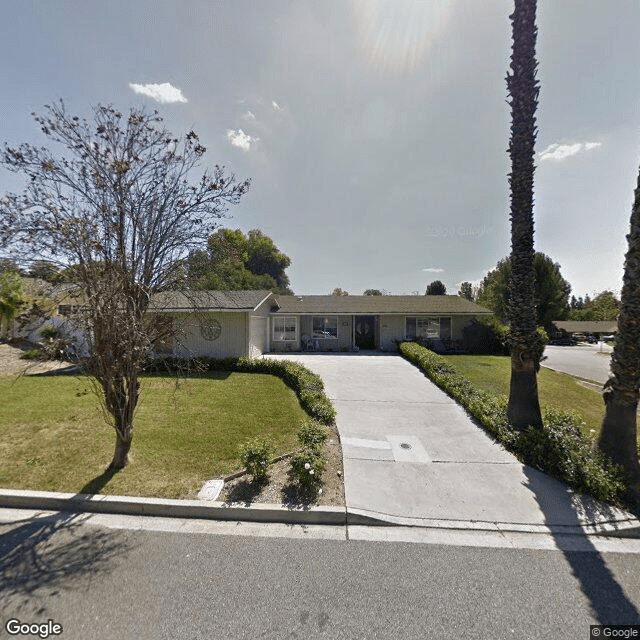
820 Calle Cedro, Thousand Oaks, CA 91360
For more information about senior living options: (866) 208-4318
Familycare Cottage One Costs & Pricing
Familycare Cottage One offers competitive monthly rates compared to both Ventura County and the broader California market. For a studio, the cost is set at $3,750, which is more affordable than the county average of $4,021 and significantly lower than the state average of $4,145. Similarly, for private rooms, Familycare Cottage One maintains a price point of $3,750 - slightly under Ventura County's average of $4,082 - and notably lower than California's overall average of $3,939. This pricing structure positions Familycare Cottage One as an appealing option for those seeking quality care without exceeding their budget in an increasingly costly environment.
| Floor plans | Familycare Cottage One | Ventura County | California |
|---|---|---|---|
| Studio | $3,750 | $4,021 | $4,145 |
| Private | $3,750 | $4,082 | $3,939 |
Memory care communities with a similar price nearby
-
from -$250 / mo
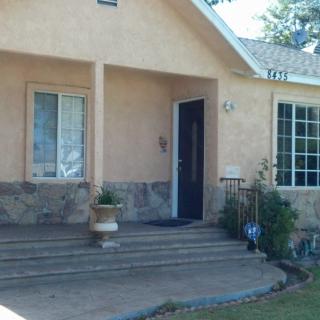
Paradise Senior Living 1
$3,500 to $4,500 / month17.6 miles away -
About the same
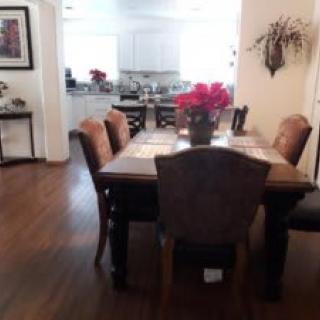
America's Care Manor
$3,800 to $4,000 / month11.1 miles away -
from +$250 / mo
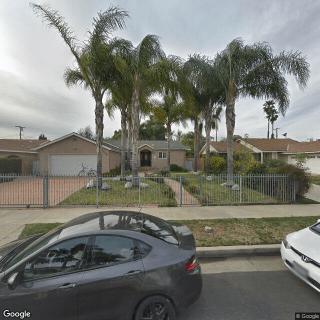
Land of Peace 6
$4,000 to $5,500 / month14.0 miles away -
from -$250 / mo

California Senior Of Sherman Oaks
$3,500 to $4,000 / month23.6 miles away -
from -$250 / mo
Assisted Comfort Home
$3,500 to $6,000 / month12.9 miles away
Overall Review of Familycare Cottage One
Pros
 The staff at Thousand Oaks Home Care are caring and wonderful to residents and their families.
- The homes are impeccably maintained, with long-term, caring staff.
- Gilliana, the administrator/owner, is an incredible person who supports families through transitions.
- The staff makes residents feel like family, providing peace of mind to loved ones.
- Odette and Mervin are caring and loving caretakers who keep residents in good hands.
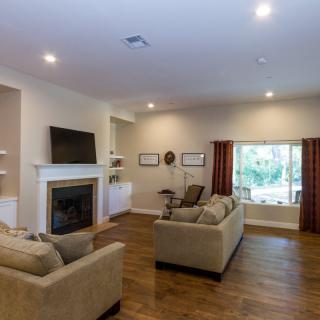
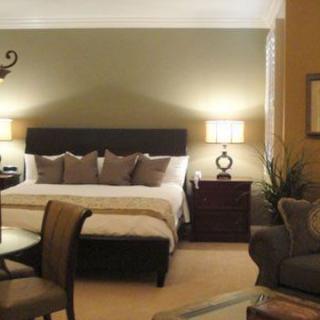
- The home is beautiful and clean inside, with an inviting backyard that creates a welcoming environment.
Review
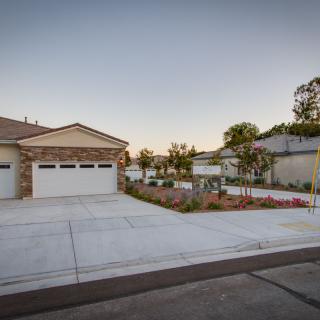
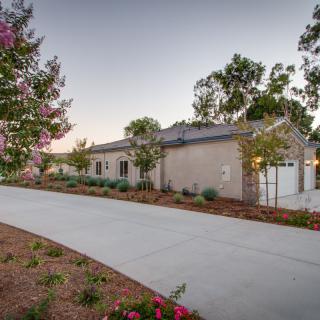
Familycare Cottage One in Thousand Oaks is best suited for seniors who thrive in a small, home-like board-and-care setting where care is personalized, stability is real, and leadership is hands-on. This community is ideal for families that want caregivers who truly know the resident’s routines, preferences, and history, and for seniors who value a warm, familial atmosphere over a clinical, large-scale environment. The property feels impeccably maintained, with an inviting interior and a backyard that supports safe mobility and outdoor comfort. In this model, the same caregivers and the administrator are consistently present, translating into predictable routines and a sense of belonging. For households prioritizing dignity, continuity, and direct communication, this arrangement is a natural fit.
Potential buyers should consider alternatives if the resident requires advanced medical oversight on a 24/7 basis, or if a broader array of on-site services and structured activities is essential. Memory-care needs, while addressed in a home setting here, may prompt families to explore specialized memory-care communities with dedicated programming. If the preference is for a larger campus, more residents, or apartment-style living with a more formal calendar of events, a traditional assisted living facility may be a better match. Budget and location specifics may also steer families toward options with different pricing models or closer proximity to medical providers and family members.
What stands out are the practical strengths described by families: Gilliana, the owner, is portrayed as capable and caring, providing clear leadership through transitions. The staff are described as long-term and deeply compassionate, with Odette and Mervin specifically highlighted for their warmth toward the mother. The homes are impeccably maintained, and the interior aesthetics plus the inviting backyard contribute to a pleasant daily experience. The arrival of staff integration into the family network over years produces a sense of trust and reliability, while the transition process is described as smooth. The care philosophy is clearly person-centered, with residents treated like family, which translates into emotional comfort and consistent supervision.
Explicit drawbacks are not named in the reviews, but prudent families should consider the typical limits of a small board-and-care setting. There may be fewer on-site medical professionals and less frequent access to advanced therapies or highly structured activity coordinators than in larger communities. Some residents might experience less privacy due to the shared-home model, and coordination of outside services may require more proactive oversight from family or a designated representative. Price structures can vary in intimate settings with high-touch care, so careful verification of what is included and what would be billed separately is wise.
Despite these potential gaps, the core strengths of Familycare Cottage One mitigate most concerns. Stable, long-tenured staff reduce disruption and create a trustworthy daily rhythm, especially during illness or transitions. Owner leadership ensures quick problem-solving and alignment with family goals, while a home environment lowers stress for residents who thrive on routine and familiarity. The combination of meticulous maintenance, a warm interior, and a welcoming outdoor space supports safety, mood, and daily engagement. When the priority is a loving, consistent caregiver presence, something this team delivers in spades, typical concerns about availability or impersonality tend to fade away.
For families weighing options in Thousand Oaks, this community should be on the short list if the priority is intimate, person-centered care with stable staff and an administrator who has demonstrated the ability to guide families through transitions. Prospective residents should visit with a practical checklist: observe staff–resident interactions, meet Gilliana, inquire about staffing ratios, verify licensure and available medical support, and request to review recent activity calendars and meal plans. If needs extend beyond what a small home can responsibly manage, or if a more robust social program and formal medical oversight are non-negotiable, larger settings should be explored. When the match aligns with an intimate, family-like care experience, Familycare Cottage One offers a compelling, trustworthy pathway to aging in place with dignity.
 6 resident community capacity
 Assisted Living
 Board and Care Home
 Memory Care
 Cats allowed
 Dogs allowed
 Cable or satellite TV
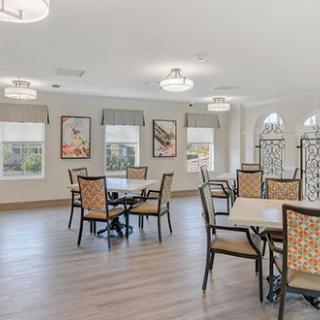
 Dining room
 Fully furnished
 Garden
 Housekeeping services
 Move-in coordination
 Outdoor space
 Private
 Private bathrooms
 Respite or short term stays offered
 Telephone
 Wi-Fi/high-speed internet available
 Oxnard (20 miles away)
 24-hour supervision
 Activities of daily living assistance
 Ambulatory care
 Assistance with bathing
 Assistance with dressing
 Assistance with transfers
 Diabetes diet
 Diabetic care
 High acuity care
 Meal preparation and service
 Medication management
 Special dietary restrictions
 Transportation arrangement (medical)
 Transportation to doctors appointments


 Illuminating Insights About Alzheimer's Disease: Ten Crucial Realities
 A Thorough Discussion of Medications Potentially Linked to Dementia Risk
 Why Do Dementia Patients Sleep So Much? Understanding Oversleeping, Stages, and Care Approaches