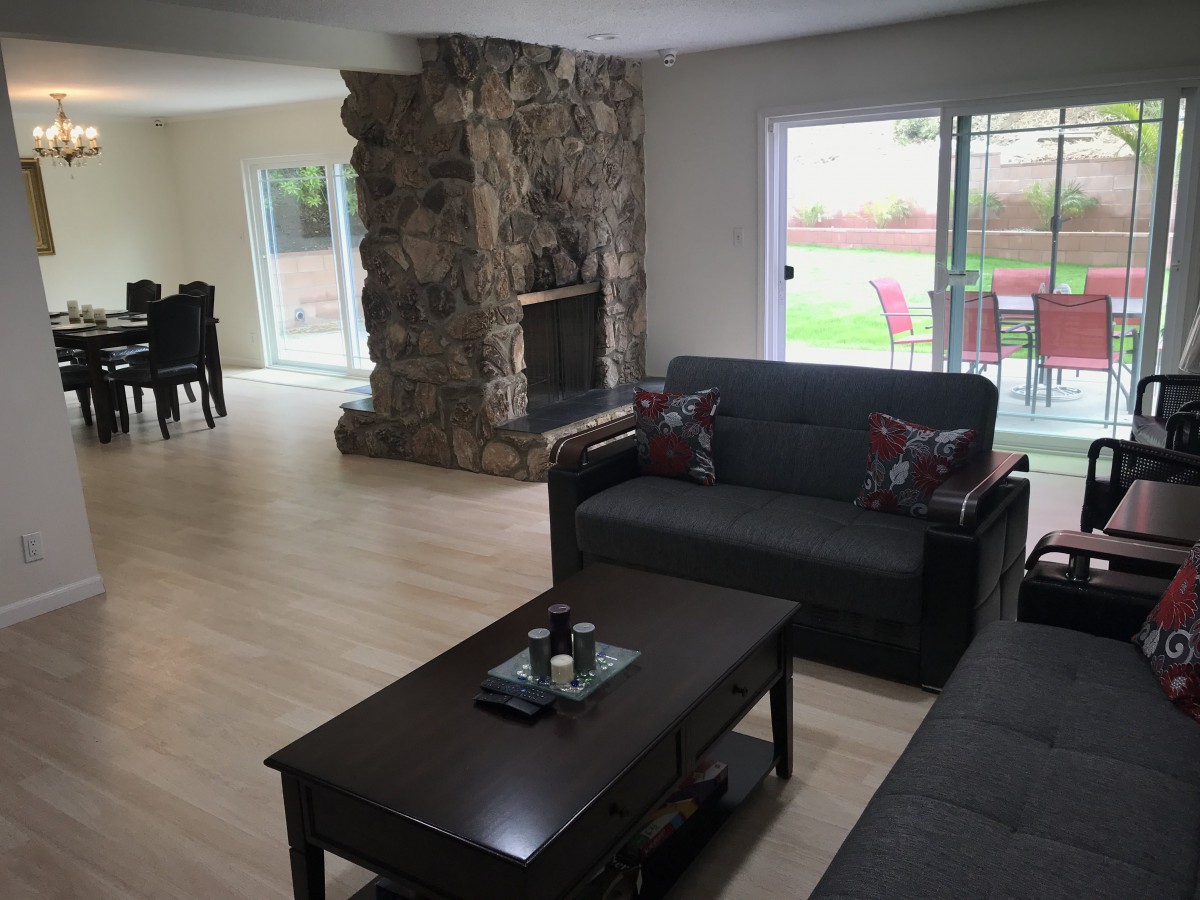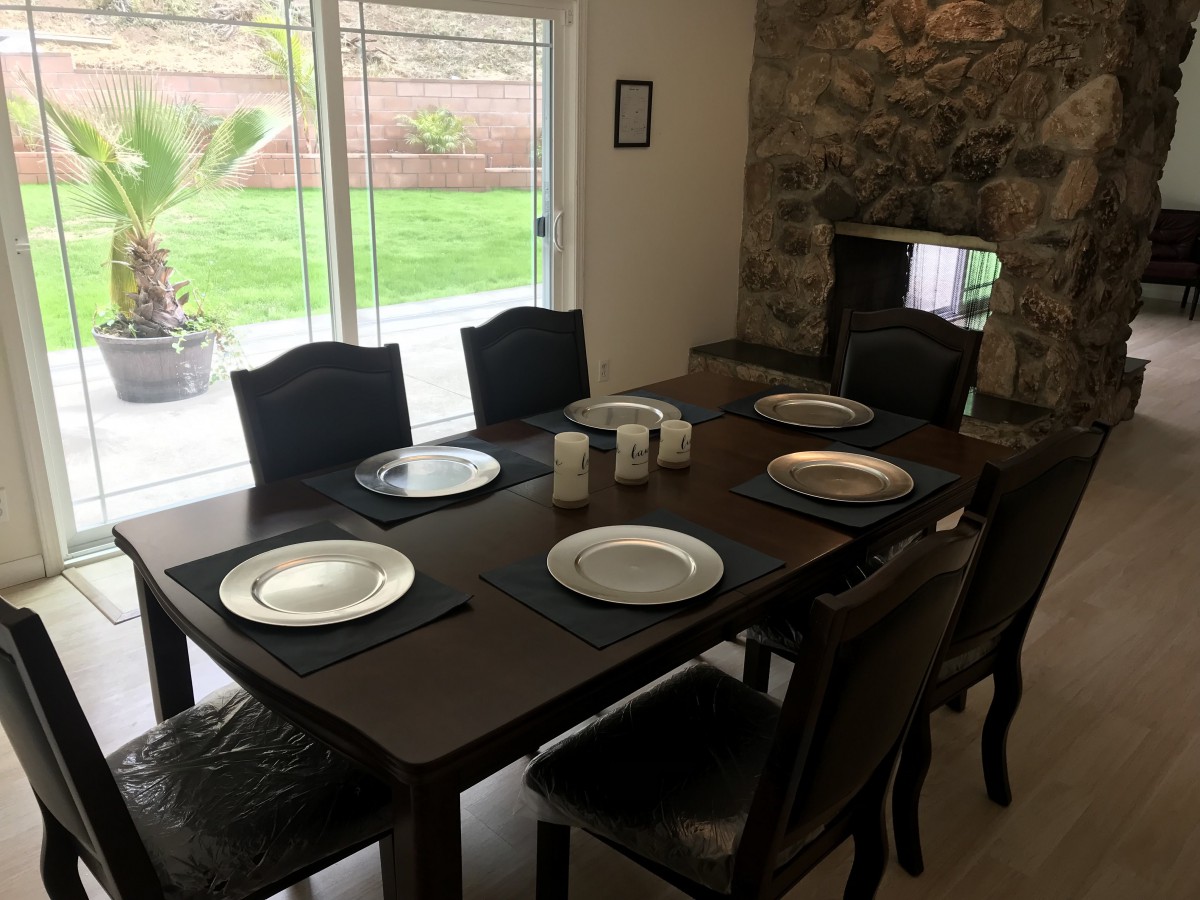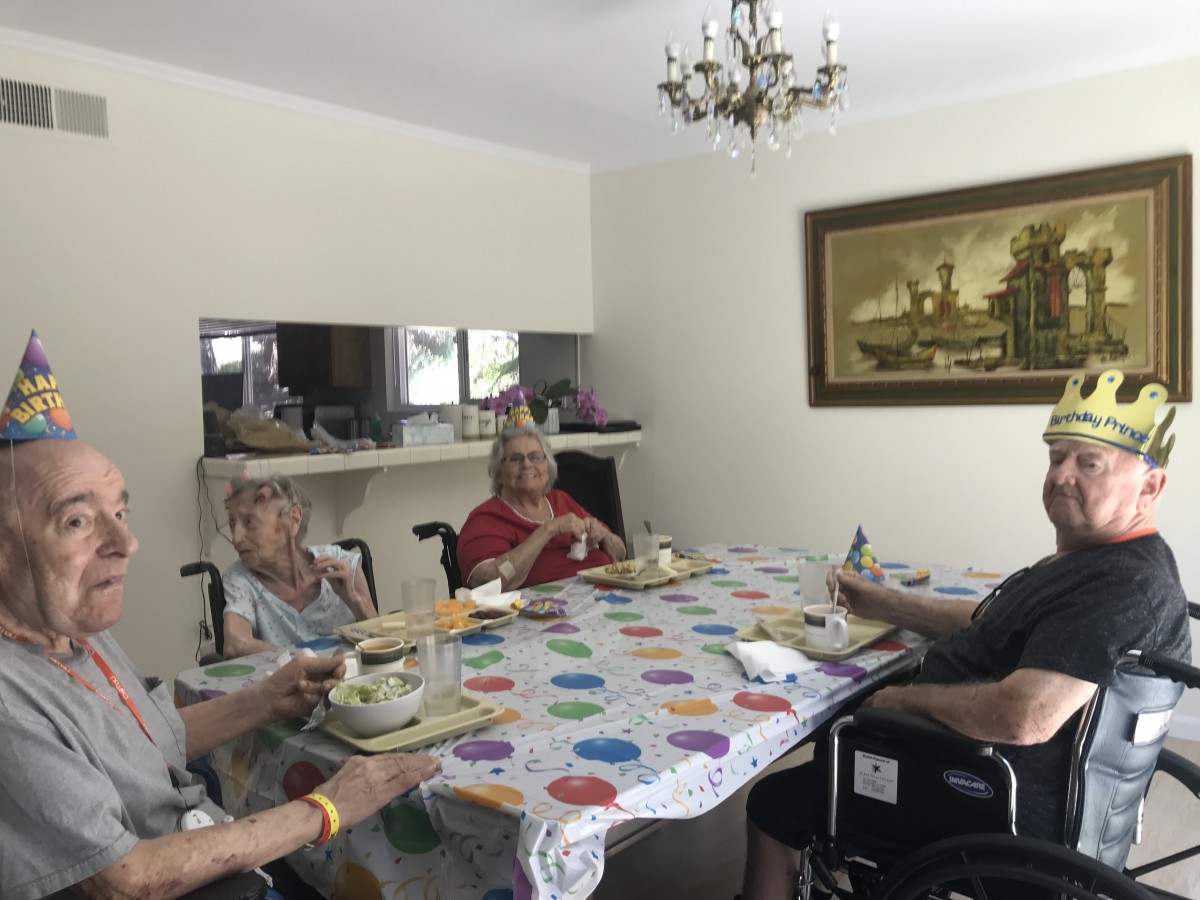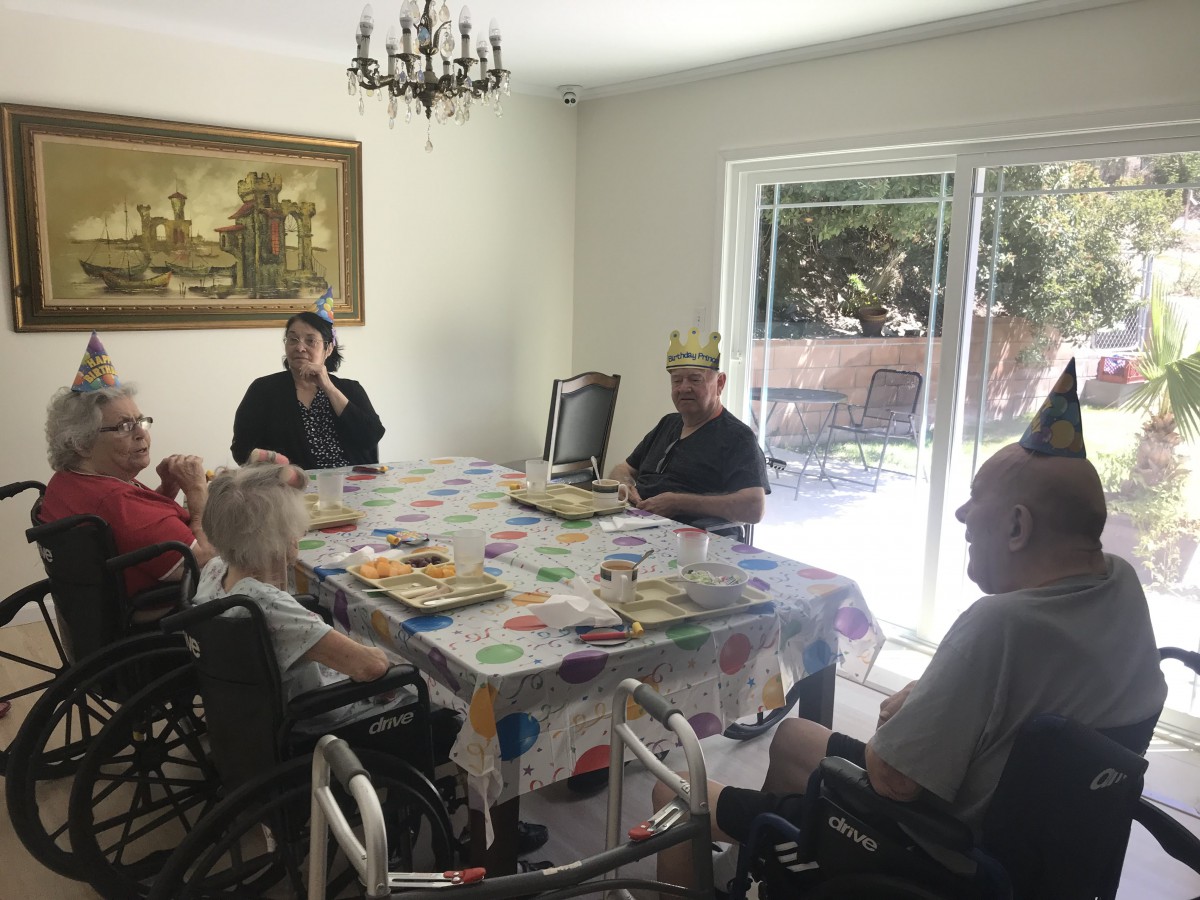
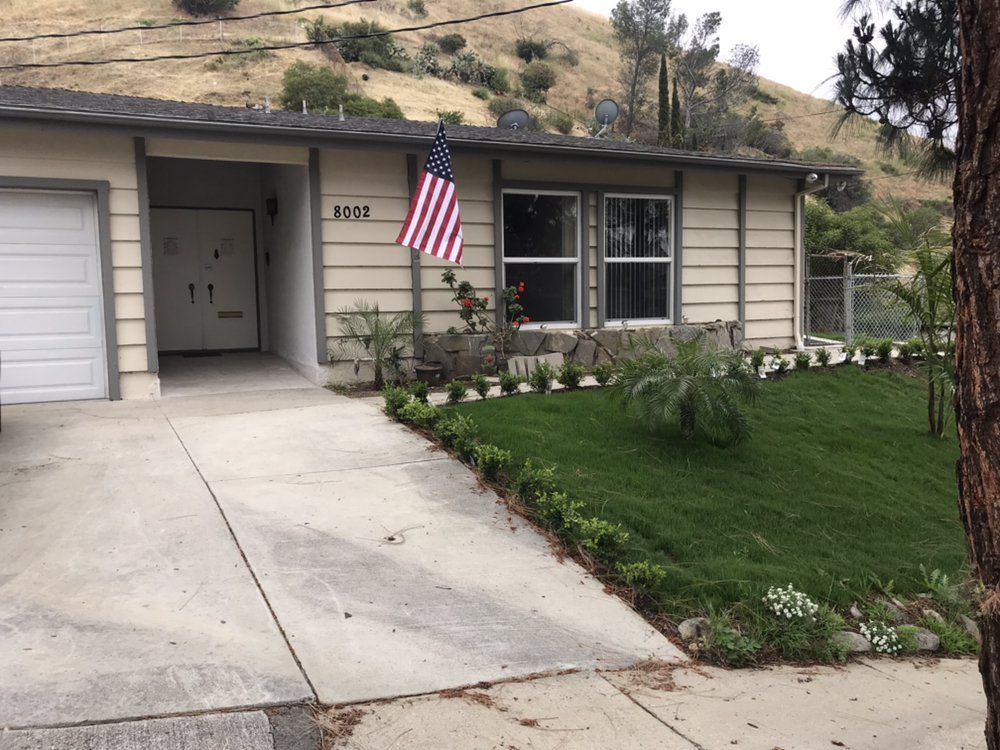
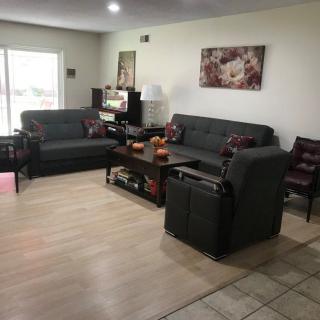
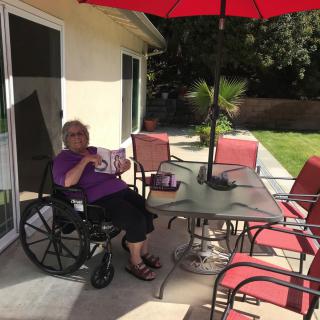
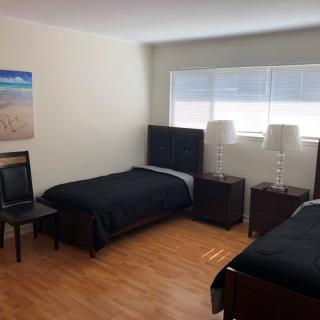
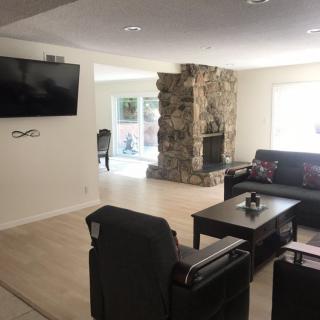
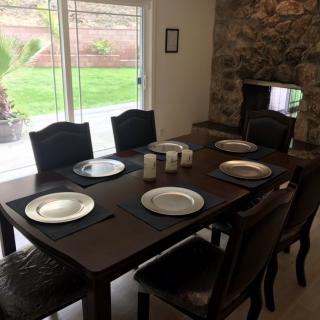
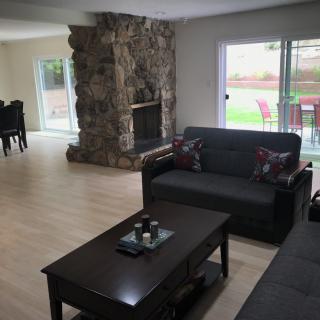
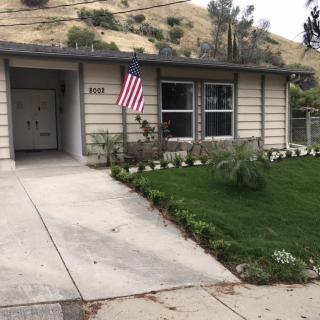
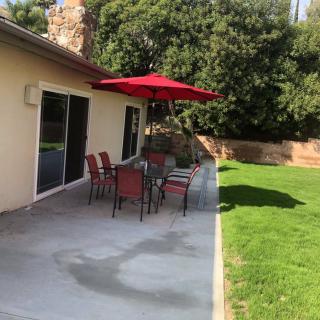
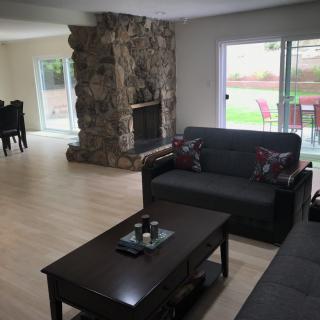
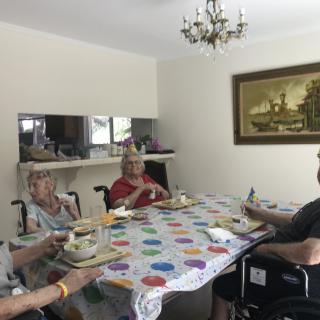
8002 Hollywood Way, Sun Valley, CA 91352
For more information about senior living options: (866) 208-4318
Hollywood Healthy Living Costs & Pricing
Hollywood Healthy Living offers a range of accommodation options with costs that reflect the premium services and amenities provided. For a semi-private room, residents can expect to pay $3,500 per month, which is slightly higher than both the Los Angeles County average of $3,349 and the broader California average of $3,333. Private rooms at Hollywood Healthy Living are priced at $5,000, significantly above Los Angeles County's average of $4,197 and California's average of $3,939. Similarly, studio apartments are also set at $5,000 each month, again surpassing local averages - $4,172 in Los Angeles County and $4,145 statewide. These pricing differentials suggest that while Hollywood Healthy Living may be on the higher end compared to its peers in the area and state, it likely reflects an enhanced level of care and exclusive features designed to support residents' overall well-being.
| Floor plans | Hollywood Healthy Living | Los Angeles County | California |
|---|---|---|---|
| Semi-Private | $3,500 | $3,349 | $3,333 |
| Studio | $5,000 | $4,172 | $4,145 |
| Private | $5,000 | $4,197 | $3,939 |
Memory care communities with a similar price nearby
-
About the same
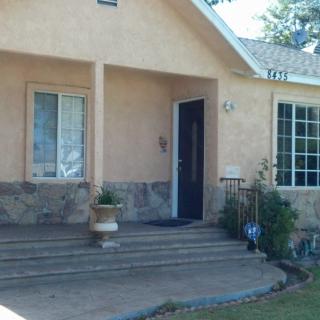
Paradise Senior Living 1
$3,500 to $4,500 / month12.0 miles away -
from +$300 / mo
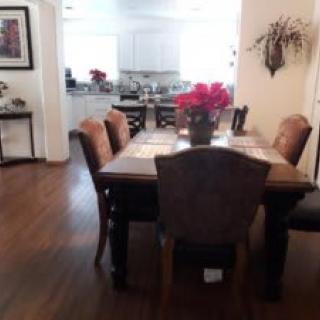
America's Care Manor
$3,800 to $4,000 / month19.4 miles away -
from +$500 / mo
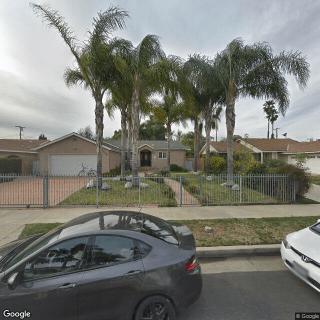
Land of Peace 6
$4,000 to $5,500 / month15.8 miles away -
About the same

California Senior Of Sherman Oaks
$3,500 to $4,000 / month7.4 miles away -
About the same
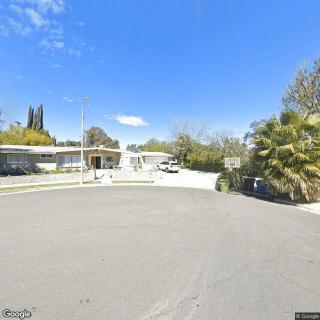
Assisted Comfort Home
$3,500 to $6,000 / month17.4 miles away
Overall Review of Hollywood Healthy Living
Pros
 Hollywood Healthy Living provides exceptional care to seniors at a reasonable price.
- The staff treat residents like family and show decency and respect.
- The care at Hollywood Healthy Living is very respectful, attentive, and supportive.
- The staff are nice, caring, and professional.
- The home is always clean and smells like home-cooked, healthy food.
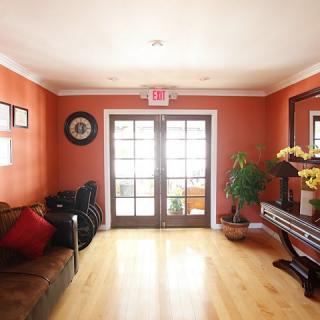
- The facility feels more like a home than a facility.
- Residents are well cared for and happy; caregivers are loving and attentive.
- The owners and staff treat residents like family, providing comfort and peace of mind.
Cons
 She was very unhappy in other facilities.
- She had some falls.
Review
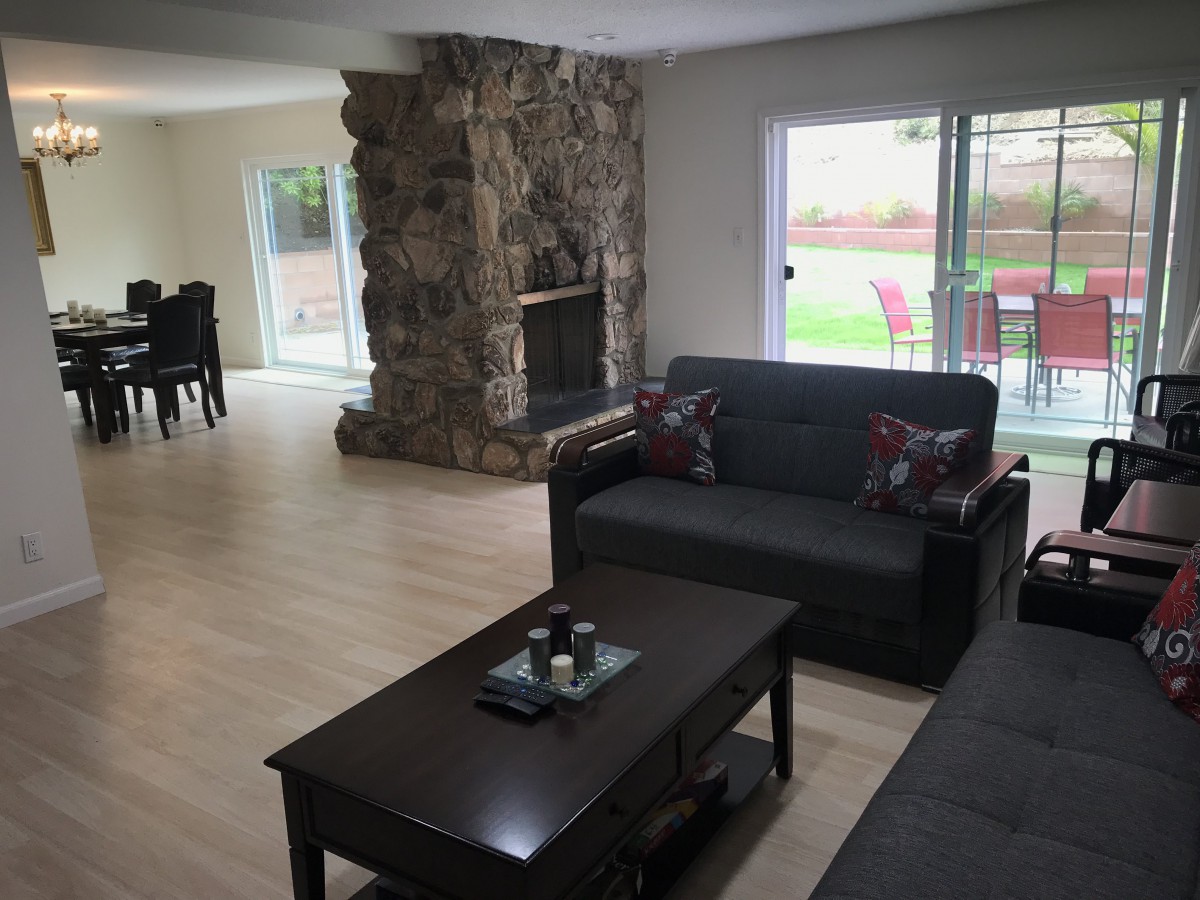
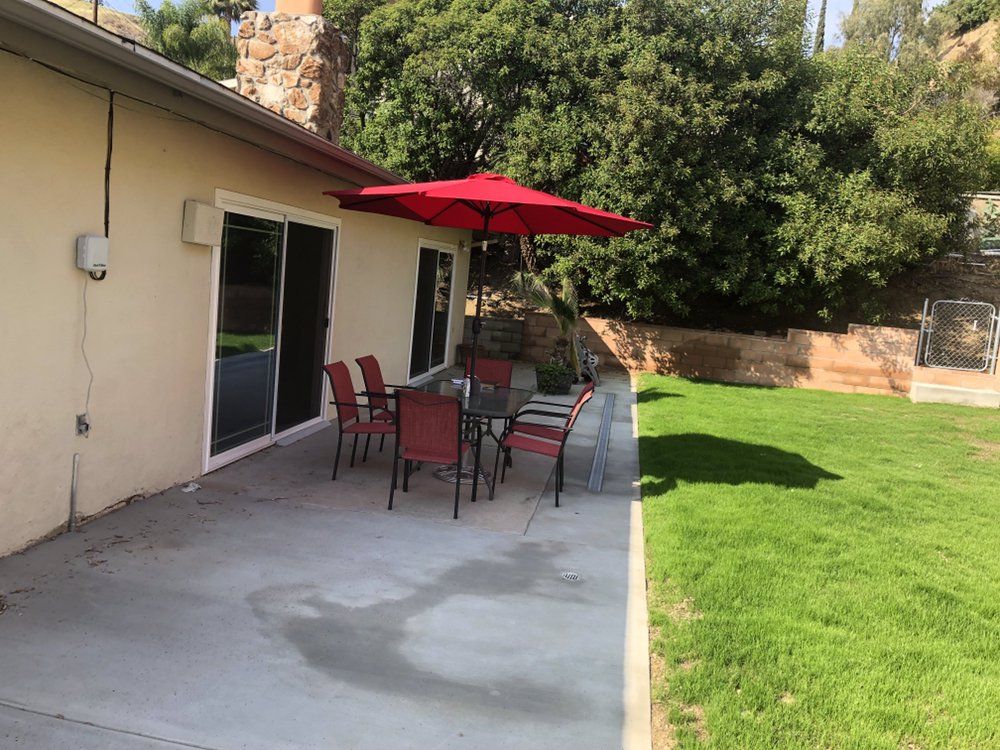
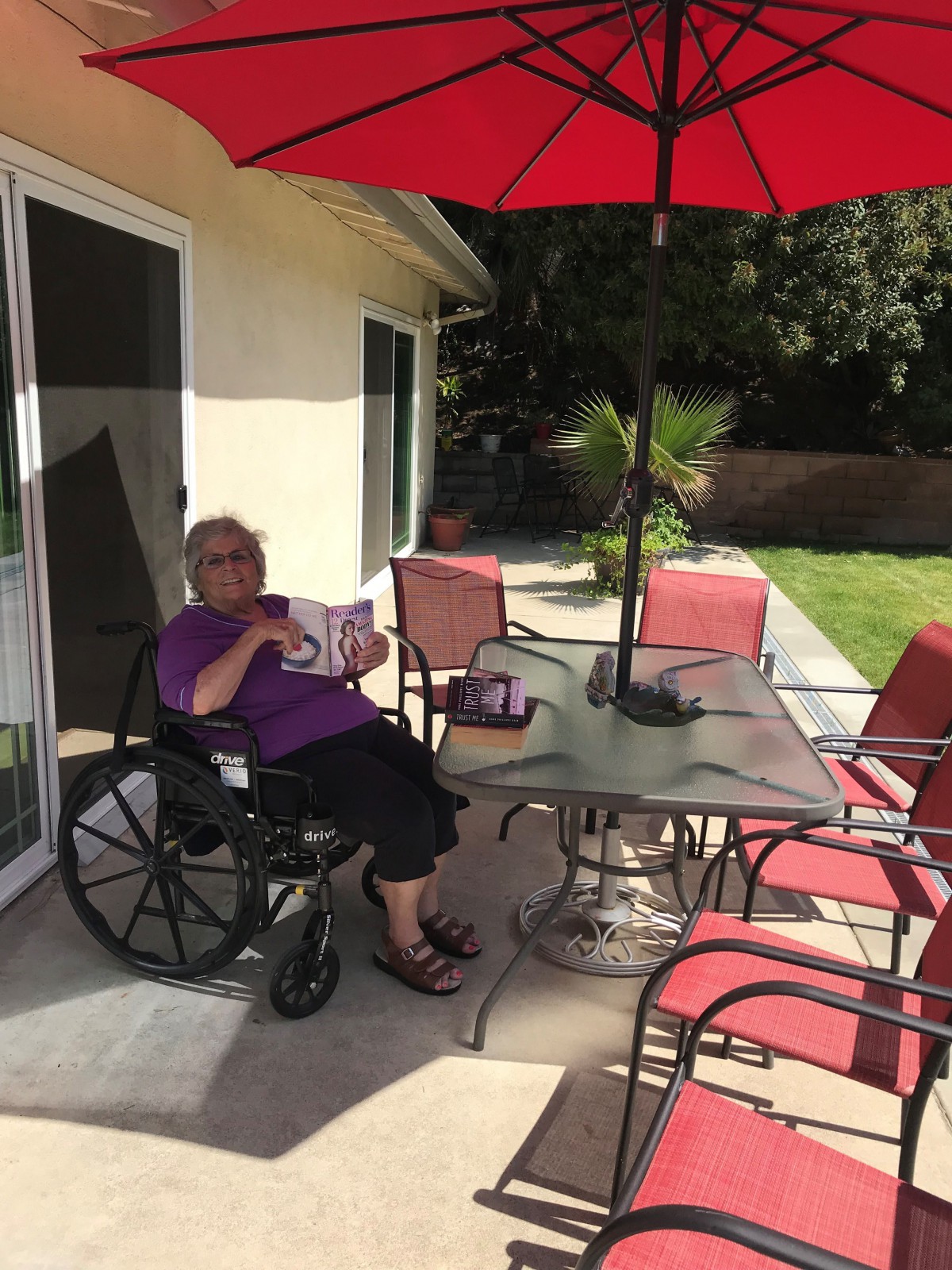
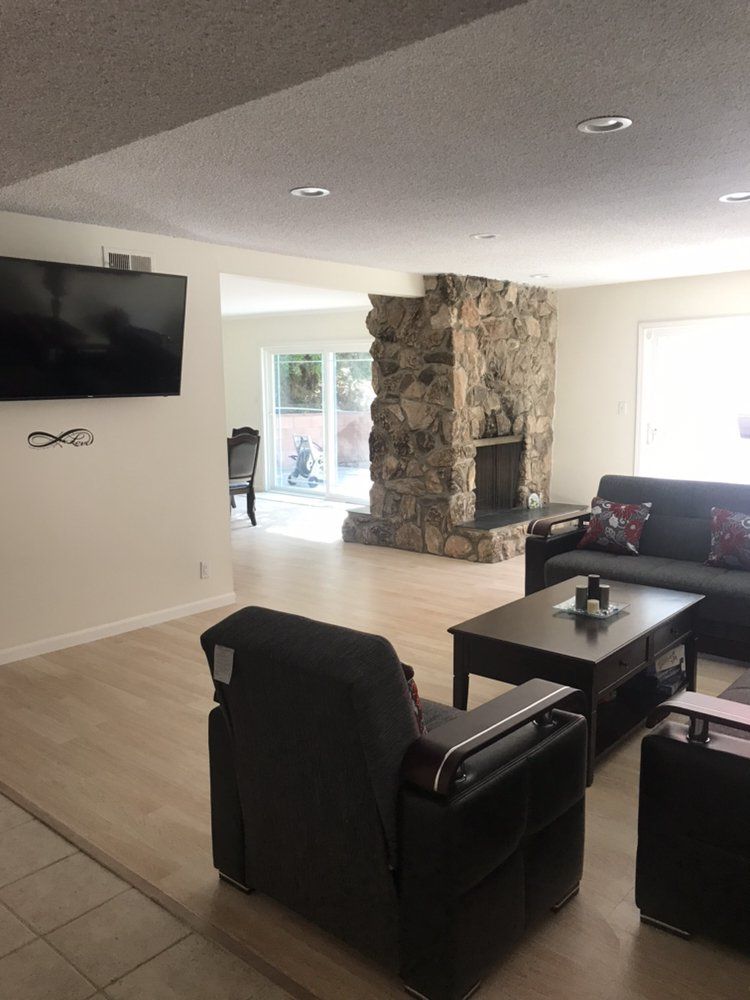
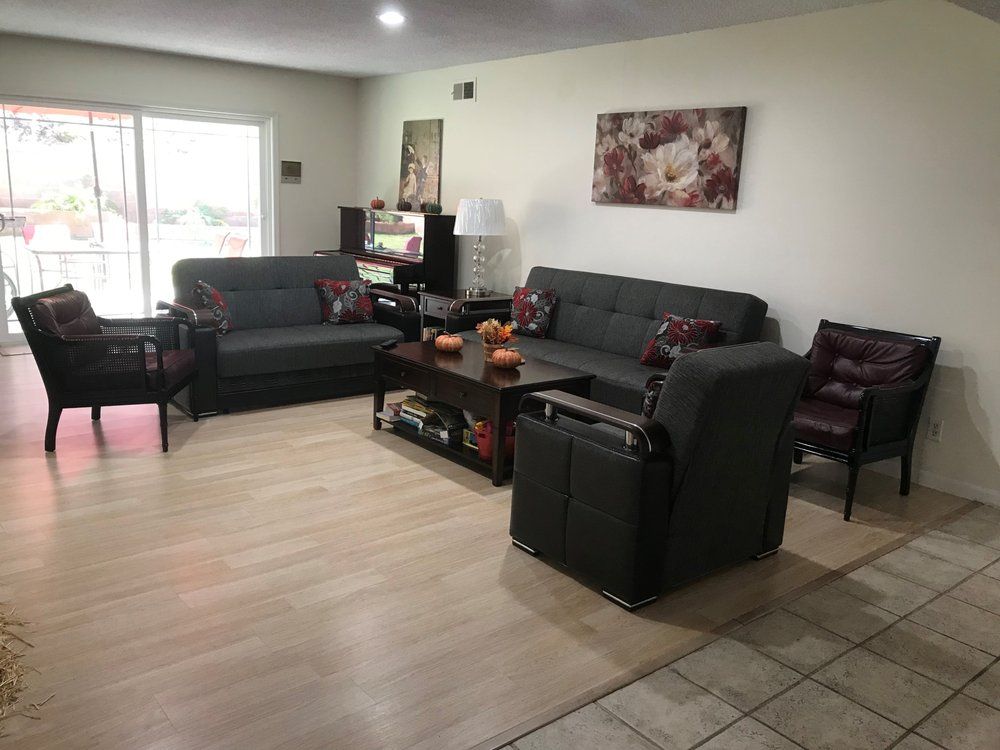
Hollywood Healthy Living is best suited for families seeking a warm, home-like, person-centered living arrangement for an elderly loved one who primarily needs help with daily activities and steady, respectful oversight rather than hospital-level medical services. Located in Sun Valley’s desirable Shadow Hills area, the certified residential care home emphasizes decency, respect, and a reasonable price. The atmosphere feels more like a family home than a facility, with residents treated as members of the household and caregivers who prioritize dignity, kindness, and everyday comfort. For seniors who value comfort, routine, and a personal touch in caregiving, this community clearly fits the bill.
Those needing 24/7 skilled nursing or high-acuity memory care should look elsewhere. This setting excels at attentive, tender daily care, but it is not a substitute for environments that provide constant clinical nursing, hospital-style rehab, or formal, highly specialized memory-care programs. Larger assisted living communities or dedicated memory-care campuses offer on-site nursing staff, broader therapy options, and more rigid programming designed around severe medical needs. Families should assess whether a loved one’s health trajectory calls for a tighter caregiver-to-resident ratio and more comprehensive clinical oversight, and adjust expectations accordingly.
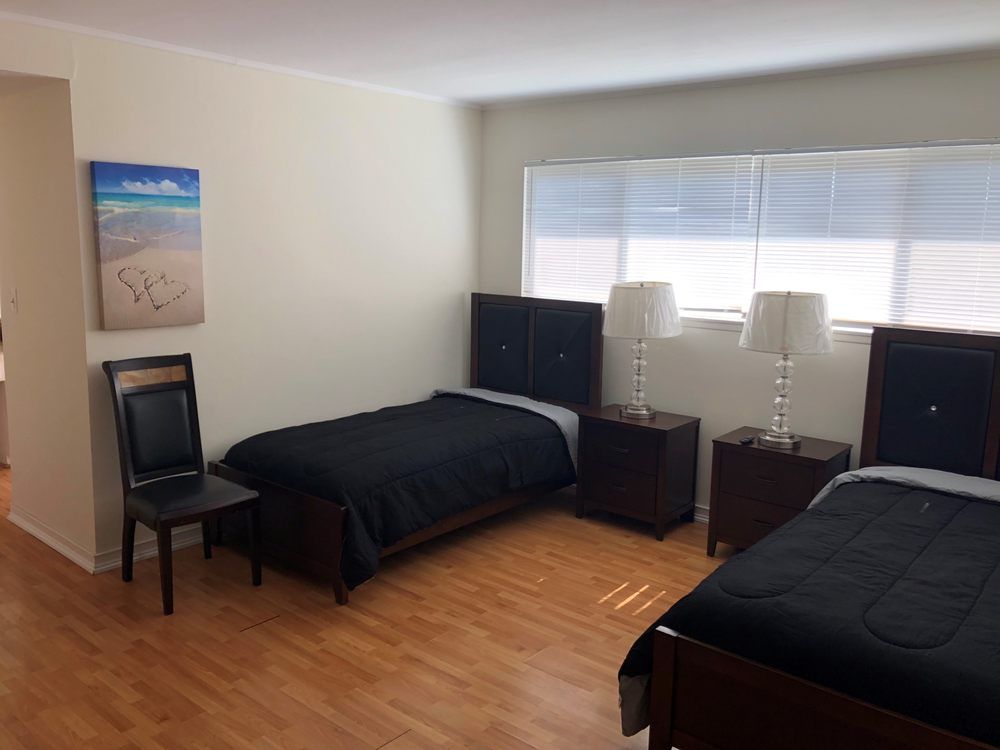
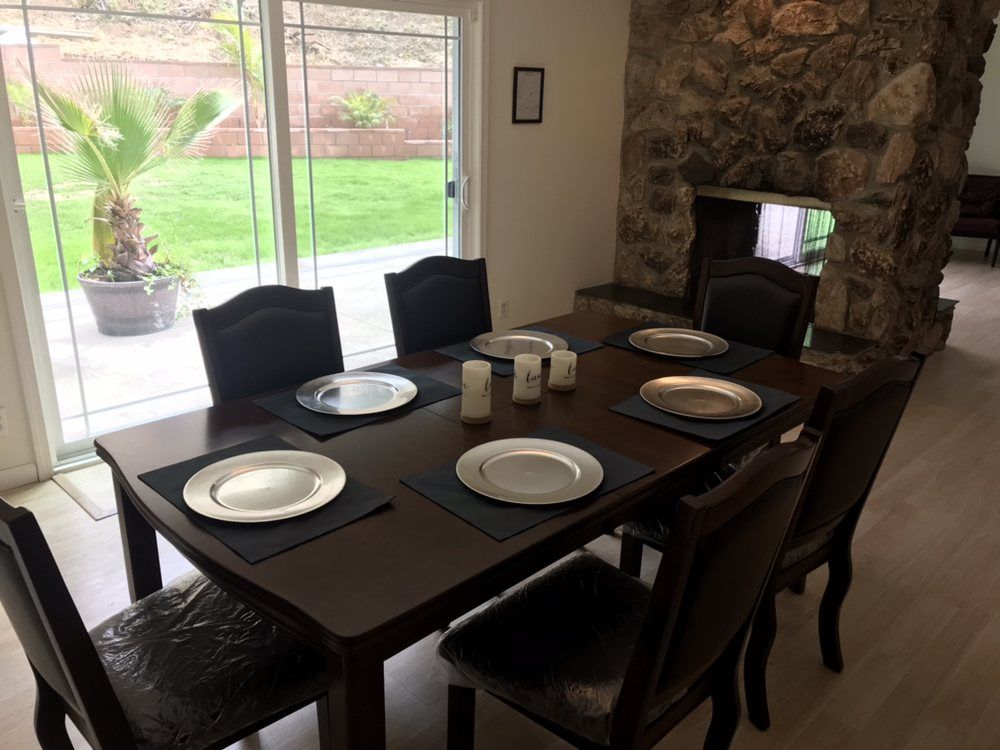
The strongest advantages are the staff’s unwavering courtesy, the home-like cleanliness, and the sense of belonging that accompanies care. Residents are described as treated like family, with administrators and caregivers who are genuinely attentive and professional. The option to personalize living space, such as ensuring a resident has his or her own room, adds dignity and privacy that larger campuses may not offer. Nutritious, home-style meals and a consistently tidy environment further reduce daily stress and support ongoing well-being. When a health issue is present, the visible vigilance of caregivers and the time they devote to small activities and social moments help offset the constraints of a smaller, non-hospital setting.
Evidence from families underscores a pervasive, practical reality: this community feels like a secure, welcoming home. One parent’s nearly two-year stay reflects stability, happiness, and a level of independence that is preserved through careful supervision. The owner’s philosophy, that this is the resident’s home, translates into rooms that feel personal and routines that emphasize familiarity. New residents adjust smoothly thanks to a supportive administrator and compassionate caregivers who are repeatedly described as kind and approachable. Cleanliness, a warm atmosphere, and the ability to engage in everyday activities contribute to a livability quotient that many families find decisive.
From a decision-making standpoint, Hollywood Healthy Living delivers strong value for those prioritizing comfort, trust, and emotional well-being over the breadth of medical services. The consistently positive feedback about happiness, food quality, and attentiveness is persuasive for families weighing quality of life against the demands of care. At the same time, potential buyers should explicitly verify that dementia- or Parkinson’s-related care needs can be managed within the home’s staffing model, and confirm access to medical professionals if a health change arises. The community’s neighborhood setting, transparent pricing, and straightforward care approach amplify its appeal for families who want a low-drama, high-trust option.
The practical next steps are clear: schedule a thorough in-person visit to observe interactions between staff and residents, inspect living spaces and dining areas, and review the activity calendar. Inquire about memory-care capabilities, respite options, and whether arrangements exist for larger medical contingencies. If a loved one values being treated as family, maintaining as much independence as possible, and living in a clean, cheerful, and homelike environment, Hollywood Healthy Living represents a compelling choice in Sun Valley. For families needing intensive clinical oversight, or a more program-driven, larger-scale setting, exploring alternatives sooner rather than later will help prevent future mismatches between needs and capabilities.
 6 resident community capacity
 Assisted Living
 Board and Care Home
 Memory Care
 Cats allowed
 Dogs allowed
 Activities off-site
 Cable or satellite TV
 Devotional services off-site
 Dining room
 Fully furnished
 Garden
 Housekeeping services
 Indoor common areas
 Move-in coordination
 Outdoor common areas
 Private
 Respite or short term stays offered
 Telephone
 Wheelchair accessible showers
 Wi-Fi/high-speed internet available
 Burbank-Glendale-Pasadena (1 miles away)
 24-hour supervision
 Ambulatory care
 Assistance with bathing
 Assistance with dressing
 Assistance with transfers
 Diabetes diet
 High acuity care
 Incontinence care
 Meal preparation and service
 Medication management
 Special dietary restrictions
 Transportation arrangement (medical)
 Transportation to doctors appointments
 Art classes
 Brain fitness
 Cooking classes
 Day trips and outings
 Educational speakers / life long learning
 Karaoke
 Live well programs
 Wine tasting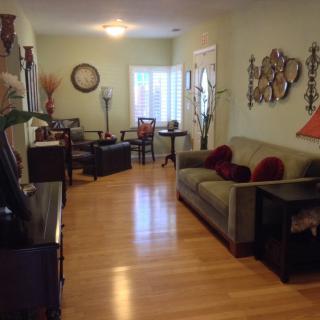

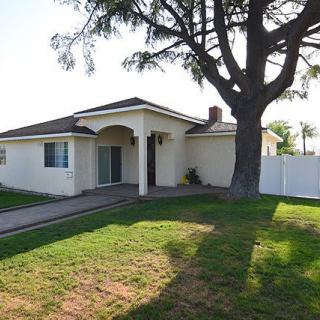

 Understanding the Distinctions: Assisted Living and Memory Care Explained
 How to Communicate with a Loved One Living with Dementia: 10 Supportive Strategies
 Comprehensive Guide to VA Nursing Homes: A Crucial Long-Term Care Resource for Veterans