
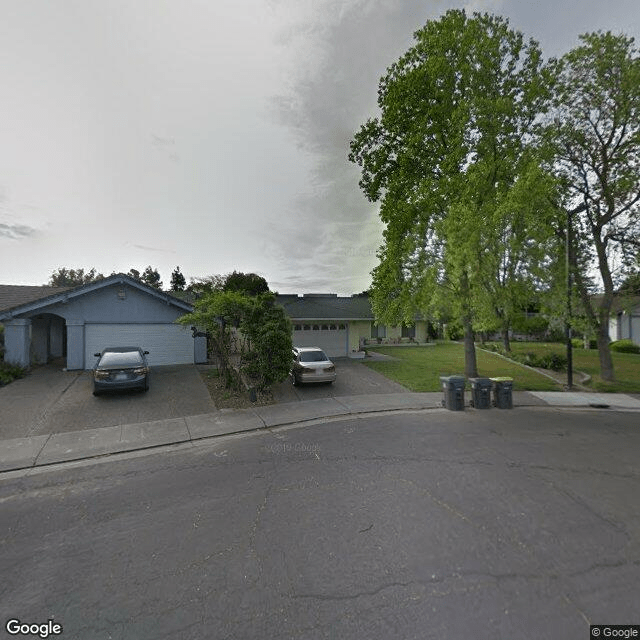
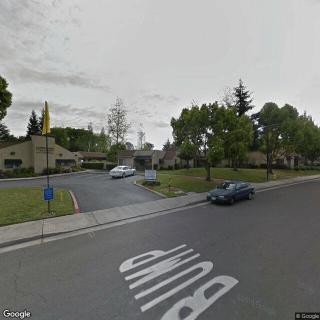
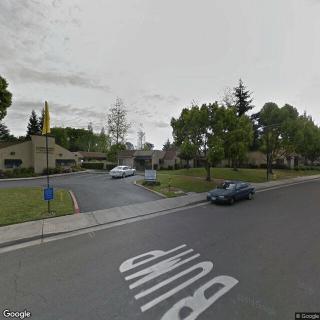
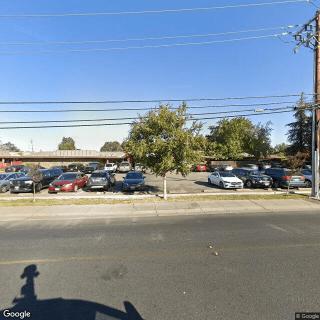
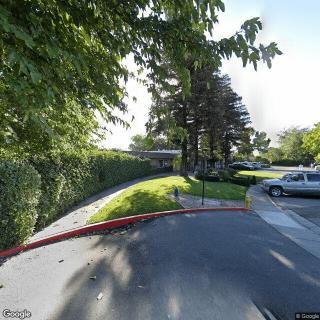
2305 Lido Circle, Stockton, CA 95207
For more information about senior living options: (866) 208-4318
Delta Senior Care Home Costs & Pricing
Delta Senior Care Home offers competitive pricing for its residents compared to broader benchmarks within San Joaquin County and California as a whole. For semi-private rooms, Delta's monthly fee of $2,500 significantly undercuts the county average of $3,074 and the state average of $3,333. When it comes to private accommodations, Delta provides a range from $3,400 to $5,000, which is slightly more affordable than the county average of $3,364 and well below California's average of $3,939. Additionally, their dedicated 1-bedroom option is priced at $3,400 - again lower than both local ($3,551) and state ($4,340) averages. This strategic pricing positions Delta Senior Care Home as an attractive choice for families seeking quality care without exorbitant costs in the region.
| Floor plans | Delta Senior Care Home | San Joaquin County | California |
|---|---|---|---|
| Semi-Private | $2,500 | $3,074 | $3,333 |
| 1 Bedroom | $3,400 | $3,551 | $4,340 |
| Private | $3,400 to $5,000 | $3,364 | $3,939 |
Memory care communities with a similar price nearby
-
About the same

Stetson Court Living
$2,500 / month5.4 miles away -
from -$301 / mo
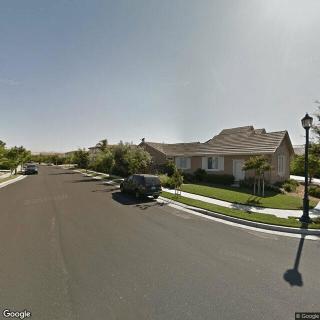
Paradise Residential Care Home in Mountain House
$2,199 to $3,199 / month19.1 miles away -
About the same
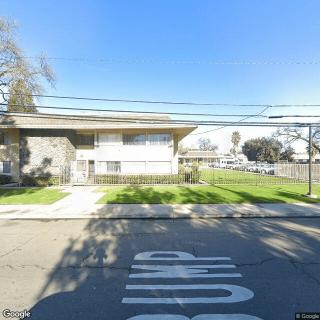
Stacie's Chalet - Stockton
$2,500 to $3,795 / month1.8 miles away -
About the same

Hospitality House
$2,500 to $4,200 / month23.1 miles away -
from +$80 / mo
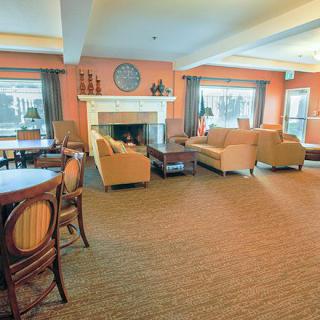
Brookdale Tracy
$2,580 to $4,050 / month17.1 miles away
Overall Review of Delta Senior Care Home
Pros
 The place was very nice.
- The tour was great.
- The home was bright throughout.
- The staff provided high-quality care.
- The staff were professional and genuinely cared.
- The grandmother was vibrant while she stayed there.
- The facility offers great value.
Cons
 The reviewer was not very impressed.
- The care provided did not meet their requirements.
- The reviewer was not impressed with the small bedroom size and did not think it was the right fit for their mom.
- The facility seemed set up so residents didn’t need to come out of their rooms, which the reviewer felt would not be the best fit for their dad.
- There were no activities; residents were sitting around sleeping or watching TV, and the reviewer noted their mom needed activities.
Review
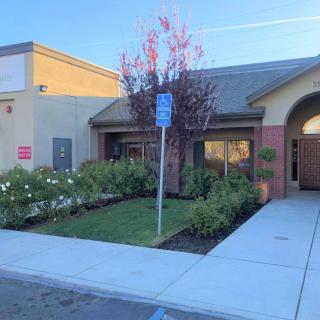
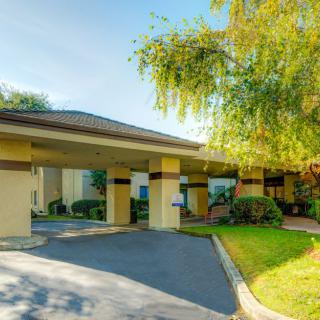
Delta Senior Care Home in Stockton is best suited for families that want a small, residential setting where attentive staff deliver hands-on care and where the environment feels like a true home. The facility presents a bright, cheerful atmosphere, with a yellow exterior and ample windows that create an inviting, sunny interior. Staff are consistently described as professional and genuinely caring, with a track record of handling doctor visits and Kaiser arrangements in a streamlined way for families navigating medical needs. Residents tend to share rooms, with private rooms available at added cost, which reinforces a close-knit, home-like living experience rather than a institutional feel. For seniors who value dependable caregiving, straightforward daily routines, and straightforward medical coordination over expansive programming, this community stands out as a strong choice.
At the same time, potential residents or families should consider alternatives if daily engagement and structured activities are non-negotiable. Several observations point to a lean activity calendar: residents appear to be responsible for entertainment and socializing, often relying on television, with little evidence of organized group events or facilitated exercise. An impression from tours is that turning the home into a more stimulating space requires resident initiative rather than staff-driven programming. Room size also matters for some families, the emphasis on private rooms comes with a higher price, but the standard setup favors smaller spaces that may feel restrictive for those who expect more personal room for a longtime home. In short, Delta delivers quiet, predictable days and hands-on care, but it does not deliver the activity-rich, socially dynamic environment some seniors need.
The positives are meaningful and carry real weight in decision making. The care staff earns high marks for attentiveness and professionalism, which translates into tangible benefits for residents who require consistent supervision and compassionate contact. The residential license status provides a level of safety oversight that families rely on, and the ability to arrange rides and coordinate medical care reduces the logistical burden on caregiving families. Value is another clear plus: the setting offers essential care and medical coordination at a price point that many families find reasonable for a home-like option. Yet these strengths are tempered by the lack of structured activities and the limited opportunities for social or cognitive engagement, which means a resident’s day may feel passive unless family members or roommates actively create opportunities.
Practical next steps will make the gap between fit and misfit clearer. Prospective residents should verify exact room dimensions and the cost delta for private accommodations, since space and price are central to satisfaction here. Clarify staff-to-resident ratios, the level of individualized care planning, and how daily routines are constructed in practice. Confirm transportation support for appointments and how coordination with health plans like Kaiser is managed day-to-day. Probe what happens if a resident’s cognitive needs intensify or if behavioral challenges emerge, and whether any memory-care considerations can be accommodated within the home’s model. Finally, assess whether the daily life beyond TV viewing, movement, light exercise, and brain-stimulating activities, will be adequately supported to maintain engagement and mood.
Decision-makers should weigh Delta against the need for more stimulation, social opportunities, and space. If the priority is dependable, compassionate caregiving within a bright, intimate setting, Delta delivers with steady consistency and practical value. If daily programming, social outlets, or dementia-focused activities are essential, turning to options with dedicated activity staff or specialized memory-care wings is prudent. The mixed impressions reflect a facility that can anchor care effectively for the right resident but is not a universal solution for every senior’s needs. The right choice hinges on whether the resident’s day can be made meaningful through staff-led care and small-scale interaction or requires a more robust, program-driven environment.
Bottom line: Delta Senior Care Home is a practical, reliable option for families seeking a warm, home-like atmosphere with attentive staff and integrated medical coordination at a reasonable price. It excels for seniors who thrive on quiet days, personal attention, and straightforward routines. However, for those who demand ongoing activities, larger private living spaces without added costs, or dementia-specific programming, exploring alternatives is advisable. A candid in-person assessment focusing on room size, the availability of meaningful daily activities, and the home's approach to social engagement will determine whether this Stockton home can anchor a safe, comfortable chapter or whether another option better aligns with care priorities.
 6 resident community capacity
 Assisted Living
 Board and Care Home
 Memory Care
 Respite Care
 Activities on-site
 Bath tubs
 Cable or satellite TV
 Dining room
 Fully furnished
 Garden
 Housekeeping services
 Indoor common areas
 Move-in coordination
 Outdoor common areas
 Private
 Telephone
 Wi-Fi/high-speed internet available
 24-hour supervision
 Ambulatory care
 Assistance with bathing
 Assistance with dressing
 Assistance with transfers
 Diabetes diet
 Diabetic care
 Incontinence care
 Meal preparation and service
 Medication management
 Special dietary restrictions
 Transportation arrangement (medical)
 Transportation to doctors appointments

 Comprehending Evening Confusion in Dementia: Causes, Manifestations, and Support
 Delirium and Dementia: Unraveling the Key Differences
 Are Dementia and Alzheimer's Disease Lethal? A Comprehensive Exploration