For more information about senior living options: (866) 208-4318
2.6 from 62 reviews
5 stars
17
4 stars
6
3 stars
5
2 stars
1
1 stars
33
Dycora Transitional Health - Quail Lake Costs & Pricing
Dycora Transitional Health - Quail Lake offers semi-private rooms at a monthly cost of $6,224. This figure significantly exceeds both the average rates in San Joaquin County, which stand at approximately $3,074, and the broader state average of around $3,333 for similar accommodations. The pricing reflects the specialized care and amenities provided at Dycora, distinguishing it from the more budget-friendly options within the county and the state at large. Families considering this facility should weigh these costs against the comprehensive services offered to ensure they align with their needs and financial plans.
Floor plans
Dycora Transitional Health - Quail Lake
San Joaquin County
California
Semi-Private
$6,224
$3,074
$3,333
Skilled Nursing Facilities with a similar price nearby
Overall Review of Dycora Transitional Health - Quail Lake
caveat5 reviews mention this
Phone access and responsiveness
Several residents and families report difficulty reaching staff by phone.
Some reviewers say they could not reach the facility, with phones not being answered or callers being bounced to an answering system. Others specifically praise Sarah at the front desk for helping them stay in contact and following up regularly. The mixed feedback suggests phone responsiveness varies depending on timing and who answers.
caveat9 reviews mention this
Cleanliness and odors come up
Reviews frequently mention cleanliness issues and strong odors.
A number of negative reviews describe the building as dirty, with unpleasant smells reported by visitors. Reviewers also mention specific cleanliness concerns like overflowing toilets and grime noted in rooms. On the positive side, some reviewers say the facility was clean, organized, and did not have an odor during their visits.
caveat5 reviews mention this
Temperature and climate-control problems
Residents and visitors report problems keeping rooms at a comfortable temperature.
Several reviewers describe rooms running too cold, along with claims that heaters or air conditioning did not work properly. Others mention the facility being warm instead of properly cooled. Taken together, temperature control appears to be inconsistent across rooms and times.
caveat5 reviews mention this
Physical therapy is a mixed picture
Physical therapy experiences vary, with some reporting limited support.
Some reviewers say they received little to no physical therapy, or that therapy happened less often than expected. Others describe physical therapy as helpful, including staff working with them to improve mobility. There are also comments that residents have to manage physical therapy themselves, suggesting quality and consistency may differ by situation.
common10 reviews mention this
Staff kindness and helpfulness
Many reviewers describe staff as friendly and helpful.
A recurring theme in positive reviews is staff friendliness and prompt assistance, including help with check-in and addressing concerns in a timely way. Multiple reviewers single out nurses, social workers, and other team members as attentive and professional. A smaller set of reviews go the other direction, but overall the reviews include substantial praise for day-to-day interpersonal support.
How we summarize
Counts show how many written reviews mention each theme; a review can touch several themes, and only frequently mentioned themes are displayed.
Features
Housing
99 resident community capacity
Types of Care
Skilled Nursing Facility
Amenities
Air-conditioning
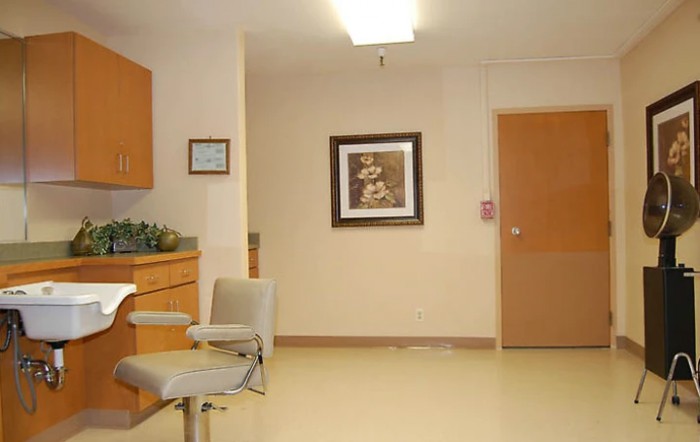
Beauty salon
Cable or satellite TV
Computer center
Dining room
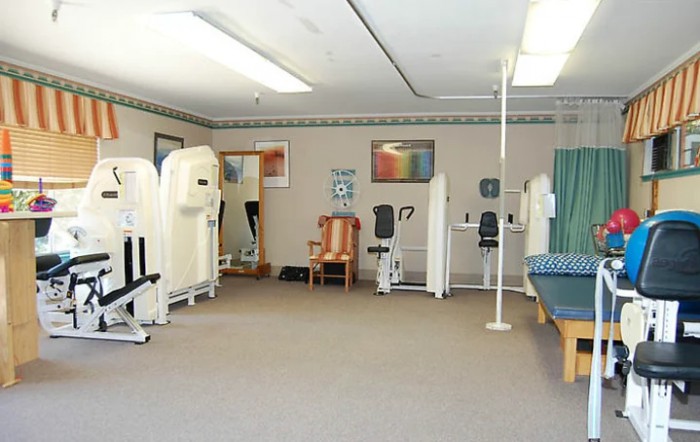
Fitness room
Fully furnished
Gaming room
Garden
Housekeeping services
Kitchenette
Move-in coordination
Outdoor space
Private bathrooms
Restaurant-style dining
Small library
Telephone
Wellness center
Wi-Fi/high-speed internet available
Transportation
Community operated transportation
Transportation arrangement
Transportation arrangement (non-medical)
Transportation to doctors appointments
Care Services
12-16 hour nursing
24-hour call system
24-hour supervision
Activities of daily living assistance
Assistance with bathing
Assistance with dressing
Assistance with transfers
Diabetes diet
Meal preparation and service
Medication management
Mental wellness program
Special dietary restrictions
Dining
Diabetes diet
Special dietary restrictions
Activities
Community-sponsored activities
Concierge services
Fitness programs
Planned day trips
Resident-run activities
Scheduled daily activities
Nearby Places of Interest
This part of Stockton, California, offers a variety of amenities and services that may appeal to seniors looking for a convenient and comfortable living environment. With several physicians and pharmacies in close proximity, residents have easy access to medical care and prescription medications. There are also a number of restaurants nearby, offering diverse dining options for those who prefer eating out. Additionally, the presence of parks provides opportunities for leisurely walks and outdoor activities. For those seeking spiritual fulfillment, places of worship are within a short distance. In terms of healthcare, several hospitals are located within a few miles, ensuring prompt medical attention when needed. The area also offers entertainment options such as a movie theater for those who enjoy watching films. Overall, this part of Stockton provides a well-rounded community with essential services that cater to the needs of seniors.
Physicians
Primed Management Consulting Service (0.4 miles)
Fujii Kenneth K DDS (0.5 miles)
Center For Sight (0.5 miles)
Dr. David Krejchi, provider of Eyexam of CA (0.6 miles)
Chiropractic Offices - Dr Soto (0.8 miles)
Lee, Derron OD - Midtown Optometry (0.9 miles)
Central California Surgery (0.9 miles)
Pharmacies
CVS Pharmacy (0.4 miles)
March Lane Medical Pharmacy (0.9 miles)
CVS Pharmacy (1.2 miles)
Save Mart Supermarkets (1.2 miles)
Rite Aid (1.5 miles)
Safeway Pharmacy (1.5 miles)
CVS Pharmacy (1.6 miles)
Restaurants
Raising Cane's Chicken Fingers (0.5 miles)
Chipotle Mexican Grill (0.6 miles)
In-N-Out Burger (0.7 miles)
Romano's Macaroni Grill (0.9 miles)
Pacific Avenue Bowl (1.2 miles)
Chick-Fil-A (1.2 miles)
Applebee's (1.2 miles)
Parks
Sherwood Forest Park (1.1 miles)
Victory Park (1.9 miles)
Fritz Grupe Park (2.1 miles)
Angel Cruz Park (2.2 miles)
Cafes
Starbucks (1.5 miles)
Dutch Bros Coffee (1.7 miles)
Starbucks (1.9 miles)
Starbucks (2.3 miles)
Starbucks (2.7 miles)
Places of Worship
Calvary Presbyterian Church (1.6 miles)
Hospitals
Katalysis Partnership Inc. (2 miles)
St. Joseph's Medical Center (2.1 miles)
St Joseph's Medical Center (2.1 miles)
Dameron Hospital Association (2.1 miles)
Childrens Health Services Of San Joaquin General Hospital (2.2 miles)
Dycora Transitional Health - Quail Lake offers semi-private rooms at a monthly cost of $6,224. This figure significantly exceeds both the average rates in San Joaquin County, which stand at approximately $3,074, and the broader state average of around $3,333 for similar accommodations. The pricing reflects the specialized care and amenities provided at Dycora, distinguishing it from the more budget-friendly options within the county and the state at large. Families considering this facility should weigh these costs against the comprehensive services offered to ensure they align with their needs and financial plans.
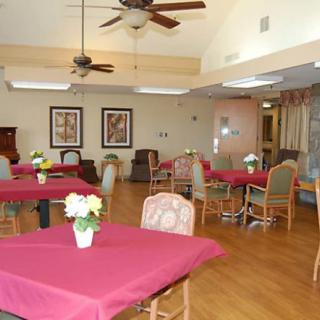
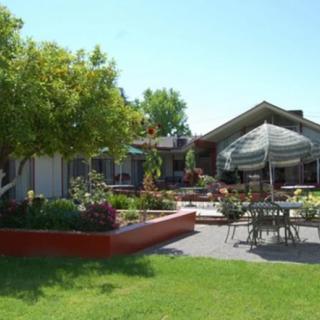
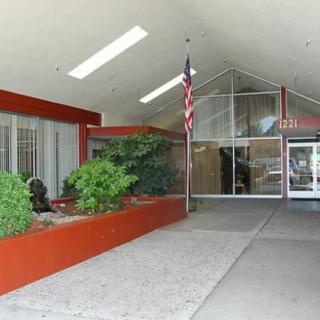
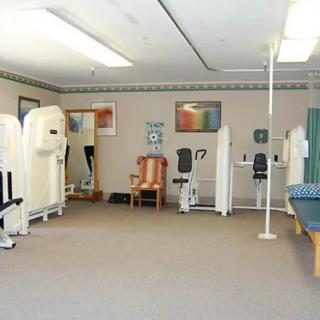
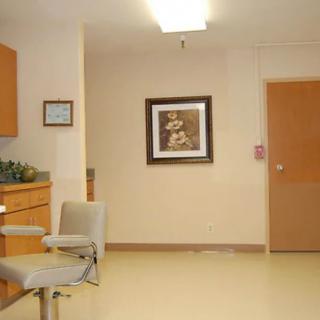
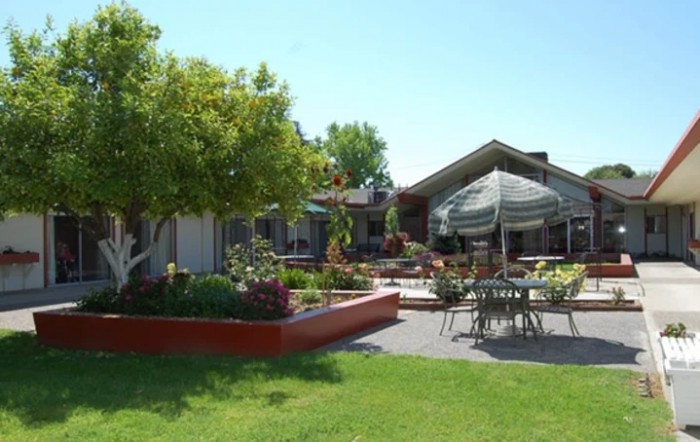
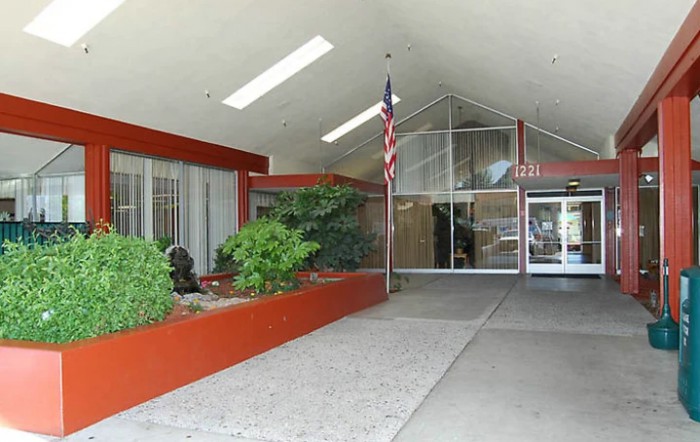
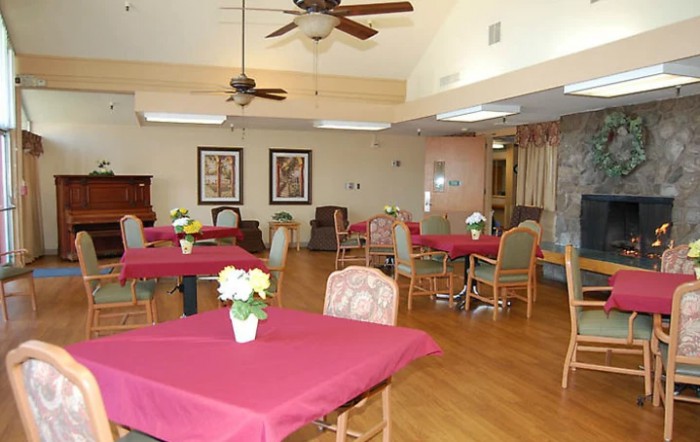
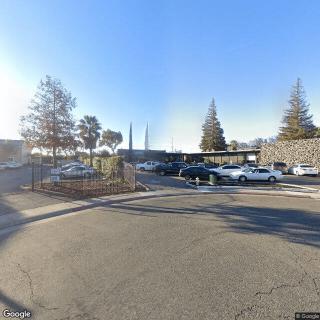
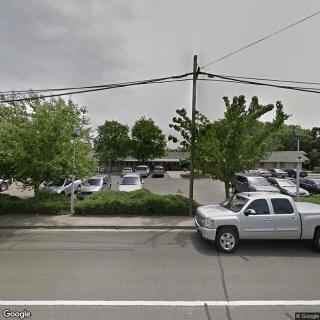
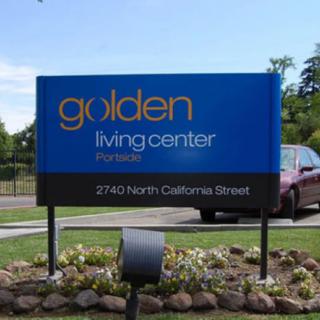
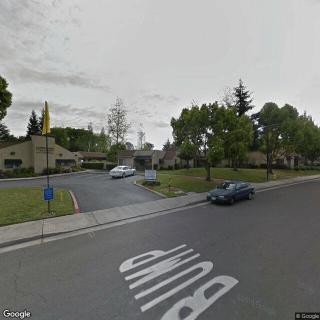
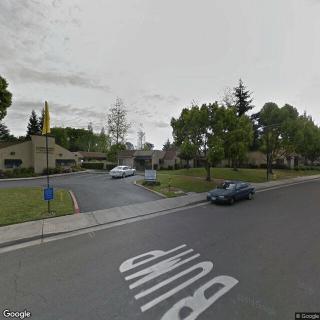
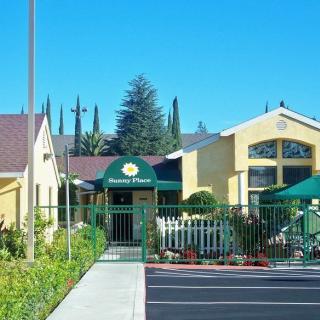
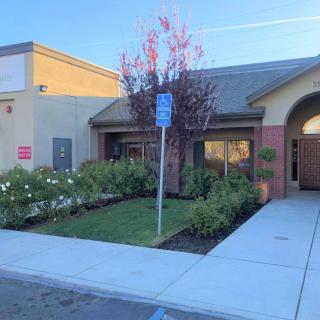
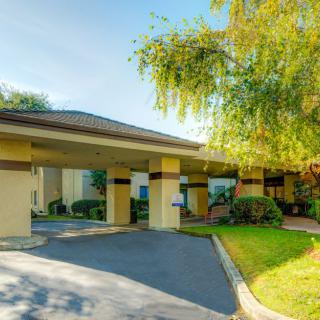
Dycora Transitional Health - Quail Lake on seniors.fyi includes 6 photos including images showing interior, patio, dining, office, garden, outdoors, landscaping, entrance, and more.
Nearby Communities
Rose Place Memory Care
Stockton, CA
3.8 from 68 reviews
$3,595 to $4,595 / month
Friendly, attentive staff in a clean environment with improved care under new management.
Crestwood Manor - 104
Stockton, CA
5 from 2 reviews
24/7 supervision with memory care and skilled nursing.
Maxim Healthcare
Stockton, CA
3.6 from 32 reviews
Proximity to cafes, parks, pharmacies, physicians, restaurants, and hospitals.
Delta Senior Care Home
Stockton, CA
3.6 from 11 reviews
$2,500 to $5,000 / month
Bright, welcoming environment with caring staff and flexible room options.
Courtyard At Venetian Terrace
Stockton, CA
4.1 from 31 reviews
$635 to $895 / month
Very affordable pricing; pet-friendly; pool
Courtyards At Venetian Terrace
Stockton, CA
4.1 from 31 reviews
Strong access to medical services and nearby dining and parks.
Sunny Place of Stockton
Stockton, CA
4.5 from 21 reviews
$3,500 / month
Caring staff, high cleanliness, and a family-like atmosphere.
Summerfield Memory Care Of Stockton
Stockton, CA
4.6 from 122 reviews
$4,295 to $5,595 / month
Caring, engaged staff with strong family communication and focused memory-care programming.
The Oaks At Inglewood
Stockton, CA
4.7 from 60 reviews
Friendly, attentive staff in a welcoming, homelike setting with diverse activities and dining options.
Elder law attorneys assist older adults and their families with legal matters such as estate planning, Medicaid eligibility, and guardianships, while also providing protection against elder abuse. They help navigate complex regulations to safeguard financial resources, ensure well-being, and maintain autonomy for seniors.
Caregiving for an aging parent entails emotional and financial responsibilities accompanied by significant tax implications, including potential benefits from claiming them as dependents and deductions for medical expenses and caregiving costs. Caregivers must understand eligibility requirements, maintain thorough documentation, and consider consulting a tax professional to navigate these complexities effectively.
Low-impact exercises are vital for seniors as they promote health, independence, and social interaction while reducing joint strain. These adaptable activities, guided by healthcare professionals, enhance strength, flexibility, and emotional well-being.
Get PricingAsk A QuestionSchedule A TourContact Senior Advisor
By clicking submit, you agree to our Partner's Terms of Use. You
also consent to receive calls and texts, which may be autodialed, from our Partner. Your consent is not a condition to
using our Partner's service. Please visit our Partner's Privacy Policy for information about their privacy practices.

 99 resident community capacity
 Skilled Nursing Facility
 Air-conditioning
 Beauty salon
 Cable or satellite TV
 Computer center
 Dining room
 Fitness room
 Fully furnished
 Gaming room
 Garden
 Housekeeping services
 Kitchenette
 Move-in coordination
 Outdoor space
 Private bathrooms
 Restaurant-style dining
 Small library
 Telephone
 Wellness center
 Wi-Fi/high-speed internet available
 Community operated transportation
 12-16 hour nursing
 24-hour call system
 Activities of daily living assistance
 Assistance with bathing
 Assistance with dressing
 Assistance with transfers
 Diabetes diet
 Medication management
 Mental wellness program
 Special dietary restrictions
 Concierge services
 Planned day trips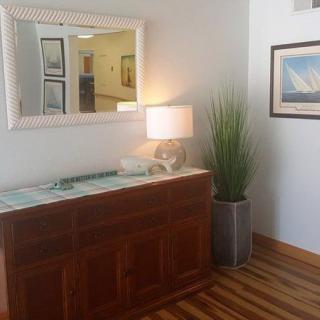
 Friendly, attentive staff in a clean environment with improved care under new management.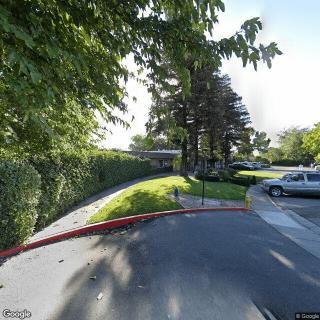

 6 Crucial Ways an Elder Law Attorney Assists Families
 Navigating the Tax Landscape of Caregiving: Credits, Deductions, and Beyond
 Highly Beneficial Low-Impact Exercises for Senior Living Residents