
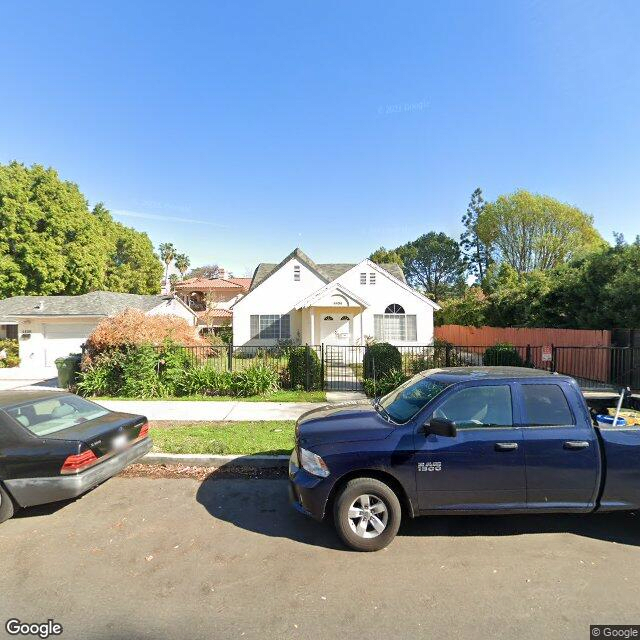
4434 Stern Avenue, Sherman Oaks, CA 91423
For more information about senior living options: (866) 208-4318
Golden Year 3 Costs & Pricing
In Golden Year 3, the costs for senior care reflect a notable premium compared to both Los Angeles County and the broader state of California. A semi-private room in this facility is priced at $4,500 per month, which exceeds the county's average of $3,349 and the state's typical rate of $3,333. Similarly, the cost of a studio apartment is set at $5,500, surpassing the county's average of $4,172 and California's average of $4,145. These figures indicate that while Golden Year 3 may offer enhanced amenities or services justifying its higher rates, they do position it as one of the more expensive options available within the region.
| Floor plans | Golden Year 3 | Los Angeles County | California |
|---|---|---|---|
| Semi-Private | $4,500 | $3,349 | $3,333 |
| Studio | $5,500 | $4,172 | $4,145 |
Memory care communities with a similar price nearby
-
from +$500 / mo

Sweet Home Senior Living #1
$5,000 to $7,500 / month1.8 miles away -
About the same
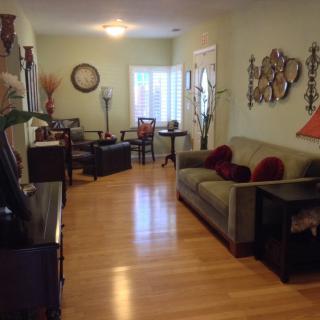
Ardenville Home Care I
$4,500 / month6.6 miles away -
from -$700 / mo
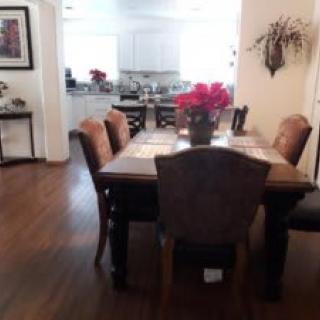
America's Care Manor
$3,800 to $4,000 / month16.0 miles away -
from -$500 / mo
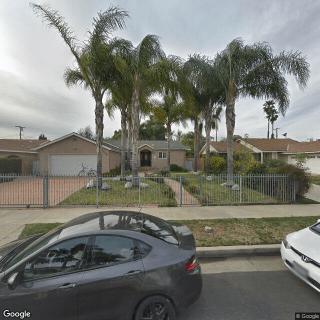
Land of Peace 6
$4,000 to $5,500 / month10.9 miles away -
from +$500 / mo
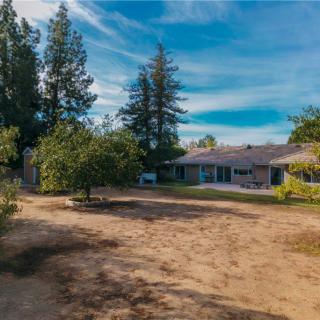
A Caring Touch Board and Care
$5,000 / month10.8 miles away
Overall Review of Golden Year 3
Pros
 can’t create positive statements from this negative review. Here’s a neutral, third-person summary of the observations:
- The place is described as old and run-down.
- Seniors are depicted as spending much of their time watching TV in bed.
- Activities are limited, with an exercise bike facing a corner as the only mentioned activity.
- The reviewer does not feel it would be a happy place to live.
Cons
 It was an old, run-down place.
- The seniors did nothing but watch TV in bed all day.
- The only activity is an exercise bike facing a corner.
- It does not seem like a very happy place to live.
Review
Golden Year 3 in Sherman Oaks is best suited for seniors who want a bare-bones, no-frills living arrangement and are comfortable with minimal social programming. The one credible firsthand account portrays a facility whose atmosphere and upkeep do not invite engagement or joy. In this setting, the priority is shelter over social life, with residents largely left to occupy themselves with passive activity. For families prioritizing quiet, low-stimulation environments, and a predictable routine without the expectation of wellness classes or excursions, Golden Year 3 may check the basic box of a place to live. The question is whether the lack of vitality aligns with a loved one’s needs for stimulation, companionship, and daily purpose.
Who should consider alternatives? Any family seeking a warm, engaging community with regular activities, bright common spaces, and a sense of forward momentum should look elsewhere. The review warns of an old, run-down appearance and a stale routine where seniors spend much of the day in bed watching television. For anyone evaluating care that includes on-site social interaction, purposeful programming, and accessible fitness options, this community does not deliver. Prospective residents who prize modern amenities, clean aesthetics, teamwork with staff on wellness goals, and a lively atmosphere will likely feel the gap quickly. In short, this is not a fit for vibrant, people-centric living.
Assessing the few positives against the weight of the negatives shows how the math fails to balance. The sole exercise asset, a bike facing a corner, signals at best a token nod to physical activity rather than a robust wellness program. That small amenity cannot compensate for an environment that feels old and tired, nor for the impression that residents are passively occupying space rather than actively living. The lack of meaningful programming or visible social events materially undermines quality of life. In decision terms, the potential for a calmer, minimalistic routine is overshadowed by the risk of isolation, boredom, and deteriorating mood over time.
Maintenance and atmosphere matter, and Golden Year 3 leans toward neglect in the reviewer’s telling. The painting is that maintenance may be inconsistent in a facility described as "old" and "run down," with activities that scarcely exist beyond a single exercise station. When residents spend days in bed watching TV, the risk is not merely dullness but a decline in cognitive and emotional well-being. Staffing attitudes and responsiveness cannot be inferred from a single account, but the absence of visible engagement signals that basic wellness supports may be limited. In practical terms, families must decide whether a silence-filled day-to-day routine is acceptable and safe for a long-term stay.
Decision-makers should pursue concrete due diligence before placing a loved one here. If the choice is still under consideration, demand a fresh tour focusing on cleanliness, safety, and life enrichment opportunities. Request a current activities calendar, sample menus, and staffing schedules; ask to meet direct care staff and observe how they interact with residents. Evaluate the physical layout: are common areas inviting, are bathrooms and corridors well-lit and clean, and is there space for walkways and socialization? Consider arranging trial days or a short-term stay to test whether the friendly energy, or lack thereof, aligns with expectations. Without this verification, the risk of buyer’s remorse remains high.
Bottom line: Golden Year 3 is a high-risk option for most seniors, particularly those who value activity, connectivity, and a dignified living environment. It may only be suitable for individuals with minimal social needs who prioritize a straightforward routine or budget constraints that cannot be met elsewhere. For families and seniors who want reliable programming, active engagement, and a home-like atmosphere, alternatives with stronger maintenance, clearer vitality, and brighter common spaces are strongly preferred. In the search for the right fit, this community should be used as a cautionary benchmark rather than a first choice.
 6 resident community capacity
 Assisted Living
 Board and Care Home
 Memory Care
 Cable or satellite TV
 Dining room
 Fully furnished
 Garden
 Housekeeping services
 Move-in coordination
 Outdoor space
 Telephone
 Wi-Fi/high-speed internet available
 Burbank-Glendale-Pasadena (6 miles away)
 24-hour supervision
 Activities of daily living assistance
 Ambulatory care
 Assistance with bathing
 Assistance with dressing
 Assistance with transfers
 Diabetes diet
 Incontinence care
 Meal preparation and service
 Medication management
 Special dietary restrictions
 Transportation arrangement (medical)
 Transportation to doctors appointments


 Understanding Medicaid Coverage for Assisted Living: A Comprehensive Guide
 How and When Medicaid May Cover Assisted Living Costs
 A Detailed Exploration of Assisted Living Medicaid Waivers Across the United States