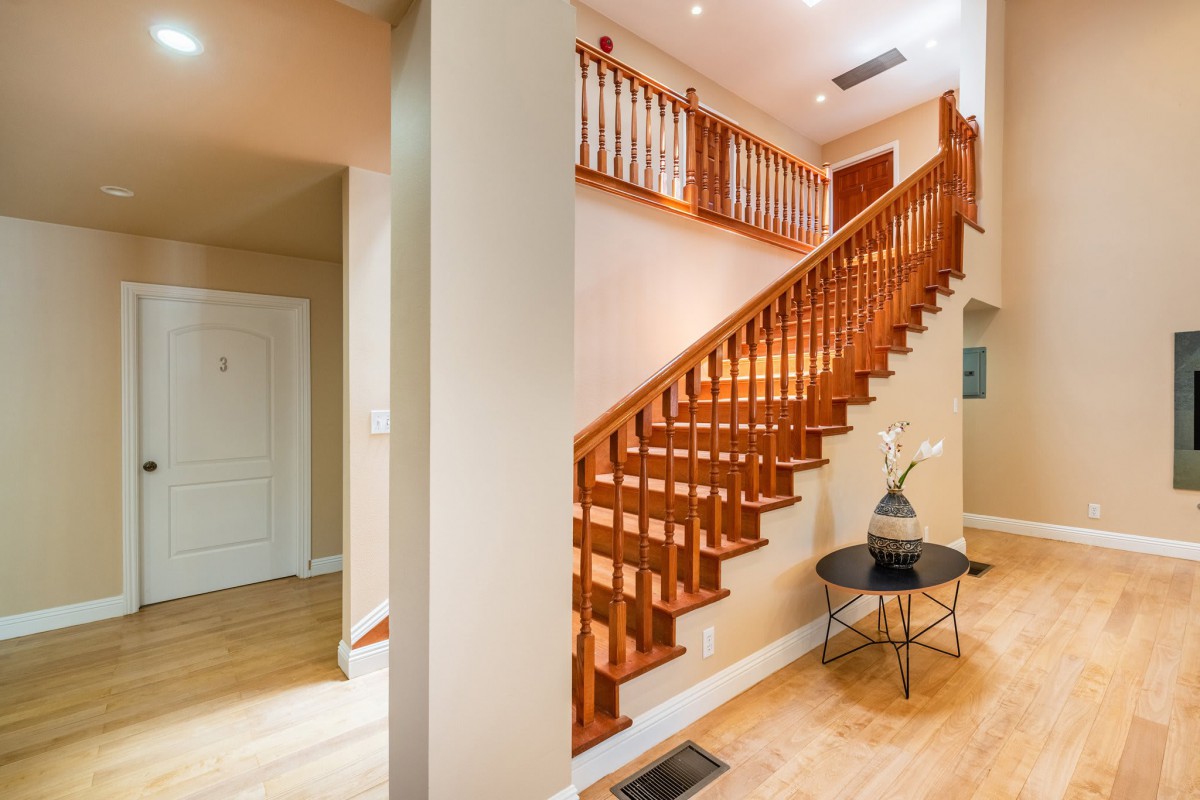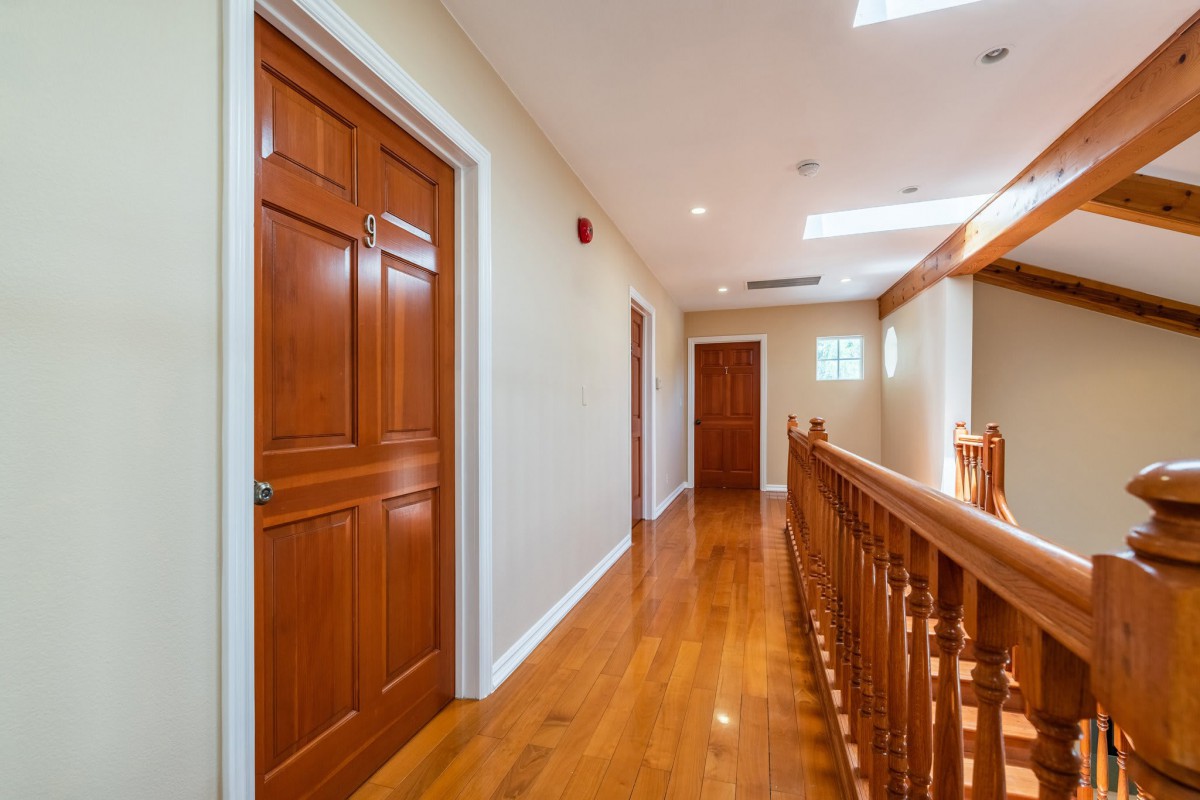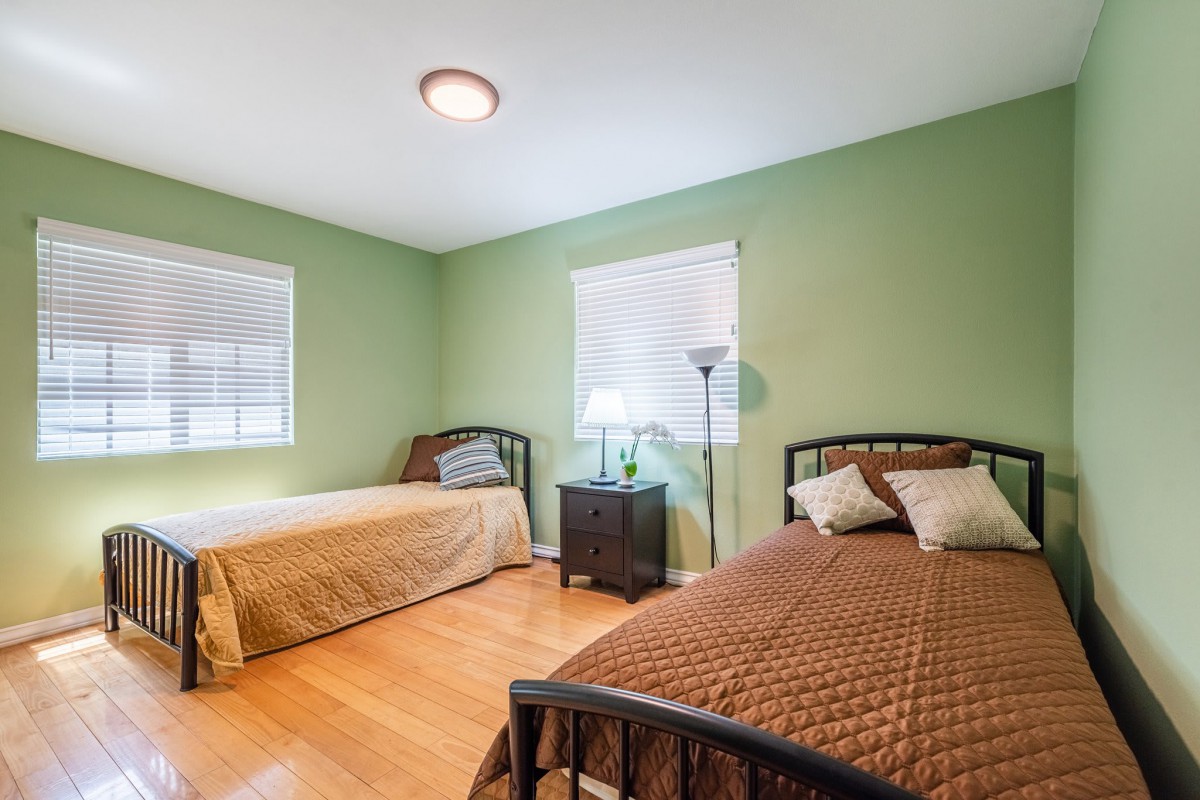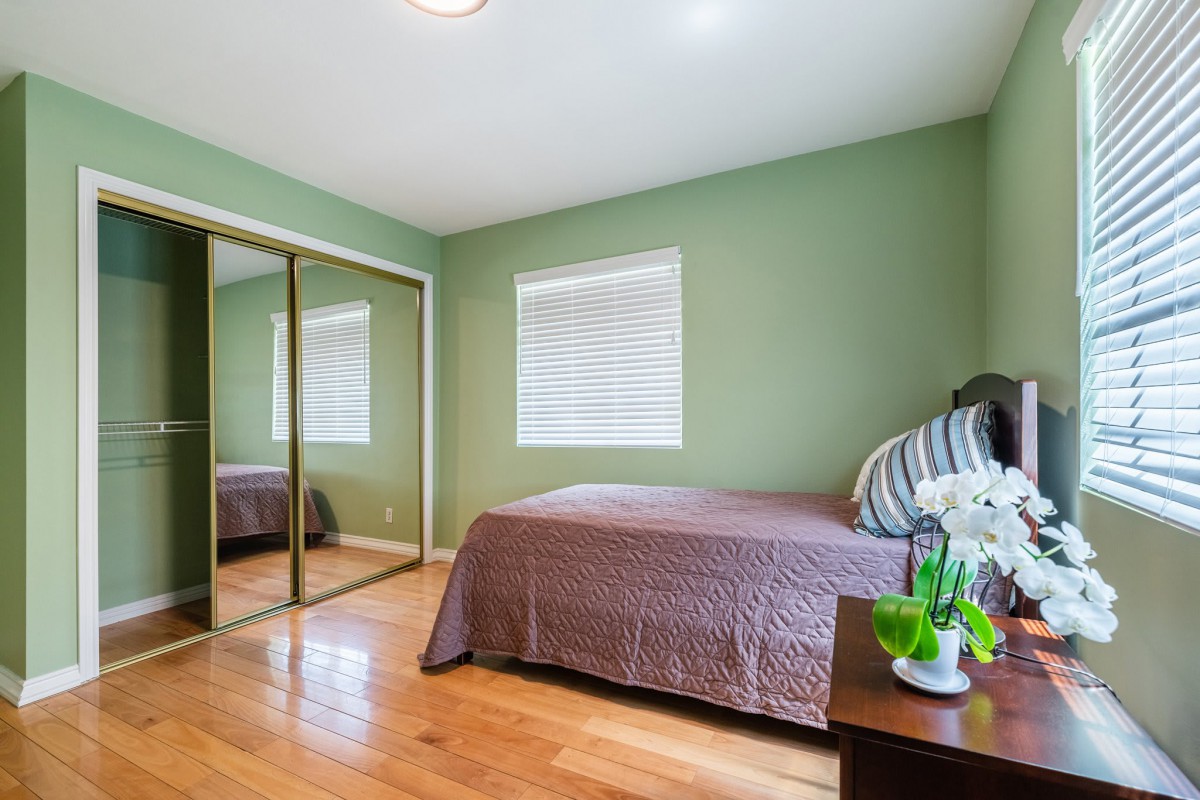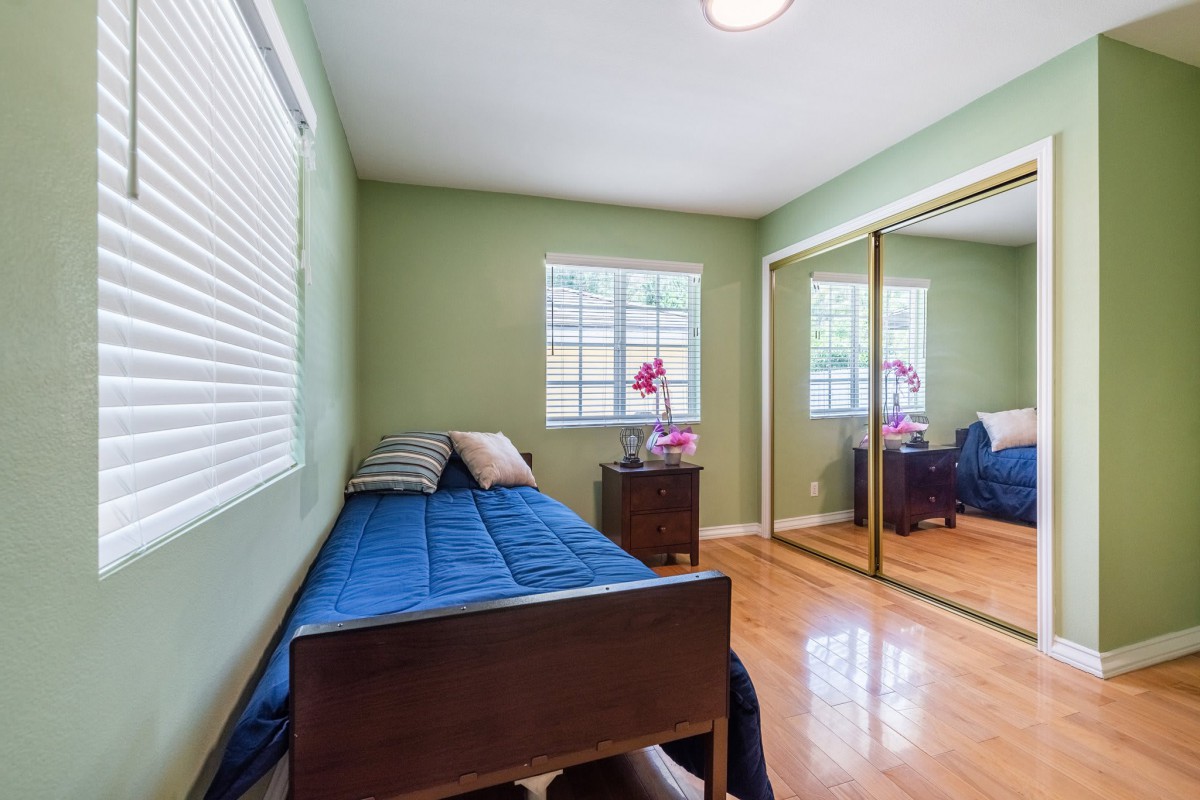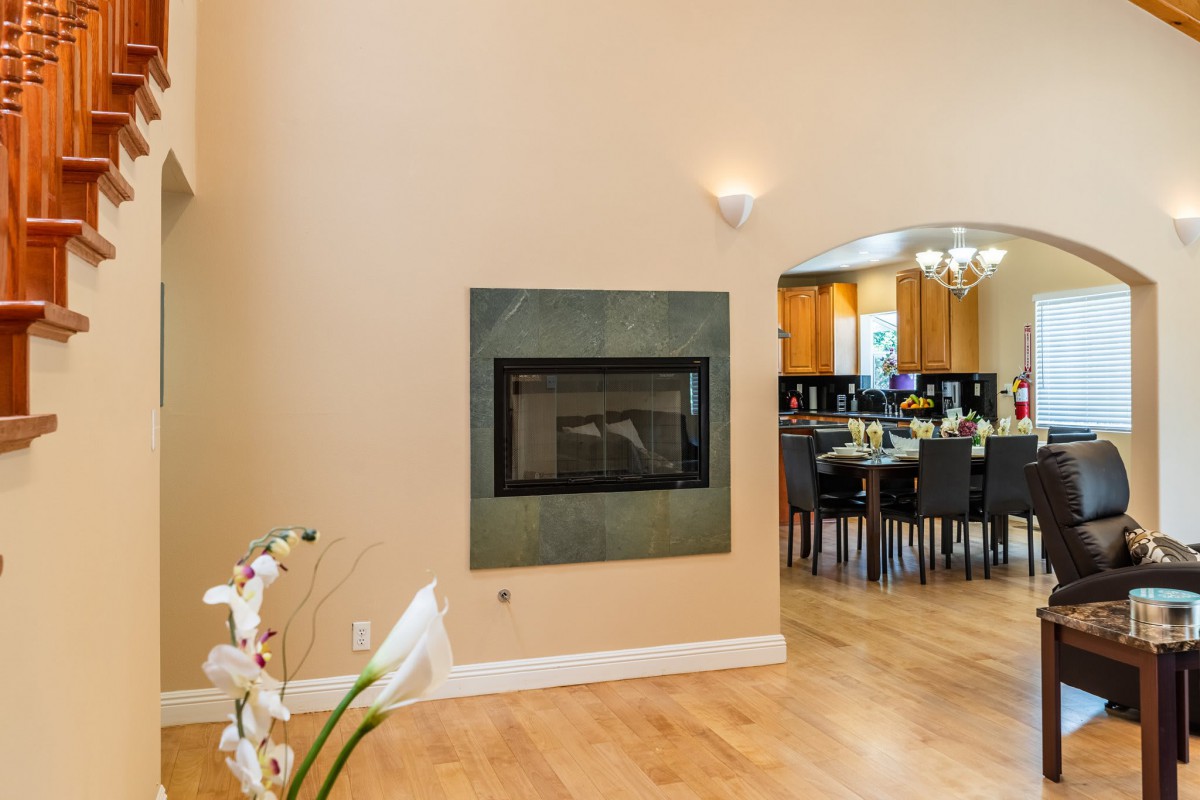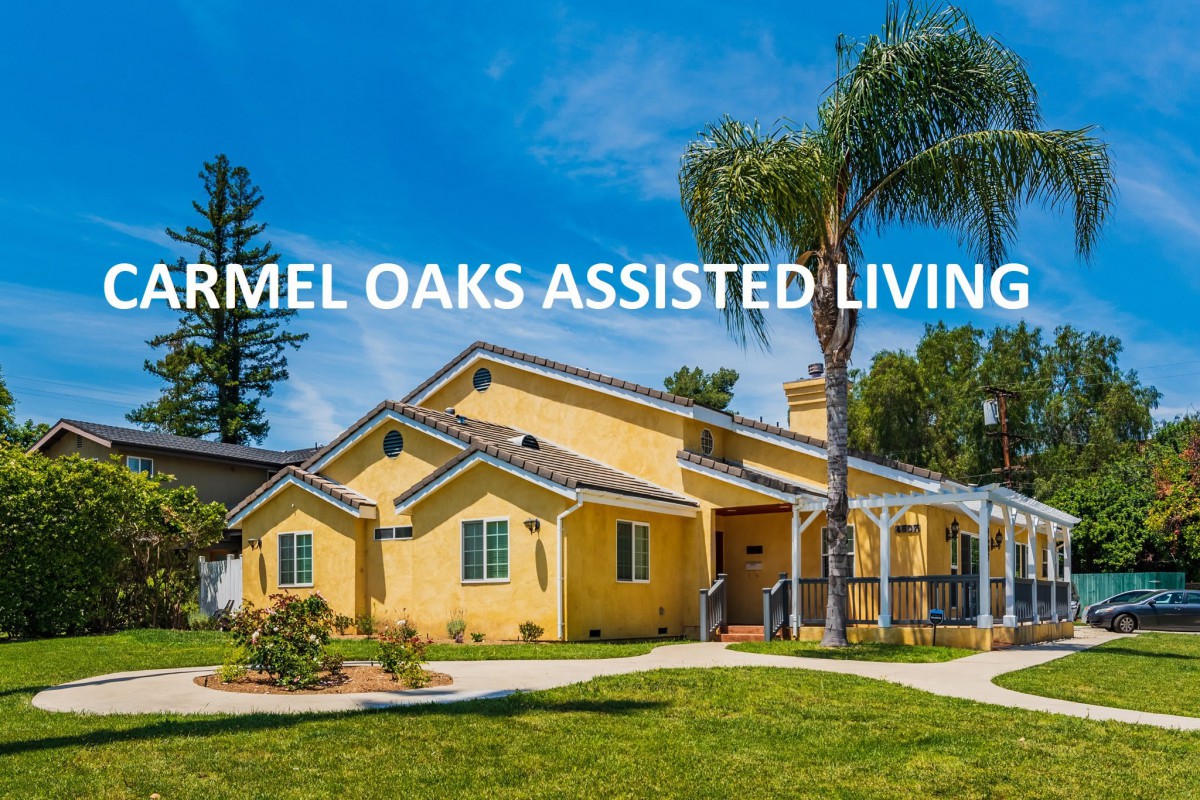


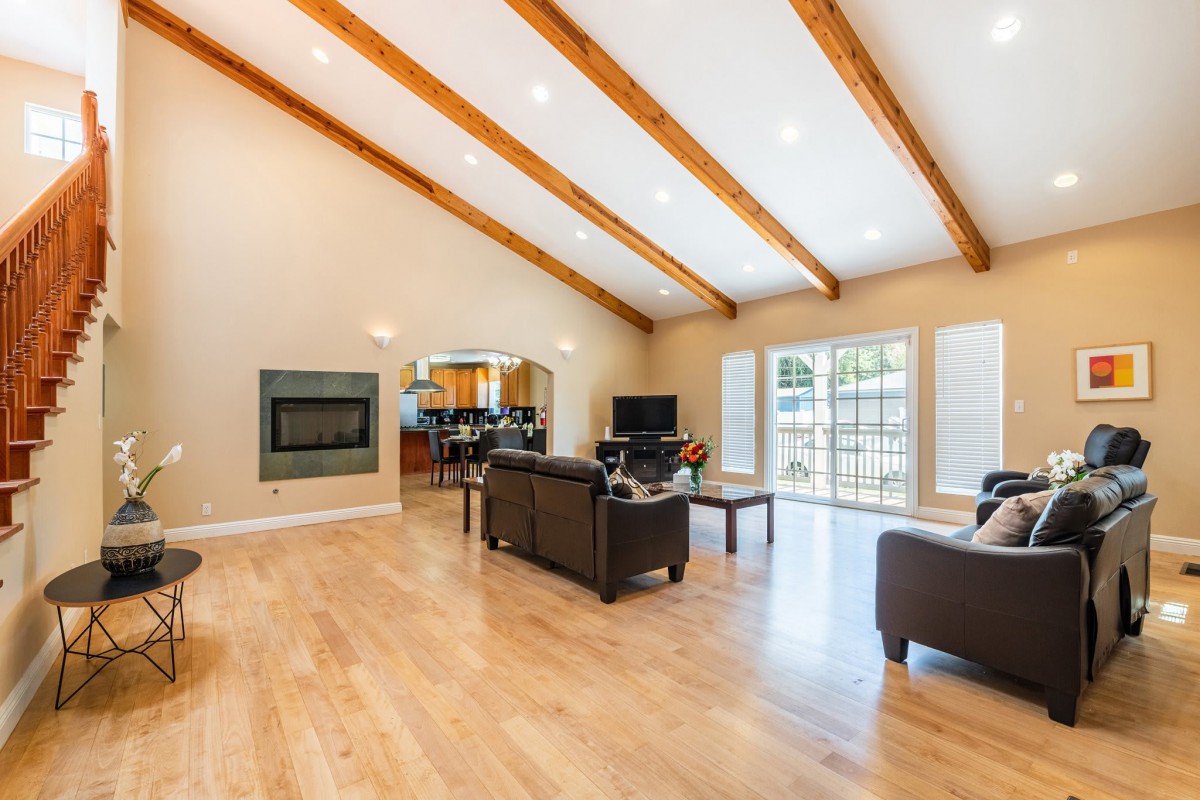




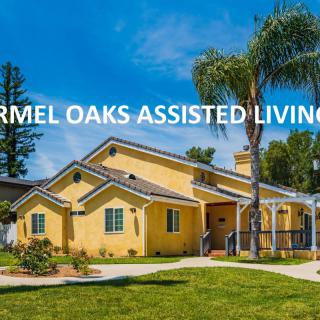


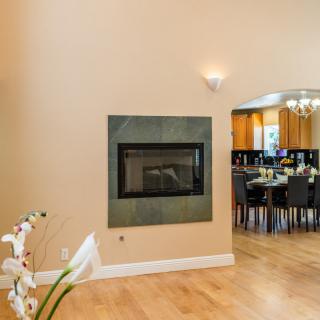

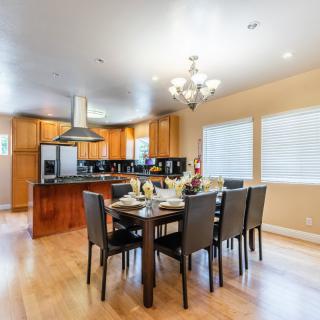





4607 Lennox Avenue, Sherman Oaks, CA 91423
For more information about senior living options: (866) 208-4318
Carmel Oaks Assisted Living Costs & Pricing
Carmel Oaks Assisted Living offers competitive pricing for its residents, with costs that reflect both the quality of life and support provided within the facility. For a semi-private room, the monthly rate is $3,500, which is slightly higher than the average in Los Angeles County at $3,349 and California's state-wide average of $3,333. When it comes to private accommodations, Carmel Oaks charges $5,000 per month - this exceeds the county's average of $4,197 and the statewide figure of $3,939. These rates signify that while Carmel Oaks may be on the higher end compared to surrounding options, they are likely reflective of enhanced services or amenities available to their residents.
| Floor plans | Carmel Oaks Assisted Living | Los Angeles County | California |
|---|---|---|---|
| Semi-Private | $3,500 | $3,349 | $3,333 |
| Private | $5,000 | $4,197 | $3,939 |
Assisted Living communities with a similar price nearby
-
About the same

Kind Heart Home Care VI
$3,500 to $5,000 / month24.1 miles away -
from +$500 / mo

Palomino Residential Care
$4,000 to $6,000 / month19.3 miles away -
from -$500 / mo
Thousand Oaks Home Care IV
$3,000 to $4,000 / month24.6 miles away -
from -$500 / mo
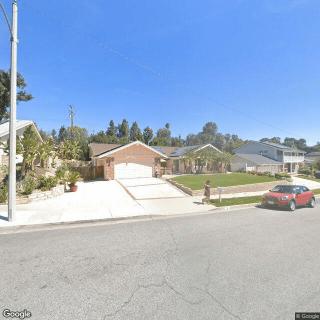
Thousand Oaks Home Care II
$3,000 to $4,000 / month24.8 miles away -
from +$300 / mo

America's Care Manor
$3,800 to $4,000 / month15.4 miles away
Overall Review of Carmel Oaks Assisted Living
Pros
 The care their loved one received was second to none, with knowledgeable staff and unmatched bedside manner.
- They would readily recommend this place to several peers.
- It is a very caring and experienced place—a beautiful, safe home with very good communication.
- The staff go above and beyond for their patients, providing peace of mind to families.
- The care helped their father gain weight and appear happy and healthy.
- For their grandmother, the staff's communication and care brought the family lasting peace of mind.
Cons
 They have put up illegal and fake signs to deter parking at the facility, including a fake fire lane sign and illegal towing signs on the building’s side, though it is a public street.
- They have attempted to intimidate people with threats of towing cars if they park in front of the building.
- The five-month stay was in a very poor environment with safety concerns and haphazard care, showing no real concern for her welfare.
- The staff reportedly lack the necessary knowledge or skill, presenting well on the surface but failing to provide genuine care.
- The resident became afraid and psychologically miserable, bullied by a caretaker and unhappy with the food.
- This place should be closed down.
Review
This community is best suited for families that want deeply affectionate, hands-on daily care and are prepared to supervise operations closely. When the front-line caregiving team is engaged, residents appear well cared for, meals and routines feel thoughtful, and family members gain genuine peace of mind from reliable, responsive staff. Carmel Oaks can deliver warmth, strong bedside manners, and clear communication that makes aging in place feel manageable. Yet this upside is contingent on management maintaining consistent, ethical practices and stable staffing, areas where the experience becomes uneven and warrants close scrutiny.
Several strong, positive reports frame Carmel Oaks as a place where care teams are knowledgeable, attentive, and capable of meaningful, observable improvements in a resident’s well-being. Families recount how staff members connect with residents, explain care plans, and respond promptly to needs, creating a sense of safety and trust. In these cases, the home-like setting, safety-minded atmosphere, and proactive communication translate into real reassurance for relatives who live far away or carry heavy caregiving burdens. In short, when the team is aligned and stable, the core caregiving mission shines.
However, a troubling undercurrent runs through other accounts that cannot be ignored. Management practices around parking and signage reveal a willingness to impose rules in an aggressive, confrontational manner, including counterfeit or misleading “fire lane” and towing signage and threats of towing. That behavior raises legitimate concerns about accountability, transparency, and the facility’s relationship with the surrounding community and families. Such episodes color every visit and cast doubt on whether policy and family engagement are handled with fairness and consistency, regardless of how solid the direct-care work may be on any given day.
Even more troubling are reports describing a five-month stay marked by safety concerns, inconsistent care, and a perception of indifference toward resident welfare. The narrative includes caregiver turnover, dissatisfaction with food, and experiences of fear and bullying by staff. These patterns, staff instability, mismatched care, and a lack of responsiveness to family input, point to systemic gaps that can erode trust and trigger difficult transitions for residents. In a setting where consistent, respectful care matters most, these episodes are hard to overlook and can derail the overall experience.
To navigate these realities, prospective residents should pursue a rigorous due-diligence process. Schedule multiple tours at different times of day, request a meeting with the administrator and the lead caregivers, and drill into staffing ratios, training, and turnover history. Demand to see safety features, how quickly staff respond to calls, and how care plans are reviewed and updated. Speak with current residents and families about daily interactions, meal quality, and perceived safety. Compare with nearby communities that demonstrate transparent governance, steady staffing, and clear escalation channels for concerns.
In the end, Carmel Oaks offers undeniable strengths in personal care and compassionate staffing that can deliver substantial value for families prioritizing relational care and a nurturing environment. Yet the extent and seriousness of the management and safety concerns cannot be dismissed. For families who require scrupulous governance, consistent policies, and a proven track record of stable staffing, alternatives are prudent. If the decision is to pursue Carmel Oaks, enter with explicit expectations, enforceable guardrails, and a structured plan for regular reviews, incident follow-ups, and a direct line of accountability to ensure safety, dignity, and sustained quality of care.
 6 resident community capacity
 Assisted Living
 Board and Care Home
 Activities off-site
 Air-conditioning
 Bath tubs
 Cable or satellite TV
 Devotional services off-site
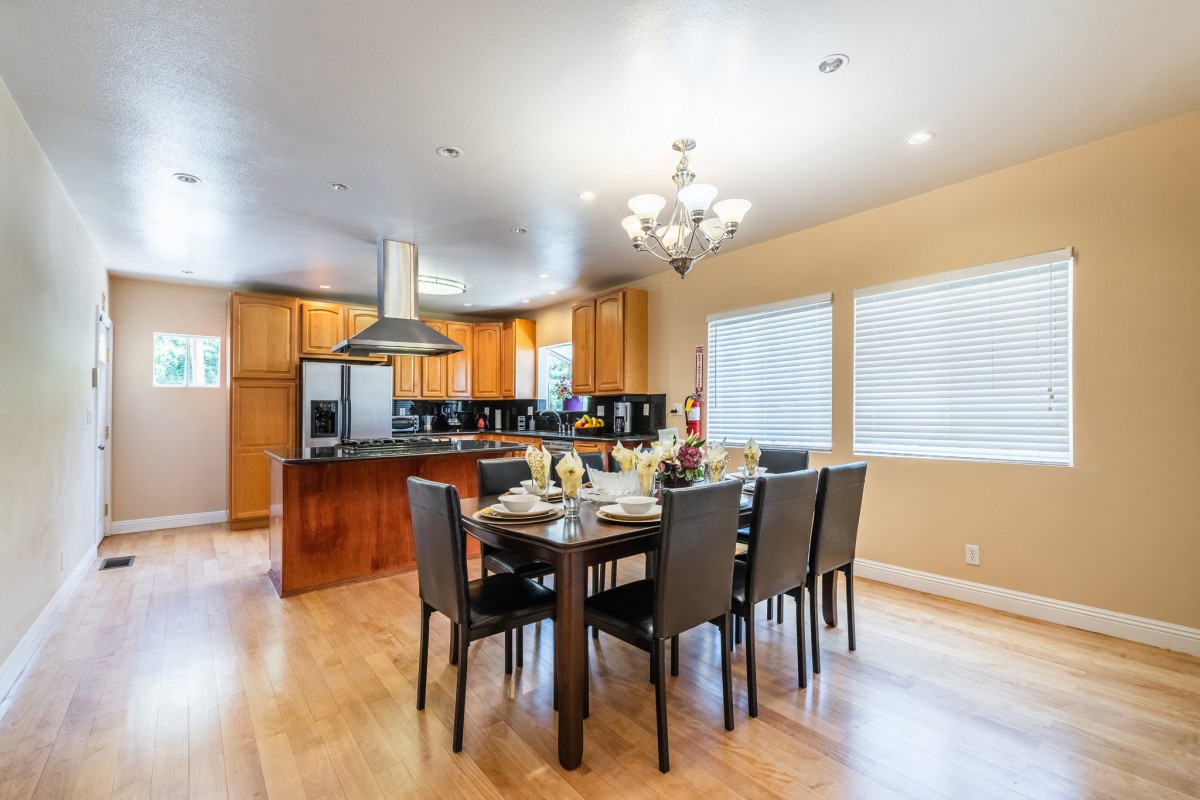
 Dining room
 Fully furnished
 Garden
 Handicap accessible
 Housekeeping services
 Indoor common areas
 Move-in coordination
 Outdoor common areas
 Private
 Private bathrooms
 Respite or short term stays offered
 Telephone
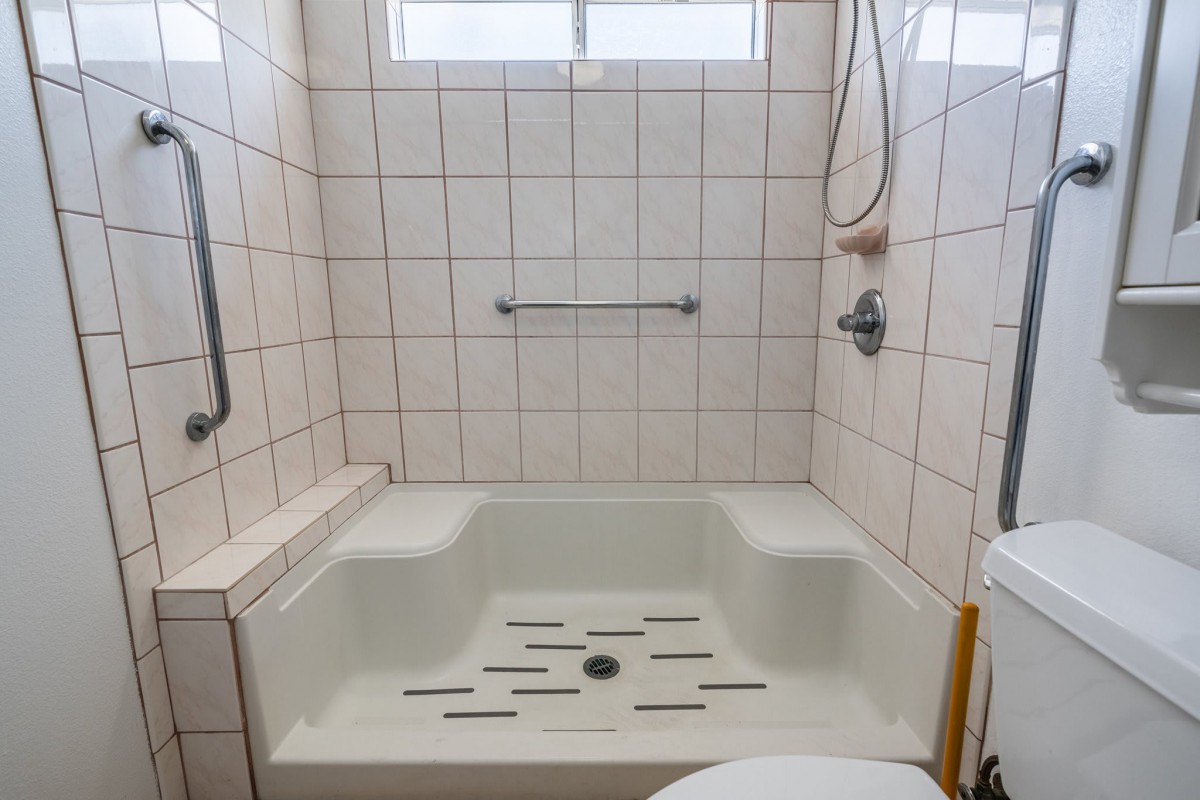
 Wheelchair accessible showers
 Wi-Fi/high-speed internet available
 Burbank-Glendale-Pasadena (6 miles away)
 24-hour supervision
 Ambulatory care
 Assistance with bathing
 Assistance with dressing
 Assistance with transfers
 Diabetes diet
 Diabetic care
 High acuity care
 Incontinence care
 Meal preparation and service
 Medication management
 Special dietary restrictions
 Transportation arrangement (medical)
 Transportation to doctors appointments
 Art classes
 Day trips and outings
 Forever fit
 Live dance or theater performances
 Live musical performances
 Live well programs
 Visiting Rabbi
 Visiting chaplain or priest






 Beyond the Bingo Hall: 50+ Enriching Activities for Seniors in Assisted Living
 Understanding the Distinctions: Assisted Living and Memory Care Explained
 Guiding Elderly Parents Who Refuse Assisted Living: 6 Practical Steps