
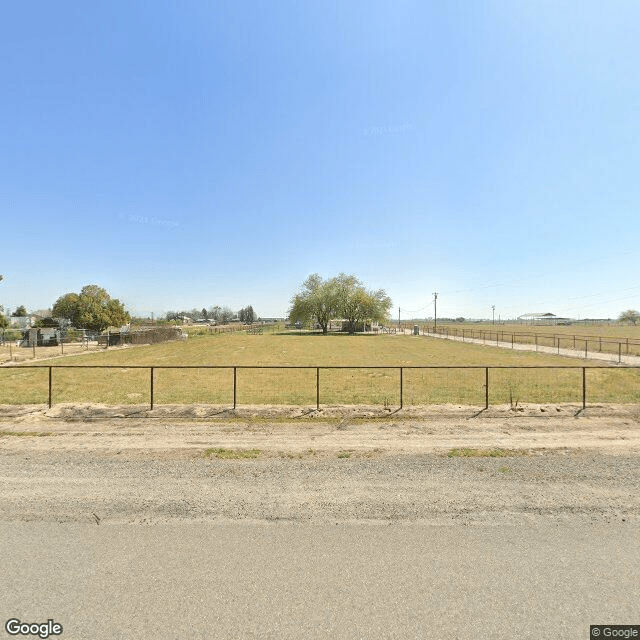
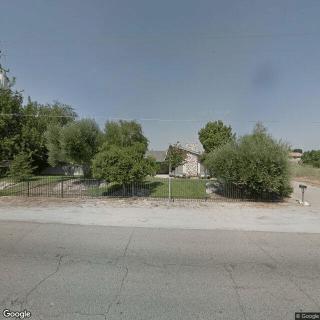
13100 South Highland Avenue, Selma, CA 93662
For more information about senior living options: (866) 208-4318
Country Care Costs & Pricing
Country Care's monthly costs for a semi-private room are set at $3,000, positioning it competitively within the local market. In comparison to Fresno County, where the average cost stands at $2,991, Country Care offers an appealing alternative that reflects its unique services and amenities. When we look at the state level in California, where semi-private rooms average $3,333, Country Care presents a more affordable option without sacrificing quality of care. This strategic pricing not only provides value for residents but also ensures that families can access compassionate support without overextending their budgets.
| Floor plans | Country Care | Fresno County | California |
|---|---|---|---|
| Semi-Private | $3,000 | $2,991 | $3,333 |
Memory care communities with a similar price nearby
-
from -$200 / mo
Chateau Jesadean
$2,800 / month21.2 miles away -
from -$400 / mo
Northwest Villa
$2,600 / month21.3 miles away -
from +$200 / mo
Blossom Creeks Assisted Living
$3,200 to $3,800 / month12.9 miles away -
from +$300 / mo
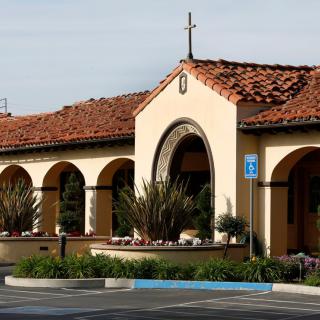
Nazareth House
$3,300 / month17.5 miles away -
from +$200 / mo
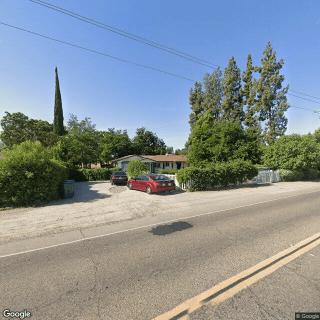
Clovis Guest Home
$3,200 / month20.2 miles away
Overall Review of Country Care
Pros
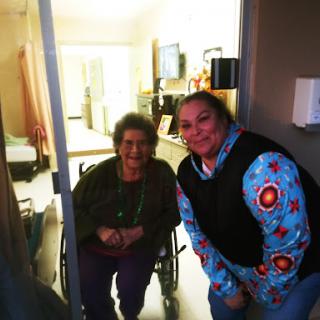
 They provided loving care for the mom for three years.
- Their love for her never wavered.
- The grandma is happy there and loves it.
- The owners and all the staff are loving and caring.
Review
Country Care in Selma, CA is best suited for families seeking a small, intimate, home-like setting where elderly residents, particularly those with dementia, receive steady, loving care over the long haul. The community’s strength lies in continuity: a devoted team of owners and caregivers who demonstrate a consistent, affectionate approach to daily life, routines, and the emotional needs of residents. For families prioritizing warmth, familiarity, and a sense of being cared for as individuals rather than as a number, Country Care becomes a compelling option.
Those evaluating options should consider alternatives for residents who require a broader medical footprint or a more bustling campus. If the priority is a larger facility with extensive on-site medical services, advanced rehabilitation programs, or a wider array of amenities and activities, other communities may better fit. Similarly, for families seeking aggressive clinical oversight, highly specialized therapy, or frequent access to multiple specialists, this may not be the optimal match. The strongest fits here, however, are those who value stable relationships, constant staff presence, and a home-like atmosphere over sheer size or medical trappings.
The primary advantages converge around compassionate, steady caregiving. The stories of long-term care, “for 3 years” in one case, with dementia care at the center, underscore a level of staff fidelity and attentiveness that can stabilize anxious residents and reduce behavior challenges. The owners’ personal involvement, paired with consistently loving staff, translates into a daily experience of safety, patience, and dignified treatment. In memory care, such relational depth often offsets the limitations one might encounter in smaller homes, fewer formal programs, tighter schedules, or less on-site clinical staff, by delivering reassuring predictability and emotional security.
That said, the strongest pros are most effective when weighed against the care demands of memory impairment and aging in place. The intimate scale can mean fewer on-site medical resources and a narrower menu of structured activities, which matters when medical needs fluctuate or when residents require more frequent clinical assessment. Yet the warmth and continuity, coupled with owners who actively foster a culture of care, often compensate for these gaps by ensuring that concerns are heard quickly, care plans are adjusted promptly, and residents feel consistently valued. In essence, the heart of the operation can trump the limits of the footprint when trust and responsiveness are present.
Families should approach with a practical checklist: confirm staff-to-resident ratios and whether there is dedicated dementia-trained personnel on site at all shifts; inquire about daily routines, safety measures for wandering or agitation, and how personalized preferences are documented and honored; review meal plans, nutrition considerations, and opportunities for meaningful engagement; and ask about medical oversight, pharmacy coordination, and transport to outside appointments. Observe how staff communicate with residents and families, how problems are escalated, and whether residents appear relaxed and engaged during a visit. These details clarify how the demonstrated warmth translates into everyday competence.
In the bottom line, Country Care offers a compelling, compassionate option for families prioritizing intimate, person-centered dementia care within a small, closely supervised environment. It excels for residents who thrive on routine, familiar faces, and a steady, loving presence, where the care team’s devotion becomes a counterweight to the inherent limits of a smaller operation. For families seeking a larger campus, aggressive medical programming, or a broad spectrum of on-site amenities, alternatives should be explored. A focused tour with specific questions about dementia programming, medical coverage, and activity offerings will reveal how well this community aligns with the resident’s needs and family expectations.
 10 resident community capacity
 Assisted Living
 Board and Care Home
 Memory Care
 Cable or satellite TV
 Dining room
 Fully furnished
 Garden
 Housekeeping services
 Move-in coordination
 Outdoor space
 Telephone
 Wi-Fi/high-speed internet available
 Fresno Yosemite International (17 miles away)
 24-hour supervision
 Activities of daily living assistance
 Assistance with bathing
 Assistance with dressing
 Assistance with transfers
 Diabetes diet
 Meal preparation and service
 Medication management
 Special dietary restrictions
 Transportation arrangement (medical)
 Transportation to doctors appointments

 Medications Associated with Dementia Risk: A Comprehensive Overview
 Guiding Your Journey: Understanding Power of Attorney for Elderly Parents
 22 Remarkable Caregiver Support Groups Available Online and In-Person