

1249 23rd St, Santa Monica, CA 90404
To contact a resident: (818) 384-7526
For more information about senior living options: (866) 208-4318
Ocean Gardens III & IV Costs & Pricing
Ocean Gardens III & IV presents a competitive pricing structure within the context of both Los Angeles County and the broader state of California. For those opting for semi-private accommodations, the monthly cost stands at $4,500, significantly higher than the county average of $3,349 and the state average of $3,333. Similarly, private room options are priced at $6,500, which again exceeds both the county's average of $4,197 and California's state average of $3,939. While Ocean Gardens III & IV offers enhanced services and amenities that may justify these higher costs, potential residents should carefully consider their budget in relation to local market trends before making a decision.
| Floor plans | Ocean Gardens III & IV | Los Angeles County | California |
|---|---|---|---|
| Semi-Private | $4,500 | $3,349 | $3,333 |
| Private | $6,500 | $4,197 | $3,939 |
Senior living communities with a similar price nearby
-
from -$500 / mo

Palomino Residential Care
$4,000 to $6,000 / month19.7 miles away -
from +$500 / mo

Sweet Home Senior Living #1
$5,000 to $7,500 / month10.4 miles away -
About the same
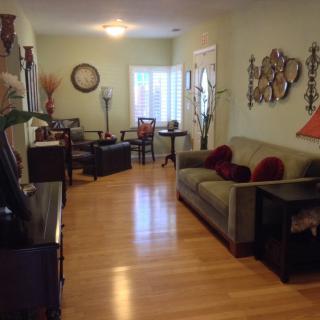
Ardenville Home Care I
$4,500 / month14.6 miles away -
from -$700 / mo

America's Care Manor
$3,800 to $4,000 / month19.8 miles away -
from -$500 / mo
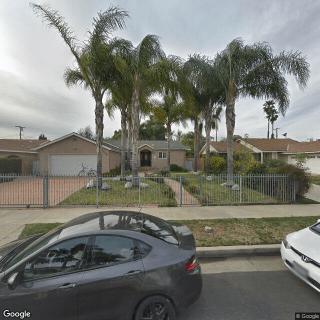
Land of Peace 6
$4,000 to $5,500 / month13.6 miles away
Overall Review of Ocean Gardens III & IV
Pros
 The place is nice.
- The place is a cool place for old folks.
Cons
 The staff have an attitude.
- They appear to hate their jobs, and that feeling is evident.
- There are posted notices showing the staff have been investigated.
- The reviewer wishes everyone would leave the place.
- The bathroom is unappealing, with issues around the toilet and toothbrushes.
Review
Ocean Gardens III & IV in Santa Monica is best suited for seniors who prize a relaxed, social, community-centric environment and can manage most daily tasks with minimal hands-on assistance. The facility reads as a “cool place for old folks,” where atmosphere and neighborly interaction appear to be the selling points. For residents who want a bright common-area vibe, accessible amenities, and opportunities to mingle, this community delivers a livable, low-stress setting. It is not pitched as a high-touch care campus; the emphasis seems to be on ambience and companionship rather than intensive supervision or medical support. Those selecting Ocean Gardens should enter with a clear expectation that the strongest draw is the social milieu, not a turnkey care solution.
This community will attract families and individuals comfortable with a middling overall rating and willing to tolerate potential red flags in exchange for the right vibe. It carries a modest rating exposure, three overall from two reviews, split between a positive five-star take and a harsh one-star assessment. That contrast signals a reality check: a pleasant environment can coexist with notable downsides in staffing and operations. Prospective residents who place a premium on mood, pacing, and social access may feel satisfied; those who require dependable, consistently positive staff interactions should proceed with caution and gather more firsthand experiences before committing.
The most visible pro is the social, low-key, accommodating atmosphere. Residents likely enjoy informal gatherings, easygoing routines, and a setting that feels welcoming rather than clinical. This advantage matters, because sustained satisfaction in senior living often hinges on whether everyday life feels comfortable and neighborly. However, the gains from this positive vibe are not enough to counterbalance the most seriously troubling cons: staff attitudes that come across as burned out or disengaged, allegations or indications of investigations, and hygiene-related concerns evidenced by remarks about bathrooms and staff facilities. In practical terms, a pleasant common area cannot compensate for inconsistent care, poor staff morale, or questions about governance and safety.
The second tier of risk centers on personnel and oversight. Statements about staff attitude imply a workforce that may be stretched thin or lacking in engagement, which can translate into slower response times, less personalized attention, and a brittle resident-staff dynamic. The mention of investigations posted on a wall raises legitimate concerns about governance, safety culture, and transparency. While these signals do not guarantee ongoing problems, they do underscore the need for diligent, independent verification before placement. Hygiene observations, such as discrepancies between resident and staff facilities, flag practical, day-to-day risks that impact comfort, dignity, and health. Any family considering Ocean Gardens should visit with a critical eye, request candid conversations with staff, and seek up-to-date licensing and inspection records to verify current conditions.
In weighing options, the key question becomes whether the intended resident’s needs align with the established strengths and the acknowledged weaknesses. If independence is strong, daily care needs are minimal, and the priority is a sociable, welcoming environment, Ocean Gardens can be a good fit, provided the resident or family remains vigilant about ongoing staff engagement and facility integrity. If, however, reliable caregiving, consistent staff warmth, transparent governance, and immaculate sanitation are non-negotiables, alternatives deserve serious consideration. Look for communities with demonstrably stable staffing, proactive problem-solving cultures, and clear, accessible accountability trails. A well-structured tour, direct conversations with front-line staff, and a review of recent inspection notes will reveal whether Ocean Gardens’ strengths still hold when scrutinized against its weaknesses.
Ultimately, the decision rests on balancing atmosphere against assurance. Ocean Gardens III & IV offers a congenial, social environment that can support meaningful days for an independent senior who values community life. Yet the downsides, uncertain staff morale, signs of investigations, and questions about sanitary conditions, pose real risks for anyone needing dependable daily support or a consistently uplifting care team. For families prioritizing warmth and sociability with minimal care demands, the clubby, easygoing vibe may tip the scales in favor of staying engaged with this option. For those who cannot compromise on staff reliability, proactive governance, and pristine daily care standards, exploring alternatives is prudent. The prudent path is to gut-check expectations, confirm current staffing realities, and demand transparent, current facility data before deciding.
 Board and Care Home
 Private
 Los Angeles International (7 miles away)







 Essential Knowledge on Pneumonia in Older Adults
 Exploring Palliative Care in the Home: A Comprehensive Overview
 Comprehensive Insights into Palliative Home Care: What It Is and What to Expect