
1029 Red Bark Road, Santa Maria, CA 93454
For more information about senior living options: (866) 208-4318
Overall Review of Cavilla Care Home
Pros
 Villa Care is described as a wonderful place for parents who can’t live alone.
 - Families note that their loved ones receive excellent, compassionate care at Villa Care.
- The staff work well with other health professionals and doctors.
- The home offers a comfortable atmosphere with a sense of life in the community.
- The staff and residents are pleasant, and everyone is kind and professional.
- Villa Home IV is an exceptional senior care facility with warm, friendly staff.
- The facility is impeccably clean and beautifully decorated, creating a welcoming environment.
- The care at Villa Home IV is top-notch, with highly trained, attentive staff who go above and beyond.
- Activities are varied and engaging, and meals are delicious and well-balanced.
- The team at Villa Home IV inspires confidence in providing the best possible care and support.
- Residents are treated like family, with attentive care to preferences and needs.
- Grooming and self-care are impeccable, reflecting personal attention from the staff.
Review
This community is best suited for seniors who cannot live independently but still want a true home-like environment where compassionate, routine care is the core of daily life. Families consistently report a warm, lived-in atmosphere, where staff work closely with physicians and other health professionals, and residents are treated with affection and respect. The testimonials describe meals that residents look forward to, personal grooming and self-care that feel meticulous, and staff who remember residents’ preferences, making each day feel manageable and dignified. For families needing a setting that emphasizes intimate caregiving over institutional formality, this is a compelling match.
Those weighing alternatives should consider options that lean more toward clinical acuity, larger campuses, or highly specialized memory-care programming. If a resident’s needs extend to round-the-clock clinical oversight, highly structured memory-care routines, or expansive on-site medical resources, a bigger facility or a dedicated memory-care campus may be more appropriate. Similarly, families seeking highly diverse programming, extensive transportation services, or a broader range of medical subspecialties might prefer a venue with greater scale and resource depth. In short, this home excels in personal attention and warmth, but may not be the best fit for residents requiring intensive, hospital-style care or broad-based campus amenities.
The strongest pros, personalized attention, a genuinely home-like vibe, and consistently positive staff interactions, largely offset the potential gaps that come with smaller, intimate settings. Reviews repeatedly highlight staff who are patient, courteous, and professionally aligned with medical teams, ensuring residents receive timely help and thoughtful supervision. The intimate environment fosters strong relationships, which translates into a sense of security for families and comfort for residents. The favorable cost narrative further strengthens the case for families seeking high-quality daily care without the sticker shock of larger operators. Where questions arise, the consistently praised grooming, meals, and activity engagement suggest daily routines that support dignity and re-engagement in life.
Evidence across multiple accounts reinforces the conclusion: care teams feel like extended families, and residents often appear happier and better supported than in competing options. Specific stories describe how staff members go the extra mile, how dementia care is approached with patience, and how the overall atmosphere remains inviting even as health needs evolve. The tone across reviews is not merely satisfaction but trust, families repeatedly express confidence in the staff and in the home’s leadership. This combination, human warmth paired with reliable professionalism, consistently translates into practical, everyday benefits for residents and peace of mind for relatives.
For families visiting the community, a practical evaluation should focus on core care capabilities and daily life logistics. Ask about the on-site nursing presence, especially during evenings and weekends; review the care-planning process and how frequently plans are updated; probe staff-to-resident ratios during different shifts; and verify how meals, exercise, and social activities are tailored to individual preferences. Inquire about memory-care capabilities, including staff training for dementia, security measures, and the availability of structured activities. Request a tour of living spaces and dining areas to gauge cleanliness, safety features, and the sense of hominess. Finally, confirm communication practices with families, how updates are delivered, and how family feedback is incorporated into care decisions.
Bottom line: for families seeking a loving, small-house atmosphere where residents are treated as part of a caring family and where staff consistently demonstrate commitment and professional collaboration with medical teams, this option stands out as a strong choice. The 4.9 rating signal and the breadth of positive experiences backing it add credibility to the impression of steady, attentive, value-conscious care. However, for those whose loved one requires intensive medical supervision, formalized memory-care structures, or the expansive resources of a larger campus, it is prudent to explore additional options. A focused tour and frank discussions about acuity, staffing, and daily routines will confirm alignment with the resident’s needs and the family’s expectations.
 6 resident community capacity
 Assisted Living
 Board and Care Home
 Cable or satellite TV
 Dining room
 Fully furnished
 Garden
 Housekeeping services
 Move-in coordination
 Outdoor space
 Telephone
 Wi-Fi/high-speed internet available
 Santa Maria Pub Capt G Allan Hancock (5 miles away)
 24-hour supervision
 Activities of daily living assistance
 Assistance with bathing
 Assistance with dressing
 Assistance with transfers
 Diabetes diet
 Meal preparation and service
 Medication management
 Special dietary restrictions
 Transportation arrangement (medical)
 Transportation to doctors appointments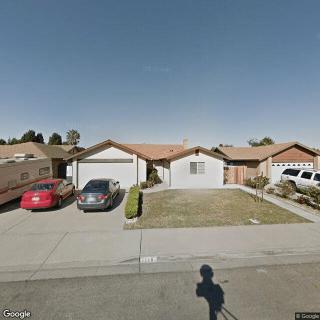



 An Extensive Exploration of the VA Aid and Attendance Benefit
 Senior Transition Services: Understanding Their Role, Cost, and Importance
 Exploring the Path to Senior Living: A Comprehensive Look at Independent Living and Assisted Living