
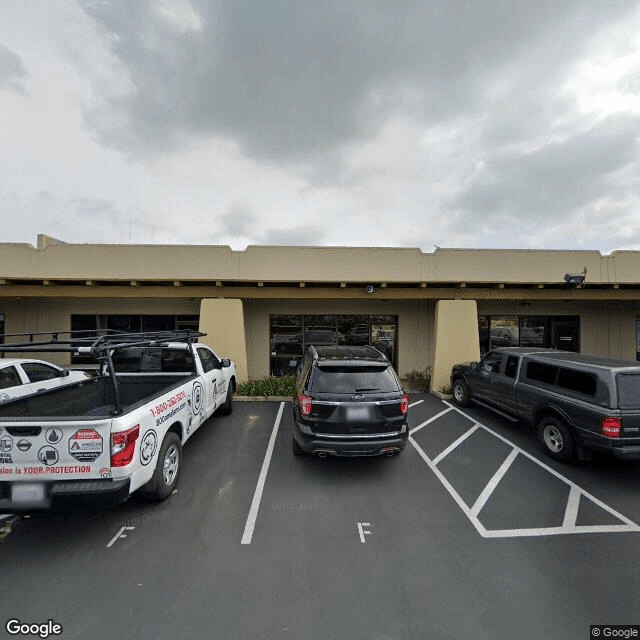
1101 S. Grand Ave., Santa Ana, CA 92705
To contact a resident: (714) 220-2114
For more information about senior living options: (866) 208-4318
Overall Review of VIP Adult Day Health Care Centers
Pros
 The staff genuinely cares for its seniors and participants.
- It is a great place for older adults to spend a few hours a week with others.
- It helps seniors stay active both socially and physically.
- Caring professionals continue to keep in touch with clients even during COVID.
- Meals on Wheels provides VIP Santa Ana Adult Day Health Care.
- The staff is very helpful and caring.
- They offer many activities and physical therapy.
Cons
 They complain that no one ever answers the phone.
- They note that the center cannot accept clients due to COVID, which limits access.
- They express frustration with the phone contact process.
Review
VIP Santa Ana Adult Day Health Care Centers is best suited for seniors who live at home but need a dependable daytime structure, light medical oversight, and regular social interaction. The program functions as a practical hub for activity, movement, and companionship, with the added benefit of transportation back and forth from the client’s residence. It serves families seeking a predictable routine that reduces isolation while avoiding the commitment and cost of full-time residential care. In short, it’s a solid fit for those who want their loved one to stay engaged, active, and connected during the day while remaining in a familiar home environment at night.
That said, this community is not the right choice for everyone. Families facing ongoing needs for 24/7 supervision, intensive memory care, or highly complex medical management may want to consider alternatives. For those who prioritize constant staff availability or require a higher level of oversight than an adult day program can reasonably provide, options such as full-service assisted living or dedicated memory-care communities may deliver a better fit. In addition, if reliable, prompt communication with staff is non-negotiable, exploring facilities with a track record of consistently responsive contact would be prudent.
The strongest positives center on the caregiving ethos and the program’s social infrastructure. Staff are described as genuinely caring, actively supporting seniors in staying socially engaged and physically active. A broad slate of activities and access to physical therapy help counteract isolation and functional decline. The inclusion of on-site medical personnel and social workers adds a level of reassurance for families seeking oversight beyond mere supervision. Transportation by bus to and from home minimizes caregiver burden and makes attendance feasible on a regular basis. Taken together, these elements create meaningful daily value that can translate into improved mood, routine, and functional engagement for participants.
Yet, the service is not without meaningful drawbacks. Communication gaps emerge as a recurring frustration in several reviews, with commenters noting that getting a timely return call or confirmation can be difficult. The overall rating around 2.9 reflects a mixed experience: several families praise the staff and program quality, while others encounter inconsistent responsiveness or variable experiences. Such inconsistencies can be destabilizing for caregivers who rely on regular updates about attendance, progress, or any changes in plans. In this context, the most salient risk is a mismatch between the high value of social and clinical activities and the friction of unclear or delayed communication.
The key pros offset the main drawbacks when the primary objective centers on daytime engagement, light therapeutic support, and caregiver relief. For families that value structured social interaction, routine physical activity, and predictable transportation, the program offers tangible benefits that can justify participation despite communication hiccups. The availability of medical staff and social workers adds a layer of oversight that helps detect concerns early, potentially preventing unnecessary hospitalizations or crises. The transportation feature also stands out as a practical advantage, reducing the logistical and logistical strain on family caregivers who must coordinate daily pickups and drop-offs.
For families evaluating options, a clear action plan is essential. If the goal is to secure a dependable daytime program with social stimulation and some clinical oversight, VIP Santa Ana ADHC is worth a targeted visit or trial during a few weeks. Prospective participants should inquire about a dedicated point of contact, written and digital schedules, and explicit back-up communication channels to avoid delays. Confirm transportation times and days, what activities are typically offered, and how medical and social-work support is coordinated on a weekly basis. If ongoing, intensive medical needs or 24/7 supervision are required, or if communication reliability remains a deal-breaker, alternatives such as other ADHC providers, in-home care, or memory-care-focused facilities should be pursued. The right choice balances meaningful daytime engagement with dependable communication and an appropriate level of care.
 Day Program
 John Wayne Orange Co (4 miles away)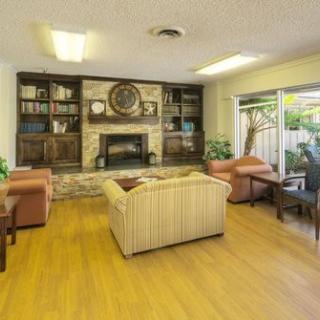




 Home Health Care Aides: Understanding Their Role and Supporting Your Family
 Urinary Tract Infections in Older Adults: Comprehensive Insights on Symptoms, Treatment, and Prevention
 California's Form 602A: An In-Depth Examination of Senior Care Assessment