
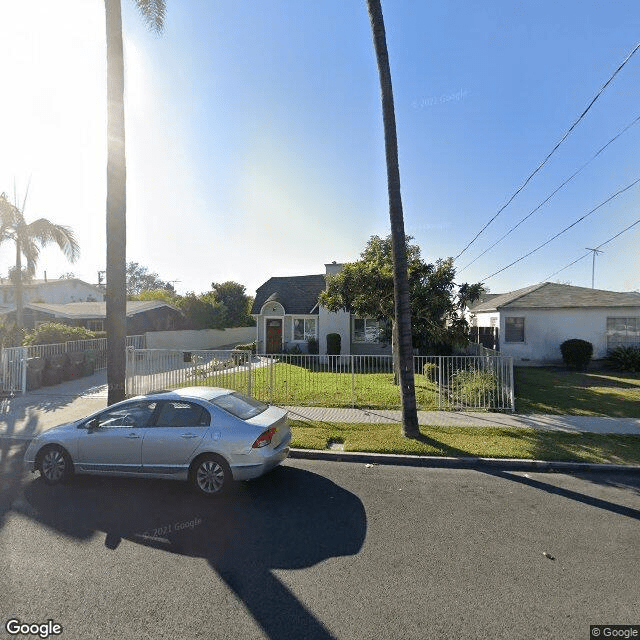
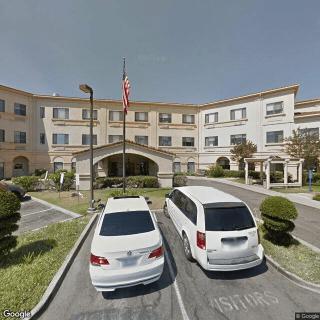
1912 Maple Street, Santa Ana, CA 92707
To contact a resident: (949) 878-0137
For more information about senior living options: (866) 208-4318
Good Hands Senior Care - Maple Costs & Pricing
Good Hands Senior Care - Maple offers competitive pricing for its services, with monthly costs that reflect both the quality of care provided and the regional market trends. For a semi-private room, the cost is $3,000 per month, which is notably lower than the average rates in Orange County at $3,431 and California as a whole at $3,333. Meanwhile, for private rooms, Good Hands charges $4,000, which remains slightly below Orange County's average of $4,104 and aligns closely with the state's typical rate of $3,939. This positioning makes Good Hands Senior Care - Maple an attractive option for families seeking affordable yet high-quality senior care solutions in a supportive environment.
| Floor plans | Good Hands Senior Care - Maple | Orange County | California |
|---|---|---|---|
| Semi-Private | $3,000 | $3,431 | $3,333 |
| Private | $4,000 | $4,104 | $3,939 |
Senior living communities with a similar price nearby
-
from -$375 / mo

Berryman Health Inc
$2,625 to $3,050 / month7.9 miles away -
from +$500 / mo
Loving Home Care
$3,500 to $4,500 / month8.3 miles away -
from +$300 / mo
Bella Manor II
$3,300 to $4,290 / month14.2 miles away -
from -$200 / mo
Candlewood Care Home III
$2,800 to $3,400 / month3.7 miles away -
from -$200 / mo
Leah Loving Elderly Care
$2,800 to $3,000 / month4.8 miles away
Overall Review of Good Hands Senior Care - Maple
Pros
 The owner appeared friendly and accommodating at first.
- The owner and his wife were nice when they were met.
- The owner emphasized that he cooks healthy and fresh food and that residents eat with the staff.
- The Irvine board-and-care is described as safe, comfortable, clean, and staffed by two caregivers with medical training.
- The tour noted that the facility is licensed for six residents, implying a professional setup.
Cons
 The caregiver hired was unqualified, could barely understand or speak English, and had little knowledge of the father’s medical problems.
- Despite the detailed medical history, the father’s diabetes was overlooked, and he was fed sugary items like orange juice and cookies for dessert.
- The house was uncomfortably hot (80-82 degrees) and the AC was not used; the front door was left open and no screen door allowed horseflies to circulate inside.
- Hygiene was severely lacking: the father’s room was dirty and dusty, the furniture was ancient and dirty, there were dead horseflies on the bed and windowsills, and the floor had not been swept or mopped.
- The father’s appearance deteriorated during the stay—disheveled look, swollen legs, and dry, cracked lips.
- The operator seemed to care more about the bottom line than about integrity or compassion.
Review
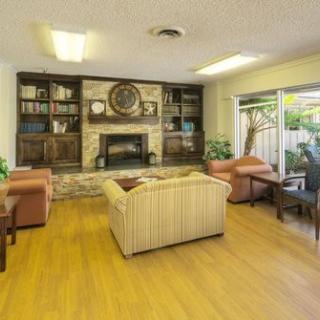
Good Hands Senior Care - Maple in Santa Ana is best suited for families seeking a tiny, low-cost board-and-care option where direct, hands-on oversight by the operator is possible and a home-like, intimate atmosphere is prioritized. It caters to households willing to monitor daily care closely and tolerate variability in staff qualifications. This is not a clinic or a tightly supervised senior living campus; it’s a small-scale setting that can feel personable when things run smoothly. However, the warning signs are real: the model hinges on spent attention from a single operator and a limited staff pool, and that combination tends to break down under medical or hygiene pressures. For seniors with any meaningful medical needs or safety concerns, the arrangement is untenable.
Those with complex medical requirements should seriously consider alternatives. The reviews describe caregivers who are unqualified or undertrained, with language barriers that hinder clear communication about medical histories and daily needs. Diabetes management, timely medication administration, and recognizing evolving health signals appear to be out of reach in practice. Hygiene and safety gaps compound the risk: a home kept hot, without functioning safety features, and with pests present, is an environment where small medical missteps quickly become health crises. Families unwilling to supervise and verify every detail will encounter recurring, hard-to-correct problems. In short, this option does not provide the reliability demanded by seniors who require steady medical oversight or rigorous daily routines.
On balance, a sliver of appeal remains in the positives that can come with a small, caretaker-led home. The intimate scale can allow for more frequent, person-to-person interactions and a sense of belonging that larger campuses sometimes miss. There are occasional claims about meals prepared on-site and shared with residents, which, if accurate, can foster a communal, homelike dining experience. Yet these minor pros are sharply outweighed by the persistent, systemic flaws described by families: fundamental caregiver qualifications, inadequate medical awareness, and avoidable hygiene lapses continue to surface despite superficial tour impressions. The most meaningful pro, the potential for closer, individualized attention, loses its value when safety and health supervision are compromised.
The core drawbacks are concrete and cumulative. An unqualified caregiver who cannot reliably interpret medical histories or manage conditions such as diabetes creates a direct risk to a resident’s health. When a home refuses to adjust temperature control, leaves doors unscreened, and tolerates fly intrusions, it signals broader governance and maintenance failures. Dirty rooms, dusty furnishings, moth-eaten or outdated furniture, and floors that are not consistently cleaned reveal chronic neglect of basic hygiene. The physical environment itself becomes a safety concern: intravenous risk of dehydration, skin breakdown, and infections increases when cleanliness and monitoring are inconsistent. The rapid removal of a resident after just days stands as a stark, practical refutation of the claim that this setup can deliver steady, reliable care.
For families moving forward, a disciplined due-diligence plan is essential. Demand current licensing verification, staff-to-resident ratios, and a clear outline of who supervises care on each shift. Request formal diabetic management protocols, medication administration routines, and daily care plans tailored to the resident’s medical history. Insist on multiple, unannounced visits at different times to observe staff communication, feeding practices, hygiene, and how emergencies are handled. Speak with current residents and their families about consistency of care and any recurring issues. Compare this option against higher-rated, licensed board-and-care homes or larger assisted living communities with licensed administrators and on-site medical oversight. If the answers don’t add up to a robust safety net, steer toward alternatives, but do not compromise on essential medical supervision and daily hygiene standards.
 Board and Care Home
 Activities off-site
 Bath tubs
 Devotional services on-site
 Indoor common areas
 Outdoor common areas
 Private
 Private bathrooms
 Respite or short term stays offered
 Wheelchair accessible showers
 John Wayne Orange Co (3 miles away)
 Ambulatory care
 Diabetic care
 High acuity care
 Incontinence care
 Medication management
 Kosher


 A Detailed Exploration of Living Wills and Advance Directives
 Comprehensive Guide to Medicare Coverage for Hospice Care
 Caring for Those Who Care: Recognizing, Understanding, and Overcoming Caregiver Burnout