

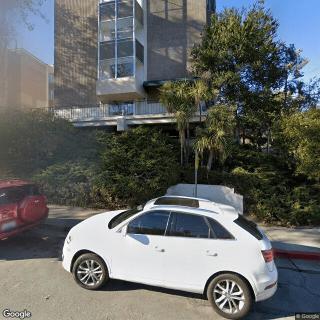
1900 O'Farrell Street Suite 160, San Mateo, CA 94403
To contact a resident: (650) 631-3735
For more information about senior living options: (866) 208-4318
Overall Review of Geriatric Home Care Specialists
Pros
 The staff is friendly, responsive, and helpful.
- The doctors in the group are fantastic.
- They take genuine concern for patients' health.
- Dr. Bathia is excellent and stays up to date on the latest research to bring creative approaches to patients.
- Dr. Bathia goes above and beyond conventional treatment paradigms.
- Dr. Rakkar is very sweet and knowledgeable for injections.
- Dr. Smollins is a well-educated, compassionate physician who has improved patients' quality of life.
Cons
 Dr. Bathia did not send the prescription to the pharmacy nor contact Sequoia Pain Center.
- Dr. Bathia was described as not caring about patients and being focused on insurance billing.
- The experiences with Dr. Bathia were awful, unreliable, unprofessional, and very expensive.
- The scheduling and authorization process around injections with Dr. Bathia’s team dragged on, giving the patient the runaround.
- Dr. Bathia and her staff were described as incompetent.
- The center was described as unorganized and a rip-off.
- Dr. Ghosh was described as unclear about how she could help, with a $1,200 out-of-pocket charge and a lack of explanation about treatment options.
- The staff were described as unresponsive, with long delays in returning calls.
Review
Geriatric Home Care Specialists in San Mateo is best suited for seniors who prize access to a focused group of geriatric clinicians and who are willing to tolerate variability in administrative reliability in exchange for deep medical expertise. This community tends to work best for patients who want physicians who stay current with treatment options and who will take a proactive, sometimes unconventional approach to pain and chronic conditions. The strongest fit is a senior who can navigate multiple offices, advocate effectively for timely care, and appreciate a clinician-driven model where the quality of medical judgment can be high even when the front-desk experience is uneven.
Those who should consider alternatives include families needing consistent scheduling, predictable follow-through, and transparent, streamlined billing. If rapid coordination across providers, timely returns on calls, and dependable administrative support are non-negotiables, this practice often falls short. The variability in care hinges not on the concepts of geriatrics but on the experience with individual clinicians and the surrounding staff; for care plans that require tight coordination or regular, house-call-like responsiveness, options with steadier administrative systems may be wiser.
On the medical side, the strongest case rests with clinicians who demonstrate up-to-date knowledge and a willingness to tailor treatments. Several doctors in the network earn praise for being thoughtful, compassionate, and evidence-informed, with staff at the front desk occasionally described as helpful and responsive. When a patient lands with a physician who aligns with these strengths, offering thorough explanations and a careful, targeted approach, the care can be notably effective, particularly for pain management through injections or nerve-related interventions. These redeeming qualities, however, are not evenly distributed across all providers, which dampens the overall reliability of the practice.
The other side of the equation is hard to ignore: inconsistent scheduling, slow follow-up, and mixed communication. Multiple reviews recount experiences where prescriptions were not sent promptly, appointments were delayed, or staff communication lagged, sometimes with costly out-of-pocket implications. Instances of what felt like misalignment between Billing, scheduling, and clinical teams undermine trust and create unnecessary stress for already-fragile health scenarios. For families evaluating long-term options, these administrative gaps can erode the perceived value of the medical expertise, especially when the health needs are ongoing and require coordination.
In practical terms, choosing this community means entering with clear expectations and a plan to manage the administrative layers. Prospective patients should request a designated primary clinician, insist on written cost estimates for procedures and injections, and establish a reliable escalation path for scheduling and test results. It helps to confirm which doctors practice primarily at the San Mateo site versus other locations, and to obtain a straightforward contact protocol for pressing follow-ups. Additionally, having a trusted care coordinator or family liaison who can monitor communications and performance can prevent small administrative issues from spiraling into gaps in care.
Ultimately, the decision rests on weighing medical competence against administrative consistency. The medical team’s depth and willingness to pursue current, sometimes aggressive treatment strategies can deliver meaningful relief and improved quality of life for carefully selected patients. Yet the risk of uneven care continuity and billing friction remains a meaningful constraint. For a senior who can partner effectively with a particular clinician, and who can tolerate administrative variability in exchange for strong medical judgment, this community can be a solid , even excellent , choice. For those needing routine reliability across the board, broader options with steadier systems may be the wiser path.
 San Francisco International (6 miles away)






 Engaging Brain Games and Innovative Apps to Keep Senior Minds Active
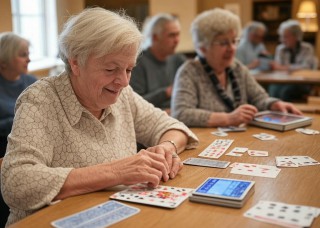 Effective Strategies for Keeping Seniors' Minds Active: A Deep Dive into Brain Games and Apps
 In-Depth Look at the VA Aid and Attendance Program