
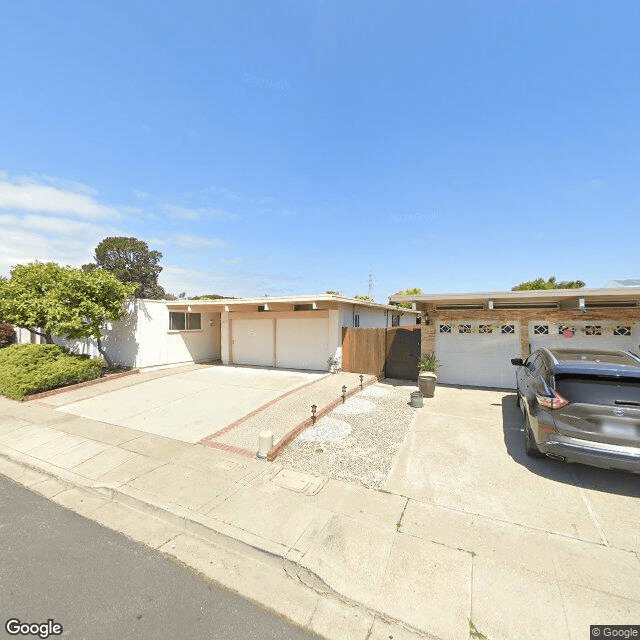
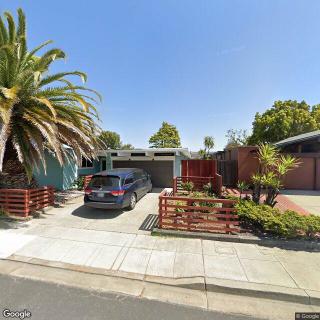
226 Sandpiper Court, San Mateo, CA 94404
For more information about senior living options: (866) 208-4318
Always Tlc Costs & Pricing
Always TLC offers private rooms at a monthly cost of $5,500, which is notably higher than the average rates in San Mateo County, where similar accommodations are priced around $4,281. When comparing this to the broader California market, which averages $3,939 for private room settings, Always TLC positions itself at a premium level. This pricing reflects the specialized care and tailored services that Always TLC provides, suggesting a commitment to quality that may justify the additional investment for potential residents seeking exceptional support and amenities in their living environment.
| Floor plans | Always Tlc | San Mateo County | California |
|---|---|---|---|
| Private | $5,500 | $4,281 | $3,939 |
Assisted Living communities with a similar price nearby
-
from -$500 / mo
Blessing Home
$5,000 to $6,000 / month14.6 miles away -
from -$1000 / mo
Pleasanton Senior Care Villa
$4,500 / month20.8 miles away -
About the same
Bethel Care Home On Cottage
$5,400 / month24.0 miles away -
About the same
Carnelian III
$5,500 / month24.5 miles away -
from +$300 / mo

East West Care
$5,800 / month6.6 miles away
Overall Review of Always Tlc
Pros
 The caregivers are very friendly.
- The owner and the staff genuinely demonstrate that they care.
- Caring is shown through actions and attitudes, not just words.
- There is a noticeable shift toward a positive attitude.
- They run the operation more like a ministry with a focus on service.
- They provide assistance where needed, with a smile on their faces.
Cons
 The laundry machines protrude from the closet space into the hallway.
- There are no doors to cover up the machines and laundry supplies, and to muffle the sound of the machines located outside the mother's room.
- The backyard deck has deferred maintenance due to rotted deck wood and is unused as a result.
- The lighting is dim.
Review
Always TLC in San Mateo is best for families that prize heartfelt, hands-on caregiving and a service-first ethos over showroom-quality facilities. This community suits residents who want attentive, responsive staff and a culture where daily care feels personal, not transactional. In practical terms, it’s a solid match for families seeking a small, mission-driven environment where the focus is on people, the residents and their needs, more than polished amenities.
The strongest positives come from the care philosophy in practice. The owner and the staff are perceived as genuinely devoted, with care demonstrated through actions rather than words alone. That contrast with places run as pure businesses is repeatedly noted: the team embodies a ministry-like approach, prioritizing service and flexible assistance over rigid, cost-cutting routines. Caregivers are described as friendly and approachable, and their willingness to help with daily needs, always with a respectful, reassuring demeanor, creates a sense of trust and security that matters when navigating aging at home or in a new living arrangement.
Yet the facility presents tangible drawbacks that prospective buyers must weigh. A laundry area intrusion into the living space, machines protruding from closet space into the hallway, with no doors to muffle noise or hide supplies, creates visual clutter and potential disruption. The machines sit outside a resident’s room, which can contribute to noise and foot traffic that some will find unsettling. Outdoor spaces show deferred maintenance, rotted deck wood on the backyard deck that renders that area unused, and the lighting inside the building is described as dim. These elements speak to maintenance and ambiance concerns that may affect daily comfort and safety.
Despite these practical drawbacks, the core strength, caregivers who truly care, can offset several cons for families prioritizing relational quality and responsive support. The service-driven, nearly mission-like mindset translates into reliable assistance when needed, and a positive attitude shift among staff can meaningfully improve daily routines and mood for residents. In environments where staff attentiveness and warmth are the primary determinants of well-being, these advantages can soften the impact of imperfect physical surroundings and limited space for noise control.
Families should consider alternatives if pristine infrastructure, bright lighting, and immaculate maintenance are non-negotiables. For residents who require a ultra-quiet setting, require flawlessly managed outdoor spaces, or demand updated, doors-on-housing for every utility and appliance, a different community may be a better fit. The rotted deck and open laundry setup could be deal-breakers for those with safety concerns or sensitivities to noise and visual clutter. In short, the decision hinges on whether compassionate, service-focused care outweighs the drawbacks of an aging facility and a utilitarian layout.
Overall, this community stands out where caregiver warmth and a genuine, service-oriented culture are paramount. For families seeking a trustworthy team that treats residents with dignity, responsiveness, and a sense of mission, Always TLC delivers on those core expectations. If the priority letter reads: “compassionate caregiving first, facility perfection second,” this is a compelling choice. If, however, pristine upkeep and flawless, quiet surroundings determine value, it will justify looking elsewhere.
 6 resident community capacity
 Assisted Living
 Board and Care Home
 Cats allowed
 Dogs allowed
 Activities off-site
 Bath tubs
 Cable or satellite TV
 Devotional services off-site
 Dining room
 Fully furnished
 Garden
 Housekeeping services
 Indoor common areas
 Move-in coordination
 Outdoor common areas
 Private
 Respite or short term stays offered
 Telephone
 Wi-Fi/high-speed internet available
 San Francisco International (7 miles away)
 24-hour supervision
 Assistance with bathing
 Assistance with dressing
 Assistance with transfers
 Diabetes diet
 High acuity care
 Incontinence care
 Meal preparation and service
 Medication management
 Special dietary restrictions
 Transportation arrangement (medical)
 Transportation to doctors appointments
 Adventist services
 BBQs or picnics
 Birthday parties
 Buddhist services
 Islamic services
 Karaoke
 Live musical performances

 Beyond the Bingo Hall: 50+ Enriching Activities for Seniors in Assisted Living
 Understanding the Distinctions: Assisted Living and Memory Care Explained
 Guiding Elderly Parents Who Refuse Assisted Living: 6 Practical Steps