
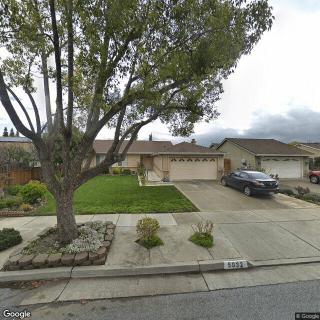
6162 Valley Glen Drive, San Jose, CA 95123
For more information about senior living options: (866) 208-4318
Overall Review of Gardens Senior Living
Pros
 Gardens Senior Living is clean and welcoming, with Rose and Raul providing friendly, attentive help.
- The facility is owned by registered nurses, which gives families peace of mind.
- The care provided allowed her mother to stay there for almost three years.
- Sherry, Rex, Kim, Daniel, and the other staff were wonderful.
- The staff kept the family informed about everything, including medication changes.
- They recommended Bonita Springs hospice, which did an amazing job caring for her until the end.
- The staff became like family, making her mother's last years peaceful and easy.
Review
Gardens Senior Living in San Jose is best suited for families seeking a small, intimate, nurse-led setting where a loved one can receive steady clinical oversight, consistent communication, and end-of-life or long-term care delivered with a family-like touch. The facility’s RN ownership stands out as a core competency, signaling hands-on medical leadership that translates into proactive medication management, clear care updates, and coordinated steps when transitions are needed. It’s the kind of environment where staff feel comfortable discussing changes with families, and where care plans feel collaborative rather than bureaucratic. For families prioritizing dignity, calm daily routines, and a trusted, non-corporate feel, Gardens Senior Living offers a compelling match.
That said, there are clear reasons some families may want to consider alternatives. For residents with highly specialized needs requiring ample on-site medical subspecialists, or for those who prefer a larger campus with extensive programming and amenities, a bigger assisted living or memory-care community may be a better fit. Larger facilities often boast broader activity calendars, more formalized memory-care protocols, and greater capacity to handle spikes in demand. Families prioritizing aggressive clinical care around the clock, or seeking a facility with a more expansive physical footprint, should realistically compare Gardens against these larger options to avoid any mismatch between expectations and capabilities.
The primary strengths here, cleanliness, warmth, and a sense of a caring, engaged team, strongly offset the absence of a sprawling campus. The staff described as Rose and Raul as particularly welcoming, with a readiness to assist that makes a daunting transition feel manageable. The RN-owned structure translates into reassurance that clinical decisions, medication changes, and routine oversight are guided by trained professionals rather than solely by nonclinical staff. The end-of-life journey, supported by a thoughtful staff, with Sherry, Rex, Kim, Daniel, and others, emerges as a highlight, with families kept informed and comforted throughout. The care model results in a caregiver network that residents and families quickly come to trust, which can be decisive for those facing prolonged stays or hospice planning.
The review highlights a practical, family-centric culture as Gardens’ core pro. The staff’s commitment to transparent communication, sharing medication changes, care needs, and daily adjustments, reduces the distress that often accompanies aging-in-place transitions. The fact that the reviewer’s mom stayed nearly three years under this care underscores durability and consistency; a long horizon of attentive attention matters when stability and continuity are valued. Hospice involvement, coordinated with outside providers, further demonstrates that the community can integrate external supports smoothly, avoiding confusing handoffs. When measured against the potential downsides of a smaller operation, these advantages reinforce a decision to favor Gardens for families prioritizing dependable, compassionate daily care and steadiness over flashier amenities.
From a decision-making standpoint, families should verify a few practical points during visits. First, confirm the on-site clinical staffing model: who is available around the clock, and how medication management is handled day-to-day. Second, explore how changes in a resident’s condition are communicated to families and how often access to updates occurs. Third, assess how hospice or palliative services are coordinated, including whether the facility maintains relationships with preferred providers or favors in-house solutions. Fourth, review the daily life and activity rhythm: does the schedule support meaningful engagement for memory care or frail elders, and is there room for individualized programming? Finally, investigate cost structures and any potential for rate changes tied to care level, to ensure long-term affordability aligns with expectations of continuity and quality.
In sum, Gardens Senior Living delivers a remarkably human, clinically grounded experience that tends to benefit families seeking steady, compassionate care from an RN-led team. It is especially well-suited for residents who thrive on consistent updates, intimate staff involvement, and a sense that the caregivers are part of the family story. The strongest caveat is the natural trade-off of a smaller, more home-like setting: fewer on-site specialists and a broader campus atmosphere than larger communities. For families prioritizing trust, clear communication, and lasting, respectful care through aging and, when needed, end-of-life, Gardens Senior Living emerges as a highly credible option. Those who require a more expansive array of medical resources or a more bustling social calendar should compare it with larger facilities, but for the right individual, the combination of cleanliness, RN-led oversight, and deeply personalized attention is difficult to beat.
 6 resident community capacity
 Assisted Living
 Cable or satellite TV
 Dining room
 Fully furnished
 Garden
 Housekeeping services
 Move-in coordination
 Outdoor space
 Telephone
 Wi-Fi/high-speed internet available
 San Jose International (10 miles away)
 24-hour supervision
 Activities of daily living assistance
 Assistance with bathing
 Assistance with dressing
 Assistance with transfers
 Diabetes diet
 Meal preparation and service
 Medication management
 Special dietary restrictions
 Transportation arrangement (medical)
 Transportation to doctors appointments




 8 Key Indicators That Suggest It May Be Time to Transition from Assisted Living to Skilled Nursing Care
 Vibrant Senior Living: A Comprehensive Guide for Active Older Adults
 When to Transition from Assisted Living to Memory Care: Key Indicators, Steps, and Finding the Right Community