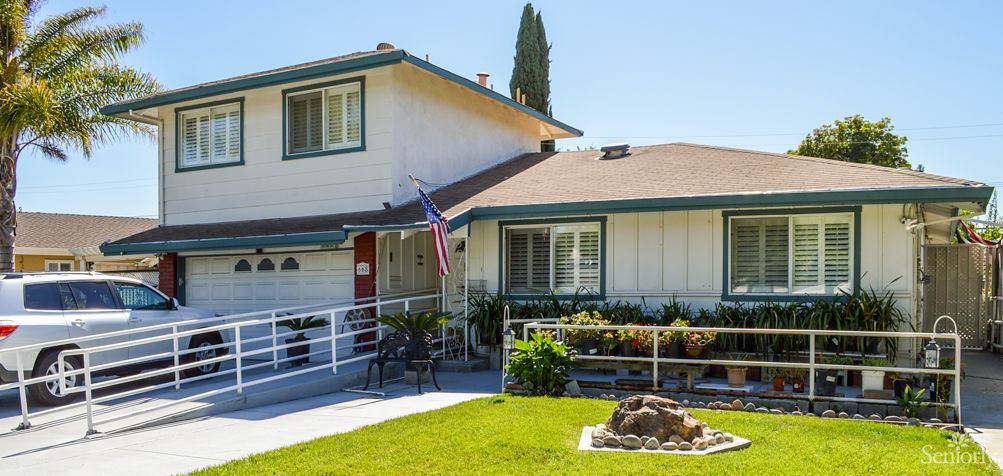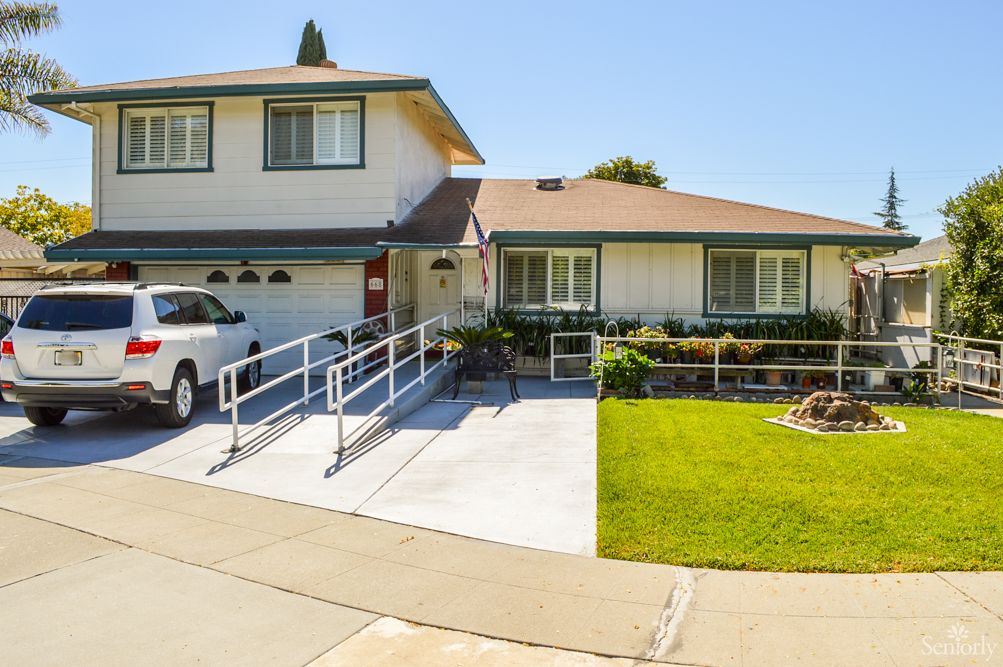
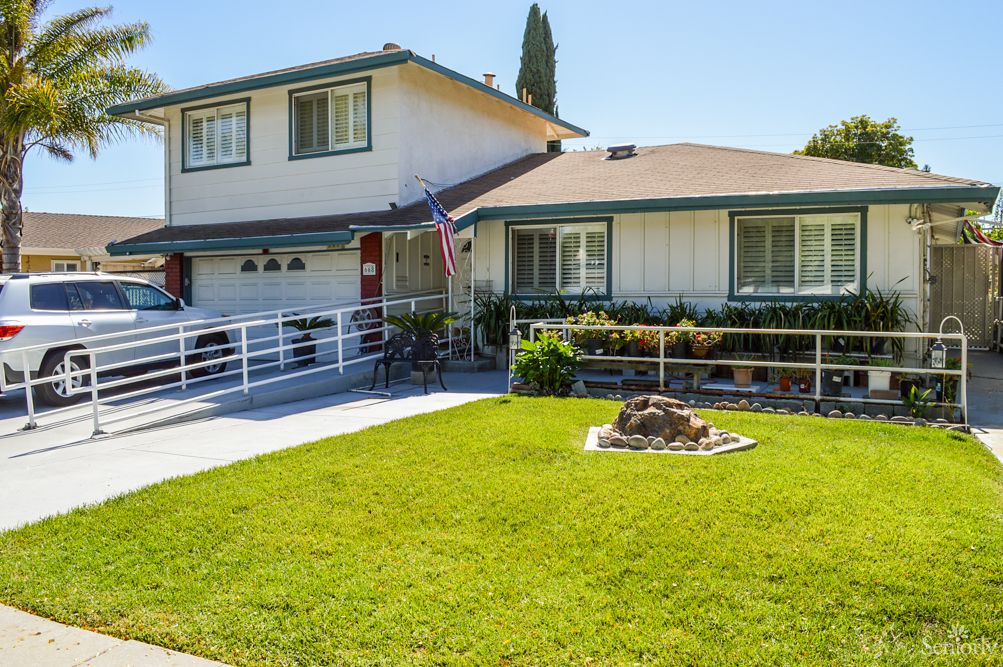







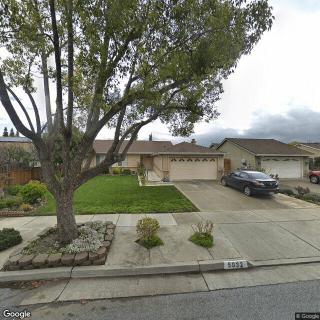
668 Apache Court, San Jose, CA 95123
For more information about senior living options: (866) 208-4318
Overall Review of Mayflower Care Home
Pros
 The caregiver seemed very caring and committed to cooking well for the residents.
- The payment issue was resolved, showing responsiveness to concerns.
Cons
 The owner held the payment mistake against the reviewer and blamed it on them.
- The owner reduced the resident’s care by failing to assist with the tablet.
- The owner did not help the resident with phone calls.
- The owner did not deliver the packages sent for the resident.
- The reviewer described the owner’s actions as heartless and unfair.
Review
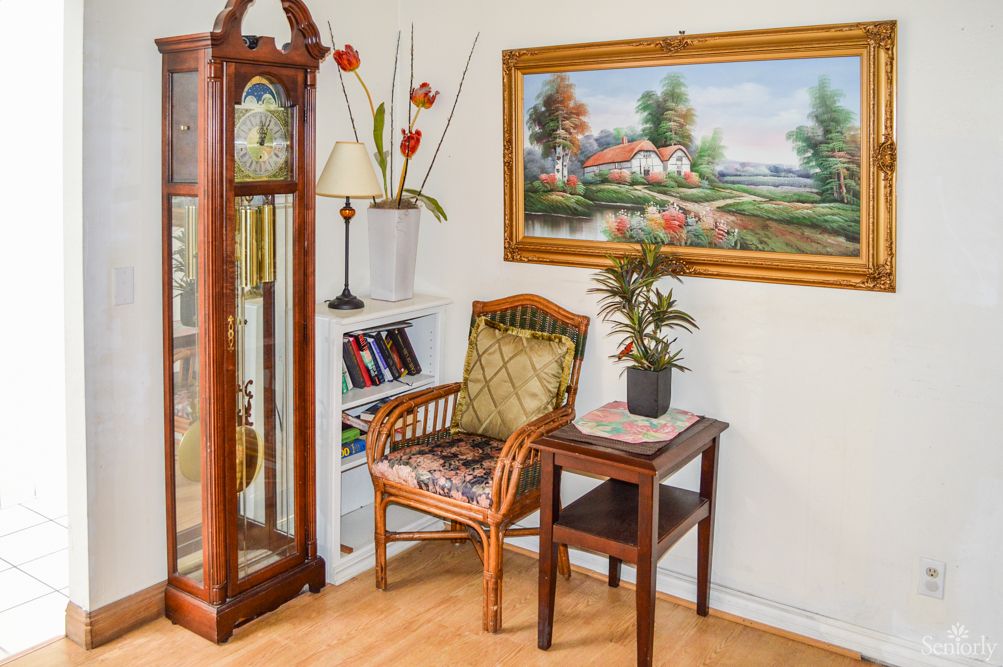
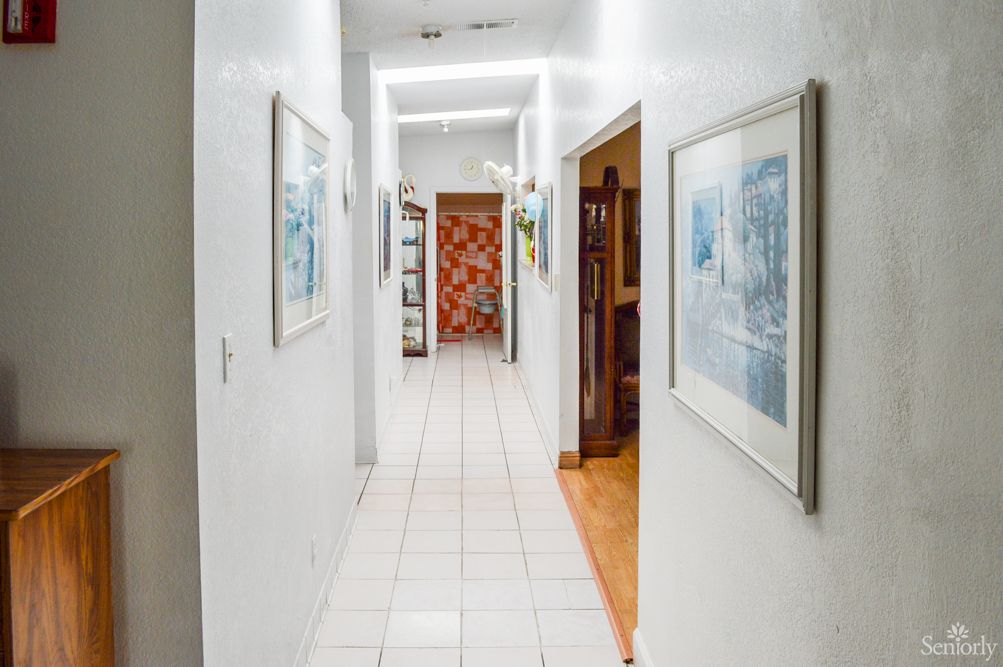
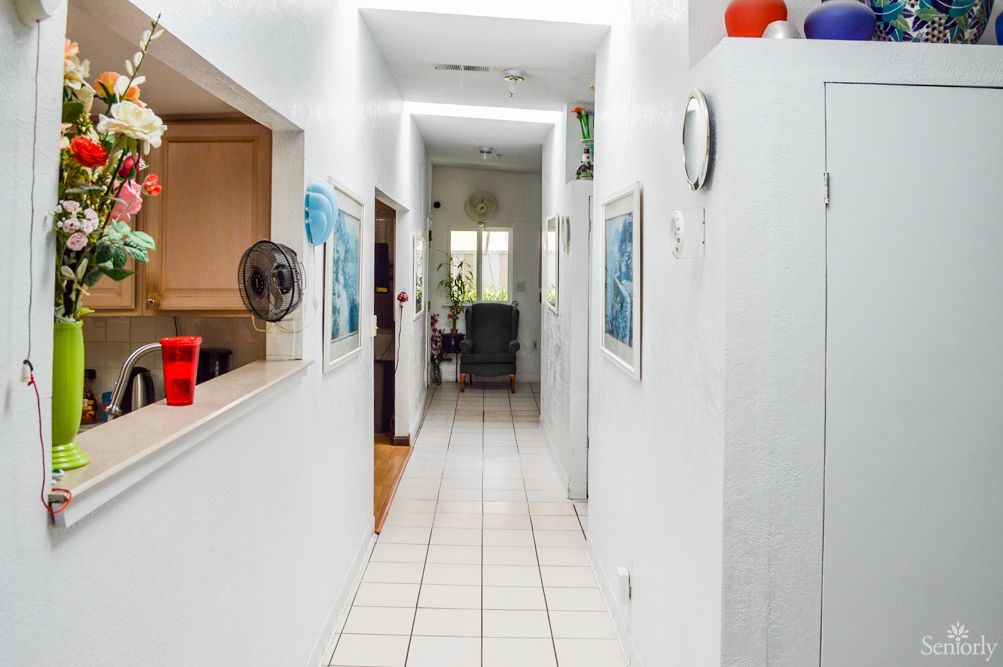
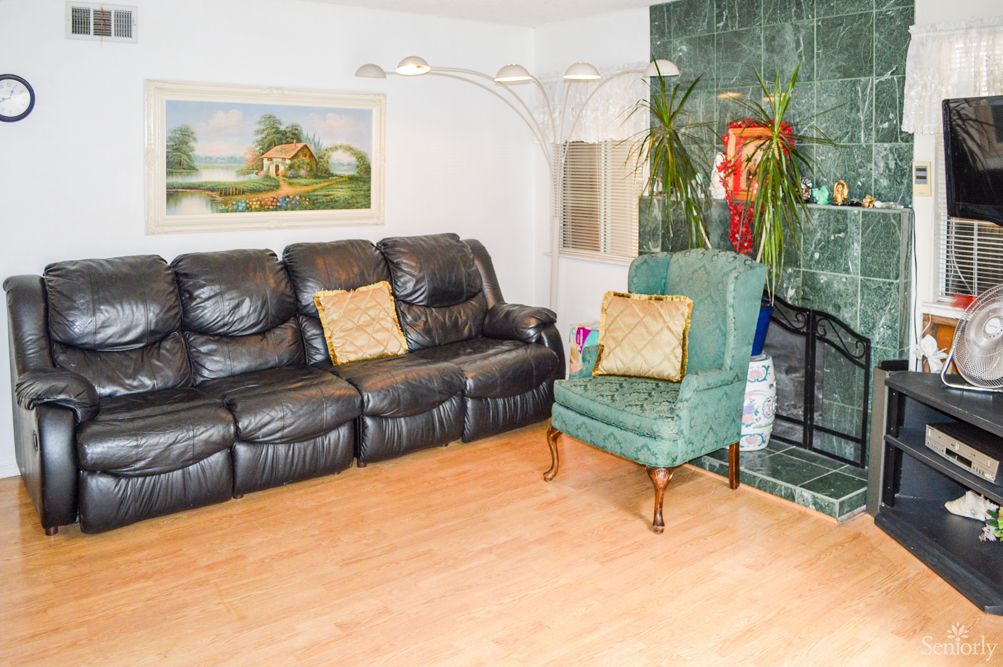
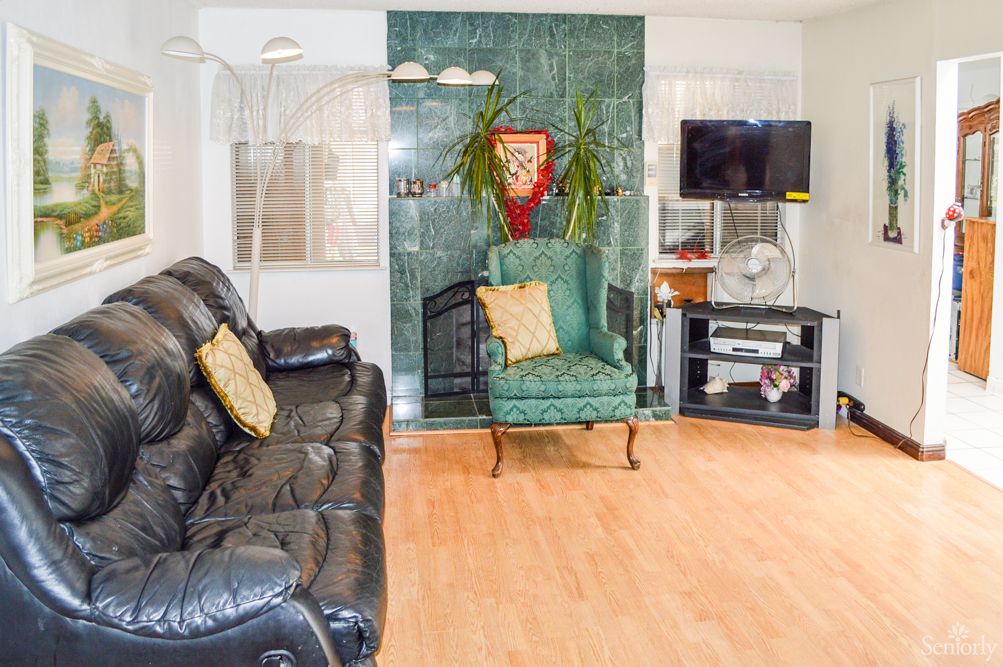
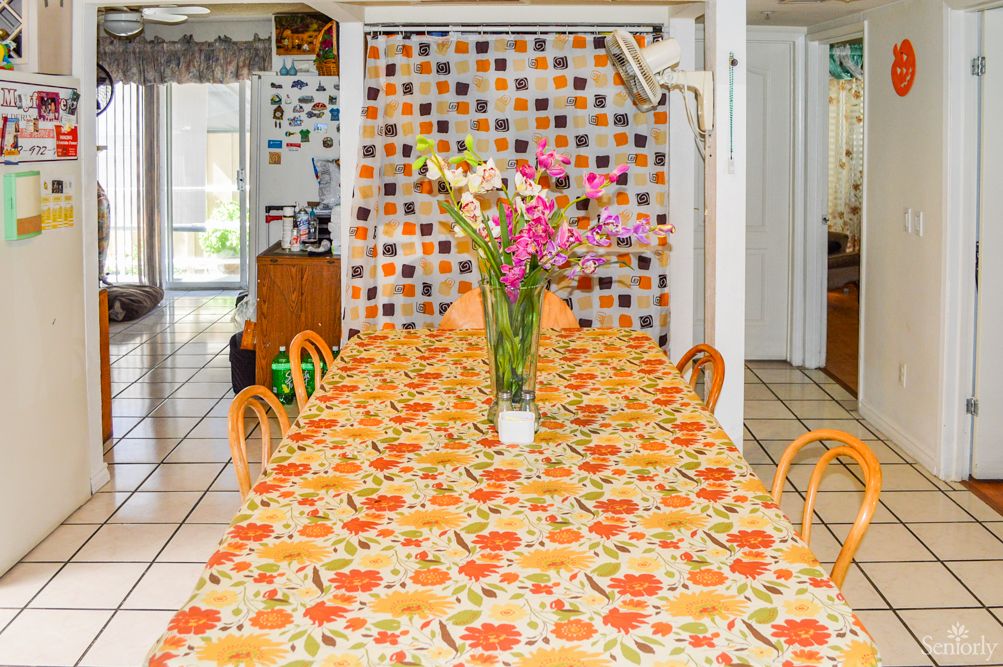
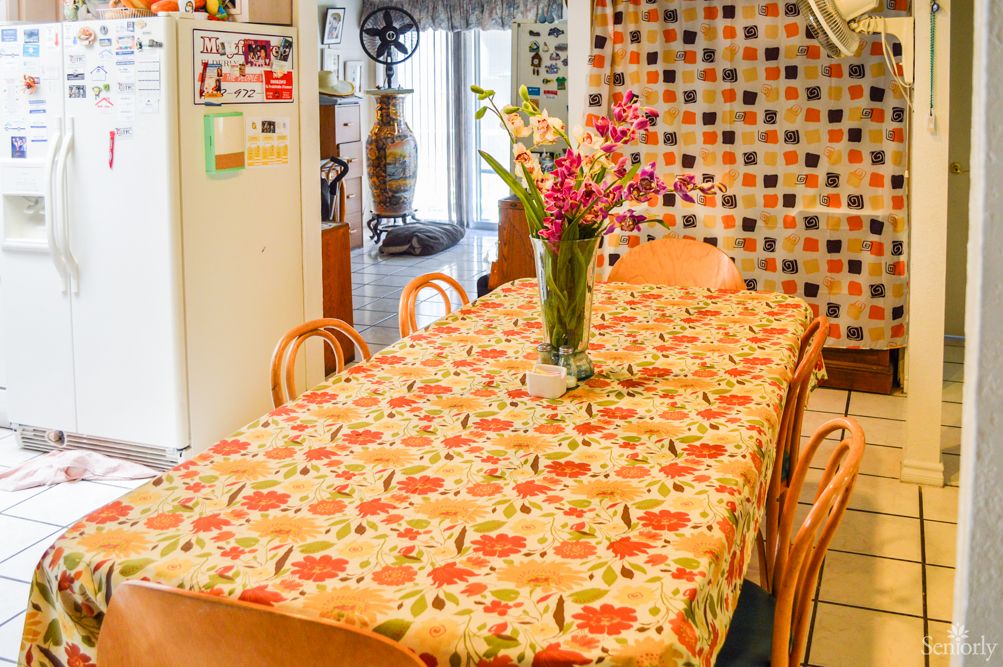
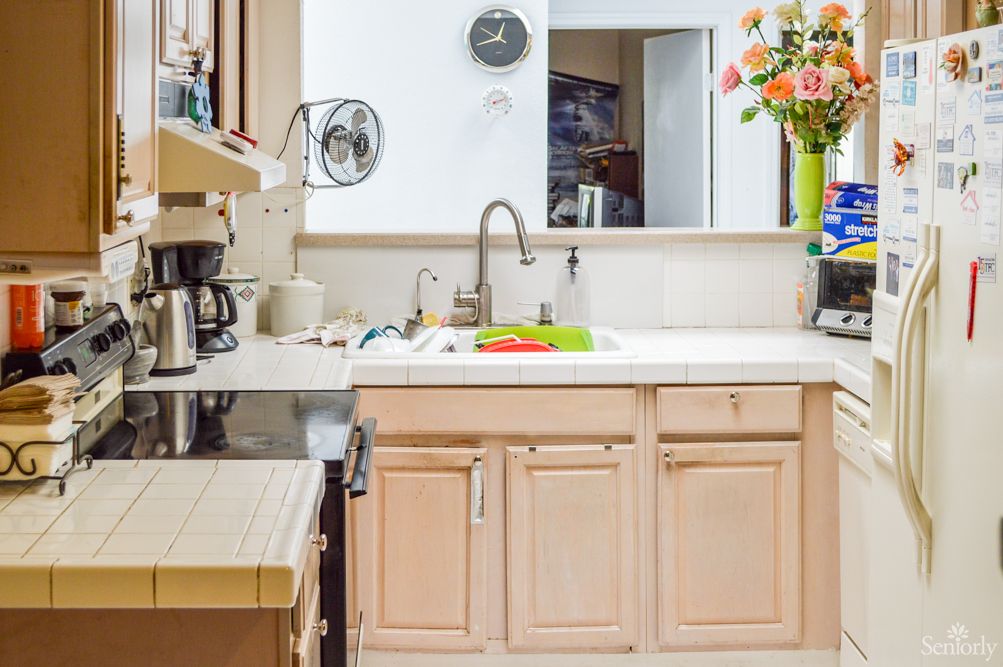
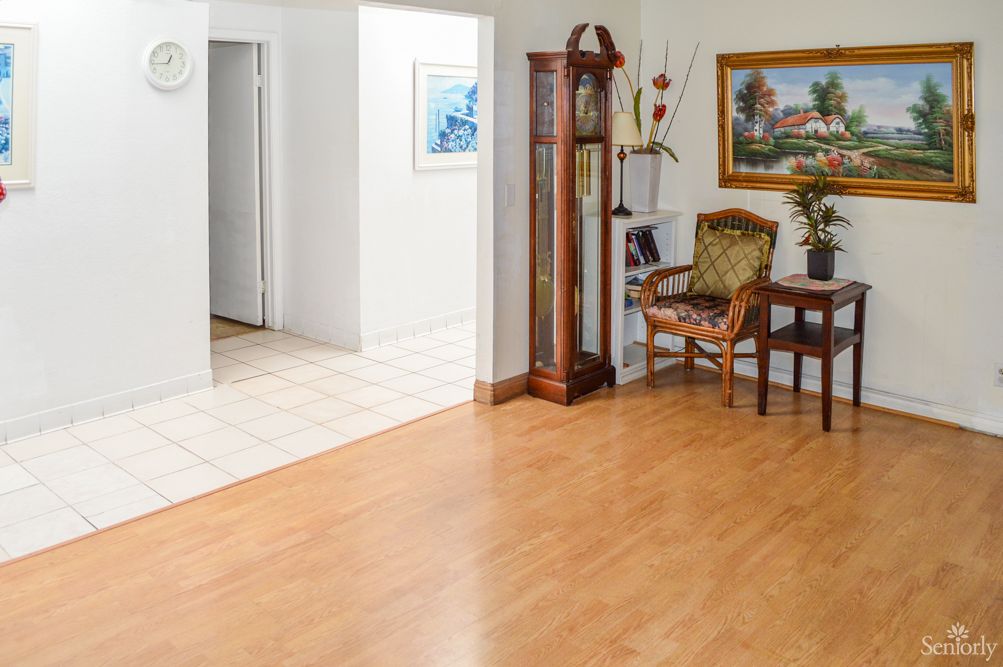
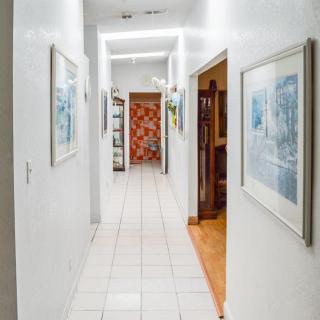
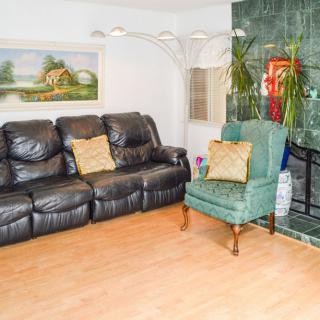
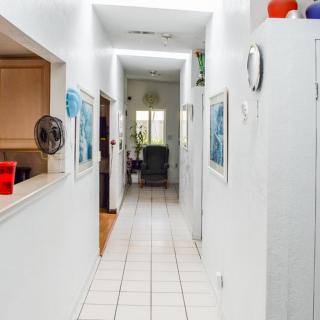
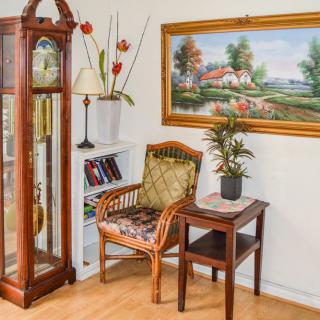
Mayflower Care Home in San Jose is best suited for families seeking a compact, home‑like setting where staff attention feels individualized and meals are a central, reassuring daily routine. The community earns a solid overall rating, with multiple five‑star experiences signaling warmth, dependable companionship, and a tangible emphasis on comfortable, homelike living. It works well for seniors who prefer a smaller, less clinical atmosphere over high‑rise or campus-style facilities, and who can operate effectively with a straightforward care plan that does not demand heavy on‑site nursing or complex medical supervision.
Those who should consider alternatives are likely residents with significant medical needs or complex nursing requirements, memory‑care demands, or a need for highly structured daily programming and transportation logistics. Families that require unwavering consistency in staffing, predictable communication, and formalized escalation channels may find larger providers with centralized administration a better match. Additionally, any family seeking meticulous billing transparency and firm policies around resident autonomy and caregiver assignments will want to scrutinize how Mayflower handles finances, scheduling, and accountability before committing.
On the plus side, the strongest proof points point to a resident‑centered, intimate environment where caregivers can forge real connections and respond with warmth. A home environment often translates into flexible routines, familiar mealtime rituals, and opportunities for residents to engage in cooking or comfort activities that feel meaningful. When staff members demonstrate attentiveness and a genuine willingness to support everyday needs, this setting can offset some gaps in formal medical oversight. The 4.5 rating across eight reviews indicates that, for many families, the core experience lands well, feeling like a trusted, dependable home rather than a distant institution.
However, the shared experiences also carry cautions. One detailed critique highlights a miscommunication around payments and an ensuing tension with the owner, followed by a withdrawal of certain supports, such as help with a resident’s tablet or phone needs and package deliveries. This kind of dynamic is corrosive to trust and can quickly erode perceived quality of care, underscoring a reality: in a small, owner‑led operation, the relationship among ownership, staff, and families can directly influence a resident’s daily wellbeing. Prospective families should weigh the comfort of a homelike setting against the risk that administrative friction or punitive responses to simple misunderstandings could diminish care continuity.
To avoid surprises, approach the campus with a practical, due‑diligence mindset. Ask who the day‑to‑day point person is, and whether that role is separate from ownership. Inquire about the staff–resident ratio, how shifts are staffed, and what happens when a resident’s needs evolve. Seek clear policies on billing disputes, care adjustments, and how residents’ personal devices, packages, and personal communications are handled. Request opportunities to observe meals and routine interactions, and speak with several current residents or families about communication responsiveness, availability of the owner/administrator, and consistency across staff shifts. Obtain a transparent sample care plan and a detailed explanation of what constitutes medical oversight versus personal assistance.
When a decision hinges on balancing a warm, neighborly atmosphere with reliable structure, Mayflower often emerges as a strong option for the right resident. For those prioritizing intimate, flexible living with personal touches in daily life, it can deliver meaningful quality of life and comfort. Yet for families whose top criteria include robust clinical supervision, highly standardized programming, or ironclad billing clarity, it pays to compare alternatives, larger assisted living communities, or facilities with dedicated medical staff and formal governance, that can deliver steadier systems and fewer opportunities for friction. In short, Mayflower is a practical, often excellent fit for a specific slice of seniors and families; the decision hinges on whether the chosen resident values homelike intimacy over centralized oversight and flawless administrative processes.
 6 resident community capacity
 Assisted Living
 Board and Care Home
 Memory Care
 Respite Care
 Cable or satellite TV
 Dining room
 Fully furnished
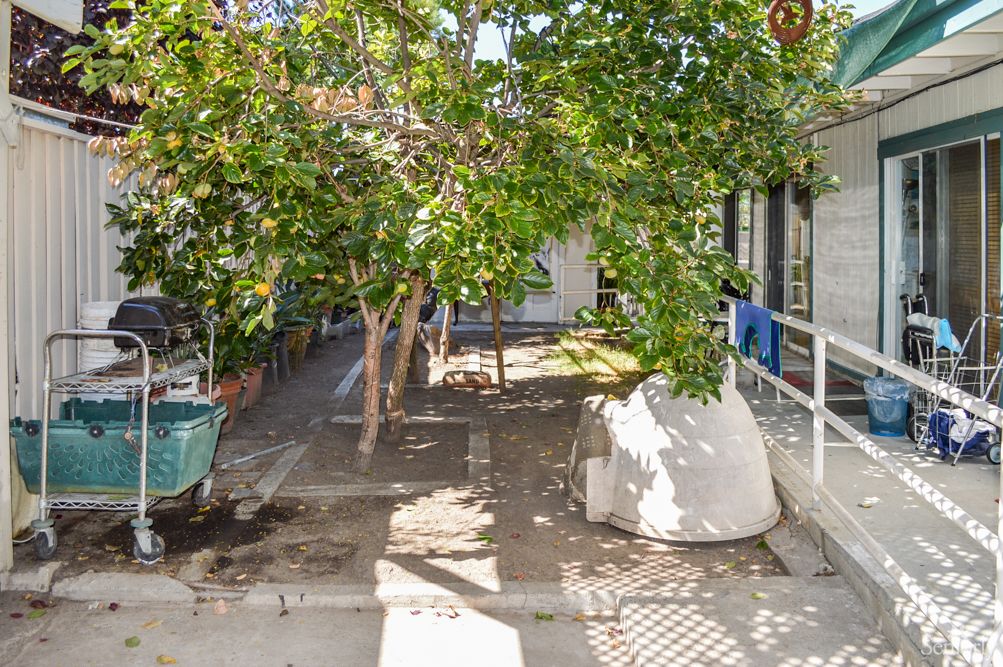
 Garden
 Housekeeping services
 Move-in coordination
 Outdoor space
 Small library
 Telephone
 San Jose International (9 miles away)
 24-hour supervision
 Activities of daily living assistance
 Assistance with bathing
 Assistance with dressing
 Assistance with transfers
 Diabetes diet
 Meal preparation and service
 Medication management
 Mental wellness program
 Special dietary restrictions


 Delirium and Dementia: Unraveling the Key Differences
 Are Dementia and Alzheimer's Disease Lethal? A Comprehensive Exploration
 Exploring the Power of Reminiscence Therapy for Individuals With Dementia