
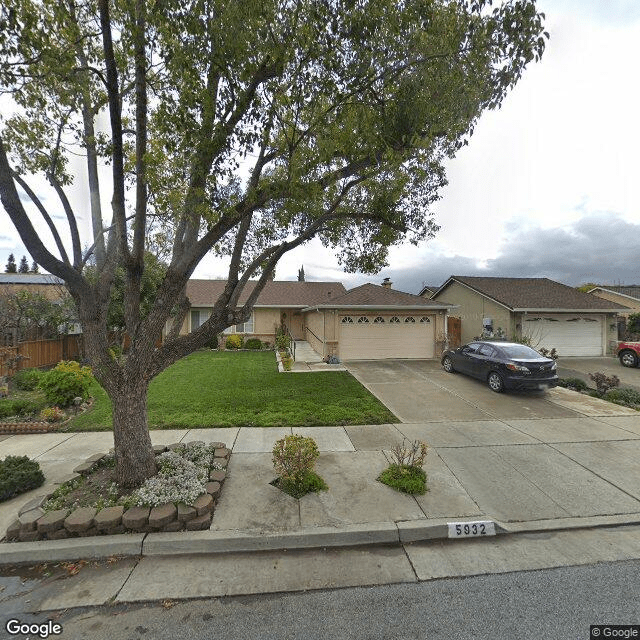
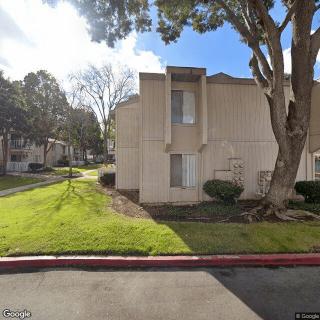
5932 Mabie Ct, San Jose, CA 95123
To contact a resident: (408) 504-2804
For more information about senior living options: (866) 208-4318
Blossoms Elder Care Costs & Pricing
Blossoms Elder Care offers competitive pricing for its services, with monthly costs that stand out favorably against both Santa Clara County and the broader California market. For a semi-private room, Blossoms charges $3,000, which not only undercuts the county average of $3,943 but also remains lower than the state average of $3,333. Similarly, for private rooms, Blossoms' rate of $4,000 is slightly below Santa Clara County's average of $4,096 and is more affordable compared to California's average of $3,939. This pricing strategy reflects Blossoms Elder Care's commitment to providing high-quality care while ensuring accessibility for families seeking elder care options in a competitive landscape.
| Floor plans | Blossoms Elder Care | Santa Clara County | California |
|---|---|---|---|
| Semi-Private | $3,000 | $3,943 | $3,333 |
| Private | $4,000 | $4,096 | $3,939 |
Senior living communities with a similar price nearby
-
from +$425 / mo
Caring Hands Home Health Agency, LLC
$3,425 to $5,870 / month16.3 miles away -
from -$500 / mo
House of Sunshine
$2,500 to $3,500 / month13.4 miles away -
from -$551 / mo

TheKey Los Gatos
$2,449 / month5.6 miles away -
from -$161 / mo

Santana Terrace
$2,839 to $3,725 / month9.5 miles away -
from +$159 / mo
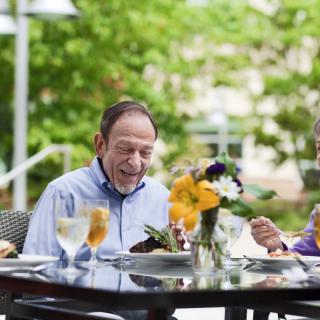
Moldaw Family Residences a CCRC
$3,159 to $4,381 / month18.6 miles away
Overall Review of Blossoms Elder Care
Pros
 They are wonderful women who lovingly care for all their residents as their own family.
- They are professionals but friendly, fun-loving, and welcoming.
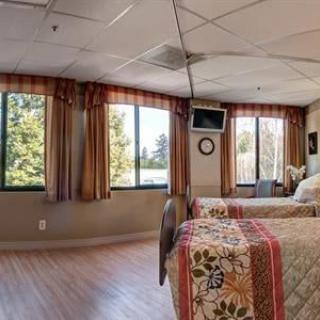
- Their home is spotless and warm.
- They tend to their residents with respect and integrity.
- Their meals are prepared with fresh ingredients and residents gobble them up with gusto.
- The residents move around daily with light exercise.
- The mom is in the perfect place.
- The owner is very pleasant and chatty.
- The owners stay on premise.
- Three dogs on the property are friendly and cute.
Cons
 The siblings faced a heartbreaking decision to place their mother in a home due to her dementia-related health decline.
- The house was a little cluttered.
Review
Blossoms Elder Care in San Jose is best suited for families seeking an intimate, home-like setting where a senior can receive highly personalized, hands-on care. The home operates with just five residents, creating a family-forward atmosphere rather than a clinical campus. Led by Zeni and Carla, a pair of women who are on site, the operation blends professional credentials with a warm, welcoming approach. This arrangement suits seniors who live with memory challenges or dementia and whose families want steady supervision, regular meals, and gentle daily activity without the impersonality of a larger facility.
The core strengths are palpable in the day-to-day experiences described by families. The care team is portrayed as loving and engaged, tending to residents as if they were family. The setting is consistently described as spotless, warm, and respectful, with meals prepared from fresh ingredients that residents enjoy. The on-site presence of the owners, one with a pharmacy background and one with a medical degree, offers a reassuring level of accessibility for basic medical questions or medication management, reducing family anxiety about regular monitoring. The routine includes light exercise and a calm pace that appears to preserve dignity and autonomy for residents, a crucial factor for families navigating dementia care.
However, the most overt cautions center on the limits inherent to a five-resident home. The listing notes the house can feel a touch cluttered, a reflection of the informal, residential character rather than a structured, institutional environment. The on-site dogs, three small, friendly animals, contribute warmth but may not suit every family, particularly those with allergies or a preference for a pet-free setting. These realities mean Blossoms may not be ideal for seniors who require more formal therapy services, rapid medical response, or a broad calendar of organized programming. Prospective residents should assess whether the home’s size and layout align with anticipated levels of social interaction and activity.
Still, the small scale and intimate oversight help offset these drawbacks in meaningful ways. The same tightly knit environment that can feel “homey” also translates into unusually high caregiver visibility and accountability. With the owners living on site, medication oversight and daily routines can be adjusted quickly to evolving needs, which matters greatly for dementia care. The positive, guilt-free visiting experience noted by families, knowing a loved one is in a place that feels like a personal refuge, can be a decisive factor for those prioritizing peace of mind over a wider array of amenities. In short, the pros lean into comfort, trust, and continuous attention more than into breadth of services.
That clarity points to who should consider alternatives. Families seeking a large community with formal memory-care programming, robust on-site rehab services, or 24/7 nursing coverage may find Blossoms lacking the scale and resources they require. Those who must have a pet-free environment, a more clinical setting, or a facility with extensive structured activities may want to look elsewhere. The realities of a small, home-like residence also mean fewer incidental social opportunities and a tighter schedule, which could constrain residents who crave a busier day-to-day routine.
Ultimately, Blossoms Elder Care offers a practical, honestly affectionate option for families prioritizing intimate, attentive care in a homelike setting. It shines where a senior’s needs are well-matched to a small, personally managed environment, and where the comfort of seeing the owners on site provides significant reassurance. It’s not the fit for families chasing a large, polished campus with extensive programming or ambitious medical and rehabilitation services. Prospective movers should meet the owners, tour the space with a focus on daily routines, ask pointed questions about medication management, activity offerings, and what contingencies exist for escalating care, and align expectations with the reality of a five-resident home. The right match will be clear for those who value trust, warmth, and highly individualized attention over breadth of services.
 Board and Care Home
 Bath tubs
 Private
 San Jose International (9 miles away)
 Ambulatory care
 Incontinence care
 6 Crucial Ways an Elder Law Attorney Assists Families
 Navigating the Tax Landscape of Caregiving: Credits, Deductions, and Beyond
 Highly Beneficial Low-Impact Exercises for Senior Living Residents