
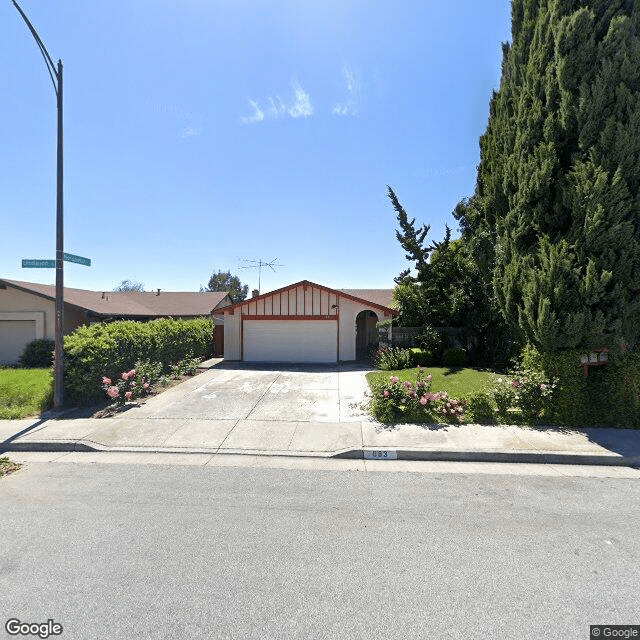
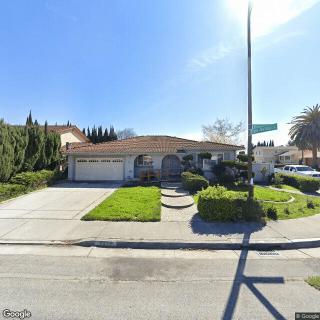
683 Undajon Drive, San Jose, CA 95133
For more information about senior living options: (866) 208-4318
Compassionate Eldercare Undajon Costs & Pricing
Compassionate Eldercare Undajon offers competitive pricing for its services, particularly when compared to the broader market in Santa Clara County and throughout California. For a semi-private room, residents can expect to pay $1,800 per month, which is significantly lower than the county average of $3,943 and the state average of $3,333. Similarly, for those seeking the privacy of a private room, the monthly cost at Compassionate Eldercare is $2,500, again undercutting both Santa Clara County's average of $4,096 and California's statewide average of $3,939. This pricing structure positions Compassionate Eldercare Undajon as an accessible option for families seeking quality care without the burden of exorbitant costs.
| Floor plans | Compassionate Eldercare Undajon | Santa Clara County | California |
|---|---|---|---|
| Semi-Private | $1,800 | $3,943 | $3,333 |
| Private | $2,500 | $4,096 | $3,939 |
Assisted Living communities with a similar price nearby
-
from +$195 / mo
Sunny Orchard Place
$1,995 to $3,700 / month10.1 miles away -
from +$150 / mo

Cogir of Fremont
$1,950 to $3,495 / month14.6 miles away -
from +$200 / mo

Bethesda Christian Retirement Center
$2,000 to $3,000 / month24.3 miles away -
from +$200 / mo
Pleasant Manor of Cupertino
$2,000 to $3,000 / month10.5 miles away -
About the same
Fremont Village
$1,800 to $3,495 / month14.4 miles away
Overall Review of Compassionate Eldercare Undajon
Pros
 The mother-in-law was very happy with the family feeling of the place.
- The staff were friendly and keen to work with the family to meet her needs.
Cons
 The menu wasn't what they were expecting.
- The menu didn't meet their expectations.
Review
Compassionate Eldercare Undajon in San Jose is best suited for families seeking a warm, home-like environment where care is delivered with real heart and a collaborative spirit. The most compelling signal is the year-plus residence of a family member who thrived in a setting described as having a “family feeling,” paired with staff that is friendly and actively willing to work with families to tailor care. This is a place where relationships matter, where caregivers appear accessible, and where the day-to-day rhythm emphasizes comfort and continuity over rigid formality. For seniors who prize belonging, stable familiar faces, and a culture that invites family involvement, Undajon checks those boxes convincingly.
That said, this community may not be the first choice for families needing intensive medical oversight or a highly structured clinical setting. If the top priority is heavy-duty skilled nursing, specialized therapies, or a strict, hospital-like routine, alternatives with more pronounced medical programming will likely serve better. Likewise, if memory care requires advanced, location-specific safeguards and specialized dementia programming, a option dedicated to those needs could prove more appropriate. The balance of warmth and flexibility here is excellent for many, but it does not replace the need for a more clinical, tightly regulated environment when that level of medical support is non-negotiable.
The strongest offset to potential downsides lies in the core pros: the unmistakable family atmosphere and the staff’s readiness to partner with families. Caregivers come across as approachable and invested in aligning care with the resident’s evolving needs, not merely following a checklist. Stability also matters; the anecdote of a long-term residency reinforces confidence that residents experience steady, personalized attention rather than transient, impersonal service. In practical terms, this translates to smoother care plan updates, quicker responsiveness to family input, and a sense that staff are not just performing tasks, but nurturing relationships that create trust.
A notable but manageable concern centers on dining. The line about the menu not being exactly what was expected signals room for improvement in menu planning and culinary expectations. However, the accompanying note that staff could work with those preferences is a meaningful mitigating factor. For families who want meals tailored to taste, cultural preferences, or dietary restrictions, Undajon’s willingness to adjust is a real upside. It suggests a dining program that can bend to resident desires rather than resist them, provided families engage early and clearly about expectations and tweaks.
Overall, the community carries a strong positive signal, reflected in a 4.5 rating across four reviews, with three five-star assessments and one more tempered three-star evaluation. The variance hints at a lived experience that is deeply warm and people-oriented, yet occasionally tested by specific expectations, most clearly around dining, which is not unusual in smaller, family-driven homes. The practical takeaway is clear: Undajon delivers the kind of intimate, responsive care that families often seek, while acknowledging that it operates with a degree of flexibility that may require proactive dialogue to align services with precise preferences.
For families weighing choices, the decision becomes practical rather than abstract. Undajon is a strong fit for those prioritizing a homey atmosphere, close staff-family collaboration, and resident-focused flexibility in daily routines. It’s less suited for those who require high-trajectory clinical oversight or highly prescriptive dining programs. Pros are meaningful and tangible, trustworthy staff, a palpable sense of belonging, and a care approach that adapts to the family’s voice. The dining caveat is not a deal-breaker but a real consideration to address during tours: request to sample meals, meet the chef, and spell out dietary goals to confirm that the adjustments offered will meet expectations over the long term.
 6 resident community capacity
 Assisted Living
 Board and Care Home
 Bath tubs
 Cable or satellite TV
 Dining room
 Fully furnished
 Garden
 Housekeeping services
 Indoor common areas
 Move-in coordination
 Outdoor common areas
 Private
 Telephone
 Wheelchair accessible showers
 Wi-Fi/high-speed internet available
 San Jose International (4 miles away)
 24-hour supervision
 Activities of daily living assistance
 Assistance with bathing
 Assistance with dressing
 Assistance with transfers
 Diabetes diet
 Diabetic care
 Meal preparation and service
 Medication management
 Special dietary restrictions
 Transportation arrangement (medical)
 Transportation to doctors appointments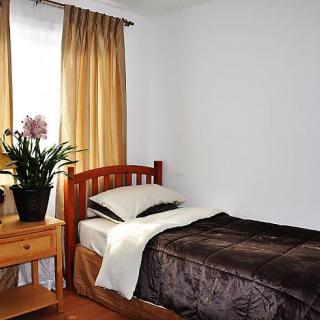


 Beyond the Bingo Hall: 50+ Enriching Activities for Seniors in Assisted Living
 Understanding the Distinctions: Assisted Living and Memory Care Explained
 Guiding Elderly Parents Who Refuse Assisted Living: 6 Practical Steps