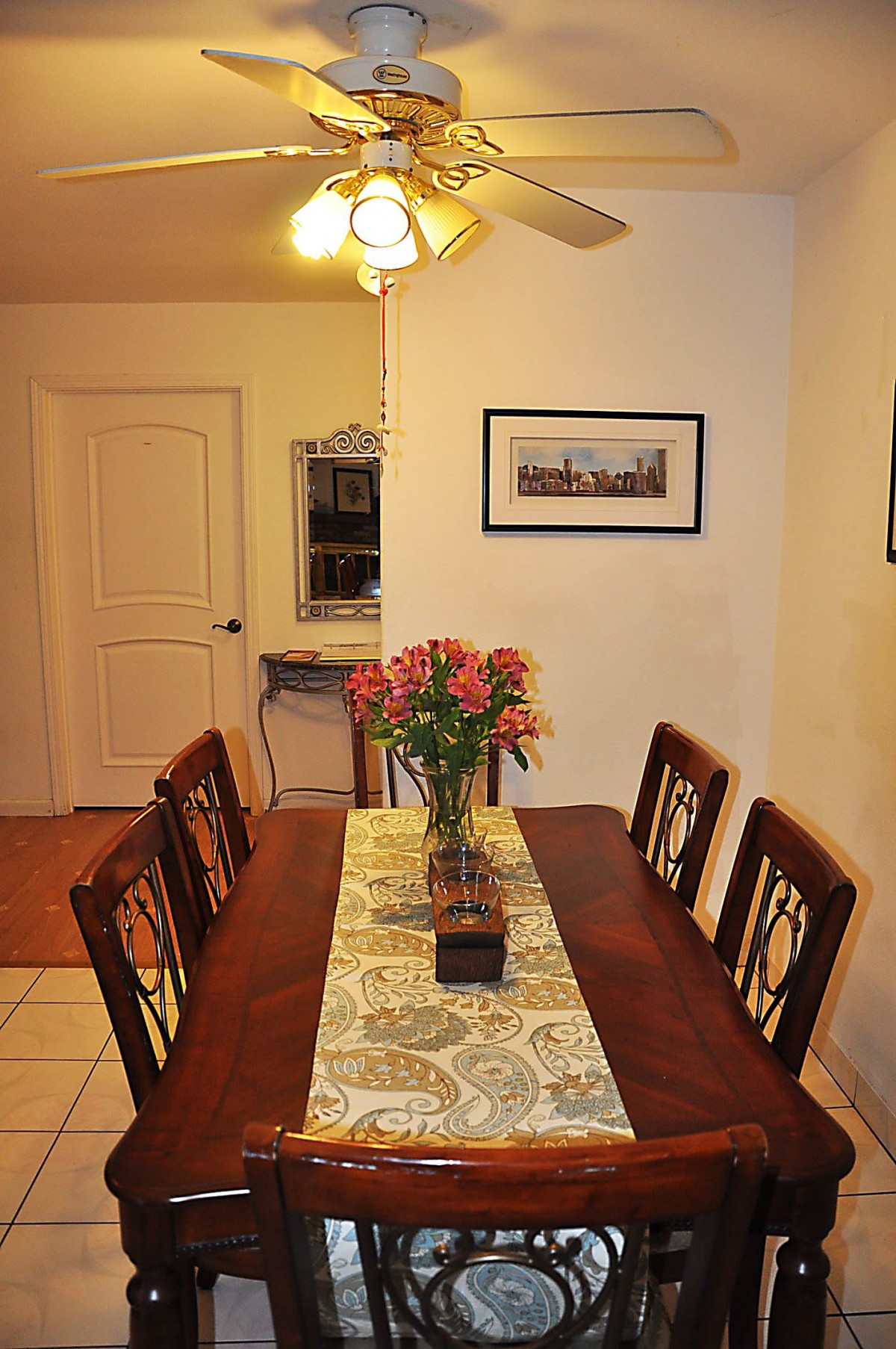
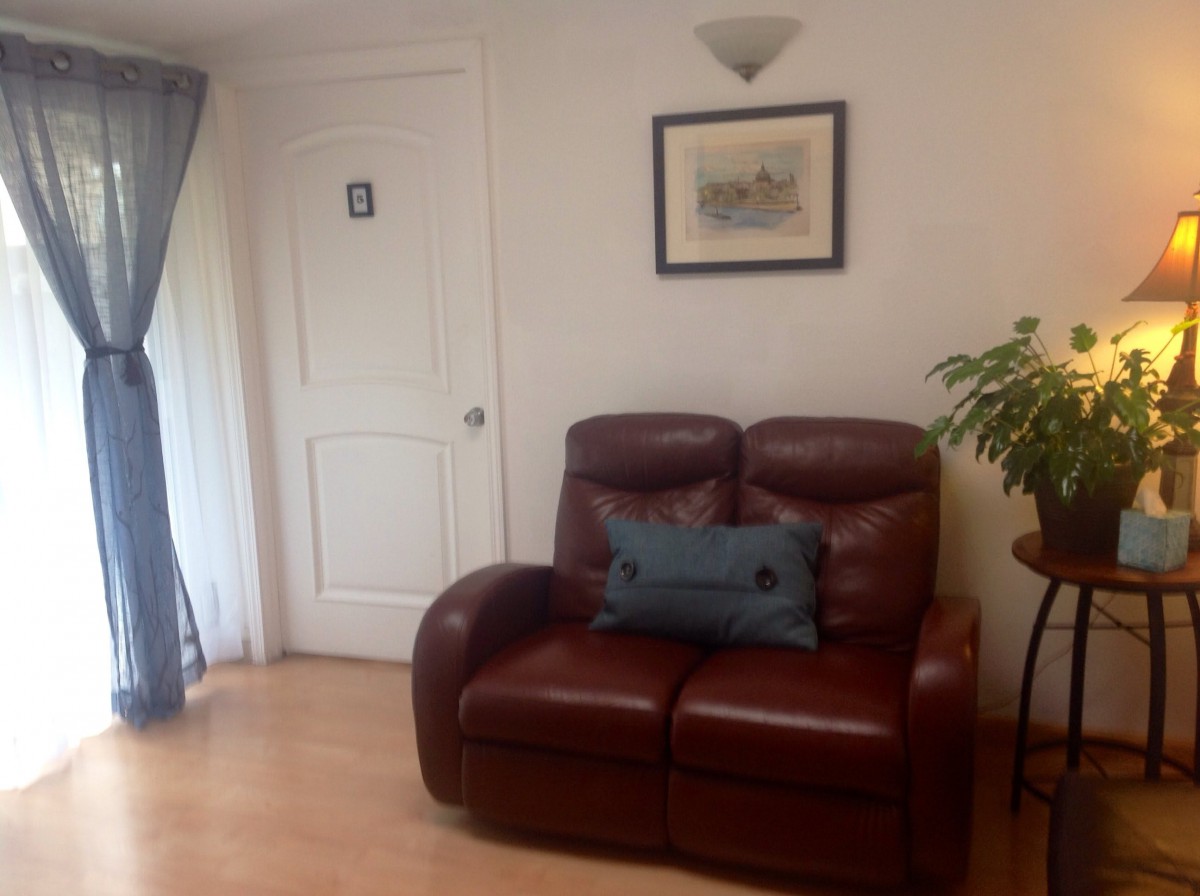
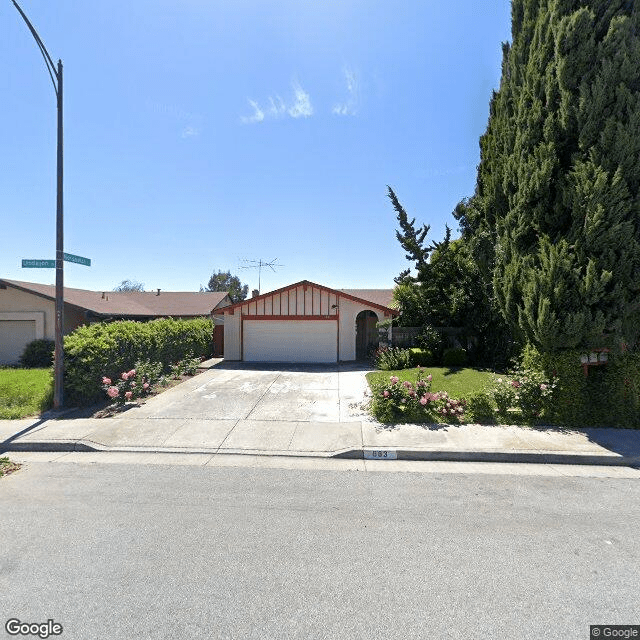
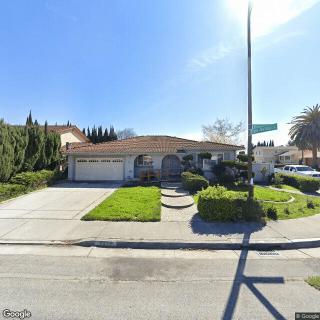
683 Undajon Drive, San Jose, CA 95133
To contact a resident: (408) 348-4861
For more information about senior living options: (866) 208-4318
Compassionate ElderCare RCFE Costs & Pricing
Compassionate ElderCare RCFE offers competitive pricing for its room types, catering to the needs of seniors in a caring environment. The semi-private room is priced at $3,500 per month, which not only falls below the Santa Clara County average of $3,943 but also remains reasonably aligned with the broader California rate of $3,333. For those seeking more privacy, the private room option is available at $4,500, slightly above the county's average of $4,096 yet still competitive when compared to California's state average of $3,939. Additionally, the studio unit is offered at $5,000 per month - closely matching the county figure of $5,155 while exceeding the statewide average of $4,145. Overall, Compassionate ElderCare RCFE provides a balance between quality care and affordability in comparison to both local and state costs.
| Floor plans | Compassionate ElderCare RCFE | Santa Clara County | California |
|---|---|---|---|
| Semi-Private | $3,500 | $3,943 | $3,333 |
| Private | $4,500 | $4,096 | $3,939 |
| Studio | $5,000 | $5,155 | $4,145 |
Memory care communities with a similar price nearby
-
from -$341 / mo
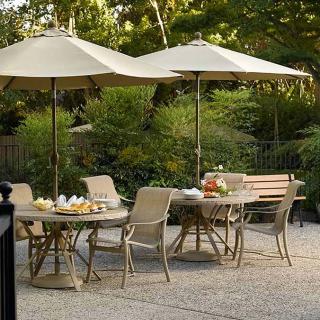
Moldaw Family Residences a CCRC
$3,159 to $4,381 / month13.7 miles away -
About the same
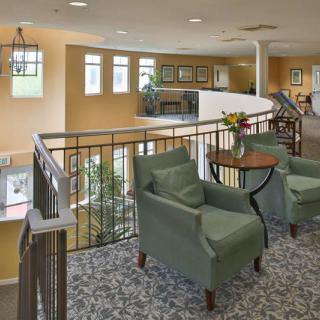
Atria Willow Glen
$3,595 to $6,295 / month6.0 miles away -
from +$195 / mo
Fremont Hills
$3,695 to $4,650 / month16.8 miles away -
About the same
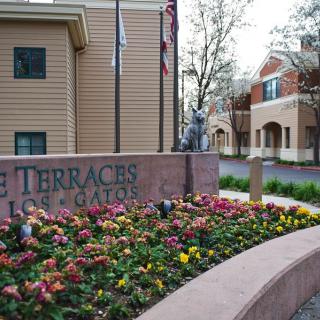
Terraces of Los Gatos
$3,578 to $5,382 / month10.7 miles away -
About the same
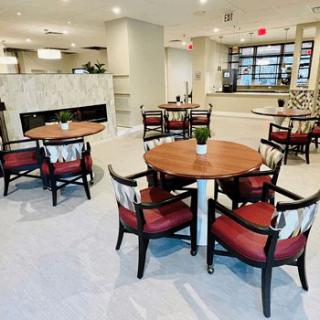
MorningStar of Hayward
$3,500 to $6,275 / month24.4 miles away
Overall Review of Compassionate ElderCare RCFE
Pros
 The staff is friendly and hardworking.
- The facility is very clean.
- The bathrooms are well maintained.
- She likes the food.
- She was very happy with the family feeling of the place.
- The staff were friendly and keen to work with the family to meet her needs.
Cons
 The staff change from time to time.
Review
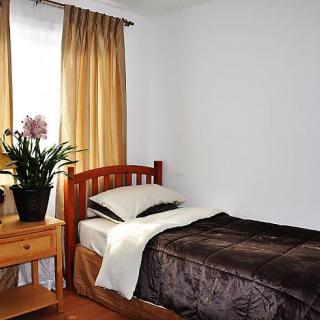
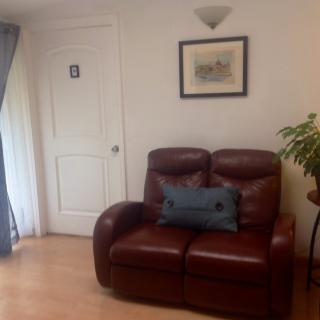
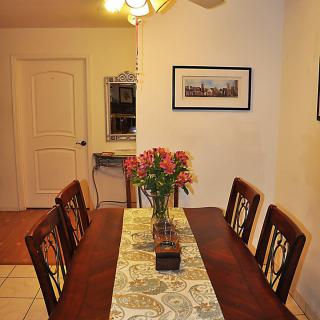
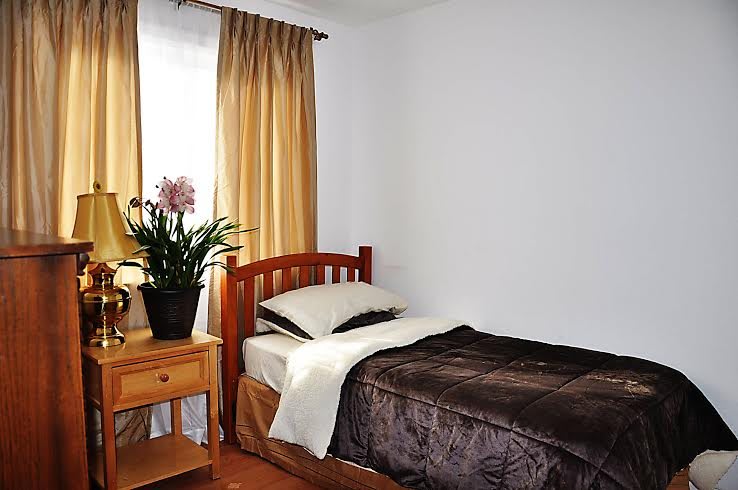
Compassionate ElderCare RCFE in San Jose is best suited for families seeking a warm, home-like atmosphere where a loved one can experience a flexible, low-pressure transition into assisted living. The community appears ideal for short- or temporary stays on a month-to-month basis, with an emphasis on a familial vibe rather than a dense institutional setting. Residents benefit from a clean, well-kept environment, with constant housekeeping and a layout that includes a welcoming lobby for socializing and a patio that invites sunlight and outdoor viewing. Food is a clear positive noted by families, making daily life more enjoyable for residents who value good meals as part of their routine.
This community may be less compelling for families prioritizing long-term staffing stability and ongoing medical oversight. Alternatives should be considered by those who need consistent, predictable caregiver coverage or more formalized, longer-term arrangements. If a resident requires steady, round-the-clock supervision, a large, professionally staffed campus with established continuity plans could be a better match. Similarly, families seeking robust memory care programs, structured daily schedules, or more expansive activity calendars may find other options that better align with those needs.
The strongest positives here, cleanliness, friendly and hardworking staff, and a genuine willingness to collaborate with families, offer meaningful weight in day-to-day life. A consistently clean facility reduces irritation and health concerns, while staff who are approachable and dedicated can compensate for minor gaps in continuity when turnover occurs. The family-friendly approach helps ensure that care plans stay aligned with a loved one’s preferences, and the ability to see and participate in meals and common-area activities fosters a sense of belonging that can be more difficult to achieve in larger, more impersonal settings. In short, the combination of hygiene, warmth, and responsive personnel can make a tangible difference in comfort and well-being, especially during transitions.
The primary caveat centers on staff turnover and the temporary nature of placements noted by residents’ families. Changes in caregivers can interrupt the perceived continuity of care, especially for someone who thrives on a familiar caregiver relationship. The month-to-month structure, while offering flexibility, also introduces a degree of uncertainty about long-term care plans or escalation of needs. Details about formal medical oversight, eligibility for more intensive nursing support, or access to memory-care-specific programming are not clearly described in the available feedback, which means families must assess whether the level of clinical support meets the resident’s current and anticipated needs. The scale and resources of an RCFE, as opposed to a larger campus, may also influence the breadth of activities and specialized services available.
For families weighing options, Compassionate ElderCare presents a compelling case when warmth, cleanliness, and partnership with families take priority. It is a notable match for someone who benefits from a friendly, less clinical ambience and who does not yet require, or cannot yet afford, highly specialized long-term care. To move from consideration to decision, prospective residents should directly inquire about staffing patterns, including the presence of a consistent primary caregiver, how turnover is managed, and the process for escalating care if a condition worsens. Meal planning, activity calendars, transportation options, and the availability of on-site nursing or licensed assistance should be clarified. Understanding the financial terms of the month-to-month arrangement and what happens when needs evolve is essential to avoiding future mismatches.
In summary, Compassionate ElderCare RCFE stands out for families seeking a clean, welcoming, family-oriented setting that can accommodate flexible, short-term placements with strong daily livability. It delivers meaningful value through strong housekeeping, friendly staff, and reliable meals, all wrapped in a comforting, home-like atmosphere. However, for those whose priority is unwavering staffing continuity, formalized medical oversight, or extensive memory-care programming, exploring alternatives is prudent. A careful in-person tour, direct conversations about staffing stability, and a clear plan for escalating care will reveal whether this community can grow from a promising start into a long-term home that meets every critical need.
 Board and Care Home
 Memory Care
 Activities off-site
 Beautician on-site
 Devotional services off-site
 Indoor common areas
 Outdoor common areas
 Private
 Private bathrooms
 Wheelchair accessible showers
 San Jose International (4 miles away)
 Diabetic care
 High acuity care
 Incontinence care
 Medication management
 Kosher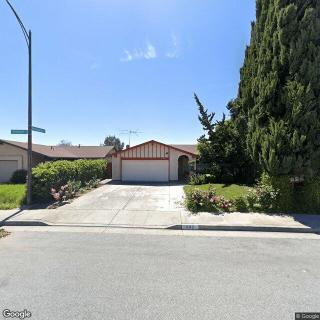

 A Holistic Dementia Care Guide: Effective Strategies for Memory Support
 Memory Care Pathways: A Holistic Guide to Dementia Support
 Comprehending Evening Confusion in Dementia: Causes, Manifestations, and Support