
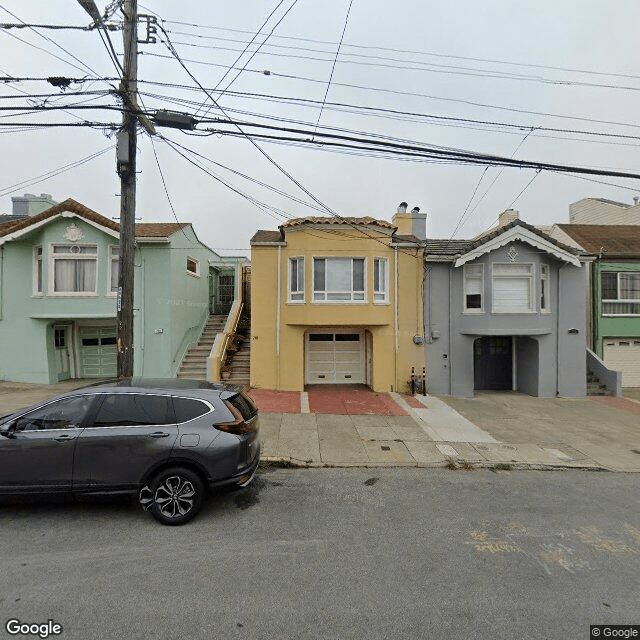
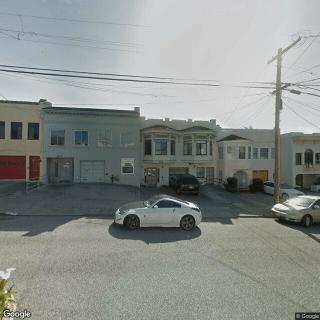
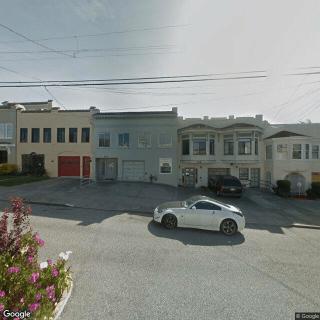
738 38th Ave, San Francisco, CA 94121
To contact a resident: (415) 694-0879
For more information about senior living options: (866) 208-4318
Farol's Residential Care Home #3 Costs & Pricing
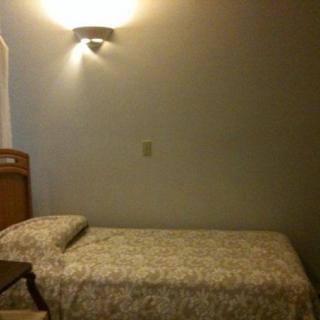
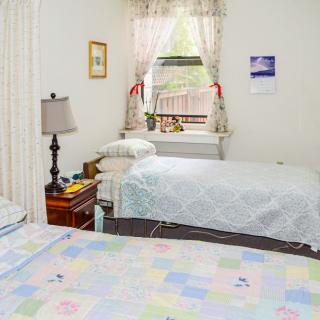
Farol's Residential Care Home #3 offers competitive pricing for its services when compared to both San Francisco County and the broader California market. For semi-private rooms, residents can expect to pay $3,500 per month, which is notably lower than the county average of $3,979 and slightly above the state average of $3,333. In terms of private accommodations, the monthly rates range from $4,000 to $4,300 - this sits above San Francisco's average of $3,591 but remains within a reasonable distance from California's overall average of $3,939. This pricing structure reflects Farol's commitment to providing quality care while still being mindful of costs in an increasingly competitive environment.
| Floor plans | Farol's Residential Care Home #3 | San Francisco County | California |
|---|---|---|---|
| Semi-Private | $3,500 | $3,979 | $3,333 |
| Private | $4,000 to $4,300 | $3,591 | $3,939 |
Senior living communities with a similar price nearby
-
About the same

Apple Tree Home Care
$3,500 / month15.9 miles away -
from -$305 / mo
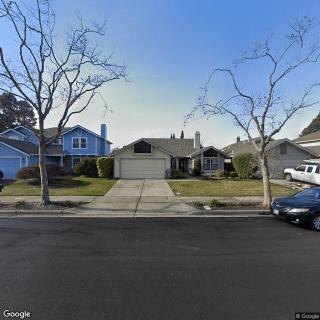
Harbor Bay Assisted Living
$3,195 to $5,000 / month13.6 miles away -
from +$500 / mo
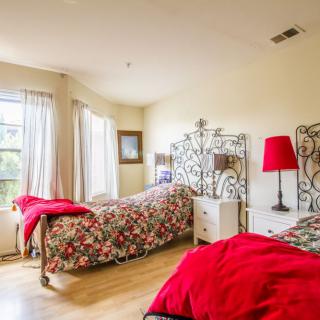
Golden Age Of Channing Way
$4,000 to $5,000 / month13.9 miles away -
About the same
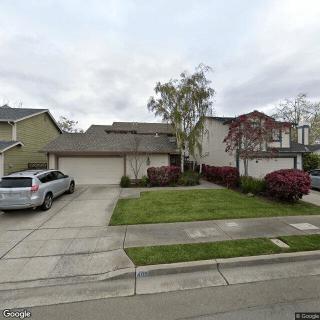
Angels Golden Care Assisted Living
$3,500 to $5,000 / month13.7 miles away -
from -$500 / mo

Eden Assisted Living
$3,000 / month22.4 miles away
Overall Review of Farol's Residential Care Home #3
Pros
 The facility and the daytime caregivers are very good.
Cons
 The nighttime caregiver is not very responsive to the father's needs.
- The daytime caregiver escalated the issue.
- The father was found soaked in urine on several mornings.
- There are not enough social activities at the facility.
Review
Farol's Residential Care Home #3 in San Francisco is best suited for seniors who want a smaller, home-like setting and can rely primarily on dependable daytime caregiving. The day shift is described as very capable, which means residents who thrive on steady daytime routines, clear communication, and prompt attention during waking hours will feel supported. A semi-private room is workable for those who don’t require absolute privacy or the expense of a private room, provided families are prepared to stay engaged with staff and advocate for consistent care. This community works best for residents with moderate daytime needs who are relatively self-sufficient after hours and for families willing to partner closely with caregivers.
Those weighing alternatives should consider options for residents who need stronger nighttime supervision, more aggressive continence or skin-care protocols, or a richer social life. A single nighttime caregiver who isn’t fully responsive raises safety concerns for anyone who requires urgent assistance overnight or who benefits from proactive checks. For families that cannot tolerate even occasional delays at night, a facility with more robust 24/7 on-site nursing coverage will likely be a better fit. Likewise, residents who crave a robust calendar of social activities and structured engagement may prefer communities with fuller programming and more frequent organized outings and events.
The strongest pros, reliable daytime caregiving and the ability to escalate issues during the day, do not completely offset the significant nighttime gaps. Day staff that are attentive and proactive create a solid foundation for safety, comfort, and day-to-day problem solving. Yet the limited social programming dampens overall quality of life, and the lack of consistent nighttime responsiveness undermines the sense of security for residents who nap poorly, wander, or need care after dark. In this balance, daytime strengths carry weight, but they cannot fully compensate for overnight vulnerabilities or the potential strain of sharing a room when privacy or companionship needs shift.
The most troubling con is the reported nighttime lapse: a resident found soaked in urine on several mornings. This points to insufficient nighttime monitoring or inadequate incontinence management, carrying real risks of skin breakdown, odor, infections, and distress for the resident and family. Coupled with a single night shift, the risk of delays in responding to calls or urgent needs increases, making the overnight period a pivotal factor in overall safety and comfort. The sparse social activities amplify the sense of isolation, especially for residents who thrive on meaningful engagement and structured routines beyond meals and basic routines.
To move forward with clarity, families should plan a focused visit that probes the night shift: ask to observe a night shift, inquire about caregiver-to-resident ratios after hours, and request a detailed nighttime care plan for incontinence, positioning, and safety checks. Inquire about activity calendars, resident-led clubs, and how social programming is tailored to varying energy levels and interests. If a private room is essential, explore whether a private accommodation is available or if there are nearby comparable options with private rooms that maintain similar daytime strengths. Request a written escalation protocol and a trial period to assess alignment between expectations and actual care.
Bottom line: Farol's #3 offers a practical fit for families prioritizing capable daytime care in a compact, home-like setting and who can accept limited evening engagement and privacy. It is less suitable for those requiring steady, high-caliber overnight supervision, rigorous continence management, or a bustling social calendar. For residents with elevated nighttime needs or a preference for more comprehensive social programming, alternatives with 24/7 licensed nursing coverage, stronger nocturnal protocols, and richer activity schedules are advisable. The decision should hinge on balancing daytime reliability with overnight safety and social fulfillment, with a clear plan to address the identified overnight care gaps before committing.
 Board and Care Home
 Private
 San Francisco International (13 miles away)
 Diabetic care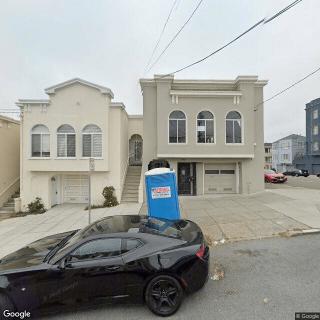


 Effective Strategies for Keeping Seniors' Minds Active: A Deep Dive into Brain Games and Apps
 In-Depth Look at the VA Aid and Attendance Program
 Nurturing Our Loved Ones: A Daughter's Journey in Caring for Her Mother