
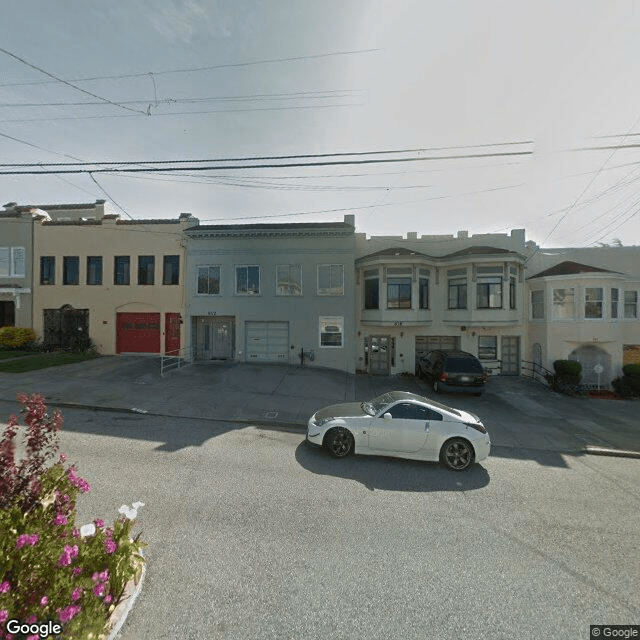
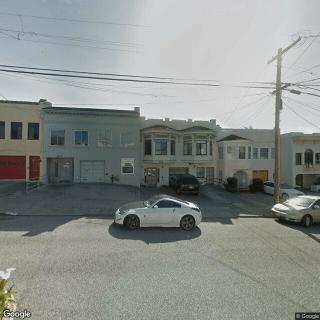
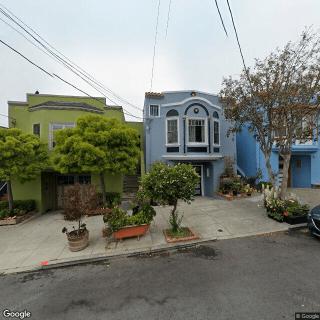
612 39th Ave, San Francisco, CA 94121
To contact a resident: (415) 751-1029
For more information about senior living options: (866) 208-4318
Ida's Care I Costs & Pricing
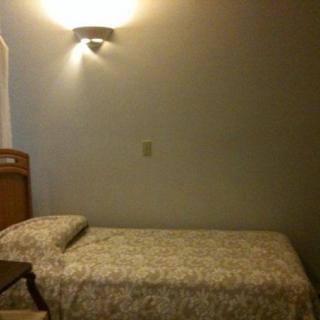
Ida's Care I offers competitive pricing for its services compared to both San Francisco County and the broader California market. For a semi-private room, Ida's Care I charges $3,000 per month, which is significantly lower than San Francisco County's average of $3,979 and also below California's statewide average of $3,333. In the case of private rooms, Ida's Care I positions itself at $4,000 monthly; while this is slightly higher than San Francisco County's rate of $3,591, it remains more affordable than the state average of $3,939. Overall, Ida's Care I presents an appealing option for those seeking quality care without the steep costs typically associated with facilities in its vicinity.
| Floor plans | Ida's Care I | San Francisco County | California |
|---|---|---|---|
| Semi-Private | $3,000 | $3,979 | $3,333 |
| Private | $4,000 | $3,591 | $3,939 |
Senior living communities with a similar price nearby
-
from -$300 / mo

Home Instead Senior Care
$2,700 to $3,400 / month24.5 miles away -
from +$500 / mo

Apple Tree Home Care
$3,500 / month16.1 miles away -
from +$195 / mo
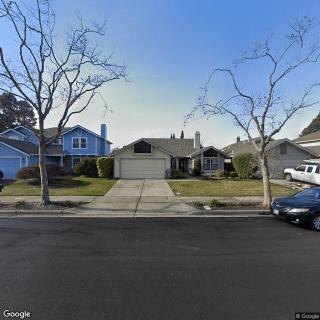
Harbor Bay Assisted Living
$3,195 to $5,000 / month13.7 miles away -
from +$500 / mo
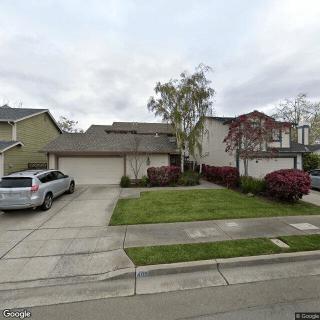
Angels Golden Care Assisted Living
$3,500 to $5,000 / month13.8 miles away -
About the same
Eden Assisted Living
$3,000 / month22.5 miles away
Overall Review of Ida's Care I
Pros
 The manager is personable.
- The private residence setting provides an intimate atmosphere.
- The small size creates a cozy, personal environment.
Cons
 It is a small home (fewer than 10 residents) in a private residence setting, with not many activities provided.
- It offers very few activities.
Review
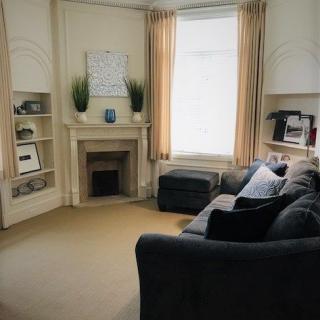
Ida's Care I in San Francisco is best suited for seniors who want a tiny, home-like setting where care is highly personalized and interactions with the staff are direct and frequent. The facility operates as a private residence with fewer than 10 residents, which yields a calm, predictable environment and close relationships with the manager. It fits individuals who value privacy, simplicity, and a routine that feels more like living with family than living in a formal institution. For residents who do not require extensive programming, large activities calendars, or on-site medical amenities, this small-scale model can offer comfort and security through intimate oversight and quick communication.
Those who may want alternatives are families seeking richer social engagement, broader activity options, or more comprehensive clinical oversight. If cognitive or physical needs escalate to require regular nursing support, therapy services, or transportation to a variety of outings, a larger community with dedicated staff and structured programming is likely a better match. With only two reviews, there is limited external validation of care quality, so a careful on-site tour and candid discussions about staffing, training, and emergency procedures are essential.
Pros center on the tiny, home-like atmosphere and a personable manager whose involvement tends to yield responsive, individualized attention. Residents typically experience faster communication and a sense of being seen. The primary drawbacks are the sparse activity slate and limited opportunities for peer interaction, which can lead to boredom or social isolation over time. While the manager’s accessibility helps, it cannot fully replace scheduled programming or a broader network of peers. In practice, the setting trades breadth of services for depth of one-on-one care.
On a day-to-day basis, life at Ida's Care I likely emphasizes simple routines, with family-like meals and assistance handled in a familiar, intimate space. The trade-off is fewer group events and less variety in daily structure. Families should seek concrete details: what is included in the base fee, meal plans, medication management, housekeeping, and any transport options. Ask for the staffing schedule, the process for care planning, how emergencies are handled, and whether family members can participate in care conversations. Verifying licensing and safety measures remains essential in this compact setting.
For families evaluating fit, Ida's Care I offers strong alignment for those prioritizing dignity, quiet surroundings, and direct access to a single, caring manager. It is a less fitting option for residents who rely on social programming to stay engaged or who require more robust clinical services on site. The limited data from two reviews warrants caution; a structured trial and multiple visits will reveal whether the reality matches expectations, particularly around consistency of staffing and daily activity variety.
Ultimately, Ida's Care I represents a clearly intimate choice among San Francisco options. If privacy and tight-knit, manager-driven care are paramount and the resident thrives with a calm, home-like rhythm, this option can be a good match. If a richer activity calendar, transportation, or stronger on-site clinical support is non-negotiable, pursuing alternatives is prudent. Prospective movers should schedule an in-depth tour, request a sample activity calendar and care plan, confirm licensing status, and meet the manager to assess compatibility. With disciplined due diligence, the decision will align with the resident’s long-term well-being.
 Board and Care Home
 Private
 San Francisco International (13 miles away)
 Ambulatory care
 Diabetic care
 High acuity care
 Incontinence care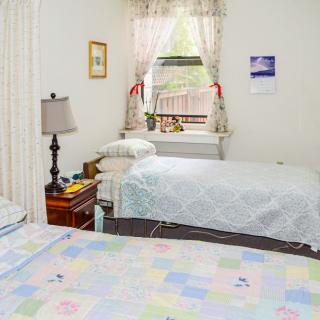
 California's Form 602A: An In-Depth Examination of Senior Care Assessment
 Comprehensive Look at Senior Blood Pressure Charts: Normal and Elevated Levels by Age
 Top Canine Companions for Older Adults