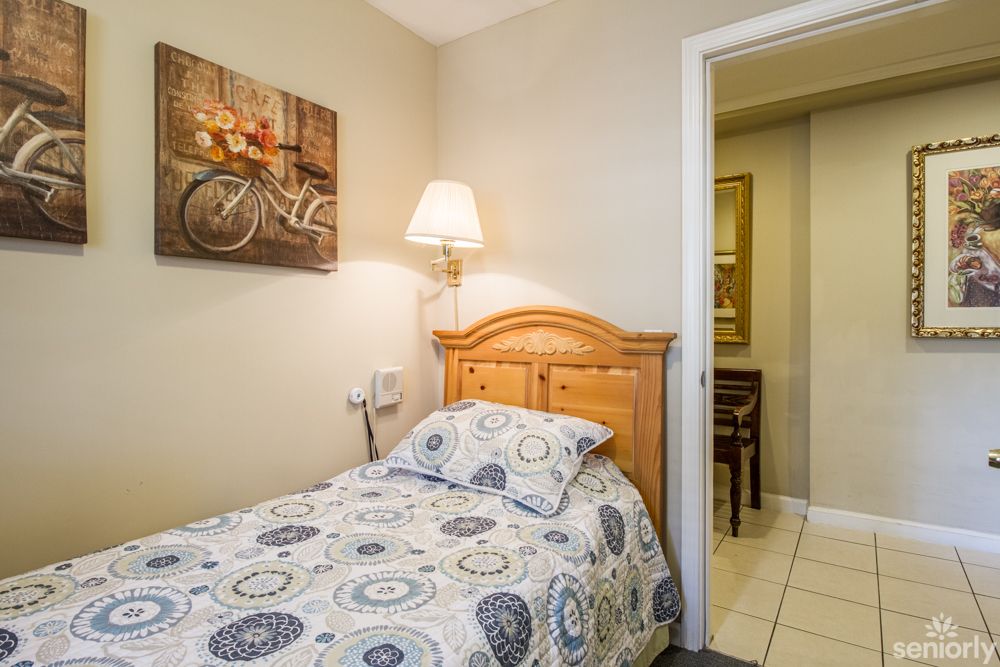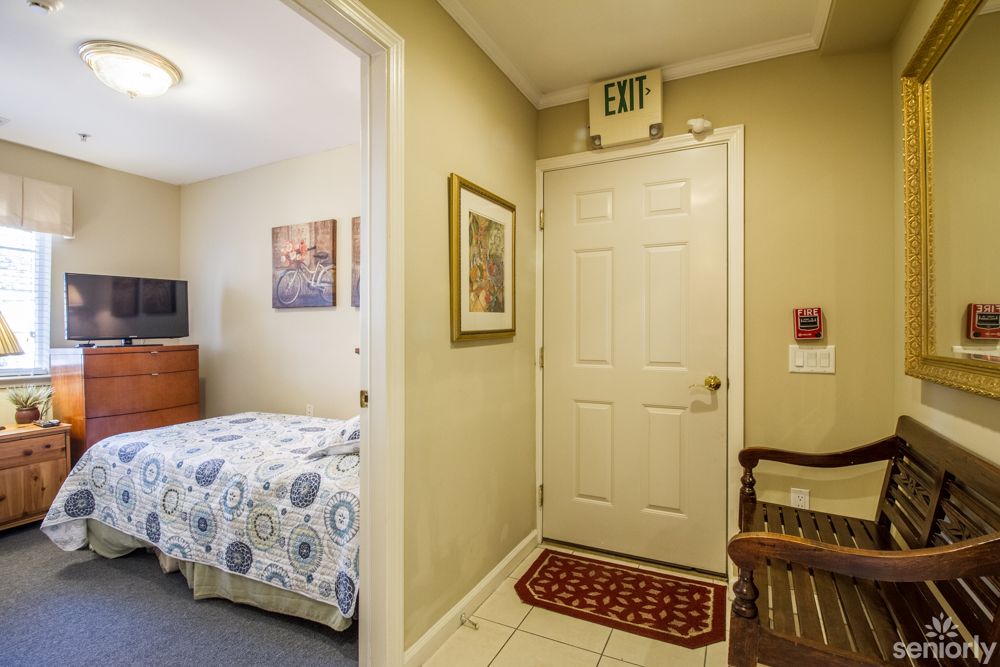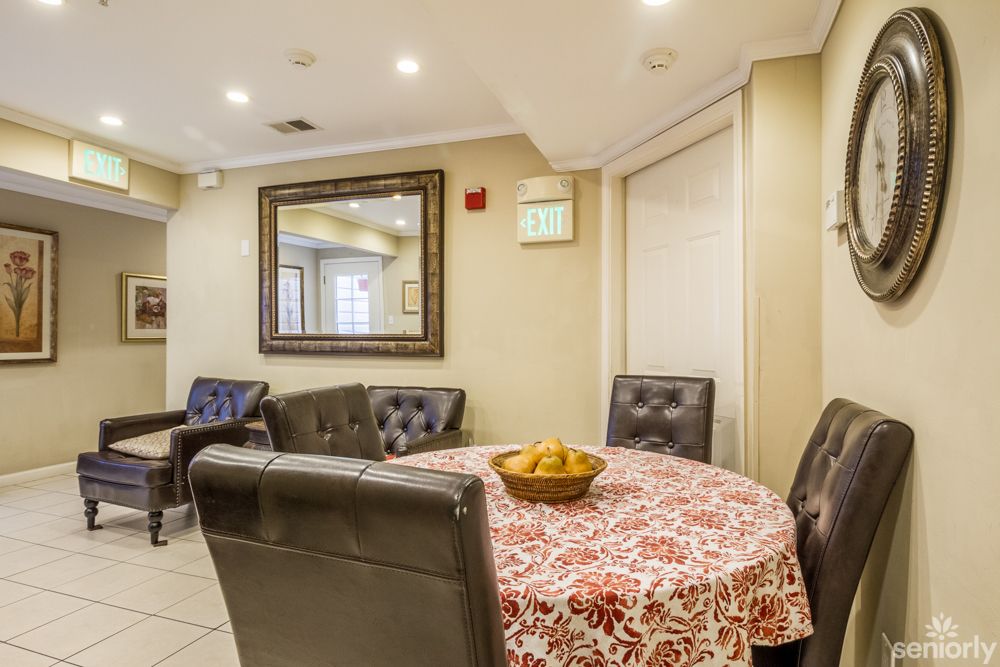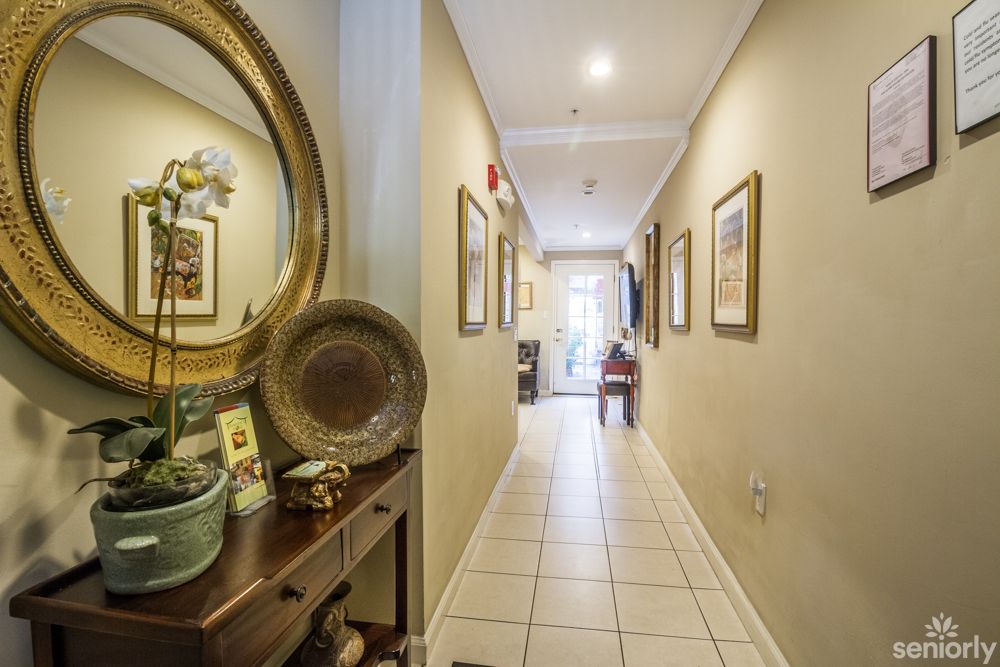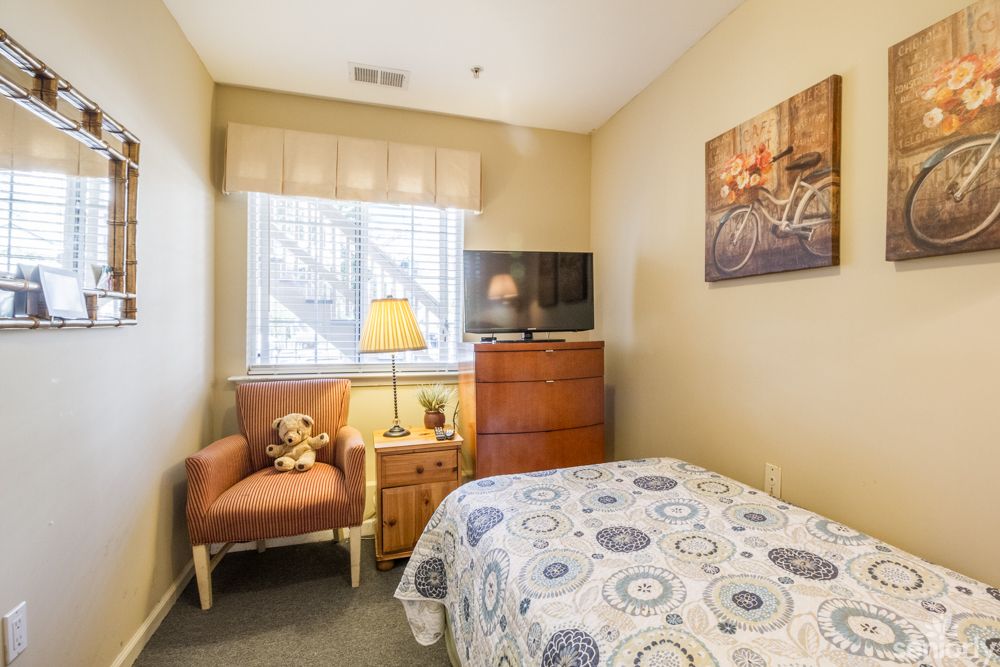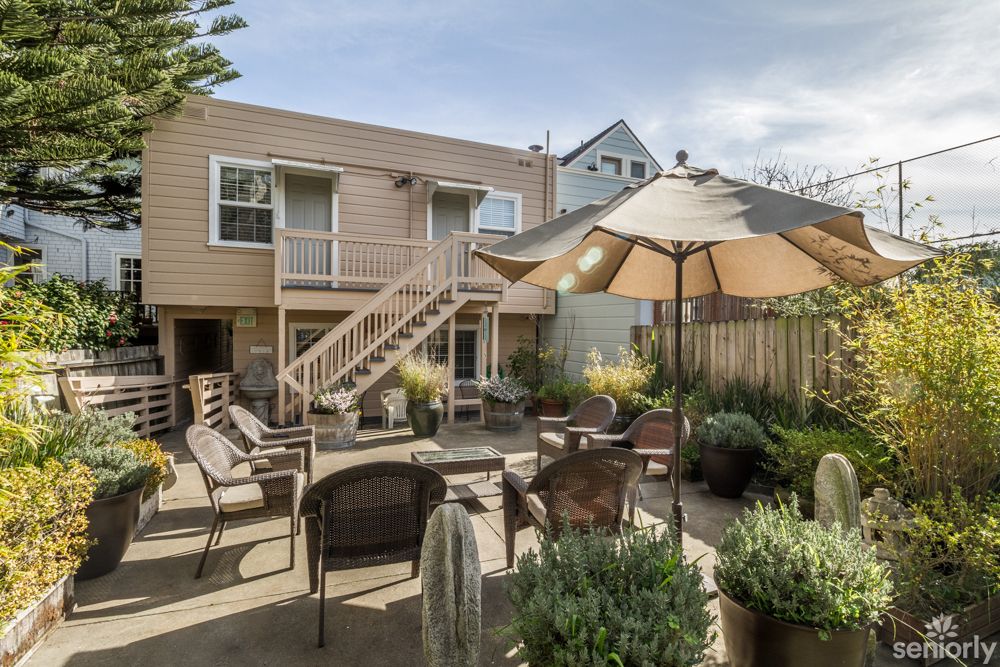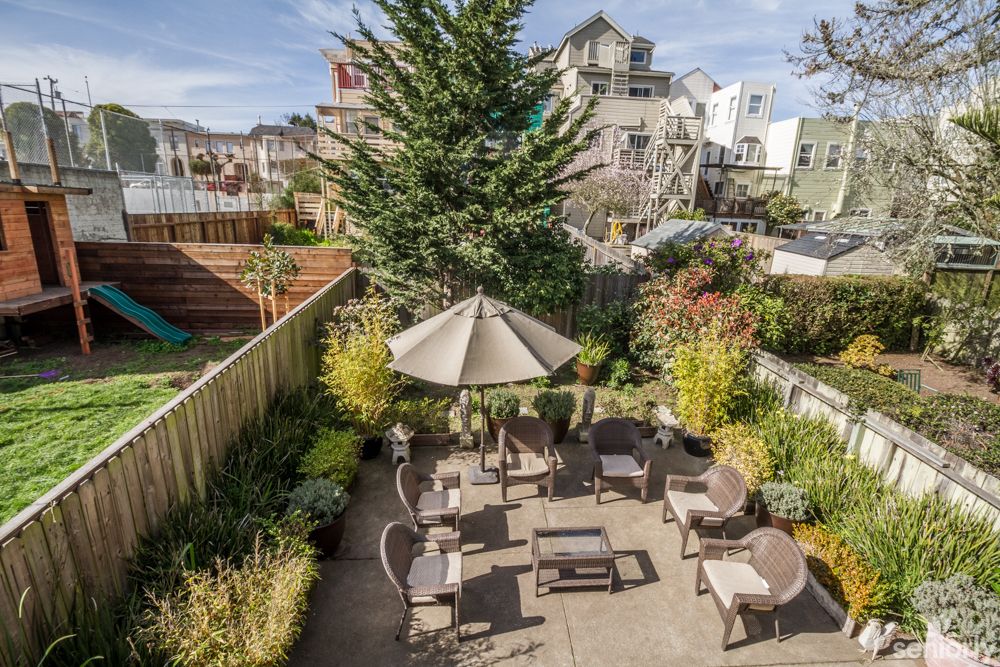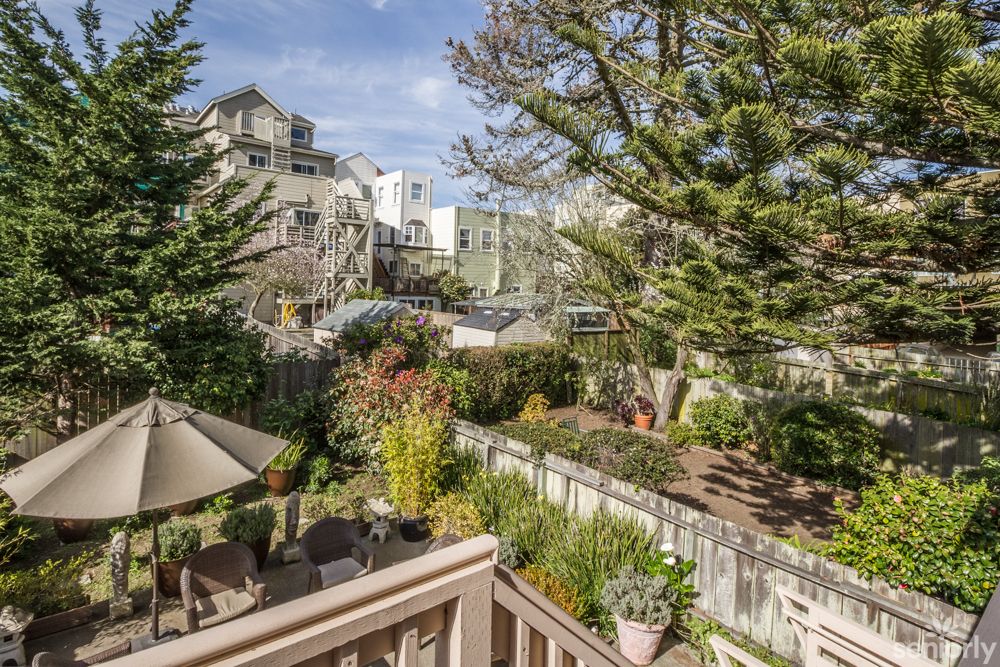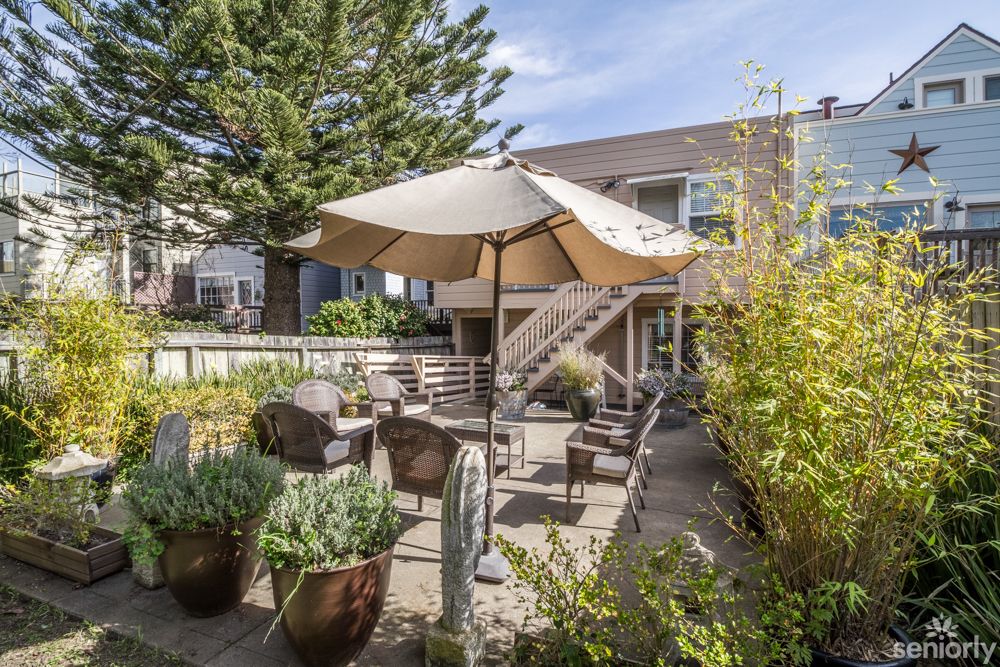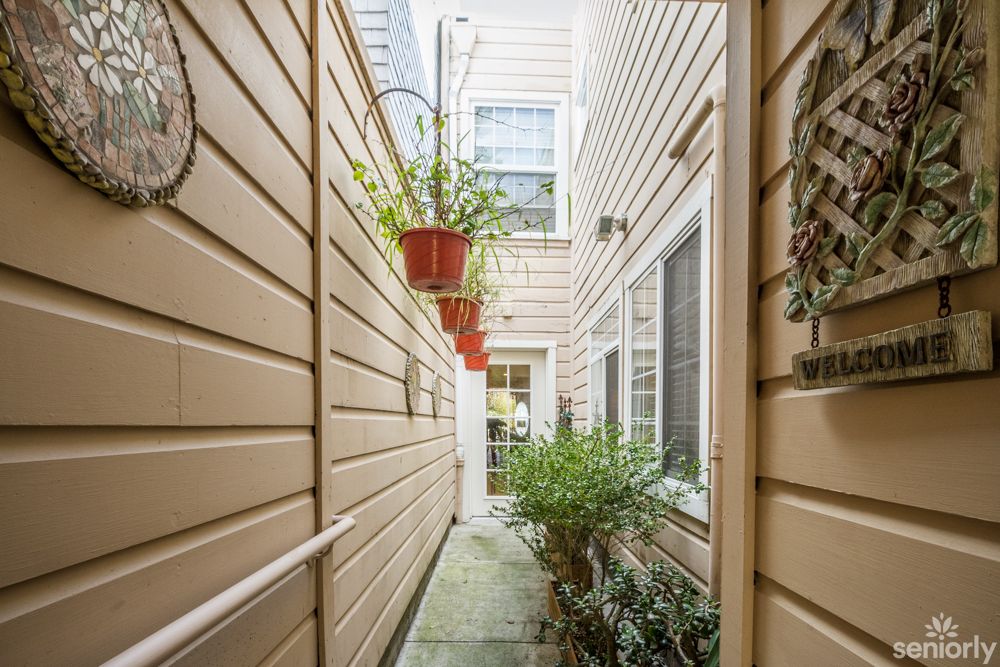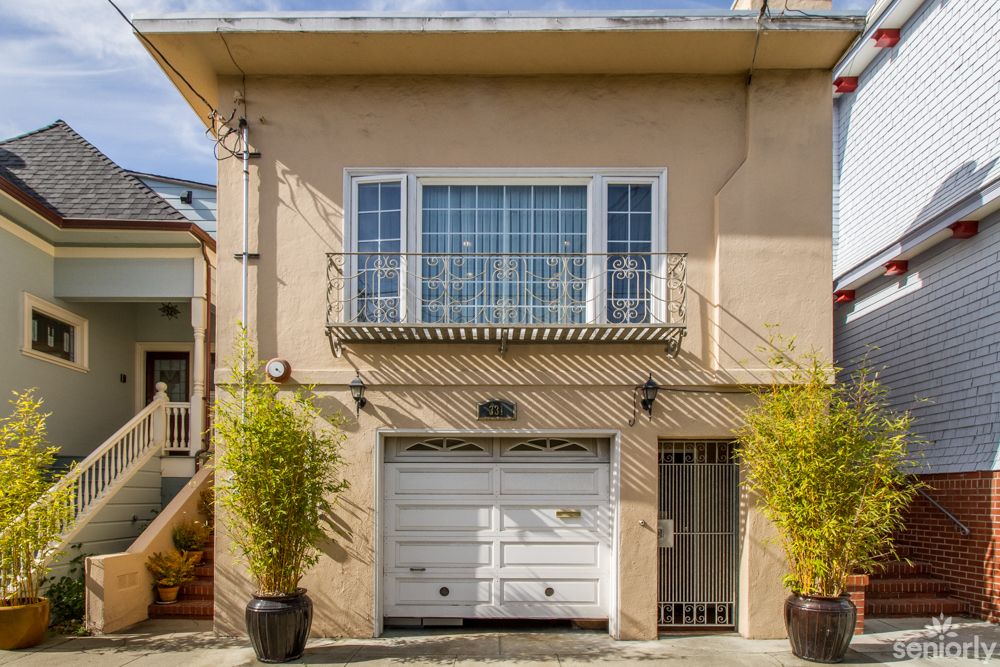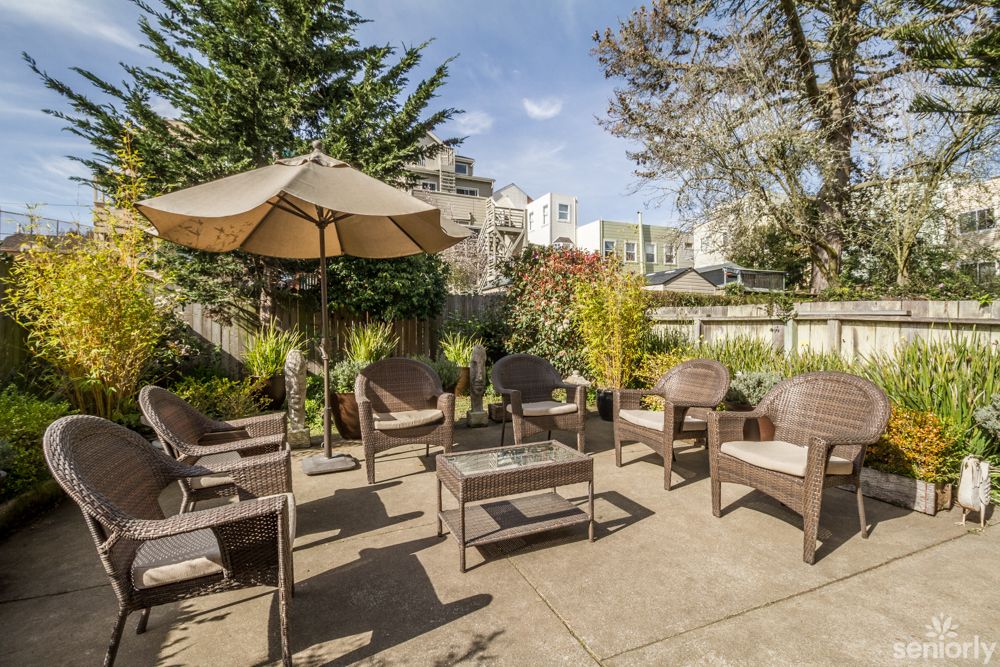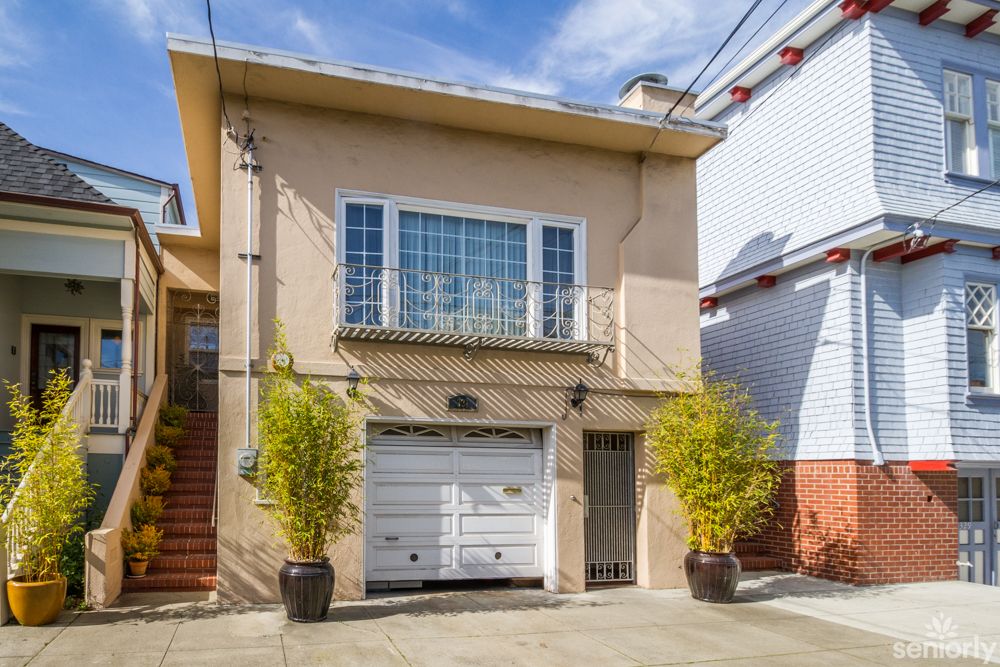
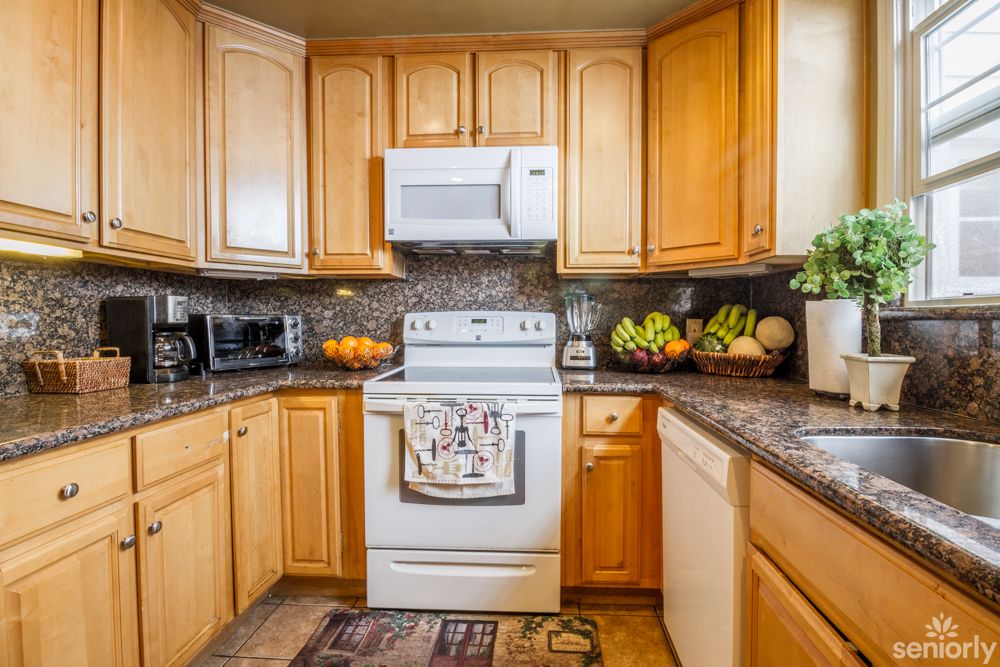
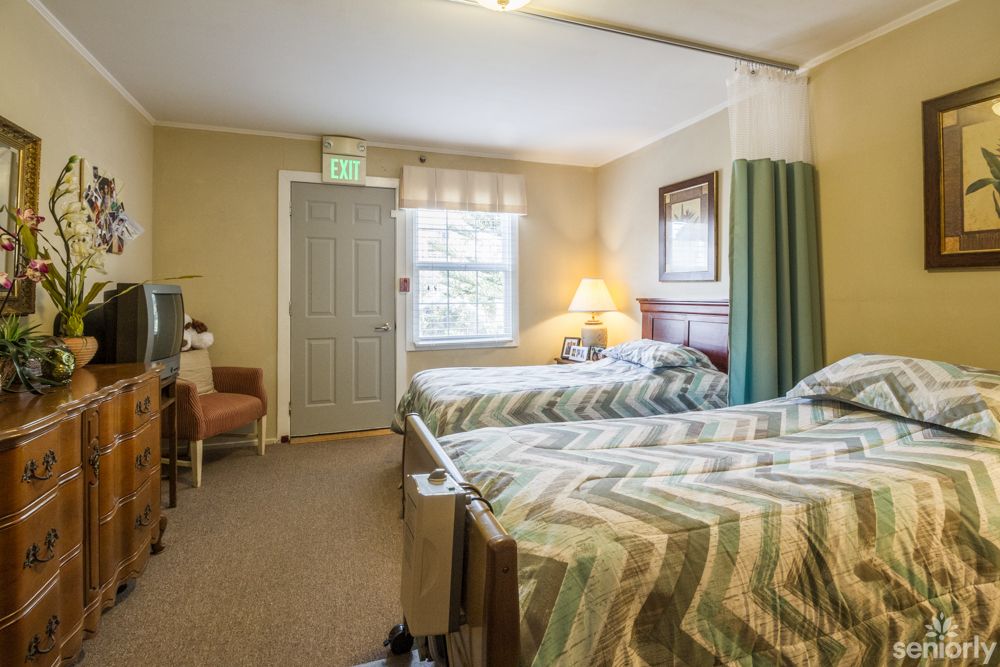
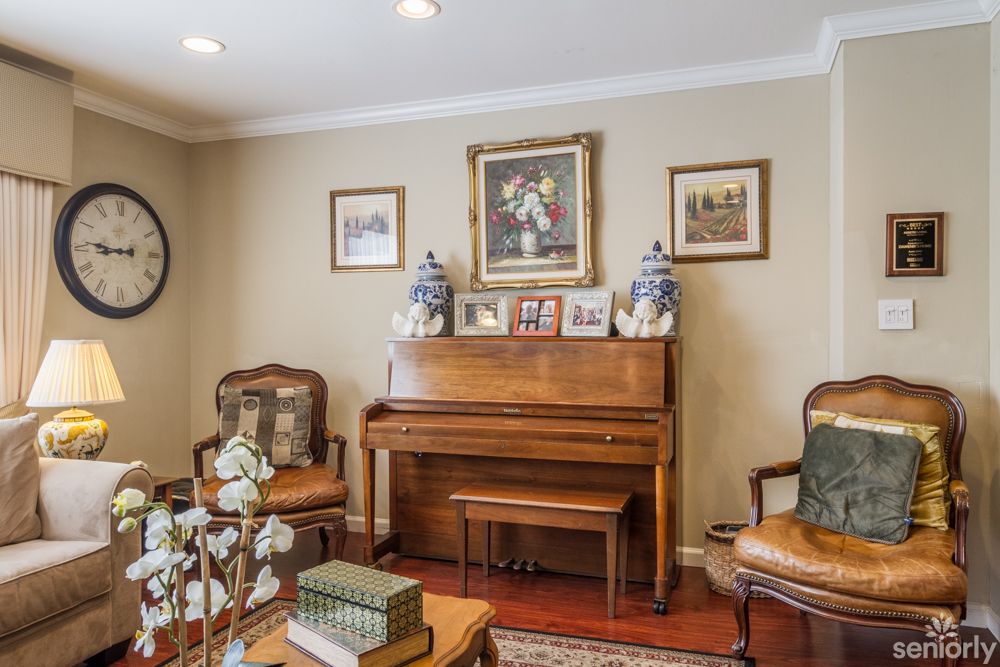
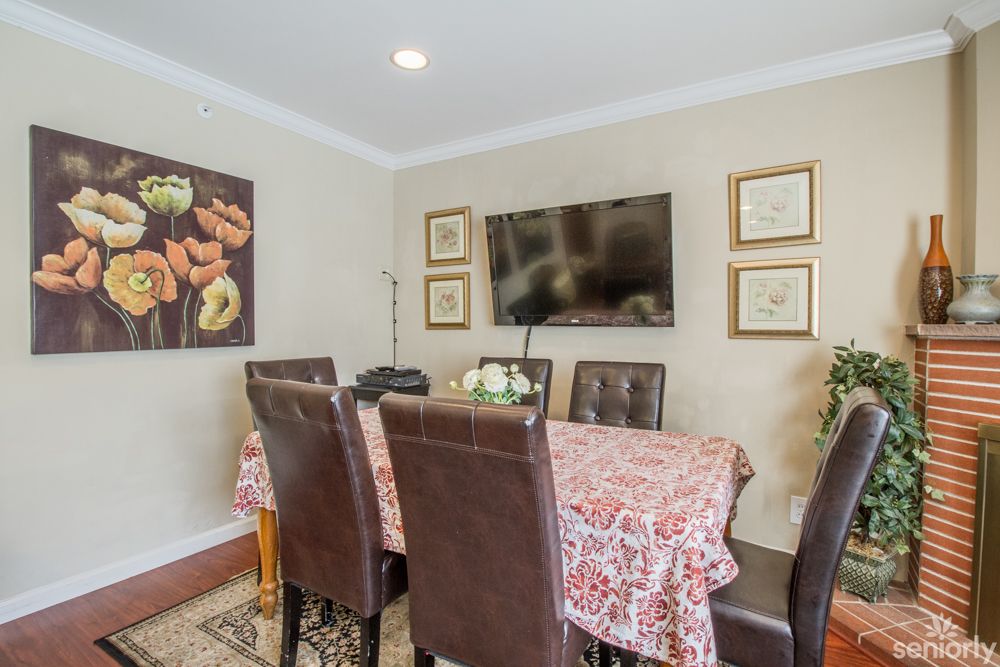
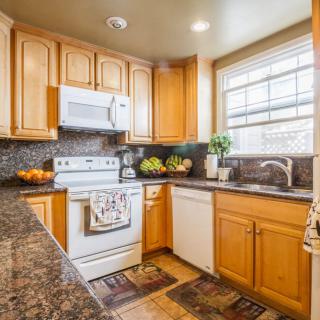
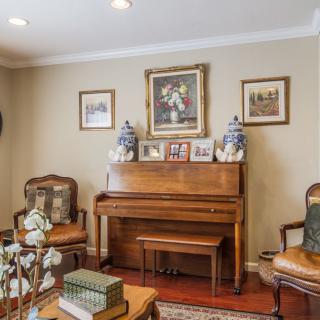
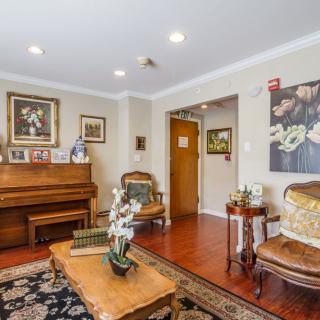
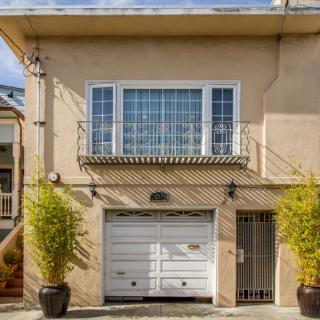
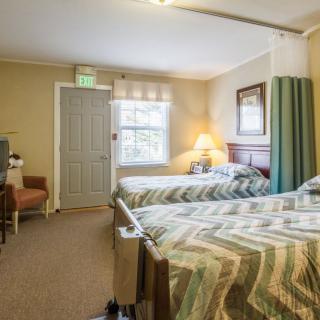
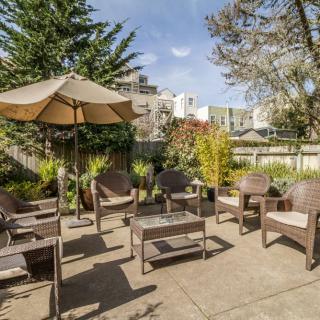
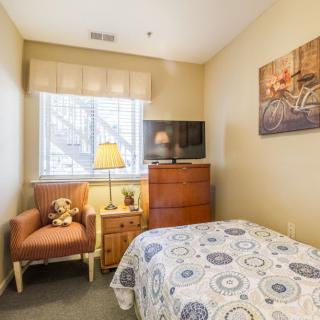
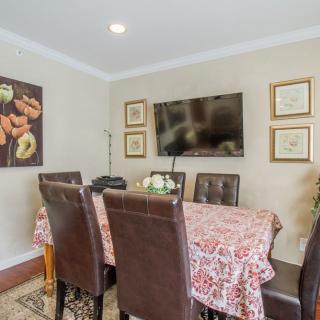
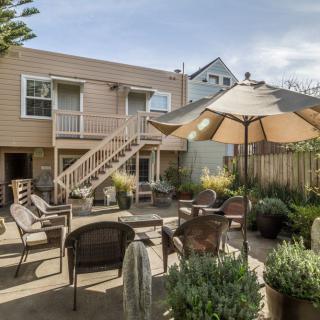
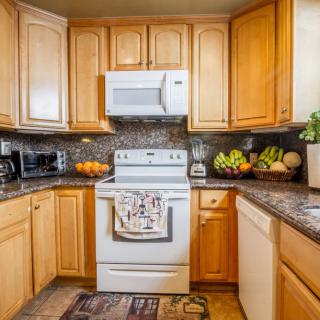
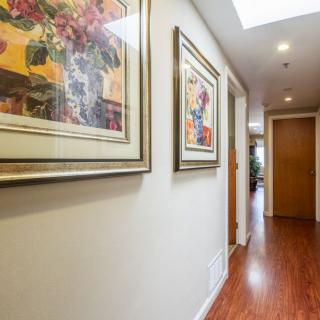
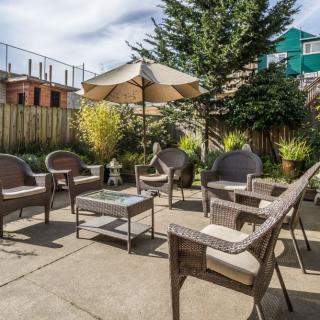
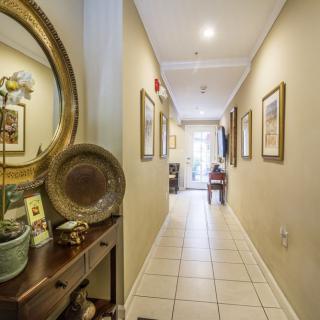
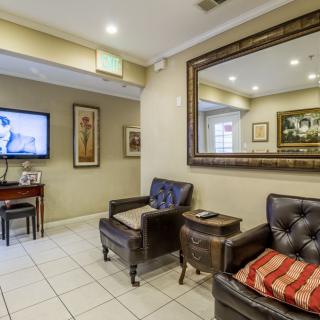
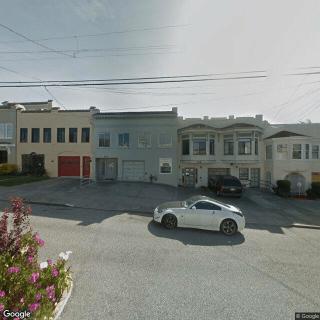
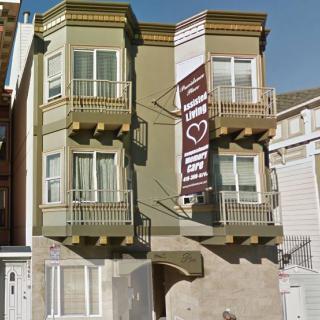
331 30th Avenue, San Francisco, CA 94121
For more information about senior living options: (866) 208-4318
Damenik's Home Costs & Pricing
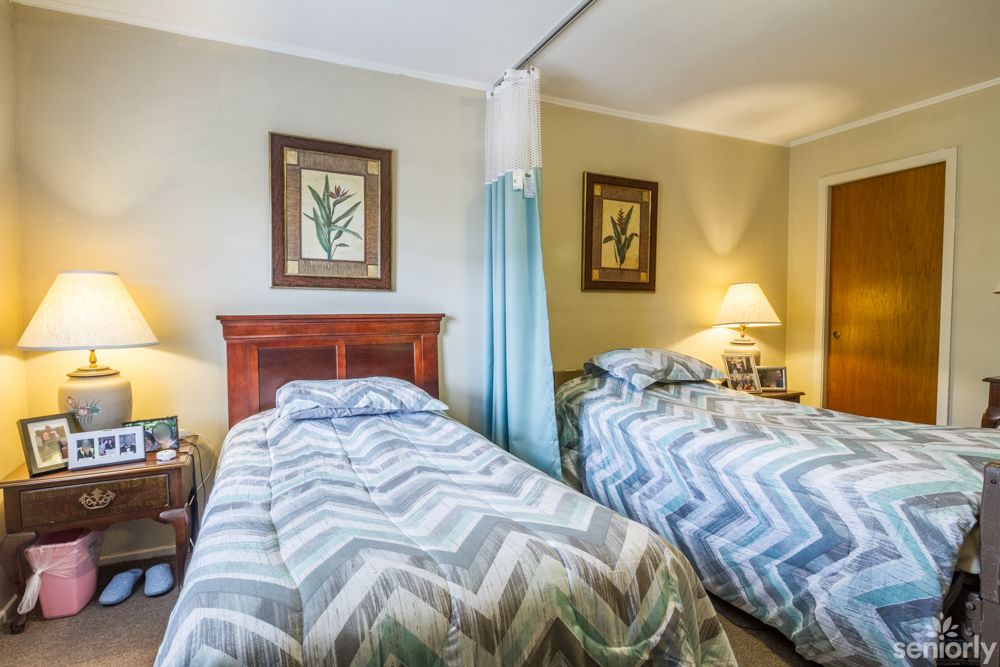
Damenik's Home offers competitive pricing in comparison to both San Francisco County and the broader California market. For semi-private rooms, residents can expect to pay $3,000 per month, significantly lower than the county average of $3,979 and even more so than the state average of $3,333. Private rooms at Damenik's Home are priced at $3,500, which remains slightly below San Francisco County's rate of $3,591 while being more affordable than the California average of $3,939. The one-bedroom option also reflects a similar trend; at Damenik's Home it costs $3,500 compared to a strikingly higher county price of $5,843 and a state average of $4,340. Overall, Damenik's Home represents an appealing choice for potential residents seeking quality care without the exorbitant costs often associated with living in these areas.
| Floor plans | Damenik's Home | San Francisco County | California |
|---|---|---|---|
| Semi-Private | $3,000 | $3,979 | $3,333 |
| Private | $3,500 | $3,591 | $3,939 |
| 1 Bedroom | $3,500 | $5,843 | $4,340 |
Memory care communities with a similar price nearby
-
from +$195 / mo
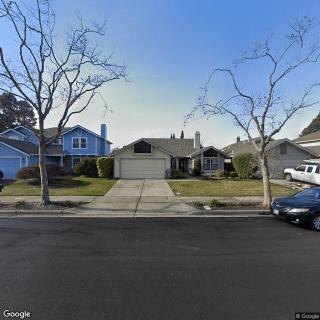
Harbor Bay Assisted Living
$3,195 to $5,000 / month13.3 miles away -
from -$500 / mo

San Carlos Elms
$2,500 to $5,880 / month23.0 miles away -
from +$500 / mo
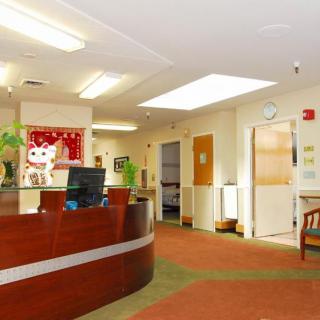
East Bay Assisted Living
$3,500 to $5,000 / month14.0 miles away -
from -$500 / mo
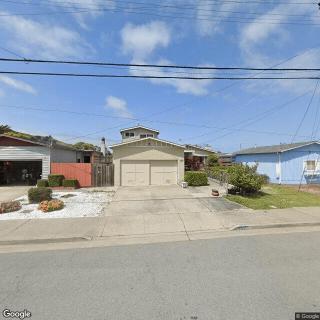
Oceanside Board and Care II
$2,500 to $3,000 / month11.3 miles away -
from -$200 / mo
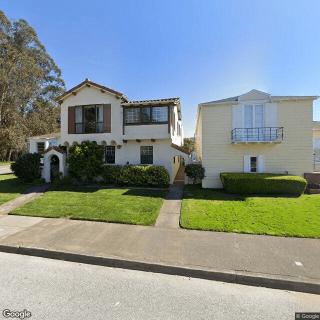
Nobis Care Homes
$2,800 to $3,200 / month3.3 miles away
Overall Review of Damenik's Home
Pros
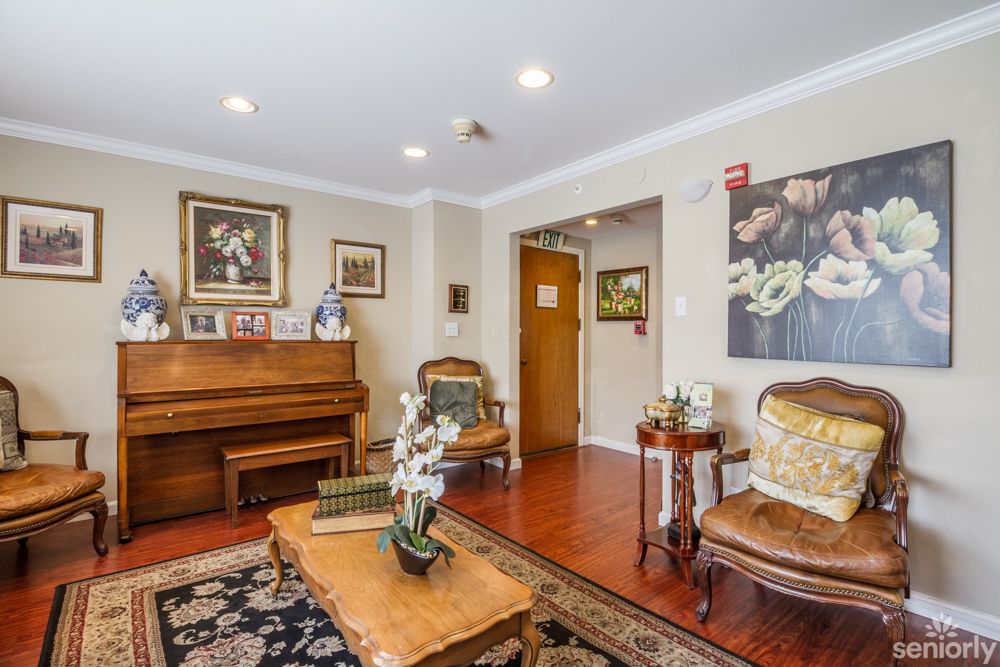
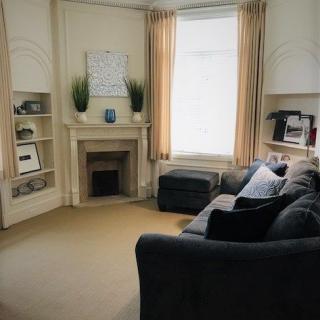
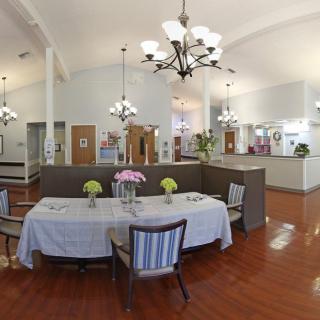
 The facility offers a warm and friendly environment.
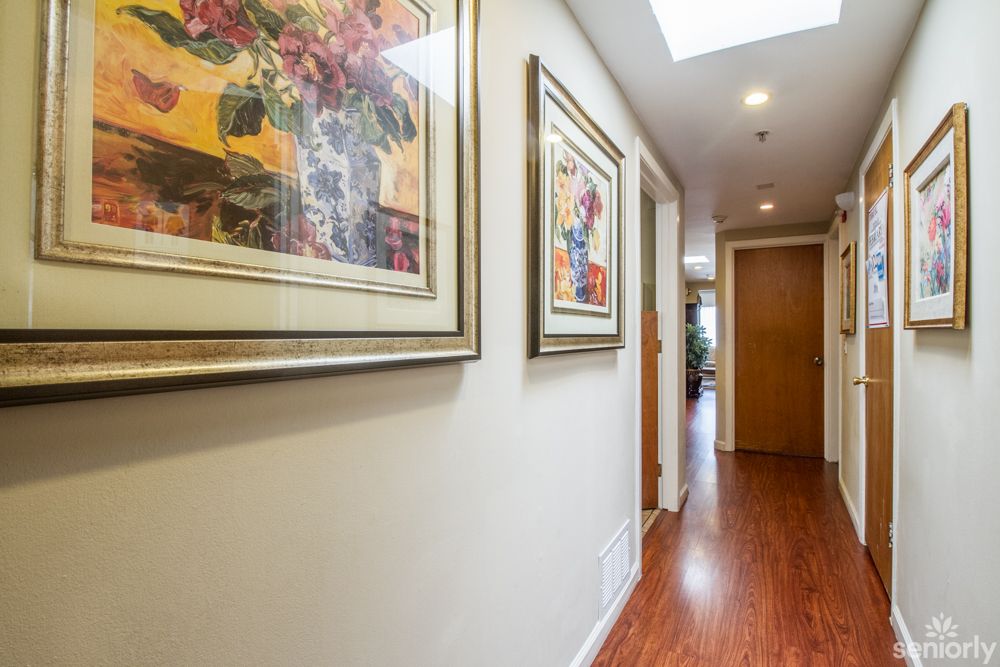
- The place feels like a home rather than a facility.
- The staff treat residents like adults, not children.
- Compared to the uncle's former facility, which felt like a hospital, this environment is much healthier for him.
Cons
 The uncle's former facility felt like a hospital.
Review
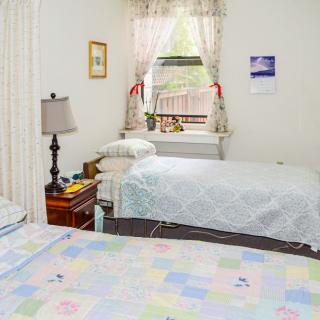
Damenik's Home in San Francisco is best suited for seniors who prize a genuine home atmosphere over a hospital-like setting. The available impression points to a warm, friendly environment where everyday life feels personal and un rushed, and where residents are treated with dignity and autonomy rather than infantilized. For families seeking a setting that honors independence while delivering practical support, this intimate, home-centered option offers a compelling fit.
Key benefits center on atmosphere and interpersonal style. The environment feels welcoming and less clinical, with staff who treat residents as adults. That approach translates into calmer days, more natural routines, and opportunities for meaningful social engagement, rather than a rigid, institution-like cadence. In practical terms, the setting reduces stress around daily care, meals, conversations, and activities flow with a sense of normalcy that can preserve mood and self-respect. For those who fear losing identity in care, this is a meaningful, differentiating advantage.
However, the limited, single-review basis introduces real questions about consistency and scope. With only one perspective, it’s hard to gauge how well the community maintains that homey vibe across different shifts, or how it handles more complex medical needs, memory support, or crisis management. Families contemplating alternatives should consider facilities with broader track records that clearly articulate care levels, continuity of care, and quick access to medical resources. Prospective residents should also verify long-term affordability, contract terms, and what services are bundled or billed separately.
Despite these unknowns, the strengths can meaningfully offset potential gaps for the right resident. A small, intimate setting that emphasizes adult-to-adult respect can yield less stress, higher engagement, and a sense of belonging, factors that often trump broader service menus in everyday life. For seniors with moderate care needs, assistance with daily tasks, medication management, and regular supervision without a clinical atmosphere, the environment can be a superior choice. When independence and social warmth are the priority, the pros carry significant weight against the absence of a large medical footprint.
Still, not every senior will be comfortably housed here without reservation. The most important caveat concerns acuity and memory-care needs. For those requiring intensive medical oversight, a broad network of specialized services, or robust crisis-response capacity, larger facilities or communities with explicit memory-care programs may deliver more predictable outcomes. Prospective buyers should benchmark comparable communities that openly outline staffing ratios, on-site clinicians, rehabilitation options, and after-hours support to ensure the chosen path aligns with current and anticipated needs.
The decision comes down to alignment of priorities and a clear view of trade-offs. Damenik's Home offers a respectful, home-centered living experience that can deliver peace of mind through personal attention and a humane daily rhythm. It excels for seniors who value autonomy, warmth, and engagement in a setting that feels like home rather than a medical facility. Those with higher care requirements, or whose budgeting hinges on access to extensive medical services and memory-care expertise, should actively explore alternatives. A structured evaluation, visits, candid questions about care levels and costs, and a comparison to other options, will reveal whether this intimate community can sustain comfort, dignity, and practical support over time.
 12 resident community capacity
 Assisted Living
 Board and Care Home
 Memory Care
 Respite Care
 Activities off-site
 Beautician on-site
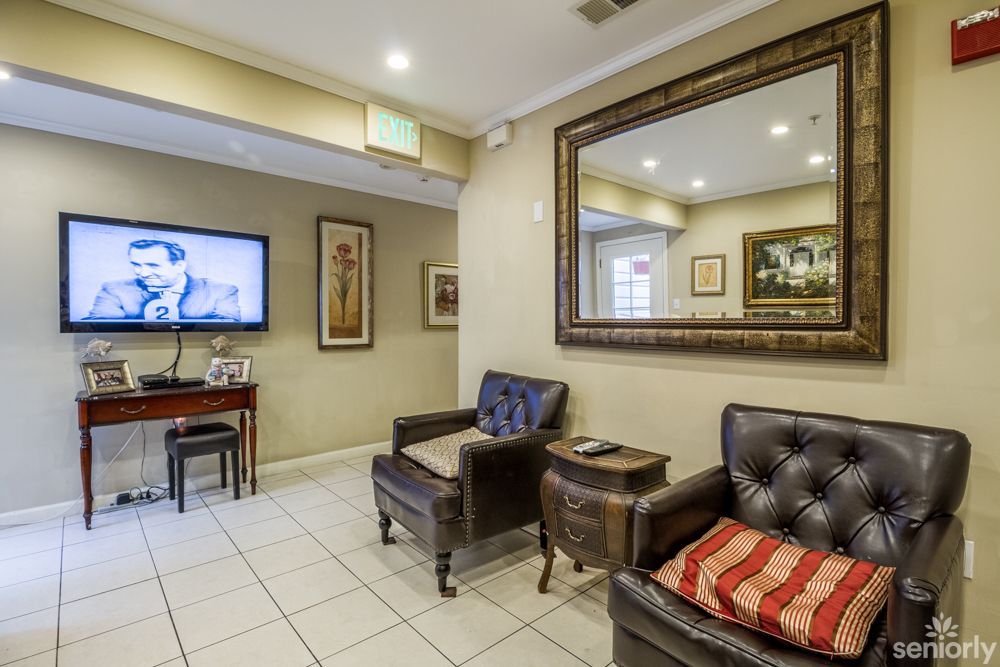
 Cable or satellite TV
 Devotional services off-site
 Dining room
 Fully furnished
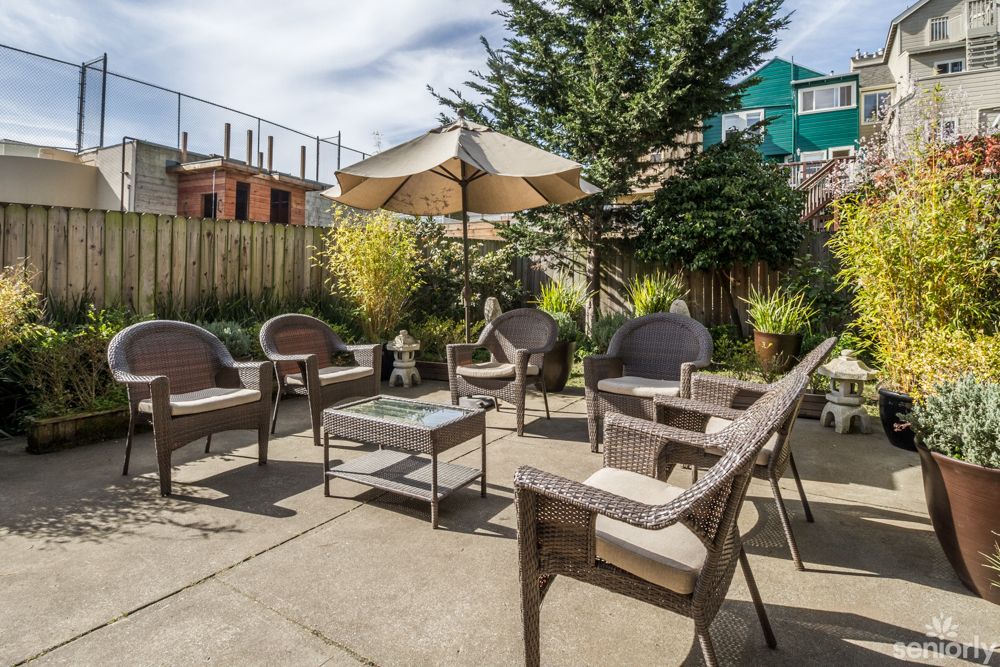
 Garden
 Housekeeping services
 Indoor common areas
 Move-in coordination
 Outdoor common areas
 Private
 Private bathrooms
 Telephone
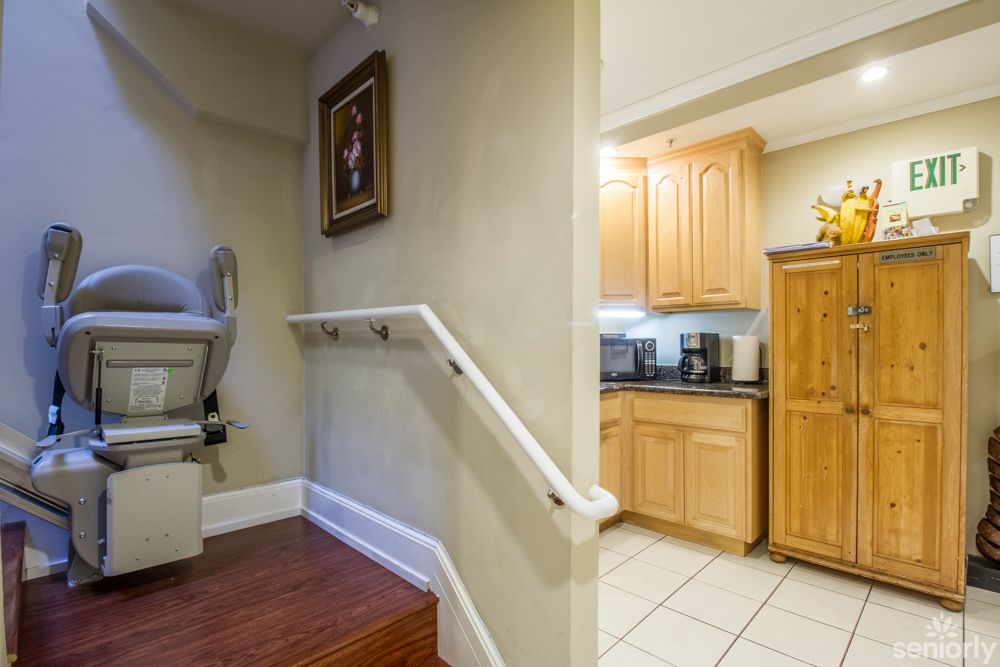
 Wheelchair accessible showers
 Wi-Fi/high-speed internet available
 San Francisco International (13 miles away)
 24-hour supervision
 Ambulatory care
 Assistance with bathing
 Assistance with dressing
 Assistance with transfers
 Diabetes diet
 Diabetic care
 Incontinence care
 Meal preparation and service
 Medication management
 Special dietary restrictions
 Transportation arrangement (medical)
 Transportation to doctors appointments
 Dementia-Related Hallucinations: Causes, Experiences, and Practical Approaches
 Illuminating Insights About Alzheimer's Disease: Ten Crucial Realities
 A Thorough Discussion of Medications Potentially Linked to Dementia Risk