
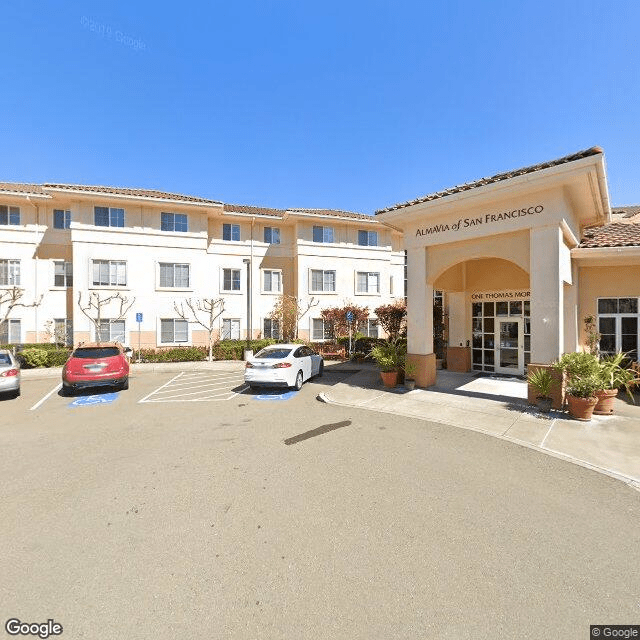
One Thomas More Way, San Francisco, CA 94132
To contact a resident: (415) 337-1339
For more information about senior living options: (866) 208-4318
Overall Review of Alma Via Of San Francisco
Pros
 AlmaVia offers a full continuum of care, including independent living, assisted living, memory care, and hospice.
- The food at AlmaVia is tasty and high quality.
- AlmaVia was pristine and clean, with a pleasant ambience and well-kept facilities.
- The staff and administration are friendly, warm, courteous, and professional.
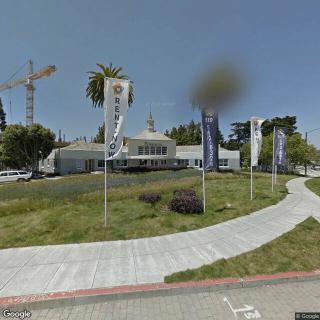
- The facility is beautiful inside and out, with a nice pathway connecting indoor and outdoor spaces.
- The memory care program provides two well-structured options and attentive staff.
- AlmaVia offers a wonderful calendar of social events and activities that keep residents engaged.
- The grounds are nice, with patios and walking paths, contributing to a pleasant environment.
- The neighborhood around AlmaVia is pleasant with lots of trees and walking paths.
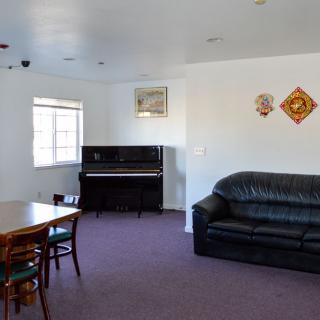
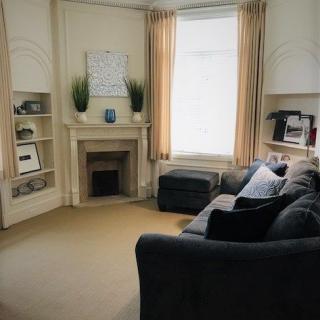
- The living spaces, including large living rooms and beautiful dining rooms, are inviting and well appointed.
Cons
 The salesperson was aloof, stuffy, and not at all friendly.
- The memory care area is a little more claustrophobic, with very little room for residents to walk.
- Some rooms were small and lacked views, which was a drawback.
- The grandmother's room was not kept in immaculate condition.
- Bus transportation can be a problem.
- The neighborhood isn't great and is somewhat isolated.
- It’s in the fog belt, so there’s not much sun.
Review
Alma Via of San Francisco is best suited for families seeking a true continuum of care on one expansive campus, with plenty of built-in social life and a Catholic community orientation. The campus includes independent living, assisted living, memory care, and hospice, allowing transitions without relocating to separate facilities. The environment is polished and homelike, with thoughtful grounds, clear upkeep, and a program calendar that keeps residents engaged. For seniors who thrive on routine, planned outings, and arranged activities, this community delivers structure, connection, and security in equal measure.
Those considering alternatives should weigh several red flags against the strengths. For residents who require abundant sun and easy access to a wide-shopping, urban core, the fog-prone Bay Area location can feel shadowed and isolating. The bus system is not consistently reliable, making transportation a potential hurdle for families hoping to reduce driving. Memory care spaces, while well-staffed and purposeful, can feel claustrophobic or small, and some rooms lack views or size variation. Prospective renters who prioritize a brisk, city-adjacent lifestyle or who dislike a Catholic community emphasis may prefer a different setting with more secular programming and different architectural scale.
On the plus side, the pros here tend to offset many of the key downsides. The facility is consistently described as pristine, clean, and well maintained, with staff who are courteous, attentive, and capable of addressing elder needs promptly. Food earns favorable notes for freshness and variety, signaling that meals are not a neglected amenity. The dining area, common spaces, and outside pathways reinforce a pleasant, welcoming atmosphere. The memory care program is structured into two tracks, one for early-stage needs and a more guided program for later-stage residents, providing continuity of care as conditions evolve. A robust calendar of social events, from bridge to music and museum outings, helps prevent isolation and fosters real community ties.
Yet certain drawbacks deserve sober consideration. Some reviewers point to a sales or administrative dynamic that can feel cool or distant, which matters to families seeking a warm, transparent introductory experience. Room sizes vary, with some options described as small or lacking views, and memory care spaces in particular may feel cramped or less navigable for residents who value freedom of movement. The location’s sun deficit compounds the sense of enclosure for certain tenants, and nearby conveniences such as shops are not on the doorstep. These factors do not negate quality care, but they do shape the daily lived experience and should be weighed against individual preferences.
For families weighing care plans, the two-tier memory care structure is a meaningful differentiator. Early-stage programming paired with later-stage, more structured programming allows a single campus to handle evolving cognitive needs, reducing disruption and transport challenges for families. The social calendar and staff focus on helping residents form friendships can be a critical offset to the potential for social stagnation in a larger campus. Prospective residents should press for specifics: room dimensions, views, and access to outdoor spaces; the exact configuration of memory care areas; transportation routines; and how often care plans are updated in collaboration with families. A live tour should center on seeing several room types and observing how staff interact with residents during mealtime and activities.
In the end, Alma Via San Francisco stands out for practical, durable reasons: a comprehensive continuum, solid care staff, appealing dining, and a rich array of social offerings on a well-kept campus. It is a compelling choice for families who value stability, Catholic community life, and the convenience of staying within one community as needs evolve. It may not be the best fit for those who want abundant natural light, brisk street-level amenities, or expansive memory care spaces that feel less contained. For those priorities, exploring alternatives with more sun, tighter intimate settings, or different cultural emphases will lead to a more precise match.
 1-bedroom apartments
 Assisted Living
 Activities on-site
 Devotional services off-site
 Dining room
 Housekeeping services
 Indoor common areas
 Laundry
 Overnight guests
 San Francisco International (8 miles away)
 Transportation & parking
 Ambulatory care
 Diabetic care
 Medication management
 Walking wheelchair assistance
 Meals provided
 English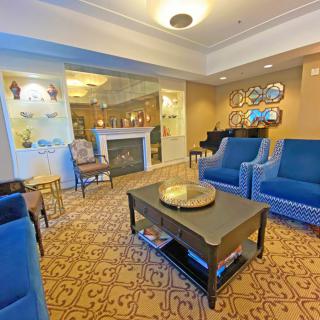

 Assisted Living Expenses and Long-Term Care Insurance: A Comprehensive Exploration
 Securing Financial Support for Assisted Living: A Comprehensive Overview
 Social Security Benefits and Assisted Living: Navigating Options Across the U.S.