
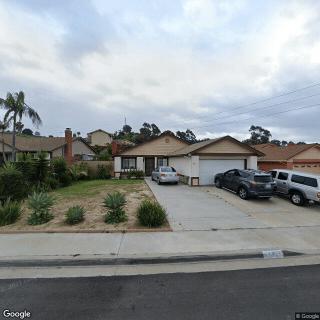
165 Palawan Way, San Diego, CA 92114
For more information about senior living options: (866) 208-4318
Overall Review of Tender Loving Care Home For Elderly
Pros
 The staff are attentive and friendly.
Cons
 There are very few activities.
- There is an overall lack of training in how to utilize tools to assist a variety of conditions.
- The service is very pricey.
Review
Tender Loving Care Home For Elderly in San Diego is best suited for seniors who want a small, home-like setting where caregivers offer steady, personal attention and a calm, supervised routine. It favors residents who are largely independent but appreciate light assistance and consistent oversight more than hospital-level medical care or a bustling activity calendar. Families drawn to a intimate, neighborly vibe over sprawling campus amenities will find this community aligns with those preferences, provided there is a clear understanding that medical complexity and robust social programming are not the core strengths of the offering.
However, the place is not ideal for individuals with significant medical needs, memory care requirements, or a desire for an ample slate of daily activities. Prospective buyers should seriously weigh whether the absence of a strong activity program will hinder social engagement and overall stimulation. The price point adds another layer of consideration; even with attentive staff, the cost can be steep for families seeking a higher level of programming or more expansive services. If budget is a major constraint, or if the resident needs services beyond light assistance, exploring alternatives with more transparent and inclusive pricing is prudent.
On the positive side, staff warmth and attentiveness create a reassuring atmosphere that supports safety, daily comfort, and dependable companionship. This kind of environment reduces anxiety for families and residents alike, especially during routine tasks and routine supervision. That said, warmth does not substitute for structured engagement or specialized care planning. The shortfall in training for using assistive tools across a range of conditions raises a practical concern: residents with diverse or evolving needs may experience gaps in the application of equipment, routines, or therapy-based supports. In other words, the emotional tone is a strength, but operational readiness for broader care demands remains a notable weakness.
Families evaluating this option should demand concrete assurances about activity availability and care capabilities. A detailed, weekly activity calendar with participation metrics can reveal whether social engagement will meet expectations. Clarify whether skilled nursing, physical therapy, occupational therapy, or dementia-specific programming is available on-site or through affiliated providers, and confirm staffing ratios during peak hours. Obtain a clear breakdown of what is included in the monthly rate versus what carries additional charges, including potential increases year over year. Inquire about training standards for staff in using mobility aids, communication tools, and other devices required by residents with varying conditions.
When weighing alternatives, use a practical framework: match the residentā€™s care level to what the community can reliably deliver, then benchmark cost against comparable options in the San Diego area. Larger assisted-living communities often offer more extensive calendars, specialized memory-care services, and more formal clinical oversight, which can translate into a stronger value proposition for those with complex needs. If proximity to family and a quieter, more residential setting is prioritized, Tender Loving Care may still be compelling, provided the expectations are aligned with what the home can consistently provide and the price is justified by the level of daily engagement and clinical support available.
The verdict is clear for families with a clear preference for a small, personable environment: this community can be a good fit for residents who value steady companionship and safety in a home-like setting and who do not require intensive medical care or a premium social program. For those who need frequent, structured activities, robust therapeutic services, or transparent, inclusive pricing, alternatives that offer richer programming and stronger clinical oversight are advisable. In all cases, insist on concrete details about programming, staff training, and care capabilities before deciding, and visit with potential residents to assess whether the daily rhythm and caregiver interactions feel genuinely compatible with long-term needs.
 4 resident community capacity
 Assisted Living
 Board and Care Home
 Cable or satellite TV
 Dining room
 Fully furnished
 Garden
 Housekeeping services
 Move-in coordination
 Outdoor space
 Telephone
 Wi-Fi/high-speed internet available
 San Diego International-Lindbergh (9 miles away)
 24-hour supervision
 Activities of daily living assistance
 Assistance with bathing
 Assistance with dressing
 Assistance with transfers
 Diabetes diet
 Meal preparation and service
 Medication management
 Special dietary restrictions
 Transportation arrangement (medical)
 Transportation to doctors appointments



 Assisted Living Expenses and Long-Term Care Insurance: A Comprehensive Exploration
 Securing Financial Support for Assisted Living: A Comprehensive Overview
 Social Security Benefits and Assisted Living: Navigating Options Across the U.S.