
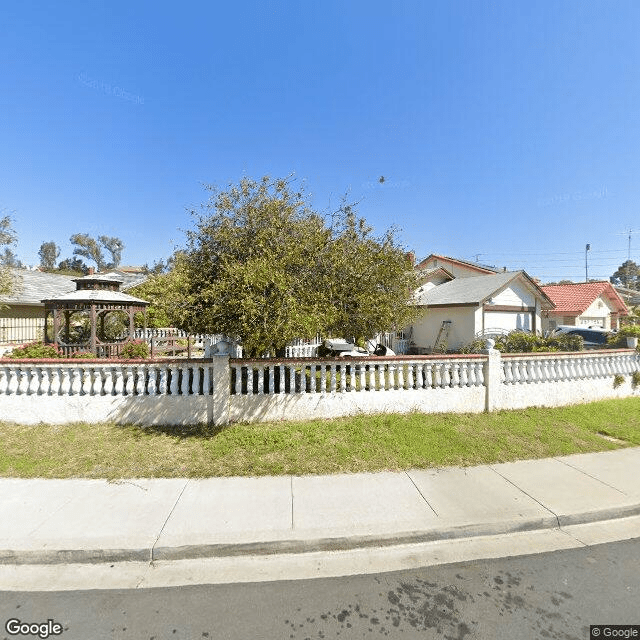
6778 Anton Lane, San Diego, CA 92114
To contact a resident: (619) 757-4264
For more information about senior living options: (866) 208-4318
St. Joseph Divine Care Costs & Pricing
St. Joseph Divine Care offers competitive pricing for its services, especially when compared to the broader market in San Diego County and across California. For both private and semi-private rooms, St. Joseph Divine Care maintains a cost of $2,000 per month, which is significantly lower than the average rates in the county - $3,939 for a private room and $3,518 for a semi-private room. Even in comparison to state averages, which reflect similar high costs of $3,939 for private accommodations and $3,333 for semi-private options, St. Joseph Divine Care presents an attractive option for families seeking quality care at more affordable prices. This pricing strategy not only underscores their commitment to accessible care but also reflects a conscientious approach to meeting community needs amidst rising healthcare costs.
| Floor plans | St. Joseph Divine Care | San Diego County | California |
|---|---|---|---|
| Private | $2,000 | $3,939 | $3,939 |
| Semi-Private | $2,000 | $3,518 | $3,333 |
Senior living communities with a similar price nearby
-
About the same
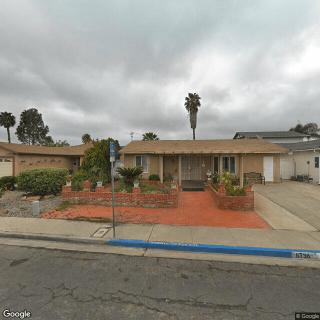
Emmaus Care I
$2,000 to $5,000 / month15.1 miles away -
from +$245 / mo

Seven Oaks
$2,245 to $3,945 / month22.1 miles away -
from -$200 / mo
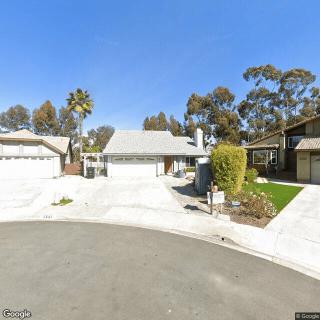
Canyon Hill Senior Home
$1,800 to $2,000 / month16.6 miles away -
from -$150 / mo
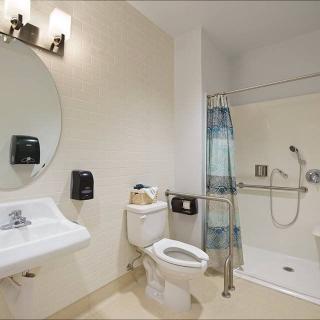
Paradise Valley Manor
$1,850 to $2,800 / month1.9 miles away -
About the same
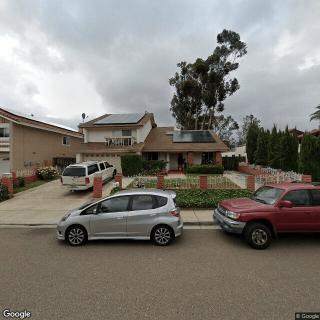
Tierrasanta Vernanel Care Home
$2,000 to $2,500 / month8.9 miles away
Overall Review of St. Joseph Divine Care
Pros
 The property is in immaculate condition.
- There were no negative impressions.
- The owner was very helpful.
- She has very nice houses.
Cons
 None found.
Review
St. Joseph Divine Care is best suited for seniors who want a compact, home-like living arrangement in San Diego, where upkeep, safety, and a personal touch come first. The environment reads as immaculately maintained, with the ambiance of a residential setting rather than a clinical campus. For families, the standout is direct access to the person who runs the place, the owner, whose hands-on involvement translates into practical, responsive decision-making and quick attention to concerns. In short, this community serves residents who value privacy, a calm domestic atmosphere, and a manager who remains accessible rather than distant.
Those with more demanding needs may want to explore alternatives. If the priority is formal assisted living services delivered on a large campus, with a broad lineup of on-site clinicians, memory-care options, structured group activities, and reliable transportation, this setting may feel too intimate or limited. Price dynamics also matter; expectations about monthly fees and what is included should be clarified, as the small-house model often operates with different economics than conventional senior communities. Families weighing long-term stability, continuity of care, and predictable routines should compare options that offer clearer care ladders and more scalable staffing.
From a practical perspective, the strongest advantages are the pristine condition and the absence of negative impressions during initial tours, paired with a hands-on owner who appears genuinely helpful. The houses themselves come across as attractive, with at least one instance noting a fenced yard, signaling safety-oriented design and private outdoor space. Those elements matter because a clean, well-maintained environment reduces daily stress for residents and families, while owner accessibility can shorten decision cycles and improve responsiveness when questions or issues arise.
Yet the information available leaves important questions unanswered. The reviews reveal little about staffing levels, the specific caregiving services offered, licensing details, meal programs, activity calendars, transportation options, or the full cost structure. Without clarity on these essentials, a long-term commitment becomes risky for anyone needing reliable medical oversight or a steady, predictable routine. The residential, home-like model is appealing, but the lack of documented clinical support or formal programming means this setting may fall short for residents who require consistent supervision, medication management, or broader social engagement.
To move from first impression to confident decision, prospective families should verify several specifics during a tour. Clarify what level of care is officially provided and which licenses apply; confirm whether staff are on-site 24/7 or only on-call, and how caregiving tasks are coordinated; understand the extent of medical oversight, emergency procedures, and access to healthcare professionals; review meal options, dietary accommodations, and the availability of snacks or special diets; examine daily activity options, social programming, and transportation arrangements; and obtain a transparent pricing structure with a contract that spell out what is included, what incurs extra charges, and under what circumstances terms can change.
Overall, St. Joseph Divine Care represents a solid option for families prioritizing a clean, homelike environment and direct, hands-on management. It offsets potential drawbacks with immaculately kept spaces and approachable ownership, but it won’t be the best fit for those needing robust clinical care, broad daily programming, or highly predictable long-term service packages. For families where personal attention, safety, and a quiet, intimate setting trump scale and on-site medical complexity, this community warrants serious consideration; for others, treat it as a due-diligence benchmark and compare it against larger, more service-rich alternatives to ensure long-term fit.
 Board and Care Home
 Activities on-site
 Private
 Respite or short term stays offered
 San Diego International-Lindbergh (8 miles away)
 Ambulatory care
 High acuity care
 Meals provided



 Caring for Those Who Care: Recognizing, Understanding, and Overcoming Caregiver Burnout
 Caregiver Exhaustion: Recognizing the Signs and Restoring Your Well-Being
 Understanding Hospice Care at Home: Comprehensive Services, Key Benefits, and Eligibility