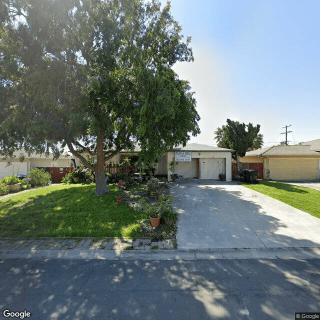
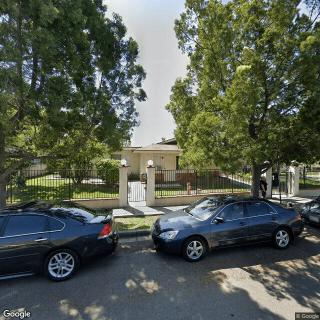
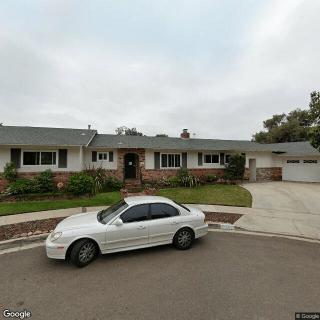
Jacob Health Care Center

Save

Jacob Health Care Center in San Diego, CA

4075 54Th Street, San Diego, CA 92105

For more information about senior living options: (844) 490-3973

4.4 from 104 reviews
5 stars
85
4 stars
4
3 stars
1
2 stars
1
1 stars
13

Assisted Living Respite Care Skilled Nursing Facility

Overall Review of Jacob Health Care Center

Pros

  • pro The staff are described as compassionate, attentive, and dedicated to residents' well-being.
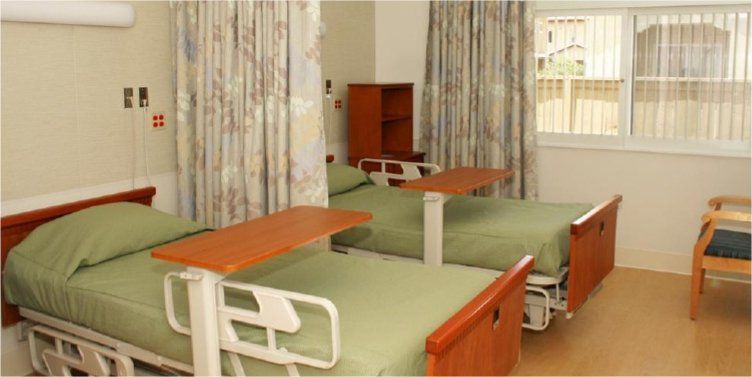
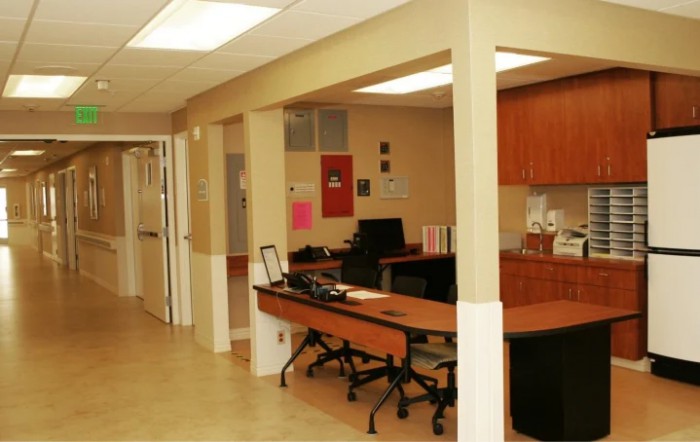
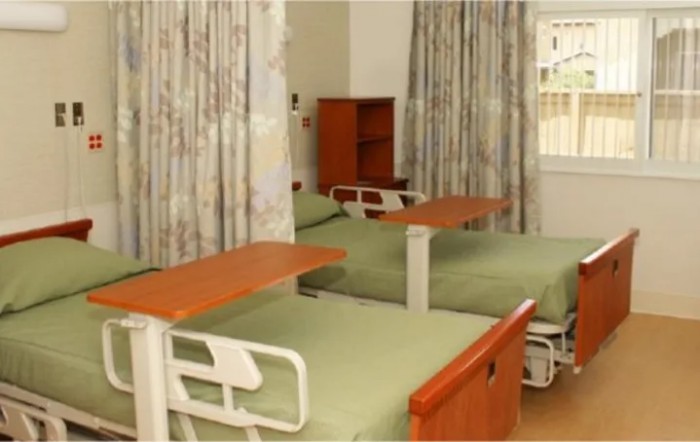
  • pro The facility is clean, well-kept, and welcoming.
  • pro The rehab and therapy teams are highly effective in helping residents regain strength.
  • pro The concierge and social services staff are praised for being helpful, friendly, and responsive.
  • pro Families report feeling confident and at ease with the care provided to their loved ones.
  • pro The dining options are varied and meals meet residents' dietary needs.
  • pro Staff communication is strong, with updates and involvement in care plans.
  • pro Residents often describe Jacobs Healthcare Center as feeling like a caring family.

Cons

  • pro The center is old, run down, and dirty.
  • pro The nurses slack and frequently fail to meet residents' needs, including delays in pain medication and lack of doctor access.
  • pro Call bells are often ignored for hours, leaving residents in discomfort.
  • pro Medications or personal belongings are lost or not returned.
  • pro There is little to no security at night, allowing outsiders to walk in unchallenged.
  • pro The facility is described as depressing and inhumane for leaving a loved one.
  • pro Management cut staff and reduced food quality and portions.
  • pro The building lacks air conditioning, making rooms hot and uncomfortable.

Review

Jacob Health Care Center in San Diego is best suited for families prioritizing strong post-acute rehab and highly attentive nursing care, delivered through a hands-on, family-oriented team. The center's reputation rests on a skilled rehabilitation program and nursing staff that many families describe as genuinely caring and dedicated to moving residents forward. Short-term recovery from surgery or illness often benefits from the cohesive rehab, with residents reporting meaningful gains in mobility and daily function. The most consistent praise centers on how staff treat residents with dignity, how discharge planning is coordinated, and how social workers shepherd families through the healing journey. In short, this community shines when a loved one needs focused rehabilitation coupled with compassionate, personal attention.

That said, there are clear reasons families should consider alternatives. A recurring thread in feedback points to management and operational inconsistencies, particularly as turnover and ownership shifts have occurred. Several reviews describe an older, sometimes dated facility that could use modernization in parts of the building, room conditions, and amenities. Communication gaps also surface at times - phone accessibility and responsiveness can be inconsistent, and some families have experienced delays in routine care or administrative processes. For those seeking a pristine, turnkey long-term setting with unwavering, round-the-clock medical oversight, or for families worried about staffing stability, exploring other options may be prudent.

On the positive side, the facility earns high marks for the front-line care ecosystem. The rehab team - physical, occupational, and speech therapists - consistently receives praise for expertise, creativity, and results that help residents regain strength and independence. The social services and discharge-planning apparatus are repeatedly lauded for reducing friction and preserving residents' dignity as transitions unfold. The concierge staff, particularly Susie, and the administrative leadership - up to the director - are frequently singled out for responsiveness, empathy, and meaningful advocacy. Cleanliness and a welcoming atmosphere pervade many testimonials, and the dining program often earns compliments for tailoring foods to medical needs and preferences.

Nevertheless, the negatives deserve honest weight. A subset of reviews portrays neglectful or overwhelmed care in moments, with reports of delayed pain management, missed physician rounds, and inconsistent attention during critical times. Complaints about lost belongings, laundry issues, and dissatisfaction with security or supervision reflect systemic tensions that can erode trust. The building's aging footprint and occasional maintenance gaps compound these concerns, suggesting that while the care staff can be remarkable, environmental and organizational stressors may limit consistency. In short, the risk is not in the intent of the team but in the potential variability of resource availability and oversight.

The key pros can offset the main cons for many families, particularly those seeking tangible rehabilitation outcomes and a culture of warmth. When therapy is the priority, Jacob Health Care Center often delivers, with residents improving enough to return home or transition smoothly to less-intensive care settings. The strong social-work and nursing coordination helps families stay informed and engaged, which reduces anxiety during recovery. Leadership presence and the existence of trusted coordinators create a framework for accountability and continuous improvement. For short stays and higher-acuity rehabilitation needs, the balance of compassionate care and effective therapy commonly proves compelling.

For families weighing where to place a loved one, the verdict depends on priorities. If the aim is robust rehab with a compassionate, family-centered approach, Jacob Health Care Center presents a persuasive option and should be seriously considered. Prospective residents should, however, verify current staffing levels, nurse-to-patient ratios, and physician visit frequency, and visit to assess cleanliness, noise levels, and the practicality of daily routines. Ask about laundry, belongings handling, and how emergencies are managed after hours. Gauge how well administration communicates changes in care plans and whether discharge planning aligns with home-care or community-based services. With clear expectations and careful on-site observation, Jacob Health Care Center can be a strong match for those prioritizing recovery with heart.

Features

Housing

  • 40 resident community capacity 40 resident community capacity

Types of Care

  • Assisted Living Assisted LivingAssisted living facilities provide crucial support and care for seniors who may need help with daily tasks such as medication management, bathing, and meal preparation. These communities offer a safe and comfortable environment where seniors can maintain their independence while receiving the assistance they need to thrive in their golden years.
  • Respite Care Respite CareRespite care provides temporary relief for caregivers, allowing them to recharge and attend to their own needs. It also gives seniors the opportunity to socialize, receive professional care, and experience a change of scenery, promoting overall well-being and reducing feelings of isolation.
  • Skilled Nursing Facility Skilled Nursing FacilitySkilled Nursing Facilities are crucial for seniors as they provide round-the-clock medical care, rehabilitation services, and assistance with daily activities. These facilities ensure that seniors receive the specialized care they need to maintain their health and well-being as they age.

Amenities

  • Activities on-site Activities on-siteActivities on-site are important for seniors because they provide opportunities for socialization, mental stimulation, physical activity, and overall well-being. Engaging in activities can help seniors stay active, maintain their independence, and improve their quality of life.
  • Beauty salon Beauty salonBeauty salons are important for seniors because they provide a space for them to feel pampered, socialize, and maintain their personal grooming and hygiene. Regular visits to a beauty salon can help boost seniors' self-esteem and overall well-being.
  • Cable or satellite TV Cable or satellite TVCable or satellite TV is important for seniors because it provides entertainment, news, and companionship, helping to combat loneliness and boredom. It also offers a wide range of programming options tailored to different interests and preferences.
  • Devotional services off-site Devotional services off-siteDevotional services off-site are important for seniors as they provide spiritual nourishment, social engagement, and a sense of community outside of the senior living facility. This can enhance overall well-being and help combat feelings of isolation and loneliness often experienced by older adults.
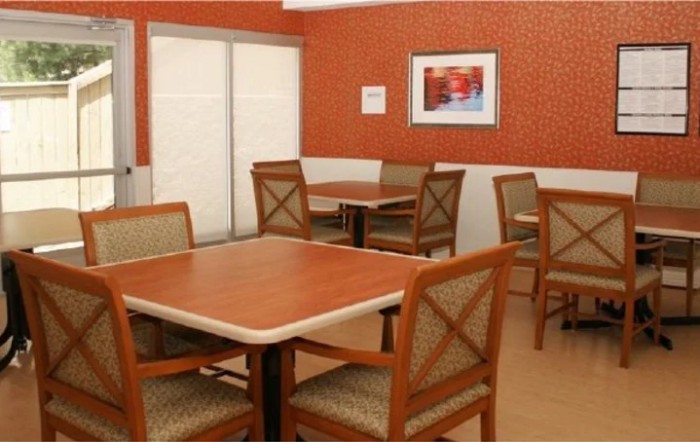
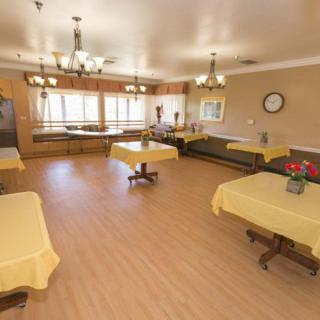
  • Dining room Dining roomDining rooms are important for seniors as they provide a space for socialization, connection, and nutritious meals. They offer opportunities for residents to bond over shared meals, foster a sense of community, and promote healthy eating habits. Dining rooms also ensure that seniors have access to well-balanced meals tailored to their dietary needs and preferences.
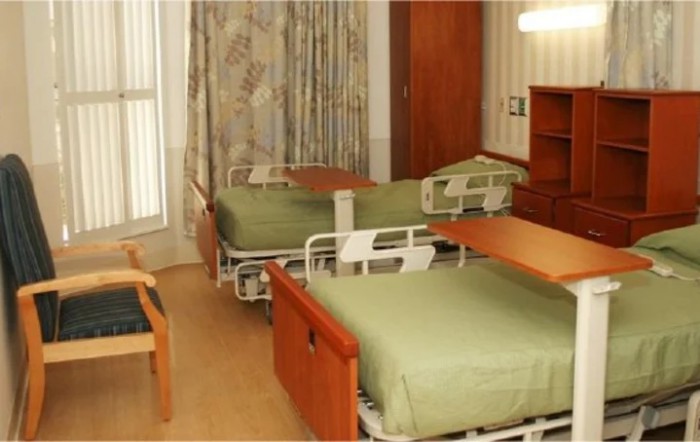
  • Fully furnished Fully furnishedFully furnished senior living communities are important for seniors because they provide convenience, comfort, and a hassle-free moving experience. Seniors can easily settle into their new living space without the stress of having to buy and move furniture. This allows them to focus on enjoying their new home and community.
  • Garden GardenGardens are important for seniors as they provide a peaceful and therapeutic environment for relaxation, physical activity, and socialization. Being in nature has been shown to reduce stress, improve mood, and promote overall well-being. Gardens also offer opportunities for seniors to engage in gardening activities, which can improve mobility, flexibility, and cognitive function. Additionally, gardens create a sense of community and connection with others who share a passion for plants and outdoor spaces.
  • Housekeeping services Housekeeping servicesHousekeeping services are important for seniors because they help maintain a clean and safe living environment, promote independence, and reduce the risk of accidents or illnesses. Additionally, having assistance with household chores can alleviate physical strain and allow seniors to focus on other aspects of their well-being.
  • Indoor common areas Indoor common areasIndoor common areas are crucial for seniors as they provide a space for socialization, recreation, and community engagement, promoting overall well-being and reducing feelings of isolation and loneliness.
  • Kitchenette KitchenetteKitchenettes are important for seniors living in senior living communities because they provide the convenience and independence of being able to prepare simple meals and snacks in the comfort of their own living space. This can help promote a sense of autonomy and well-being for seniors, allowing them to maintain some level of control over their dietary choices and daily routines.
  • Move-in coordination Move-in coordinationMove-in coordination is important for seniors because it helps ease the transition into their new living environment. It ensures that all logistics, such as packing, organizing movers, and setting up utilities are taken care of, allowing seniors to focus on settling in and adjusting to their new home. Having a smooth move-in process can alleviate stress and anxiety, making the transition smoother and more enjoyable for seniors.
  • Outdoor space Outdoor spaceOutdoor spaces are important for seniors as they provide opportunities for physical activity, social interaction, exposure to natural light and fresh air, and a sense of connection to nature. Having access to outdoor spaces can improve overall well-being and quality of life for older adults living in senior communities.
  • Restaurant-style dining Restaurant-style diningRestaurant-style dining is important for seniors because it allows them to enjoy delicious, nutritious meals in a social and upscale setting. This enhances their dining experience, promotes healthy eating habits, and fosters socialization with fellow residents, ultimately contributing to their overall well-being and quality of life.
  • Small library Small librarySmall libraries are important for seniors as they provide access to a variety of reading materials, including books, newspapers, and magazines. This can help stimulate their minds, keep them engaged, and provide a sense of community through book clubs and other social activities. Additionally, reading has been shown to improve cognitive function and overall mental well-being in older adults.
  • Telephone TelephoneTelephones are important for seniors as they provide a lifeline for communication with loved ones, emergency services, and healthcare providers. They offer a sense of security and independence, enabling seniors to stay connected and access assistance when needed.
  • Wi-Fi/high-speed internet available Wi-Fi/high-speed internet availableWi-Fi/high-speed internet is important for seniors to stay connected with loved ones, access online resources, and participate in virtual activities to combat feelings of loneliness and isolation. It also allows them to easily manage healthcare needs, access entertainment, and engage in lifelong learning opportunities.

Transportation

  • San Diego International-Lindbergh (7 miles away) San Diego International-Lindbergh (7 miles away)

Care Services

  • 24-hour call system 24-hour call system24-hour call systems are important for seniors because they provide peace of mind and immediate assistance in case of emergencies. This technology ensures that help is always available, promoting safety and security for elderly individuals living alone or in assisted living facilities.
  • 24-hour supervision 24-hour supervision24-hour supervision is important for seniors to ensure their safety, well-being, and access to immediate assistance in case of emergencies or health issues. This constant support provides peace of mind for both seniors and their loved ones, allowing them to age in place with dignity and security.
  • Activities of daily living assistance Activities of daily living assistanceActivities of daily living assistance are important for seniors because they provide essential support with tasks such as eating, bathing, dressing, and mobility. This assistance helps seniors maintain their independence, dignity, and overall quality of life as they age.
  • Ambulatory care Ambulatory care"Ambulatory care services provide essential medical support and treatment to seniors without requiring hospitalization, allowing them to maintain their independence and quality of life while managing chronic conditions or receiving routine medical care."
  • Assistance with bathing Assistance with bathingAssistance with bathing is crucial for seniors as it helps maintain personal hygiene, prevents infections, and ensures their overall well-being and comfort. It also provides a sense of dignity and independence for seniors who may struggle with this task on their own.
  • Assistance with dressing Assistance with dressingAssistance with dressing is important for seniors because it helps maintain their independence, promotes personal hygiene, prevents accidents and injuries, and improves overall quality of life. This service ensures that seniors can continue to dress comfortably and confidently, despite any physical limitations they may have.
  • Assistance with transfers Assistance with transfersAssistance with transfers is crucial for seniors as it helps prevent falls and injuries, maintains their independence, and ensures they can safely navigate their living environment. It also provides peace of mind for both seniors and their loved ones.
  • Diabetes diet Diabetes dietA diabetes diet is crucial for seniors as it helps manage blood sugar levels, reduce risks of complications, and improve overall health and well-being. By following a balanced and nutritious diet tailored to their specific needs, seniors can better control their diabetes and enhance their quality of life.
  • Diabetic care Diabetic careDiabetic care is crucial for seniors as they are more susceptible to developing diabetes due to aging and other health conditions. Proper management of diabetes can help prevent complications such as heart disease, vision loss, and nerve damage, improving the overall quality of life for seniors in senior living communities.
  • Meal preparation and service Meal preparation and serviceMeal preparation and service are crucial for seniors as they may have limited mobility or energy to cook nutritious meals. Having access to healthy and convenient food options can ensure they are getting the proper nutrition needed to maintain their overall health and well-being.
  • Medication management Medication managementMedication management is crucial for seniors to ensure they are taking the right medications at the correct dosages and times. This helps prevent adverse drug interactions, reduces the risk of medication errors, and promotes overall health and well-being. Proactive management also allows for adjustments as needed based on changing health conditions or new prescriptions.
  • Mental wellness program Mental wellness programMental wellness programs are essential for seniors as they promote cognitive stimulation, emotional support, and social engagement. These programs help prevent isolation, depression, and cognitive decline, ultimately enhancing the overall quality of life for older adults.
  • Special dietary restrictions Special dietary restrictionsSpecial dietary restrictions are important for seniors because age-related changes in metabolism and health conditions can make it difficult for their bodies to process certain foods. By following a diet tailored to their specific needs, seniors can maintain their overall health and well-being, manage chronic conditions, and reduce the risk of complications such as malnutrition or food interactions with medications.
Dining

  • Diabetes diet Diabetes dietA diabetes diet is crucial for seniors as it helps manage blood sugar levels, reduce risks of complications, and improve overall health and well-being. By following a balanced and nutritious diet tailored to their specific needs, seniors can better control their diabetes and enhance their quality of life.
  • Meals provided Meals provided"Meals provided" are crucial for seniors in assisted living communities as it ensures they have access to nutritious, balanced meals without the stress of meal planning and preparation. This can help promote overall health and well-being for seniors who may have limited mobility or cognitive abilities.
  • Special dietary restrictions Special dietary restrictionsSpecial dietary restrictions are important for seniors because age-related changes in metabolism and health conditions can make it difficult for their bodies to process certain foods. By following a diet tailored to their specific needs, seniors can maintain their overall health and well-being, manage chronic conditions, and reduce the risk of complications such as malnutrition or food interactions with medications.

Activities

  • Activities on-site Activities on-siteActivities on-site are important for seniors because they provide opportunities for socialization, mental stimulation, physical activity, and overall well-being. Engaging in activities can help seniors stay active, maintain their independence, and improve their quality of life.
  • Community-sponsored activities Community-sponsored activitiesCommunity-sponsored activities are important for seniors as they provide opportunities for social interaction, mental stimulation, and physical activity. These activities can help improve overall well-being, combat loneliness and isolation, and promote a sense of belonging and purpose among older adults.
  • Devotional activities offsite Devotional activities offsiteDevotional activities offsite are important for seniors because they provide social engagement, spiritual growth, and a sense of community outside of their living environment. This can improve overall well-being, mental health, and combat feelings of isolation or loneliness.
  • Resident-run activities Resident-run activitiesResident-run activities are important for seniors as they encourage social interaction, creativity, and a sense of autonomy. These activities empower seniors to stay engaged and active in their community while fostering meaningful connections with their peers.
  • Scheduled daily activities Scheduled daily activitiesScheduled daily activities are important for seniors because they provide structure, socialization, mental stimulation, and physical activity. Engaging in regular activities can improve overall well-being and quality of life for seniors living in a community setting.

Description

Located in San Diego, CA, the Jacob Health Care Center is an assisted living community that provides excellent care and a comfortable living environment for seniors. With a focus on respite care and skilled nursing facility services, this center is dedicated to meeting the needs of older adults who may require assistance with daily activities.

The amenities offered at Jacob Health Care Center are designed to create a cozy and convenient living experience. Residents can enjoy cable or satellite TV in their fully furnished rooms, as well as access to a dining room where restaurant-style meals are served. The center also features a small library, outdoor spaces such as gardens, and Wi-Fi/high-speed internet connectivity to keep residents engaged and connected.

Dedicated care services are provided round-the-clock at Jacob Health Care Center, ensuring that residents receive 24-hour supervision and assistance with activities of daily living. Trained caregivers are available to help with bathing, dressing, transfers, and medication management. The center also offers specialized diabetes diets and meal preparation services tailored to individual dietary needs.

Promoting mental wellness is an important aspect of the care provided at Jacob Health Care Center. They offer a mental wellness program aimed at enhancing the emotional wellbeing of residents through various engaging activities.

In addition to the exceptional care and amenities offered within the community itself, Jacob Health Care Center benefits from its proximity to various amenities outside its premises. There are three cafes nearby for residents to visit and socialize, along with four parks where they can enjoy nature. With 20 pharmacies in the vicinity, accessing medications is convenient. It's also reassuring for residents to know that there are two physicians located nearby for their healthcare needs. Additionally, there are 17 restaurants offering diverse dining options in close proximity along with easy transportation access.

Overall, Jacob Health Care Center strives to provide exceptional assisted living services by prioritizing resident comfort, personalized care plans, engaging activities, and convenient access to essential amenities both within the community and its surrounding neighborhood.

Videos

Nearby Places of Interest

Pharmacies

  • CVS Pharmacy (1.2 miles)
  • CVS Pharmacy (2 miles)
  • Walgreens (2.1 miles)
  • Rite Aid (2.1 miles)
  • Rite Aid (2.3 miles)
  • Walgreens (2.7 miles)
  • Walgreens (2.8 miles)

Cafes

  • Starbucks (1.9 miles)
  • Communal Coffee (3.6 miles)
  • The Simple Coffee House (4.1 miles)
  • Kung Fu Tea (5.1 miles)
  • Copa Vida (5.4 miles)
  • Ghirardelli Ice Cream And Chocolate Shop (5.5 miles)
  • Tabac Specialty Coffee & Cigars (5.6 miles)

Restaurants

  • In-N-Out Burger (2 miles)
  • Sombrero Mexican Food (2.8 miles)
  • In-N-Out Burger (3.1 miles)
  • McDonald's (3.4 miles)
  • Pecs (3.8 miles)
  • Cheers (4 miles)
  • In-N-Out Burger (4 miles)

Physicians

  • Kaiser Permanente Vandever Medical Offices (2.9 miles)
  • Internal Medicine Associates (5 miles)
  • Sharp Rees-Stealy San Diego Radiology (5.6 miles)

Hospitals

  • Kaiser Permanente San Diego Medical Center/Kaiser Foundation Hospital (3 miles)
  • Naval Medical Center San Diego (4.3 miles)
  • Sharp Grossmont Hospital Brier Patch (4.8 miles)
  • Sharp Soc (5.1 miles)
  • UC San Diego Medical Center (5.1 miles)
  • Rady Children's Hospital (5.4 miles)
  • Rady's Children's Hospital San Diego Large Waiting Room, Frost Street, Entrance 8 (5.5 miles)

Theaters

  • AMC Mission Valley 2 (4.3 miles)
  • AMC Fashion Valley 18 (5.3 miles)

Parks

  • Balboa Park (4.4 miles)
  • Cal's Point (4.5 miles)
  • Civita Park (4.6 miles)
  • Balboa Park South Loop (5 miles)
  • Quartyard Dog Park (5.2 miles)
  • Mount Helix Park (5.6 miles)
  • Pantoja Park (5.8 miles)

Transportation

  • Grossmont Transit Center (4.4 miles)
  • Fashion Valley Trolley Station and Transit Center (5.4 miles)
  • Montgomery Field Airport (MYF) (5.6 miles)
  • Gaslamp Quarter Trolley Station (5.6 miles)
  • San Diego Santa Fe Depot (5.8 miles)

Frequently Asked Questions

Where is Jacob Health Care Center?
What photos are available for Jacob Health Care Center in San Diego, California?

Nearby Communities

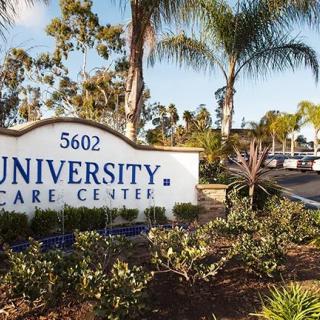
  • University Care Center

    University Care Center

    San Diego, CA

    4.5 from 101 reviews
     

    pro Beautiful landscaping and clean, welcoming interiors with a convenient, hospital-adjacent location.



  • Stellar Care

    Stellar Care

    San Diego, CA

    4.6 from 59 reviews
    $4,950 / month

    pro Strong sense of community with attentive, specialized memory care.

  • Atria Collwood

    Atria Collwood

    San Diego, CA

    4.4 from 111 reviews
    $2,295 to $4,995 / month

    pro Caring staff and engaging activities create a warm, supportive community at a competitive price.

  • Casa Del Cielo

    Casa Del Cielo

    San Diego, CA

    5 from 2 reviews
     

    pro Attentive staff with personalized care and a very clean, home-like setting.

  • Casa Del Cielo Residential Care Facility for the Elderly

    Casa Del Cielo Residential Care Facility for the Elderly

    San Diego, CA

    4.3 from 4 reviews
    $3,000 to $4,000 / month

    pro Caring, warm staff in a home-like setting with delicious meals and memory-care capability; competitive pricing.

  • Aacorn Oaks Manor II

    Aacorn Oaks Manor II

    San Diego, CA

     
    $2,200 / month

    pro Affordable private rooms at $2,200/mo with high-acuity and incontinence care.

  • Acorn Oaks Manor II

    Acorn Oaks Manor II

    San Diego, CA

    3.9 from 11 reviews
    $2,000 to $2,800 / month

    pro Friendly, welcoming community with attentive staff, good care, and a well-kept environment.

  • Noble Living

    Noble Living

    San Diego, CA

    4 from 16 reviews
    $3,900 to $4,000 / month

    pro Clean, well-managed facility with engaging activities and good meals.

  • Arroyo Vista Nursing Center

    Arroyo Vista Nursing Center

    San Diego, CA

    4.4 from 73 reviews
    $4,092 / month

    pro Attentive staff, quality meals, and comfortable, well-equipped rooms.

Related Resources

  • activities of daily livingComprehensive Insights into Activities of Daily Living (ADLs) and Their Assessment

    Activities of Daily Living (ADLs) are fundamental tasks vital for an individual's independence, particularly in older adults over 85, and include functions like bathing and dressing; assessing ADLs alongside Instrumental Activities of Daily Living (IADLs) helps determine the level of required assistance due to age-related health challenges. Tailored support plans, involving family and community resources, are essential for maintaining dignity and autonomy in assisted living environments.

  • does medicare pay for assisted livingMedicare Coverage for Assisted Living: An In-Depth Exploration

    Medicare does not cover assisted living costs, as it focuses on acute medical needs and short-term care, with exceptions for certain medically necessary services like physical therapy. Individuals must explore other options such as Medicaid, veterans' benefits, or long-term care insurance to manage these expenses effectively.

  • assisted living vs nursing homeChoosing the Right Senior Care: A Detailed Exploration of Assisted Living and Nursing Homes
    Choosing between assisted living and nursing homes involves evaluating emotional and financial factors, with assisted living offering independence and support for daily activities at a lower cost, while nursing homes provide intensive medical care for individuals with significant health needs. The decision is influenced by personal preferences, health status, cognitive function, and varying Medicaid coverage across states.