

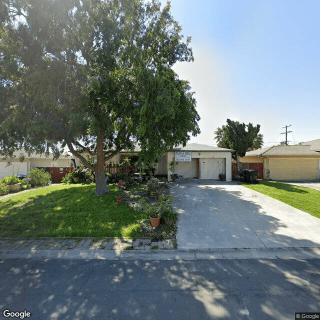
6207 Acorn, San Diego, CA 92115
To contact a resident: (858) 722-8121
For more information about senior living options: (866) 208-4318
Aacorn Oaks Manor II Costs & Pricing
Aacorn Oaks Manor II offers a competitive monthly cost for private rooms at $2,200, significantly lower than both the San Diego County average of $3,939 and the overall California state average, which matches that figure. This pricing not only reflects an attractive option for those seeking affordable residential care but also emphasizes Aacorn Oaks Manor II's commitment to providing quality services at a fraction of the cost typical in the region. Residents can enjoy a comfortable living environment while benefiting from substantial savings compared to other facilities in both the county and the state.
| Floor plans | Aacorn Oaks Manor II | San Diego County | California |
|---|---|---|---|
| Private | $2,200 | $3,939 | $3,939 |
Senior living communities with a similar price nearby
-
from +$300 / mo

Bonita K Care
$2,500 to $3,000 / month7.3 miles away -
from -$200 / mo
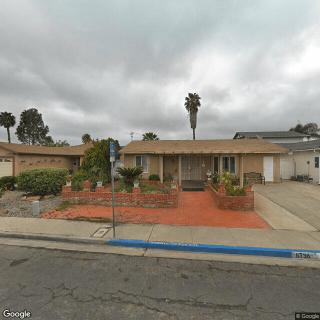
Emmaus Care I
$2,000 to $5,000 / month10.8 miles away -
from +$300 / mo
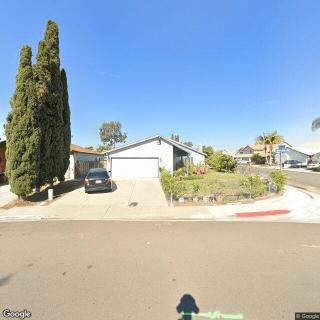
Alychris Senior Board and Care
$2,500 to $3,000 / month12.8 miles away -
from +$200 / mo

Sunland Home Care
$2,400 to $4,250 / month10.1 miles away -
from +$342 / mo
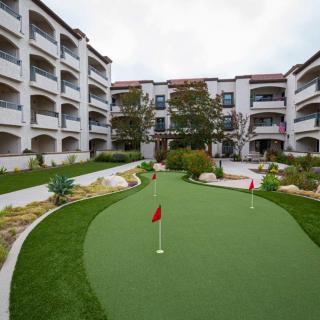
Casa De Las Campanas
$2,542 to $25,000 / month20.1 miles away
Overall Review of Aacorn Oaks Manor II
Pros
 The staff at Acorn is the best and provides excellent care for loved ones.
- They took excellent care of mom during the end of her life and offered support to the family.
- Acorn Oaks and all staff there are deeply appreciated.
- The place is a blessing and they truly care.
- They treat residents as family.
- It was a miracle to find such a wonderful place for mom.
- The staff will forever be in the hearts of families.
Review
Acorn Oaks Manor II in San Diego is best suited for families that are prioritizing deeply attentive, compassionate caregiving and a warm, family-like environment. This community excels when a loved one needs steady hands-on assistance and a staff that treats caregiving as a vocation, not a routine. The strongest case is for families navigating end-of-life care or long-term support where emotional and relational comfort matters as much as physical help. Residents who thrive here tend to value daily warmth, consistent communication, and the sense that caregivers know them personally and treat them with genuine kindness. It’s the kind of setting where the care feels personal and the staff’s engagement translates into tangible reassurance for anxious family members. For seniors seeking a bustling, highly structured campus with expansive programming or very advanced medical supervision, this may not be the optimal fit.
Those weighing alternatives should consider whether the priority is a larger, more medically intensive environment or a community with a broader slate of activities and amenities. If independence is a primary concern, or if a resident requires a higher intensity of medical oversight, more on-site clinicians, or memory-care specialists with specialized protocols, other options may better align with expectations. Prospective residents who want abundant social events, campus-wide enrichment, or visible, 24/7 nursing leadership might find larger communities a closer fit to their preferences. San Diego offers several facilities that emphasize these dimensions; for some families, the trade-off between intimate, personalized care and expansive services will determine the best long-term home.
The standout pros center on the caregiving relationship. The staff at Acorn Oaks Manor II is repeatedly described as exceptional, dedicated, compassionate, and genuinely invested in the resident’s well-being. Families note that care isn’t routine but attentive to the subtle, day-to-day needs that accumulate over time, from timely assistance with daily activities to thoughtful conversations and presence during difficult moments. The end-of-life care is highlighted as a defining strength: caregivers provide not only physical comfort but emotional support for the whole family, with staff offering reassurance, practical guidance, and a level of tenderness that leaves a lasting impression. The sense of being welcomed as part of a caregiving circle, one that treats the resident and the family with respect and care, is a recurrent theme that reinforces confidence in the days ahead.
Yet there are no imports of grandiose claims about a flawless system. The implied limitation is the intimate scale: this is not a large, impersonal campus with a dizzying array of programs. That size can translate into fewer formal offerings and a leaner medical infrastructure than some families expect. The main offset is the consistency of personnel and their ability to form real relationships with residents and families. When medical needs escalate or when a plan requires rapid escalation to higher levels of care, it’s essential to verify how the community coordinates with external providers and whether red flags or gaps in coverage would necessitate a move. In other words, the strongest asset, personalized, compassionate care, also means potential limits on the breadth of services unless carefully managed through strong external partnerships and clear care plans.
For families evaluating options, the path to confidence is concrete and practical. Ask about how care plans are created and updated, who leads the plan, and how frequently families are consulted during changes in condition. Inquire about physician access and on-site nursing coverage, especially after hours, to gauge whether medical oversight aligns with the resident’s needs. Observe interactions during a routine visit: note whether staff anticipate needs, communicate clearly about changes, and display that same level of tenderness in everyday moments as in crisis. Clarify your expectations for memory care if dementia is a factor, including staff training, activity programming, and environmental design. Finally, consider alignment with core family values: warmth, consistency, transparency, and a sense that caregivers are partners rather than distant professionals.
The verdict is straightforward: Acorn Oaks Manor II is a top-tier choice for families seeking a tightly knit, emotionally intelligent caregiving environment in San Diego. It serves well those who prize daily warmth, open communication, and a caregiving team that treats end-of-life moments with dignity and comfort. The community’s true strength is the people, the staff who make residents feel seen, safe, and cared for, and who extend that same care to anxious family members. For families whose priorities include a broader menu of activities, more aggressive medical oversight, or a campus with comprehensive dementia programming, alternatives that emphasize scale and specialty may be prudent. In short, this is where compassion, continuity, and a family atmosphere coalesce into a trustworthy home for someone who needs ongoing support and meaningful human connection.
 Board and Care Home
 Beautician on-site
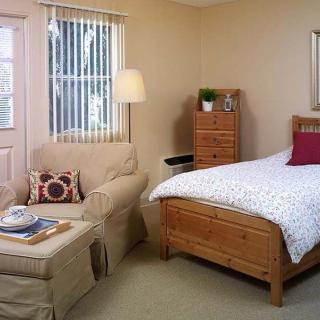
 Private
 San Diego International-Lindbergh (8 miles away)
 Diabetic care
 High acuity care
 Incontinence care
 Meals provided

 Comprehensive Exploration of Living Wills and Other Advance Directives
 A Detailed Exploration of Living Wills and Advance Directives
 Comprehensive Guide to Medicare Coverage for Hospice Care