
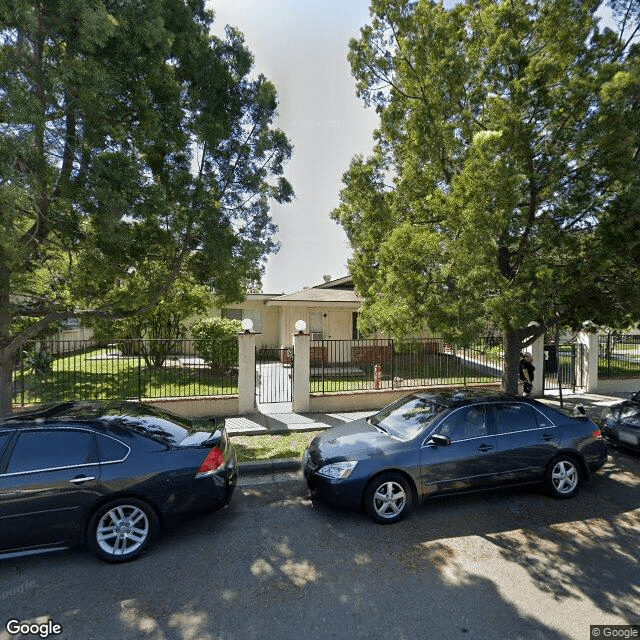
6217 Acorn Street, San Diego, CA 92115
For more information about senior living options: (866) 208-4318
Acorn Oaks Manor II Costs & Pricing
Acorn Oaks Manor II offers a competitive pricing structure for its residents, particularly when compared to both San Diego County and the broader California market. For semi-private accommodations, monthly costs are set at $2,000, significantly lower than the county average of $3,518 and the state average of $3,333. Those seeking private rooms will find rates at Acorn Oaks Manor II to be $2,500, which is notably more affordable than the county's rate of $3,939. For one-bedroom units, at $2,800 per month, residents again benefit from a substantial saving compared to the county average of $4,315 and California's average of $4,340. Overall, Acorn Oaks Manor II positions itself as an economical choice without compromising on quality or comfort in comparison to its regional counterparts.
| Floor plans | Acorn Oaks Manor II | San Diego County | California |
|---|---|---|---|
| Semi-Private | $2,000 | $3,518 | $3,333 |
| Private | $2,500 | $3,939 | $3,939 |
| 1 Bedroom | $2,800 | $4,315 | $4,340 |
Memory care communities with a similar price nearby
-
About the same
Emmaus Care I
$2,000 to $5,000 / month10.8 miles away -
from +$180 / mo

Monte Vista Village
$2,180 to $3,530 / month2.4 miles away -
from +$310 / mo
Canyon Villas
$2,310 to $3,880 / month8.6 miles away -
from +$295 / mo
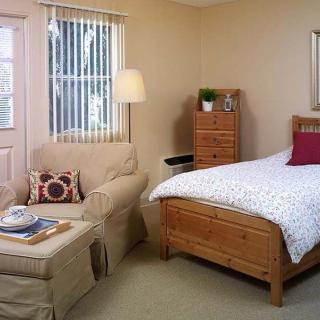
Atria Collwood
$2,295 to $4,995 / month1.0 miles away -
About the same

Mount Vernon Eldercare
$2,000 / month2.8 miles away
Overall Review of Acorn Oaks Manor II
Pros
 They truly care and provide excellent care to residents.
- Families consider the staff to be like family due to the compassionate care.
- The community is wonderful, friendly, and welcoming.
- The staff are accommodating and helpful.
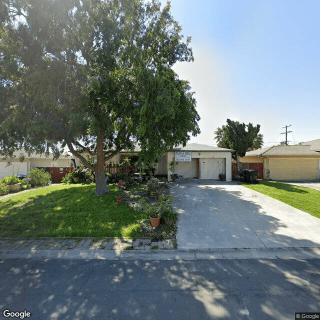
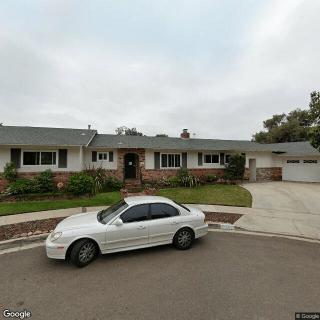
- The community is well maintained and looks great.
- The food is excellent.
- Everything is going very well, and the community is highly recommended.
Cons
 Acorn Oaks Manor boasts a fully secure perimeter, but it is not secure; most of the time the gates are unlocked, and the back garage door in the laundry area opens to an alley.
- The parent left on her own, fell in a parking lot, and was found and taken to a hospital by the police.
- The resident is not an escape artist; she simply walked out through an open area.
- The facility is not locked, so it would not be suitable for someone who wanders and gets lost easily.
Review
Acorn Oaks Manor II in San Diego is best suited for seniors who prize a warm, home-like atmosphere, attentive, hands-on caregiving, and a community feel that treats residents like family. This is a place where daily routines and personal interactions matter, and where families seeking visible, compassionate care will find reassurance. It works well for individuals who do not require a strictly locked, high-security environment and who value a welcoming staff, reliable daily support, and a well-kept, pleasant living space. Those who prioritize maximum security or a dedicated memory-care wing with restricted exits may want to consider stricter options elsewhere.
The strongest payoffs here are the human elements. Reviews consistently describe a staff-and-resident dynamic that feels personal and respectful. Residents are reportedly treated with genuine concern, and families express relief at the level of attention their loved ones receive. The community is described as friendly, with a welcoming atmosphere that makes new residents feel at home quickly. The property itself is well maintained, with clean, pleasant common areas, and the dining environment is described as inviting, with food perceived as attractive and appealing. These factors collectively translate into a high-perceived quality of life for many residents.
Coupled with warmth, the operational strengths include a practical sense of hospitality: accommodating, helpful staff who are responsive to needs, and a layout that supports a comfortable daily rhythm. Reviewers repeatedly note that the care team is engaged and invest time in residents, contributing to a sense of security and belonging. When family members visit, they often leave with confidence that their loved ones are in good hands. In short, the practical care framework, staff availability, attentiveness, cleanliness, and nourishment, delivers tangible daily benefits that make this community feel like a true second home for many residents.
However, a clear caveat limits how broadly the positives apply. Acorn Oaks Manor II is described as not fully locked or secured, with gates frequently unlocked and a back garage door that can open directly to an alley. The consequences cited in reviews are serious: a resident left unattended, wandered into a parking lot, and was found after an encounter with authorities. In other words, the facility’s perimeter security does not function as a guaranteed safeguard for wander-prone individuals. This gap matters most for seniors who have a tendency to wander, become lost easily, or require a constant, highly controlled environment to prevent exits.
The pros, especially the caring, person-centered staff and the home-like atmosphere, offset some risk, but not the core safety limitation. For families who can supervise, or for residents who do not tend to wander, the care quality and daily life benefits provide substantial value: reliable assistance with activities of daily living, meaningful interaction, and a pleasant living environment that improves mood and engagement. The emotional comfort of a “family” culture can compensate in part for the lack of a fully secured campus, yet this offset is incomplete for residents with higher wandering risk or memory impairment that demands locked, paged-access controls and restricted exits.
For families evaluating options, the decisive question centers on wander risk and security needs. If the priority is a compassionate team, consistent daily routines, good meals, and a supportive, homelike setting, and wander risk is moderate or well-managed by guardianship outside the facility, Acorn Oaks Manor II can be a strong fit. If the resident requires a secure, locked environment, or if there is a history of escape attempts or severe memory impairment, alternatives with fortified entrances, alarmed doors, or dedicated memory-care wings are advisable. In any case, the decision should hinge on a candid assessment of security needs, coupled with a live visit to observe how staff respond to real-life situations.
In the end, Acorn Oaks Manor II offers human-centered care, a well-kept physical environment, and a reputation for kindness that resonates with families seeking reassurance about daily life and personal attention. The crucial caveat is security, and the reality that the perimeter is not reliably locked. Families should weigh the emotional and practical benefits against the safety gaps, and should seek explicit confirmations about security measures, wandering risk management, and staff training before making a placement. For those who can tolerate, or better yet mitigate, the security gap with supervision and careful resident selection, this community presents a compelling, experiential choice rooted in care and community.
 14 resident community capacity
 Assisted Living
 Board and Care Home
 Memory Care
 Activities on-site
 Beautician on-site
 Cable or satellite TV
 Dining room
 Fully furnished
 Garden
 Housekeeping services
 Move-in coordination
 Outdoor space
 Private
 Telephone
 Wi-Fi/high-speed internet available
 San Diego International-Lindbergh (8 miles away)
 24-hour supervision
 Assistance with bathing
 Assistance with dressing
 Assistance with transfers
 Diabetes diet
 Diabetic care
 High acuity care
 Hospice waiver
 Incontinence care
 Meal preparation and service
 Medication management
 Mental wellness program
 Special dietary restrictions
 Transportation arrangement (medical)
 Transportation to doctors appointments


 Understanding Medicaid Coverage for Assisted Living: A Comprehensive Guide
 How and When Medicaid May Cover Assisted Living Costs
 A Detailed Exploration of Assisted Living Medicaid Waivers Across the United States