Baron's Presidio University City in San Diego, CA

Save
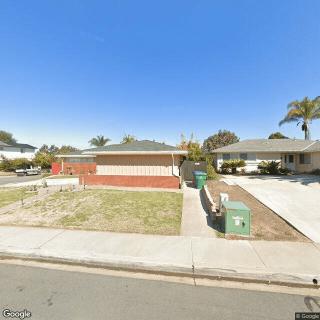
Baron's Presidio University City

Baron's Presidio University City in San Diego, CA

6860 Condon Drive, San Diego, CA 92122

For more information about senior living options: (844) 490-3973

4.3 from 3 reviews
5 stars
2
4 stars
0
3 stars
1
2 stars
0
1 stars
0

Assisted Living Board and Care Home Respite Care

Baron's Presidio University City Costs & Pricing

At Baron's Presidio University City, the cost for a private room is set at $3,000 per month. This rate is significantly lower than both the San Diego County average and the overall California average, which stand at $3,939 each. By providing competitive pricing in comparison to regional and statewide costs, Baron's Presidio University City offers an attractive option for those seeking quality accommodations without breaking the bank. This strategic positioning not only enhances the value proposition for potential residents but also reflects a commitment to affordability within the premium housing market of Southern California.

Floor plansBaron's Presidio University CitySan Diego CountyCalifornia
Private$3,000$3,939$3,939

Overall Review of Baron's Presidio University City

Pros

  • pro The staff were wonderful and caring.
  • pro The food was homemade, tasty and healthy.
  • pro The level of personal care was exceptional.

Cons

  • pro He had to be fed bite by bite and was walked to the toilet 10+ times a day (and night).
  • pro The facility was not as well kept up as expected for the amount they were charging.
  • pro It did not seem like the best environment for the father's needs.

Review

Baron's Presidio University City in San Diego is best suited for families seeking a small, relationship-driven environment where an elderly loved one can receive daily assistance and genuinely attentive care over the long haul. The community shines when the priority is consistent, personal attention: staffers described as wonderful and caring, with a caregiver-to-resident dynamic that feels less like a rigid institution and more like a supportive household. The setting clearly works for residents who value homestyle meals and predictable routines, delivered with a human touch. In a case where a parent needed care for more than five years, the family notes that the experience hinged on dependable staff and a steady, familiar atmosphere - precisely the combination that helps families sleep at night when daily care becomes the central concern.

That said, this campus is not the right fit for every situation. Families facing higher-acuity needs, frequent medical monitoring, or specialized memory-care requirements should look elsewhere. A reviewer pointed to upkeep and maintenance that didn't seem commensurate with the price, signaling that the physical environment may not meet expectations for some budgets. For loved ones whose needs include more intensive clinical oversight, modern facilities with dedicated memory-care wings, or more expansive safety and mobility supports, alternatives with larger care teams and stronger infrastructure will likely offer a better alignment of services to requirements.

The strongest positives here - the staff's warmth, reliability, and the level of personal care - don't just soften critiques about upkeep; they define the core value proposition. Families repeatedly celebrate compassionate caregivers who build trust over time, and the care team delivering individualized attention in daily activities. The kitchen's offerings - homemade, tasty, and healthy - also matter, particularly for residents who thrive on consistent nutrition and familiar, comforting meals. These elements create a sense of stability that can be decisive for households prioritizing daily quality of life and ongoing companionship.

By contrast, the main drawbacks center on the facility's upkeep relative to expectations and the fit for certain care needs. "Not as well kept up as I would expect for the amount they're charging" is not a minor caveat; it signals questions about maintenance, aesthetics, and possibly safety that can weigh heavily against price, especially for families comparing options in a similar price band. Additionally, for loved ones whose needs lean toward a more clinical environment or a setting explicitly designed for complex care, the reported environment may feel insufficient or mismatched. The friction between cost, perceived value, and care configuration matters and deserves careful inspection during tours and conversations with administrators.

These pros and cons interact in meaningful ways for decision-makers. For families prioritizing genuine human connection and predictable, home-like routines, the staff's dedication and the emphasis on wholesome meals can offset some environmental shortcomings. Such families may view the place as a long-term home where emotional comfort, regular contact, and consistent caregiving reduce stress for both resident and family. On the other hand, families requiring a higher level of clinical oversight, stricter maintenance standards, or more robust safety features will likely consider alternatives more seriously, even if they must forgo the intimate, family-like atmosphere that defines this community.

Practical next steps are clear. Schedule a comprehensive tour with a focus on how staff interact with residents across shifts and ask to observe care during peak activity periods. Request detailed information about maintenance schedules, recent updates, and what gets addressed promptly versus on a routine cycle. Probe the care plans for residents who need extensive assistance with meals, mobility, incontinence, or toileting, and ask how the community handles end-of-life scenarios, if relevant. Finally, compare pricing transparently - what is included, what costs extra, and how pricing aligns with the level of care, upkeep, and staff availability. If the emphasis remains on intimate, high-touch care, Baron's Presidio University City can be a strong match; if the priority is pristine upkeep or advanced clinical services, alternatives may deliver greater peace of mind.

Features

Housing

  • 6 resident community capacity 6 resident community capacity

Types of Care

  • Assisted Living Assisted LivingAssisted living facilities provide crucial support and care for seniors who may need help with daily tasks such as medication management, bathing, and meal preparation. These communities offer a safe and comfortable environment where seniors can maintain their independence while receiving the assistance they need to thrive in their golden years.
  • Board and Care Home Board and Care HomeBoard and care homes provide a smaller, more intimate setting for seniors who require assistance with daily tasks but do not need the level of care offered by a nursing home. They offer personalized care, meals, and social activities in a homelike environment, ensuring that seniors receive individualized attention and support in their golden years.
  • Respite Care Respite CareRespite care provides temporary relief for caregivers, allowing them to recharge and attend to their own needs. It also gives seniors the opportunity to socialize, receive professional care, and experience a change of scenery, promoting overall well-being and reducing feelings of isolation.

Amenities

  • Cable or satellite TV Cable or satellite TVCable or satellite TV is important for seniors because it provides entertainment, news, and companionship, helping to combat loneliness and boredom. It also offers a wide range of programming options tailored to different interests and preferences.
  • Dining room Dining roomDining rooms are important for seniors as they provide a space for socialization, connection, and nutritious meals. They offer opportunities for residents to bond over shared meals, foster a sense of community, and promote healthy eating habits. Dining rooms also ensure that seniors have access to well-balanced meals tailored to their dietary needs and preferences.
  • Fully furnished Fully furnishedFully furnished senior living communities are important for seniors because they provide convenience, comfort, and a hassle-free moving experience. Seniors can easily settle into their new living space without the stress of having to buy and move furniture. This allows them to focus on enjoying their new home and community.
  • Garden GardenGardens are important for seniors as they provide a peaceful and therapeutic environment for relaxation, physical activity, and socialization. Being in nature has been shown to reduce stress, improve mood, and promote overall well-being. Gardens also offer opportunities for seniors to engage in gardening activities, which can improve mobility, flexibility, and cognitive function. Additionally, gardens create a sense of community and connection with others who share a passion for plants and outdoor spaces.
  • Housekeeping services Housekeeping servicesHousekeeping services are important for seniors because they help maintain a clean and safe living environment, promote independence, and reduce the risk of accidents or illnesses. Additionally, having assistance with household chores can alleviate physical strain and allow seniors to focus on other aspects of their well-being.
  • Move-in coordination Move-in coordinationMove-in coordination is important for seniors because it helps ease the transition into their new living environment. It ensures that all logistics, such as packing, organizing movers, and setting up utilities are taken care of, allowing seniors to focus on settling in and adjusting to their new home. Having a smooth move-in process can alleviate stress and anxiety, making the transition smoother and more enjoyable for seniors.
  • Outdoor space Outdoor spaceOutdoor spaces are important for seniors as they provide opportunities for physical activity, social interaction, exposure to natural light and fresh air, and a sense of connection to nature. Having access to outdoor spaces can improve overall well-being and quality of life for older adults living in senior communities.
  • Private PrivatePrivacy is important for seniors as it allows them to maintain their independence, dignity, and sense of control over their own lives. It also gives them the space and freedom to relax, reflect, and engage in activities that bring them joy and fulfillment. Creating private spaces within senior living facilities is crucial for promoting overall well-being and quality of life.
  • Telephone TelephoneTelephones are important for seniors as they provide a lifeline for communication with loved ones, emergency services, and healthcare providers. They offer a sense of security and independence, enabling seniors to stay connected and access assistance when needed.
  • Wi-Fi/high-speed internet available Wi-Fi/high-speed internet availableWi-Fi/high-speed internet is important for seniors to stay connected with loved ones, access online resources, and participate in virtual activities to combat feelings of loneliness and isolation. It also allows them to easily manage healthcare needs, access entertainment, and engage in lifelong learning opportunities.

Transportation

  • San Diego International-Lindbergh (9 miles away) San Diego International-Lindbergh (9 miles away)
  • MC Clellan-Palomar Airport (19 miles away) MC Clellan-Palomar Airport (19 miles away)

Care Services

  • 24-hour supervision 24-hour supervision24-hour supervision is important for seniors to ensure their safety, well-being, and access to immediate assistance in case of emergencies or health issues. This constant support provides peace of mind for both seniors and their loved ones, allowing them to age in place with dignity and security.
  • Activities of daily living assistance Activities of daily living assistanceActivities of daily living assistance are important for seniors because they provide essential support with tasks such as eating, bathing, dressing, and mobility. This assistance helps seniors maintain their independence, dignity, and overall quality of life as they age.
  • Ambulatory care Ambulatory care"Ambulatory care services provide essential medical support and treatment to seniors without requiring hospitalization, allowing them to maintain their independence and quality of life while managing chronic conditions or receiving routine medical care."
  • Assistance with bathing Assistance with bathingAssistance with bathing is crucial for seniors as it helps maintain personal hygiene, prevents infections, and ensures their overall well-being and comfort. It also provides a sense of dignity and independence for seniors who may struggle with this task on their own.
  • Assistance with dressing Assistance with dressingAssistance with dressing is important for seniors because it helps maintain their independence, promotes personal hygiene, prevents accidents and injuries, and improves overall quality of life. This service ensures that seniors can continue to dress comfortably and confidently, despite any physical limitations they may have.
  • Assistance with transfers Assistance with transfersAssistance with transfers is crucial for seniors as it helps prevent falls and injuries, maintains their independence, and ensures they can safely navigate their living environment. It also provides peace of mind for both seniors and their loved ones.
  • Coordination with health care providers Coordination with health care providersCoordination with health care providers is crucial for seniors to ensure proper medical care, medication management, and overall well-being. This collaboration helps prevent overlapping treatments, track progress more effectively, and provide comprehensive support tailored to individual needs.
  • Diabetes diet Diabetes dietA diabetes diet is crucial for seniors as it helps manage blood sugar levels, reduce risks of complications, and improve overall health and well-being. By following a balanced and nutritious diet tailored to their specific needs, seniors can better control their diabetes and enhance their quality of life.
  • Diabetic care Diabetic careDiabetic care is crucial for seniors as they are more susceptible to developing diabetes due to aging and other health conditions. Proper management of diabetes can help prevent complications such as heart disease, vision loss, and nerve damage, improving the overall quality of life for seniors in senior living communities.
  • Incontinence care Incontinence careIncontinence care is essential for seniors to maintain their dignity, hygiene, and overall quality of life. By addressing incontinence issues promptly and effectively, seniors can enjoy a sense of independence and comfort in their daily activities.
  • Meal preparation and service Meal preparation and serviceMeal preparation and service are crucial for seniors as they may have limited mobility or energy to cook nutritious meals. Having access to healthy and convenient food options can ensure they are getting the proper nutrition needed to maintain their overall health and well-being.
  • Medication management Medication managementMedication management is crucial for seniors to ensure they are taking the right medications at the correct dosages and times. This helps prevent adverse drug interactions, reduces the risk of medication errors, and promotes overall health and well-being. Proactive management also allows for adjustments as needed based on changing health conditions or new prescriptions.
  • Special dietary restrictions Special dietary restrictionsSpecial dietary restrictions are important for seniors because age-related changes in metabolism and health conditions can make it difficult for their bodies to process certain foods. By following a diet tailored to their specific needs, seniors can maintain their overall health and well-being, manage chronic conditions, and reduce the risk of complications such as malnutrition or food interactions with medications.
  • Transportation arrangement (medical) Transportation arrangement (medical)Transportation arrangements for medical purposes are essential for seniors as they may have difficulty driving themselves to appointments or accessing public transportation. Having reliable and safe transportation options ensures that seniors can receive timely medical care and maintain their health and well-being.
  • Transportation to doctors appointments Transportation to doctors appointmentsTransportation to doctors' appointments is crucial for seniors as it ensures they have access to necessary medical care and support for their health needs. Without reliable transportation, seniors may struggle to attend important appointments, leading to potential delays in treatment and health complications. Providing transportation services helps seniors maintain their overall well-being and quality of life.
Dining

  • Diabetes diet Diabetes dietA diabetes diet is crucial for seniors as it helps manage blood sugar levels, reduce risks of complications, and improve overall health and well-being. By following a balanced and nutritious diet tailored to their specific needs, seniors can better control their diabetes and enhance their quality of life.
  • Special dietary restrictions Special dietary restrictionsSpecial dietary restrictions are important for seniors because age-related changes in metabolism and health conditions can make it difficult for their bodies to process certain foods. By following a diet tailored to their specific needs, seniors can maintain their overall health and well-being, manage chronic conditions, and reduce the risk of complications such as malnutrition or food interactions with medications.

Activities

  • Community-sponsored activities Community-sponsored activitiesCommunity-sponsored activities are important for seniors as they provide opportunities for social interaction, mental stimulation, and physical activity. These activities can help improve overall well-being, combat loneliness and isolation, and promote a sense of belonging and purpose among older adults.
  • Scheduled daily activities Scheduled daily activitiesScheduled daily activities are important for seniors because they provide structure, socialization, mental stimulation, and physical activity. Engaging in regular activities can improve overall well-being and quality of life for seniors living in a community setting.

Description

Welcome to Baron's Presidio University City, a premier assisted living community located in the heart of San Diego, CA. Our facility offers a warm and inviting environment tailored for those seeking both comfort and care, featuring Board and Care Home services as well as Respite Care programs.

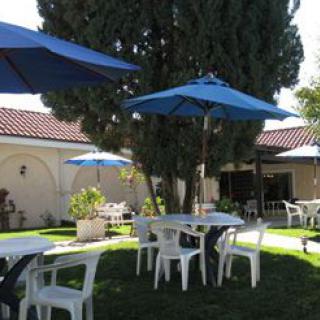
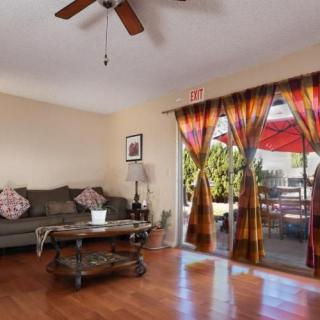
At Baron's Presidio, residents enjoy a host of amenities designed to enhance their quality of life. The spacious dining room serves delicious meals accommodating special dietary restrictions, ensuring that every resident’s nutritional needs are met. Each private residence is fully furnished and equipped with modern conveniences such as Wi-Fi/high-speed internet and telephone services. Residents can relax in our lush garden or enjoy the outdoor space for leisurely strolls and social gatherings. We also provide housekeeping services and assistance with move-in coordination to ensure a smooth transition.

Our dedicated team is committed to providing comprehensive care services that include assistance with daily activities such as bathing, dressing, transfers, and medication management. We offer specialized care for diabetes management and incontinence needs alongside meal preparation tailored to individual dietary preferences. Transportation arrangements for medical appointments are also available, allowing residents easy access to health care providers.

Social engagement is at the forefront of our community atmosphere; we schedule daily activities that promote interaction and well-being among residents. With numerous cafes, parks, restaurants, pharmacies, physicians’ offices, hospitals, and places of worship in close proximity, our location offers both convenience and opportunities for social outings.

At Baron's Presidio University City, we believe in fostering a supportive environment where individuals can thrive while receiving personalized care tailored to their unique needs. Experience peace of mind knowing you or your loved ones are in compassionate hands at our vibrant assisted living community.

Nearby Places of Interest

Located in San Diego, California, this neighborhood offers a variety of amenities that cater to senior living. With convenient access to transportation options such as trolley stations and airports, getting around the area is easy. There are numerous dining options ranging from casual fast food to upscale seafood restaurants, as well as cafes for a quick coffee break. Nearby pharmacies and medical facilities provide necessary healthcare services, including eye care and cardiovascular treatment. The neighborhood is also close to several parks for leisurely walks and outdoor activities. Places of worship and theaters are also within reach for spiritual fulfillment and entertainment. Overall, this part of San Diego offers a well-rounded environment for seniors looking for a comfortable and convenient place to call home.

Transportation

  • UTC Trolley Station (0.8 miles)
  • Balboa Avenue Transit Center (3.6 miles)
  • Montgomery Field Airport (MYF) (5.1 miles)
  • Fashion Valley Trolley Station and Transit Center (6.8 miles)

Restaurants

  • Shake Shack (0.9 miles)
  • Pacific Catch WestCoast Fish House (1 miles)
  • Din Tai Fung (1 miles)
  • Jack In The Box (3 miles)
  • Gravity Heights S (3.2 miles)
  • Chick-Fil-A (3.2 miles)
  • Cutwater Spirits (3.3 miles)

Cafes

  • Blue Bottle Coffee (1 miles)
  • Starbucks (2.6 miles)
  • Starbucks (3.1 miles)
  • Bird Rock Coffee Roasters (4.5 miles)
  • The Coffee Bean and Tea Leaf (5.1 miles)
  • Bird Rock Coffee Roasters (5.9 miles)
  • Blue Bottle Coffee (6.7 miles)

Physicians

  • NVISION Eye Centers (1.3 miles)
  • UC San Diego Health - La Jolla 8910 Villa La Jolla Drive (1.6 miles)
  • Sulpizio Cardiovascular Center at UC San Diego Health (1.7 miles)
  • Stahl Richard Dr Scripps Cardiovascular Thoracic Surgery Group La Jolla (2 miles)
  • Pearl Mini IVF (2.9 miles)
  • Sharp Rees-Stealy Mira Mesa (5.2 miles)
  • Sharp Rees-Stealy San Diego Radiology (5.2 miles)

Pharmacies

  • CVS Pharmacy (1.4 miles)
  • CVS Pharmacy (1.8 miles)
  • Walgreens (3.1 miles)
  • Walmart Pharmacy (3.2 miles)
  • CVS Pharmacy (3.9 miles)
  • CVS Pharmacy (4.2 miles)
  • Rite Aid (4.2 miles)

Hospitals

  • UC San Diego Jacobs Medical Center (1.7 miles)
  • Scripps Memorial Hospital La Jolla (2.1 miles)
  • Scripps La Jolla Emergency Room And Trauma Center (2.1 miles)
  • Scripps Green Hospital (3.3 miles)
  • Scripps Clinic Torrey Pines (3.4 miles)
  • Kearny Mesa Convalescent and Nursing Home (5.1 miles)
  • Sharp Memorial Hospital (5.1 miles)

Parks

  • La Jolla Shores Park (2.7 miles)
  • Kate O Sessions Memorial Park (3.7 miles)
  • Lindbergh Park (3.9 miles)
  • Crown Point (4.4 miles)
  • Mission Bay Park (4.7 miles)
  • Tourmaline Surfing Park (4.7 miles)
  • Torrey Pines State Natural Reserve (4.8 miles)

Places of Worship

  • Good Shepherd Catholic Church (5 miles)

Theaters

  • Regal Edwards Mira Mesa 4DX, IMAX & RPX (6.7 miles)
  • AMC Fashion Valley 18 (6.7 miles)

Frequently Asked Questions

How much does it cost to live at Baron's Presidio University City in San Diego, CA?
Where is Baron's Presidio University City?

Nearby Communities

  • University City Guest Home I

    University City Guest Home I

    San Diego, CA

    4.4 from 103 reviews
    $2,800 to $4,000 / month

    pro Clean environment with good meals and friendly staff.

  • Sunset Residential Care

    Sunset Residential Care

    San Diego, CA

    5 from 2 reviews
    $3,800 to $4,500 / month

    pro Small, intimate board-and-care setting with memory care and 24/7 supervision.

  • Right Choice Senior Living University City

    Right Choice Senior Living University City

    San Diego, CA

    5 from 1 review
     

    pro Small, intimate community (6 residents) with 24-hour supervision and comprehensive ADL support.

  • Belmont Village La Jolla

    Belmont Village La Jolla

    San Diego, CA

    4.1 from 35 reviews
    $7,180 to $14,890 / month

    pro Beautiful, modern facility with excellent amenities, engaging activities, and quality dining.

  • Right Choice Senior Living

    Right Choice Senior Living

    San Diego, CA

    5 from 1 review
     

    pro Fully furnished rooms with comprehensive care and medical coordination.

  • Uc Care Senior Living III

    Uc Care Senior Living III

    San Diego, CA

    5 from 1 review
     

    pro Small, personalized care with comprehensive support and on-site amenities.

  • Vi at La Jolla Village,  a CCRC

    Vi at La Jolla Village, a CCRC

    San Diego, CA

    4.6 from 108 reviews
    $4,230 to $6,060 / month

    pro Strong sense of community with attentive care and extensive amenities.

  • Belmont Village Senior Living La Jolla

    Belmont Village Senior Living La Jolla

    San Diego, CA

    4.1 from 34 reviews
     

    pro Comprehensive care options with restaurant-style dining, active programming, and transportation.

  • La Jolla Nursing and Rehabilitation Center

    La Jolla Nursing and Rehabilitation Center

    La Jolla, CA

    2 from 6 reviews
     

    pro Attentive staff (notably Emily) and a pleasant dining/ambiance.

Related Resources

  • does medicaid pay for assisted livingHow and When Medicaid May Cover Assisted Living Costs

    Medicaid coverage for assisted living varies by state and is primarily available to low-income individuals, with eligibility dependent on strict income and asset limits. Some states offer HCBS waivers for specific services in assisted living, but families must generally cover room and board costs, and should verify facility acceptance of Medicaid while considering potential waiting lists.

  • assisted living waiver programA Detailed Exploration of Assisted Living Medicaid Waivers Across the United States

    Medicaid waivers for assisted living services provide vital support for seniors and individuals with disabilities in need of long-term care, with varying state-specific eligibility criteria and benefits. These waivers cover personal care and case management but often do not fully cover room and board, leading to waiting lists for many applicants.

  • assisted living for disabled adultsComprehensive Residential Support and Assisted Living Solutions for Individuals with Disabilities

    The article examines the complexities of assisted living for individuals with disabilities, emphasizing the need for tailored care solutions that enhance quality of life and social inclusion, while addressing financial challenges and advocating for community integration. It discusses various housing options, the importance of financial assistance through public benefits, and highlights trends towards integrated and technology-driven solutions in disability-focused housing.