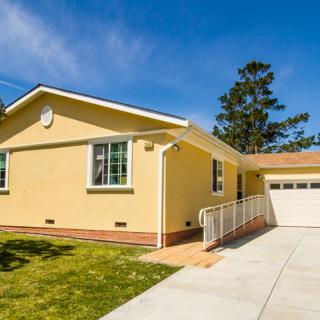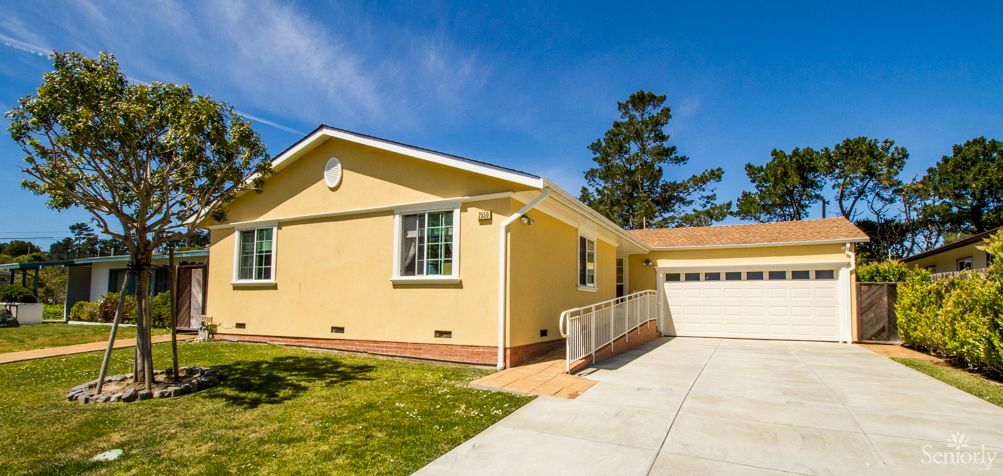
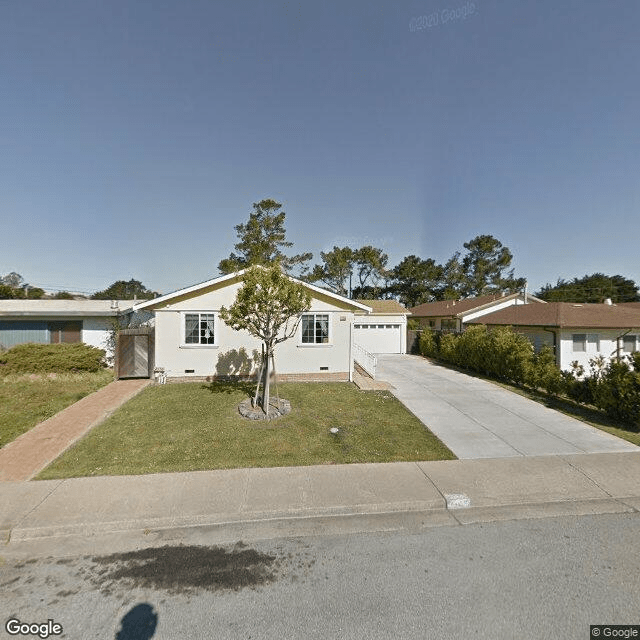
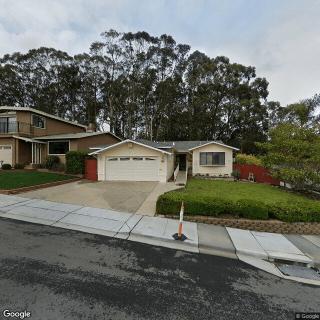
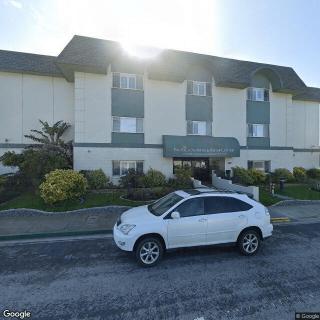
2550 Catalpa Way, San Bruno, CA 94066
For more information about senior living options: (866) 208-4318
Westborough Manor 6 Costs & Pricing
Westborough Manor 6 offers competitive pricing for its residents, particularly when compared to the broader market in San Mateo County and across California. For a semi-private room, Westborough Manor 6 charges $3,500 per month, which is notably lower than the county average of $3,830 and more favorable than the statewide average of $3,333 for similar accommodations. In terms of private rooms, the monthly cost at Westborough Manor is $3,800. This figure remains below the significantly higher county rate of $4,281 while also being slightly lower than California's average of $3,939. Overall, Westborough Manor 6 presents an appealing option for potential residents seeking quality care at a reasonable cost relative to both local and state standards.
| Floor plans | Westborough Manor 6 | San Mateo County | California |
|---|---|---|---|
| Semi-Private | $3,500 | $3,830 | $3,333 |
| Private | $3,800 | $4,281 | $3,939 |
Memory care communities with a similar price nearby
-
from -$305 / mo
Harbor Bay Assisted Living
$3,195 to $5,000 / month13.3 miles away -
from +$500 / mo
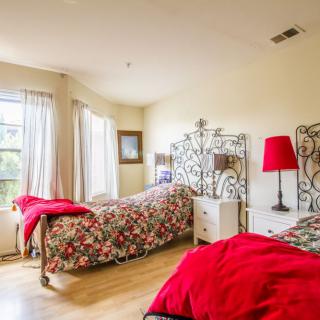
Golden Age Of Channing Way
$4,000 to $5,000 / month13.3 miles away -
About the same
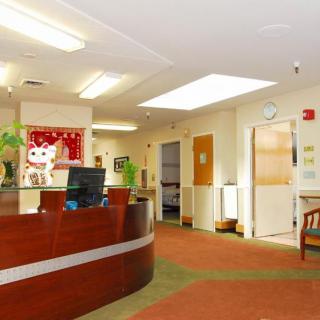
East Bay Assisted Living
$3,500 to $5,000 / month16.4 miles away -
from +$495 / mo
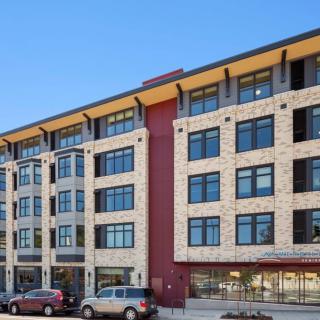
Merrill Gardens at Rockridge
$3,995 to $8,500 / month17.7 miles away -
from +$550 / mo

The Village at Hayes Valley
$4,050 to $6,900 / month10.4 miles away
Overall Review of Westborough Manor 6
Pros
 The staff are amazing and work as a team, with many having stayed for years and loving what they do.
- The administrator Bridget Kelly is truly amazing and runs Westborough Royale with passion.
- Westborough Royale is described as a gem and is the only care home the reviewer would place a loved one in.
- The facility offers wonderful clean spaces, great food, and a calendar full of activities.
- The staff are caring, attentive, and committed to serving residents, consistently going above and beyond.
- The team is eager, ready, and willing to help residents improve their mobility and quality of life.
- Individual staff members, such as Hilda, Lillian, and Izcaly, go the extra mile to assist residents.
- Shirley excels at creating a strong sense of community among residents.
- The garden is immaculate, thanks to the dedicated maintenance team.
- Move-in is easy and everything is provided for new residents.
Cons
 Terrible staff, rude, how can they look after our loved ones with that much attitude?
- Main problem for her was that she does not like to eat on an early schedule.
Review
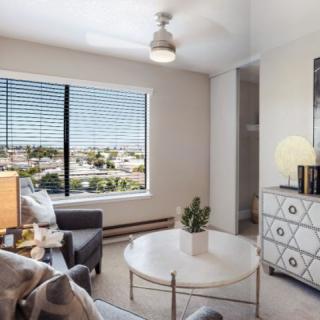
Westborough Royale, operating as Westborough Manor 6 in San Bruno, CA, is best suited for seniors who crave a warm, home-like setting where care excellence shows in staff continuity and daily engagement. Residents who thrive on a strong sense of community, frequent interaction with dedicated caregivers, and a schedule that balances activities with mobility-support routines will feel at home quickly. The community shines for families who prioritize hands-on caregiving, meaningful resident relationships, and a leadership vibe from an Executive Director who clearly knows residents by name and history.
Those seeking highly medicalized oversight or a facility with minimal staff turnover may want to consider alternatives. A minority of reviewers flagged rude interactions or inconsistent communication, which signals that not every moment on every shift will feel perfect. For families whose loved one requires very precise meal timing or dislikes morning dining, a two-week respite experience hinted at a misalignment with personal rhythms. In short, very high-acuity needs or a preference for a strictly regimented dining schedule may push families toward a more clinical setting or a facility with broader medical supports.
Yet the core strengths strongly offset these concerns. The staff is repeatedly described as devoted, cohesive, and long-tenured, with care teams that go above and beyond, including hands-on mobility support and willingness to assist beyond basic tasks. The care team's practicality is evident in a well-curated activities calendar, clean and inviting spaces, and communal areas that encourage connection and reminiscence. An executive director who understands each resident’s preferences translates into care plans that feel individualized rather than generic. The garden, grounds upkeep, and daily maintenance reinforce a lived-in, comfortable atmosphere that families consistently value when choosing a home.
Operational durability matters here. Staff readiness to support mobility outside formal therapy, willingness to lend assistive devices, and a proactive approach to resident comfort create tangible, ongoing value. The combination of good food and engaging activities helps reduce isolation, while the stable staff roster supports trust and familiarity early on. Positive experiences shared by private caregivers and therapists suggest Westborough Royale isn’t merely supervising care; it’s building a supportive network around each resident. The result is a setting where a resident can feel understood and cared for without surrendering independence unnecessarily.
Families evaluating this community should verify fit by observing how staff interact with residents across a typical day, watch for warmth, responsiveness, and whether activities align with the resident’s interests. Ask about mobility support, discharge planning, and how transitions are managed if health needs change. Discuss meal timing expectations and whether flexibility exists for those who do not eat on an early schedule. Given the mix of praise and occasional critique, it is essential to gather current impressions from multiple staffers and, if possible, from residents themselves to gauge consistency before making a decision.
In sum, Westborough Royale represents a compelling choice for seniors who want a person-centered, community-driven environment with strong staff dedication and practical supports for mobility and daily living. It is less well-suited for those who require high-acuity medical services on site or who demand flawless staff demeanor across all shifts. For families valuing a proven care culture, long-tenured teams, and an administrator who appears to truly steward resident well-being, this community deserves serious consideration as a primary option rather than a back-up plan.
 6 resident community capacity
 Assisted Living
 Board and Care Home
 Memory Care
 Respite Care
 Cable or satellite TV
 Dining room
 Fully furnished
 Garden
 Housekeeping services
 Move-in coordination
 Outdoor space
 Private
 Small library
 Telephone
 San Francisco International (4 miles away)
 24-hour supervision
 Activities of daily living assistance
 Assistance with bathing
 Assistance with dressing
 Assistance with transfers
 Diabetes diet
 Meal preparation and service
 Medication management
 Special dietary restrictions

 Delving into the Inner World of Dementia: Insights into Thoughts and Awareness
 Five Subtle Dementia Indicators to Observe: An In-Depth Guide to Understanding “Does My Mom Have Dementia?”
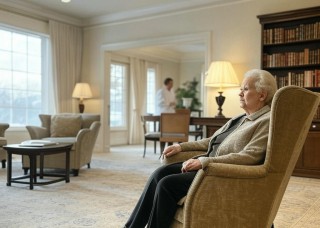 Dementia, Paranoia, and Caregiver Guidance: Understanding the Connection