
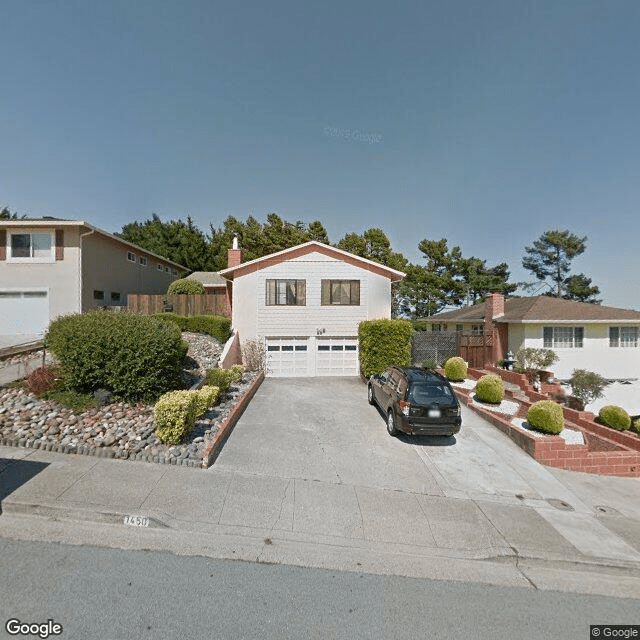
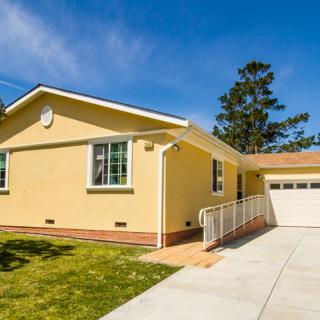
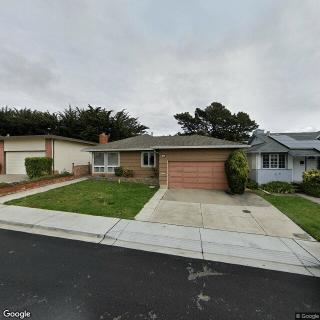
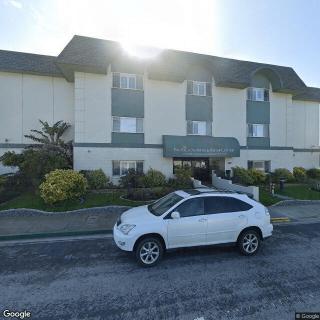
1450 GREENWOOD WAY, San Bruno, CA 94066
To contact a resident: (650) 483-1202
For more information about senior living options: (866) 208-4318
Cristina's Care Home Costs & Pricing
At Cristina's Care Home, the costs for various room types reflect both the quality of care provided and the regional market dynamics. For a semi-private room, residents can expect to pay $5,500 per month, which is significantly higher than the San Mateo County average of $3,830 and California's statewide average of $3,333. Similarly, private rooms are priced at $6,500 - again above both local ($4,281) and state averages ($3,939). For those seeking a studio apartment within the home, the monthly fee stands at $6,500 as well; this too surpasses local ($5,178) and state averages ($4,145). Overall, while Cristina's Care Home positions itself at a premium price point compared to its surroundings, it likely reflects their commitment to providing exceptional services and amenities tailored to ensuring residents' comfort and well-being.
| Floor plans | Cristina's Care Home | San Mateo County | California |
|---|---|---|---|
| Semi-Private | $5,500 | $3,830 | $3,333 |
| Private | $6,500 | $4,281 | $3,939 |
| Studio | $6,500 | $5,178 | $4,145 |
Overall Review of Cristina's Care Home
Pros
 The staff at Casa Sandoval are kind and dedicated to their residents.
- They provide a safe living environment and offer activities and dining options that make residents feel comfortable.
- The caregivers are caring in maintaining a connection with families during COVID restrictions.
- They offer different levels of care.
- The family is deeply appreciative of all the staff who provided loving care to their parents.
Review
Cristina's Care Home in San Bruno is best suited for families prioritizing an intimate, home-like atmosphere where residents receive highly personalized attention. This community works well for seniors who want reliable daily structure, engaging activities, and meals that feel comfortable and familiar. The strongest fit is for families that value steady caregiver relationships and clear channels for family communication, with the understanding that care levels can be adjusted as needs shift without uprooting the resident to a new campus. In short, it serves as a calm, predictable environment where staff members aim to know residents, and their families, well.
Those weighing alternatives should consider what they need beyond a warm, small-community feel. If a resident requires intensive medical oversight, complex post-acute services, or dementia care with specialized programming, other facilities with larger medical staffs or memory-care design may be preferable. Similarly, families seeking a broad, bustling social calendar, extensive on-site therapies, or a campus with substantial ancillary services might find a larger operation more aligned with those expectations. Cost structure and long-term affordability are also practical factors to compare, given that many small homes vary significantly from bigger communities in pricing and inclusions.
The most compelling positives here center on caregiver warmth and a demonstrable commitment to resident well-being. Staff are described as kind and dedicated, consistently creating a safe living environment and maintaining meaningful connections with residents and their families. The presence of diverse activities and dining options helps residents feel engaged rather than isolated, contributing to a sense of normalcy and daily purpose. The ability to offer different levels of care within the same setting reduces the disruptive transitions that often accompany a move to a new facility, giving families confidence that evolving needs can be managed with continuity.
Those strengths largely offset the most common concerns families voice about smaller care homes. A tight-knit staff culture typically translates into better continuity of care, lower staff turnover, and more attentive supervision, factors that matter when a resident requires routine assistance and close monitoring. The capacity to address increasing care needs without relocating can minimize stress for both residents and families, preserving familiar routines, relationships, and a sense of home. When care plans are clear and staff communicate consistently, the risk of feeling passed from one administrator to the next diminishes, making the arrangement feel more dependable.
Still, the limited number of published reviews means less independent verification of performance across a longer arc of time. Price transparency and exact staffing ratios are not spelled out in the feedback, leaving important questions about value and day-to-day staffing levels. It is prudent to investigate whether there is on-site medical oversight, access to rehabilitation services, and dementia-specific programming if those services will become necessary. Prospective residents should also verify what “levels of care” truly cover, such as assistance with activities of daily living, medication management, and in-home nursing support, and ask for a sample weekly calendar to gauge consistency of programming.
In the end, Cristina's Care Home stands out as a strong option for families seeking warmth, reliability, and ongoing family engagement in a compact setting. Its greatest strengths, compassionate staff, a safe environment, and a rich menu of activities and meal options, create a foundation where residents can thrive with dignity. For families prioritizing intimacy and predictable, person-centered care, this community warrants serious consideration. However, for those needing advanced medical oversight, dementia-focused programming, or a broader ecosystem of services, it is wise to compare alternatives and visit multiple campuses to measure fit, transparency, and ongoing responsiveness before making a final commitment.
 6 resident community capacity
 Assisted Living
 Board and Care Home
 Memory Care
 Activities off-site
 Cable or satellite TV
 Devotional services on-site
 Fully furnished
 Garden
 Ground floor units
 Handicap accessible
 Housekeeping services
 Indoor common areas
 Move-in coordination
 Outdoor common areas
 Private
 Private bathrooms
 Wheelchair accessible showers
 Wi-Fi/high-speed internet available
 San Francisco International (4 miles away)
 Transportation arrangement
 24-hour supervision
 Assistance with bathing
 Assistance with dressing
 Assistance with transfers
 Diabetes diet
 Diabetic care
 High acuity care
 Incontinence care
 Meal preparation and service
 Medication management
 Special dietary restrictions
 Art classes
 BBQs or picnics
 Brain fitness
 Forever fit
 Intergenerational programs
 Karaoke
 Live dance or theater performances
 Live musical performances
 Live well programs
 Trivia games
 Wii bowling

 Vibrant Senior Living: A Comprehensive Guide for Active Older Adults
 Assisted Living and Memory Care: Understanding Their Core Differences
 Choosing the Right Senior Care: A Detailed Exploration of Assisted Living and Nursing Homes