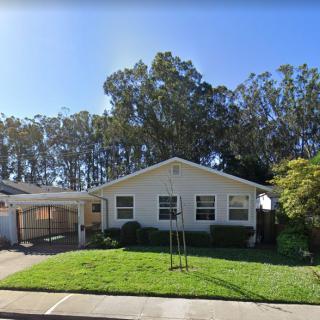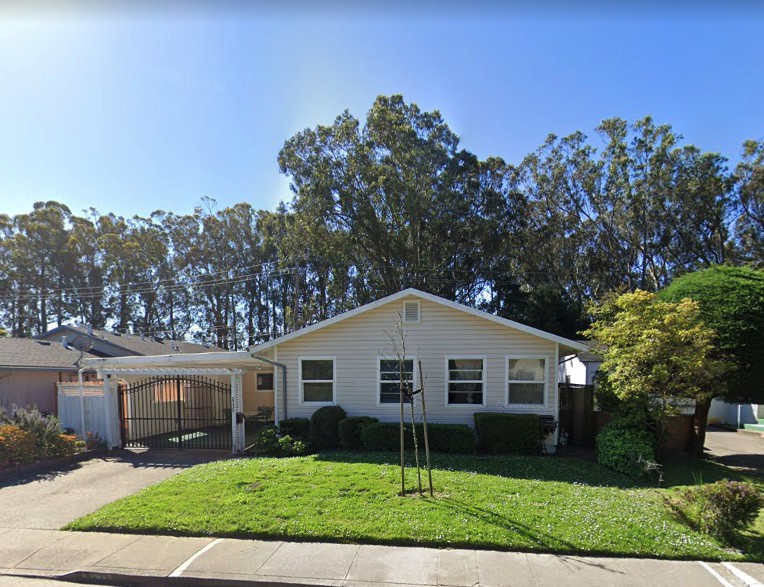
2735 FLEETWOOD DRIVE, San Bruno, CA 94066
For more information about senior living options: (866) 208-4318
Cristina's Care Home Costs & Pricing
Cristina's Care Home offers a range of accommodations, with costs reflecting the premium services and personalized care provided. For a semi-private room, residents can expect to pay $5,500 per month, which is notably above the San Mateo County average of $3,830 and significantly higher than the California statewide average of $3,333. Private rooms are priced at $6,500 each month, again placing Cristina's at a higher tier compared to San Mateo County's average of $4,281 and California's average of $3,939. Similarly, studio units are offered at the same rate of $6,500 - a price that exceeds both local ($5,178) and state averages ($4,145). While these figures may be elevated compared to broader regional trends, they reflect Cristina's commitment to providing exceptional care and quality living environments for its residents.
| Floor plans | Cristina's Care Home | San Mateo County | California |
|---|---|---|---|
| Semi-Private | $5,500 | $3,830 | $3,333 |
| Private | $6,500 | $4,281 | $3,939 |
| Studio | $6,500 | $5,178 | $4,145 |
Memory care communities with a similar price nearby
-
from -$500 / mo
Blessing Home
$5,000 to $6,000 / month21.5 miles away -
from -$400 / mo

Aegis of Moraga
$5,100 to $6,150 / month22.4 miles away -
from +$200 / mo
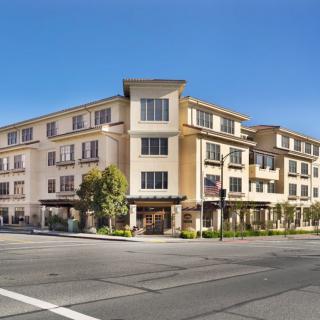
Sunrise of Burlingame
$5,700 to $9,000 / month4.0 miles away -
from +$500 / mo

Palm Villas
$6,000 to $12,000 / month16.9 miles away -
from -$900 / mo

The Pavilion
$4,600 / month24.1 miles away
Overall Review of Cristina's Care Home
Pros
 The staff are friendly and have an inclusive spirit.
- The staff are super organized and always looking after the residents.
- The mother regained some strength and skills while living there, surrounded by people who truly care.
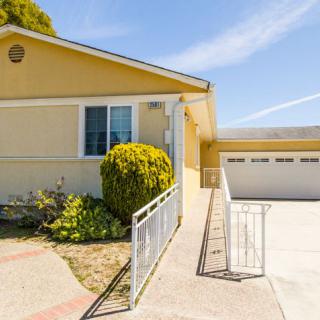
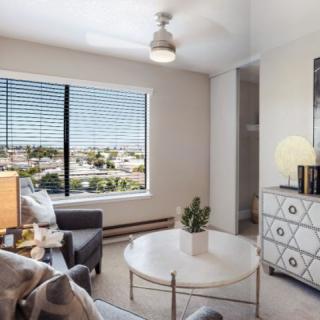
- The home is lovely and set in a very nice setting.
- The house is large and well laid out with a nice garden.
- The caretakers are nurturing, and the cooking smells delicious.
- They would definitely recommend Cristina's Care Home.
Cons
 My mother was unhappy in her previous situation.
Review
Cristina’s Care Home in San Bruno is best suited for seniors with dementia who flourish in a small, home‑like setting where staff are consistently present, friendly, and highly engaged. The care style here centers on people first: a nimble, well‑organized team that is visibly “always working and looking after the residents.” Families report a meaningful difference in their loved ones, with improvements in mood and function when surrounded by caregivers who communicate openly, include residents in daily life, and maintain a calm, predictable routine. The environment itself reinforces this approach: a large house that feels intimate rather than institutional, with a garden that invites gentle activity and sensory engagement.
Those who should consider alternatives are those whose loved ones require heavier medical oversight or a broader, more formal therapeutic program. If the expectation is on‑site nursing around the clock with specialized therapies, or a campus with a wide menu of activities and medical services, Cristina’s Care Home may not meet those needs as readily as larger assisted living or memory‑care communities. Families prioritizing strict security, highly structured schedules, or access to multiple on‑site clinicians may want to compare options that can deliver those elements in a more centralized way.
The strongest positives, the staff’s warmth, the inclusive atmosphere, and the organization, are the core reasons this setting offsets potential gaps for many residents. The care team’s genuine attentiveness translates into day‑to‑day stability, which matters deeply for someone with dementia who benefits from familiar faces and predictable routines. The sense that caregivers are not just present but actively engaged helps reduce agitation and supports cognitive and emotional well‑being. In a setting that feels like home, residents experience reengagement with daily life, which can translate into regained strength and skills when possible, as observed in a relative genuinely thriving under this approach.
Another decisive edge is the homey, non‑institutional feel. The house is described as large but comfortable, laid out to support easy navigation and safety, with a garden and a family room that foster real social connection. The aroma of home‑cooked meals, rather than cafeteria fare, matters more than simple comfort: it sustains appetite, signals routine, and invites residents to participate in mealtime and kitchen conversations. This culinary warmth is more than pleasure; it anchors residents in daily life and reinforces a sense of belonging, which often correlates with better mood and engagement in activities.
Still, mindful families should weigh practical trade‑offs. The small‑scale, home‑style model may limit some programming options that larger facilities can offer, especially for residents needing intensive, varied therapy or highly specialized medical management. Availability of on‑demand nursing care, complex wound care, or frequent, high‑level clinical oversight may hinge on external providers or off‑site coordination. The proven strengths here, proactive staff, a nurturing culture, and a soothing environment, partially offset these gaps by delivering consistent attention, quick responsiveness, and meaningful daily life activities, but they do shape a trade‑off: a warm, intimate home setting versus a broader clinical platform.
In the end, Cristina’s Care Home represents a pragmatic, experienced choice for dementia care in a warm, organized, home‑style setting. It excels for families that value daily attentiveness, transparent communication, and a living space that supports meals, socialization, and gentle activity without the feel of a clinical institution. For those requiring advanced medical programming or extensive on‑site therapeutic options, this is a place to visit with clear questions about staffing ratios, available services, and what a typical day looks like. A careful on‑site tour, discussions with the caregiving team, and a review of daily routines will confirm whether the balance of warmth, organization, and homelike life aligns with the loved one’s needs.
 6 resident community capacity
 Assisted Living
 Board and Care Home
 Memory Care
 Activities on-site
 Cable or satellite TV
 Devotional services on-site
 Fully furnished
 Garden
 Ground floor units
 Handicap accessible
 Housekeeping services
 Indoor common areas
 Move-in coordination
 Outdoor common areas
 Private
 Private bathrooms
 Wheelchair accessible showers
 Wi-Fi/high-speed internet available
 San Francisco International (4 miles away)
 Transportation arrangement
 24-hour supervision
 Assistance with bathing
 Assistance with dressing
 Assistance with transfers
 Diabetes diet
 High acuity care
 Meal preparation and service
 Medication management
 Special dietary restrictions
 BBQs or picnics
 Forever fit
 Intergenerational programs
 Karaoke
 Live dance or theater performances
 Live musical performances
 Live well programs
 Trivia games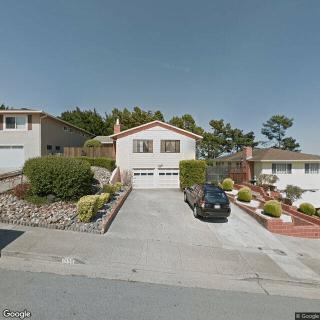


 Are Dementia and Alzheimer's Disease Lethal? A Comprehensive Exploration
 Exploring the Power of Reminiscence Therapy for Individuals With Dementia
 An In-Depth Look at Reminiscence Therapy in Dementia Care