
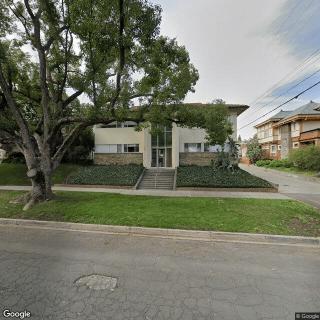
3119 Mill Oak Way, Sacramento, CA 95833
For more information about senior living options: (866) 208-4318
Overall Review of Midori-En Care Home
Pros
 The staff at American River Care Home are kind, caring, and attentive.
- The home feels like a family, with residents treated like family and kept well informed.
- The staff speak Japanese, helping residents feel understood, comfortable, and connected.
- The meals are delicious, healthy, and feature Japanese fare.
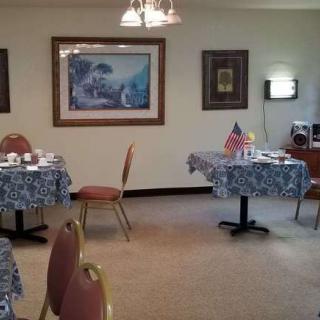
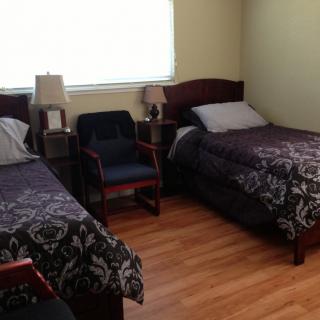
- The environment is safe, clean, and home-like, offering a sense of comfort rather than a facility.
- The team goes above and beyond, providing compassionate guidance to families during difficult decisions.
- Residents stay active and engaged through group activities, outings, and celebrations.
Cons
 She didn't want to leave her home, but it wasn't safe for her any longer.
- There was a horrible predicament since the reviewer's father was actively in the dying stages.
- Finding the right place for a loved one is a hard decision.
- They thought ARCH was too good to be true.
Review
This Sacramento community is best suited for families seeking an intimate, home-like setting where elder care feels personal, not corporate. It shines for residents who are Japanese or who thrive with Japanese-speaking staff, where cultural familiarity translates into smoother daily life, meals that align with a Japanese palate, and conversations that feel natural to the resident. It is a strong fit for dementia care and for families who want transparent, frequent communication and easy, anytime visitation. In short, it serves as a warm, neighborly home rather than a clinical campus, and that distinction matters when a loved one values constant connection, language comfort, and a convivial, family atmosphere.
Those who may want alternatives fall into a few practical camps. If language needs extend beyond Japanese-speaking staff, or if a resident requires a broader English-language environment, a larger facility with more diverse staff and a wider array of activities may be preferable. Families seeking a hospital-grade medical footprint or 24/7 on-site clinical leadership should consider options with greater medical depth. Similarly, residents who require a wide variety of specialized therapies, amenities, or a larger resident population with varied social programming may find a smaller, culturally focused home less adequate. For these reasons, a broader, less culture-specific setting can be a more fitting match.
The core strengths clearly offset potential drawbacks. The staff’s kindness, attentiveness, and genuine warmth create a safety net that feels far more like a supportive family than a routine care arrangement. The home-like environment, coupled with consistent communication with families, produces remarkable peace of mind for relatives. Culinary choices rooted in Japanese dishes contribute to appetite, mood, and overall well-being, as one resident’s weight gain and happiness at meals illustrate. The sense of belonging, residents treated as part of a close-knit community, with staff who remain engaged and communicative, acts as a powerful counterweight to the limitations of a smaller operation, where “more services” are simply not part of the equation.
Beyond the emotive warmth, practical care fundamentals stand out. The owners, Nori and Harue, are repeatedly described as professional, knowledgeable, and personally invested in each resident’s welfare. The structure supports safety and daily activity, with gentle cognitive and physical engagements that keep minds and bodies active. Family involvement is not discouraged; visits are welcomed, and staff routinely brief families on health concerns and care progress. The ability to coordinate with hospice when needed is a notable plus, reflecting a capacity to integrate end-of-life planning with compassionate, individualized care. Field trips, exercise time, and culturally resonant activities contribute to a sense of ongoing vitality rather than stagnation.
A candid view of considerations helps set accurate expectations. The most obvious trade-off is a tighter, smaller environment that centers on a Japanese cultural lens. For some families, this is precisely the appeal; for others, it can feel narrow, especially if language diversity or broader cultural programming is important. While staff demonstrate strong communication and reliability, families should confirm the resident’s level of medical support, especially for complex conditions, and inquire about the availability of a broader menu of therapies or services if those needs arise. Prospective residents should also verify dietary flexibility, given the strong Japanese culinary emphasis, to ensure any dietary restrictions or preferences can be accommodated without compromise.
The bottom-line recommendation is clear. This community stands out for seniors who prize a warm, family-style setting with highly engaged, culturally aligned care, where language compatibility and daily, meaningful interaction drive quality of life. It is particularly well-suited for Japanese-speaking residents or families valuing a homelike atmosphere, regular family updates, and meals that feel like home. Those who fit this profile should plan a visit with concrete questions: how language is managed day-to-day, what the daily activity calendar looks like, how meals are accommodated for dietary needs, and how medical coordination, especially around memory care and hospice, works in practice. If alignment exists on these fronts, this option offers unusually dependable, heartfelt care that can be difficult to match in larger, more generic settings. If not, pursue alternatives that deliver broader medical resources, language diversity, and a wider range of programs.
 4 resident community capacity
 Assisted Living
 Board and Care Home
 Respite Care
 Cable or satellite TV
 Dining room
 Fully furnished
 Garden
 Housekeeping services
 Move-in coordination
 Outdoor space
 Telephone
 Wi-Fi/high-speed internet available
 Sacramento International (7 miles away)
 24-hour supervision
 Activities of daily living assistance
 Assistance with bathing
 Assistance with dressing
 Assistance with transfers
 Diabetes diet
 Meal preparation and service
 Medication management
 Special dietary restrictions
 Transportation arrangement (medical)
 Transportation to doctors appointments




 Comprehensive Insights into Activities of Daily Living (ADLs) and Their Assessment
 Medicare Coverage for Assisted Living: An In-Depth Exploration
 Your Comprehensive Guide to Luxury Assisted Living: Elevated Facilities, Amenities, and Costs