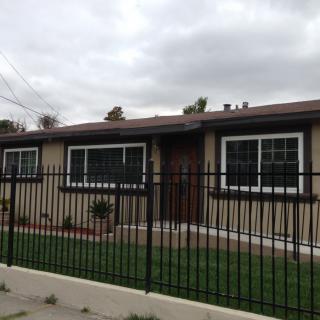
2800 American Avenue, Sacramento, CA 95833
To contact a resident: (916) 641-1590
For more information about senior living options: (866) 208-4318
A New Hope Costs & Pricing
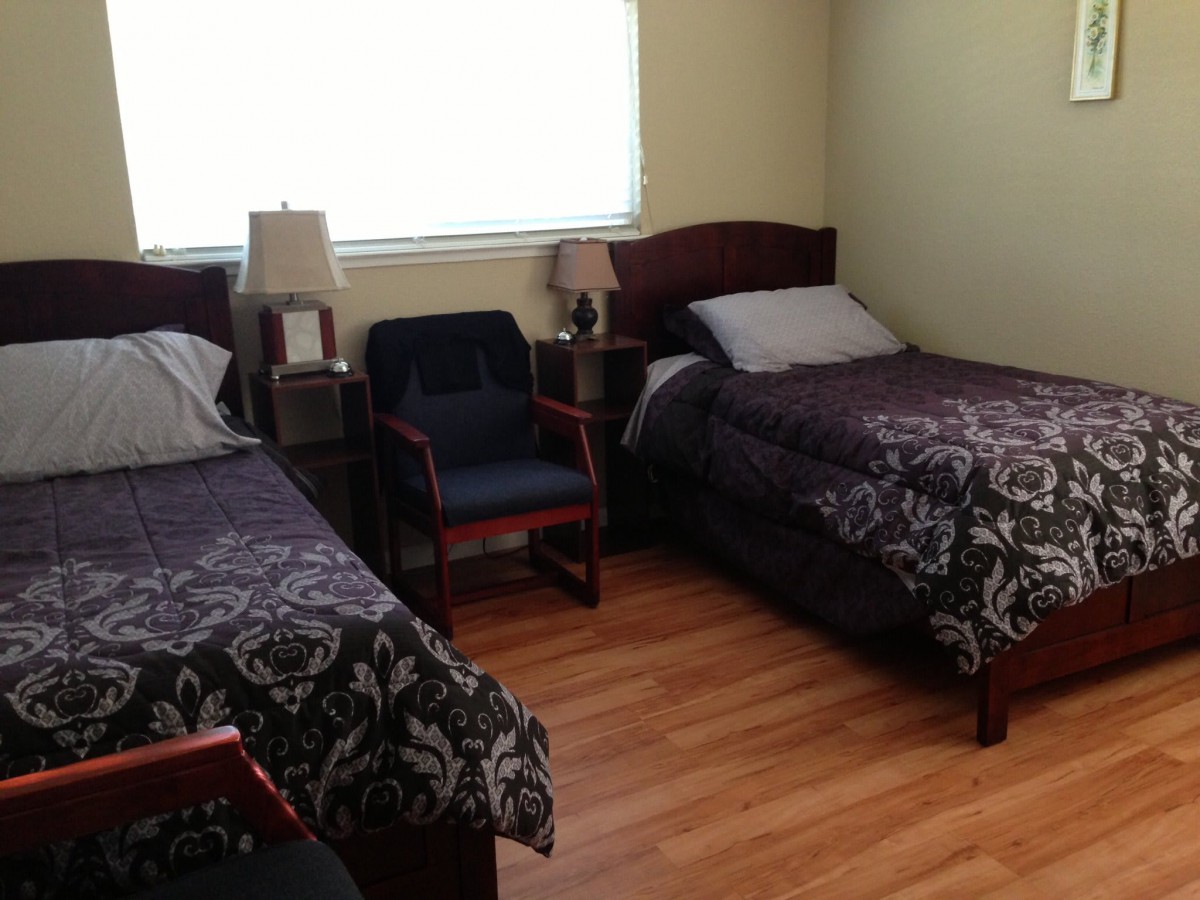
A New Hope offers competitive pricing for its residents, positioning itself as an attractive option compared to both Sacramento County and the broader state of California. For a semi-private room, the cost at A New Hope is $2,500 per month, significantly lower than the Sacramento County average of $3,106 and well below the state average of $3,333. Similarly, those opting for a private room will find A New Hope's rate of $3,000 favorable when contrasted with Sacramento County's $3,686 and California's average of $3,939. These lower costs reflect A New Hope's commitment to providing quality care without compromising affordability in a challenging financial landscape.
| Floor plans | A New Hope | Sacramento County | California |
|---|---|---|---|
| Semi-Private | $2,500 | $3,106 | $3,333 |
| Private | $3,000 | $3,686 | $3,939 |
Senior living communities with a similar price nearby
-
About the same
Sunrise Senior Care
$2,500 to $3,500 / month11.9 miles away -
About the same

Gina's Home Care
$2,500 / month9.3 miles away -
About the same

Lucian Home
$2,500 / month13.6 miles away -
from +$152 / mo

All Care Home Health Svc
$2,652 / month11.1 miles away -
About the same

A Five Star Residence for Seniors
$2,500 to $3,200 / month12.6 miles away
Overall Review of A New Hope
Pros
 The company has provided long-term, reliable immigration services.
- The company is highly trusted and professional.
- The company is very professional and friendly, and highly recommended.
- They offer five-star trusted services.
- The staff are highly cooperative and among the best in immigration services.
- The visa documentation work is handled professionally, with successful results.
- The board-and-care home offers a homey, clean atmosphere with residents who engage in daily activities and caregivers who are truly caring.
Review
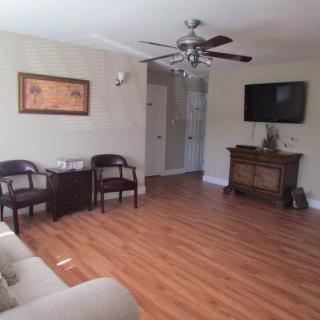
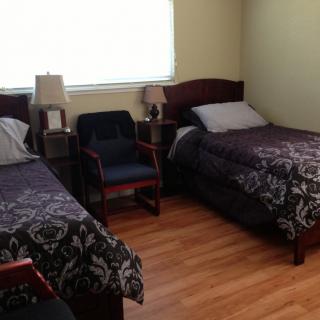
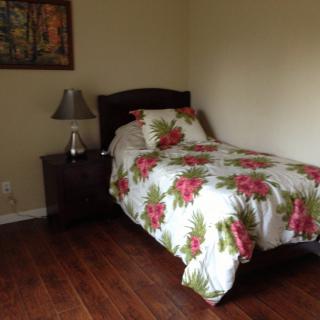
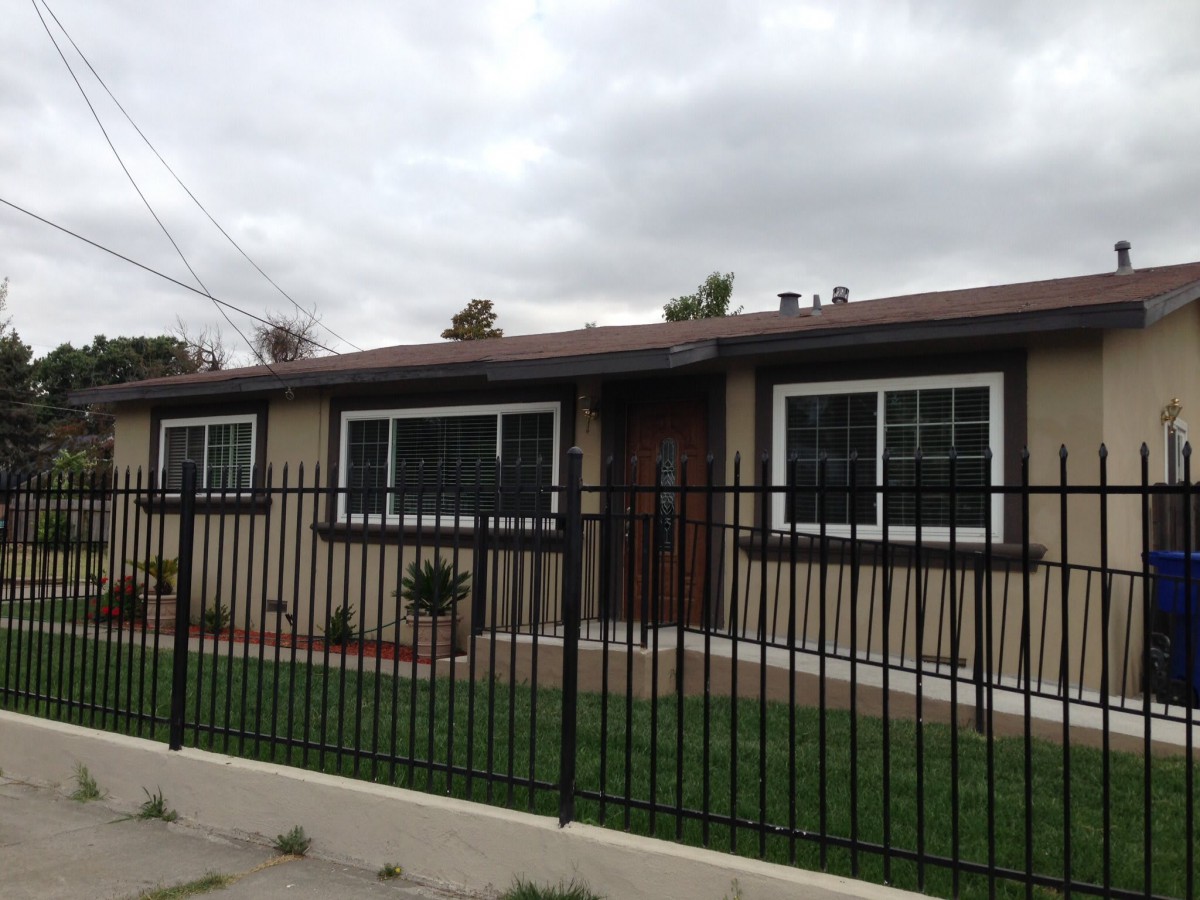
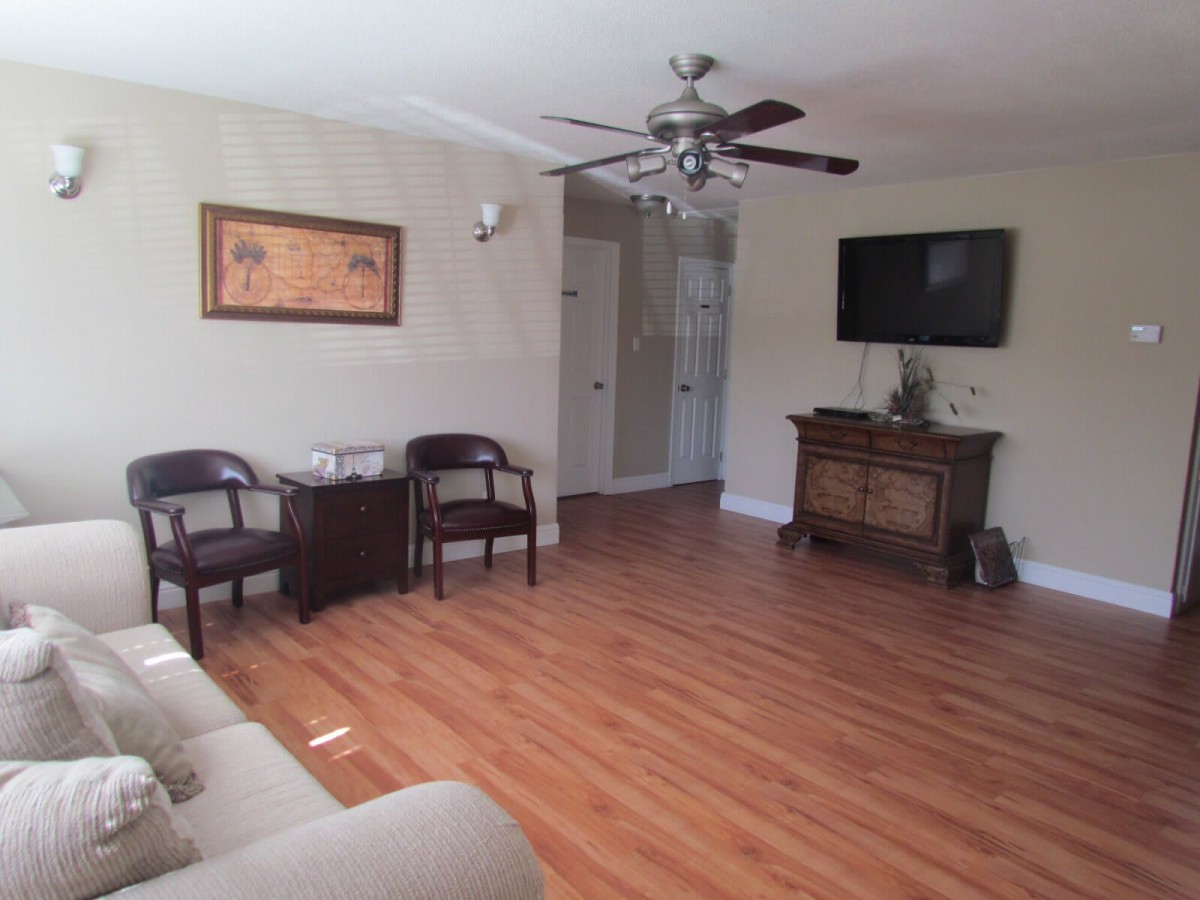
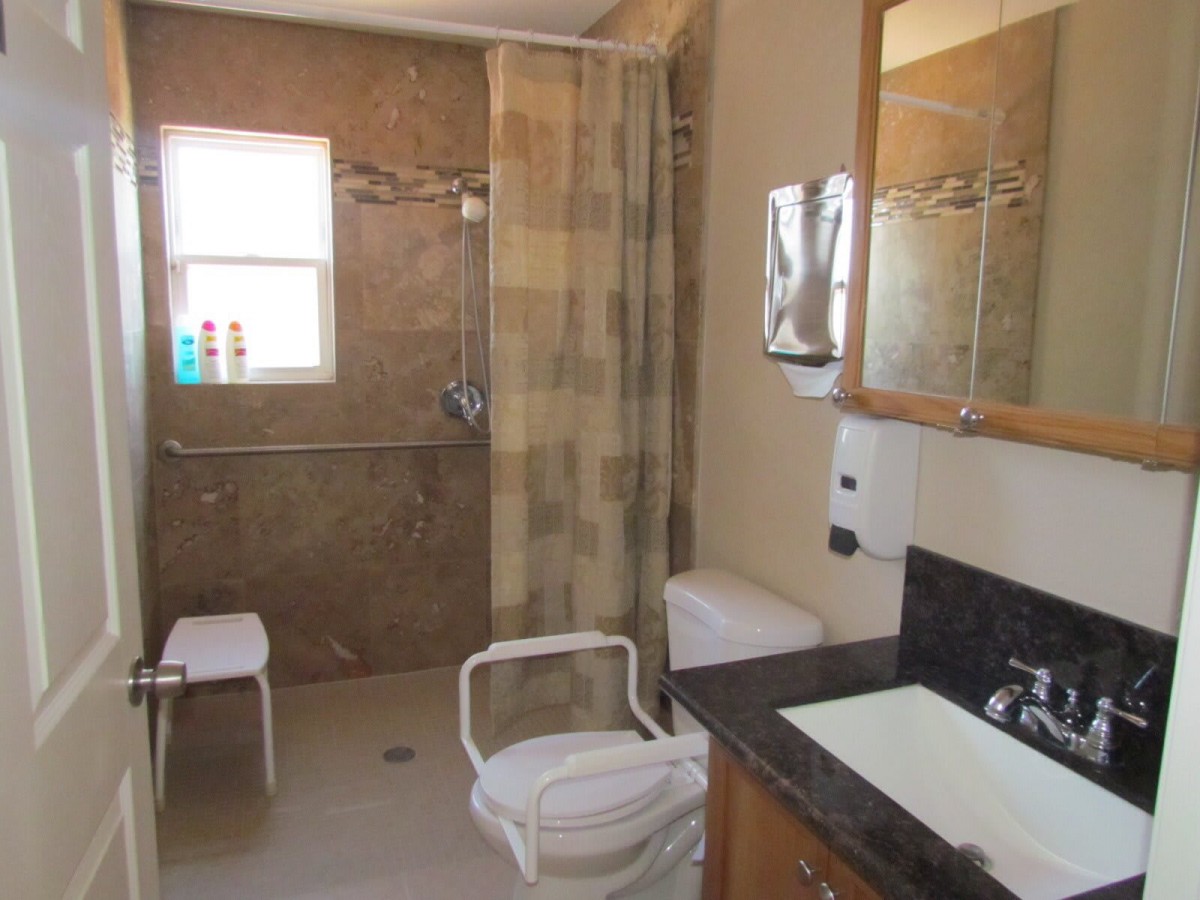
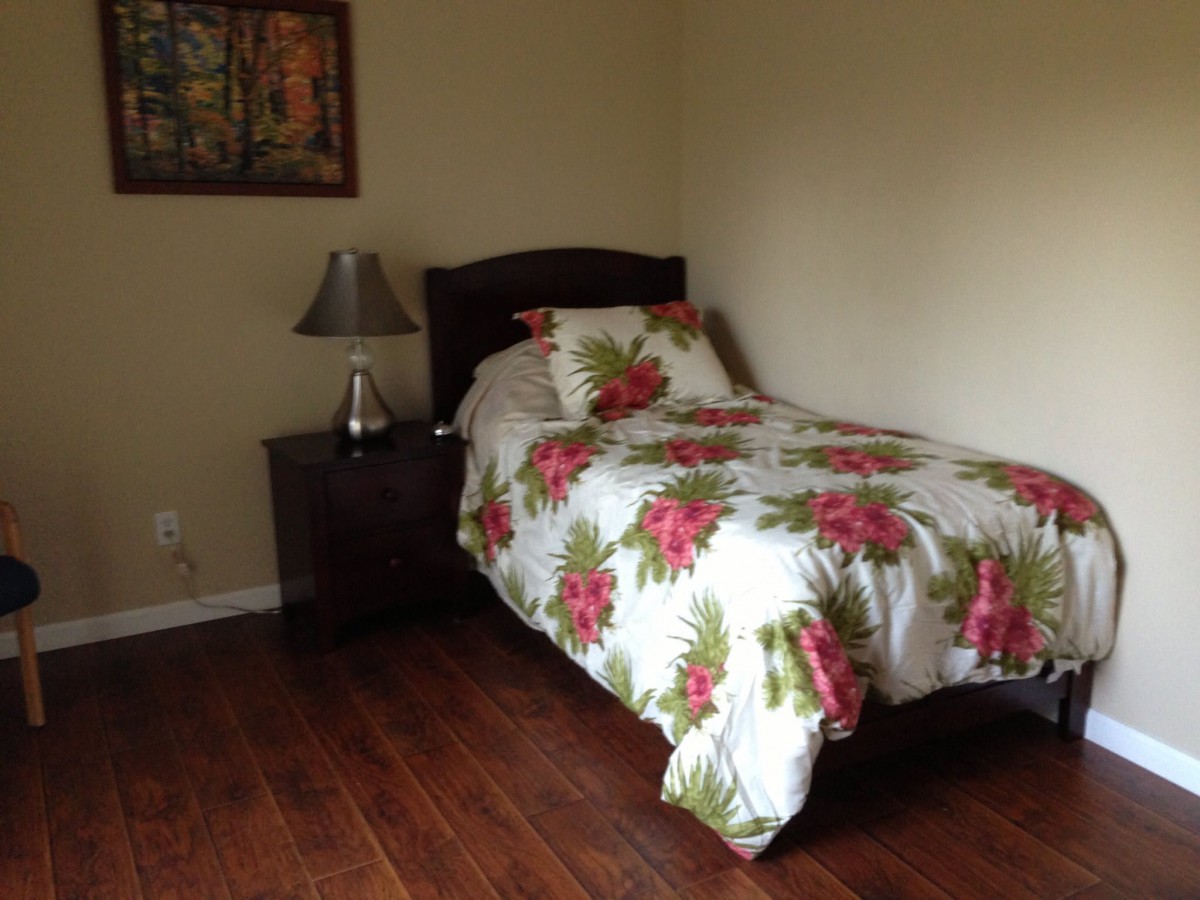
A New Hope in Sacramento is best suited for seniors who want a truly home-like board-and-care experience rather than a clinical campus atmosphere. The setting is intimate, with a clean, comfortable, residential feel and a small number of residents who participate together in crafts, gentle stretching, and other everyday activities. Caregivers are described as genuinely caring, and families note that loved ones settle in quickly, feeling at home rather than abandoned to a large, impersonal environment. For seniors who prize personal attention, predictable routines, and a sense of belonging within a tight-knit community, this facility offers a compelling, low-key alternative to bigger complexes.
Those who may want to consider alternatives include families seeking more extensive medical oversight, a broader array of professional services, or a larger social scene. Larger assisted living communities or nursing facilities typically boast more on-site nursing staff, rehab options, and specialized memory care programs, which can be critical for residents with significant health needs or complex treatment plans. If a loved one requires regular monitoring by health professionals, frequent therapy, or a wider variety of programming on a daily basis, the small scale of A New Hope may feel limiting rather than supportive.
The strongest pros, homey atmosphere, high cleanliness, and a lively but manageable social tempo, offset potential drawbacks in meaningful ways. The environment reduces the sense of isolation that can come with aging in place, delivering everyday companionship through group activities that still feel intimate. Cleanliness and a calm, orderly routine contribute to peace of mind for families, while the resident cohort’s energy appears to generate regular social interaction without the chaos of a larger facility. This combination often translates into improved mood and a sense of belonging for residents who resist a more impersonal setting.
Yet the facility’s size and model naturally imply certain trade-offs. The small footprint means fewer on-site clinical resources, fewer specialty programs, and less scheduling flexibility for residents with complex medical needs. For families prioritizing robust skilled nursing, rapid access to rehabilitation, or a broad, structured activity calendar, these limitations can be meaningful. A New Hope excels at everyday care and social vitality, but its strength in warmth and proximity can come at the expense of the depth and breadth of medical and therapeutic services found in larger communities.
Decision-makers should approach the choice with a clear picture of the resident’s social temperament and care requirements. If a loved one thrives on regular engagement, prefers a living room-to-kraft project rhythm, and values being known by name by caregivers, this setting is hard to beat. Prospective families should ask pointed questions about staff-to-resident ratios, how care plans are developed and updated, and what medical support is available on-site and nearby. Observing a tour, watching how residents interact, how meals are served, and how safety features are integrated, will reveal whether the atmosphere matches the individual’s needs and preferences.
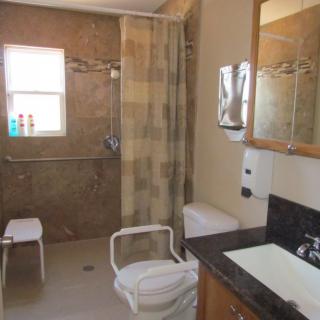
In sum, A New Hope stands out as a strong option for seniors who want a warm, clean, and socially engaging home-like environment with consistently caring staff. It delivers on comfort, daily participation, and a sense of community that many families crave when stepping away from the impersonal feel of larger facilities. The caveat is straightforward: for those whose priority is extensive medical care, rehab services, or a broad array of on-site resources, it may be wise to compare with larger options that supplement the small-community charm with more expansive clinical support. Overall, the recommendation is confident: this community is a smart match for families seeking intimate, attentive, and sociable senior living, with alternatives available for those needing a higher level of medical infrastructure.
 Board and Care Home
 Private
 Sacramento International (8 miles away)
 Ambulatory care
 High acuity care
 Incontinence care
 Medication management







 Exploring Palliative Care in the Home: A Comprehensive Overview
 Comprehensive Insights into Palliative Home Care: What It Is and What to Expect
 Skilled Nursing Facilities vs. Nursing Homes: Making Sense of the Differences